Alleppey Backwaters: A Historical Perspective in the Context of Tourism
Alleppey (officially Alappuzha), located on the southwest coast of India in the state of Kerala, is synonymous with the word “backwaters.” The Alleppey backwaters—an intricate network of lagoons, lakes, canals and rivers centering on Vembanad Lake—have shaped the region’s social life, economy and identity for centuries. This article traces the historical evolution of the Alleppey backwaters and explains how that history has influenced modern tourism.
Geography and Natural Formation
The backwater system around Alleppey is a part of the larger Vembanad wetland complex. It comprises:
- Vembanad Lake – the largest lake in Kerala and the central water body around which canals and lagoons radiate;
- A network of natural rivers (tributaries and distributaries) and man-made canals linking the hinterland to the sea;
- Low-lying paddy fields and reclaimed land in the Kuttanad region, known for farming below sea level;
- Rich mangrove belts, brackish-water ecosystems and diverse birdlife—making the area ecologically important.
Early History and Inland Trade
Long before tourism, the backwaters were the lifeline of inland trade and transport. Barges and country boats carried rice, spices, coir, coconuts and other produce between the interior and coastal ports. The waterways enabled:
- Efficient movement of bulky agricultural produce in a wetland-dominated landscape;
- Connections between villages and market towns, facilitating commerce and cultural exchange;
- Development of local crafts (notably coir production) and a thriving market economy tied to maritime trade.
Founding and Urban Development
The town of Alleppey was planned and promoted in the mid-18th century to bolster maritime trade. Around the mid-1700s, under the Travancore administration, efforts were made to develop an organized port town that could serve as a hub for inland navigation and sea trade. The development of quays, warehouses and canals encouraged the export of local commodities and cemented Alleppey’s role as a commercial gateway.
Colonial Period and Infrastructure Changes
European contact—beginning with Portuguese and followed by Dutch and British influence—left architectural and infrastructural imprints:
- European-style buildings, churches and cemeteries, traces of which survive in the townscape;
- Improvements to ports and navigational channels to handle increased commercial traffic;
- An integration of Alleppey into global trade networks, which elevated the economic importance of the backwaters.
Traditional Boats and Cultural Practices
Boats are central to the backwaters’ history and culture:
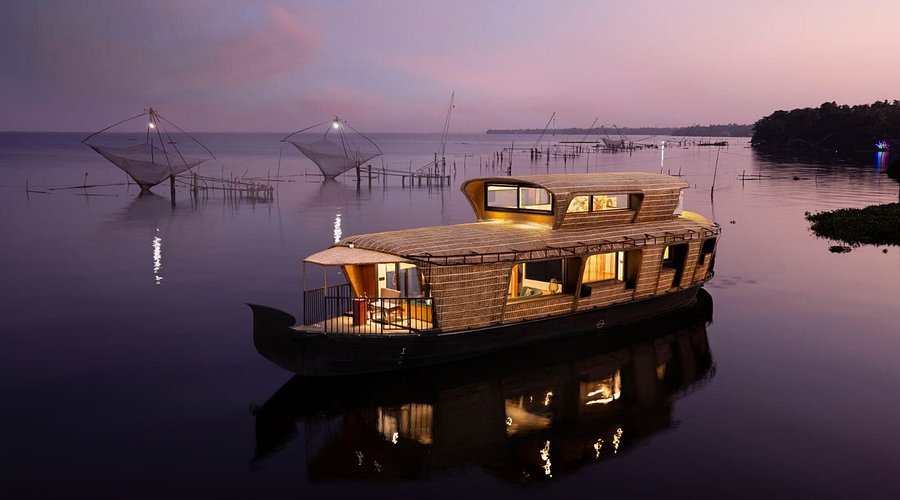
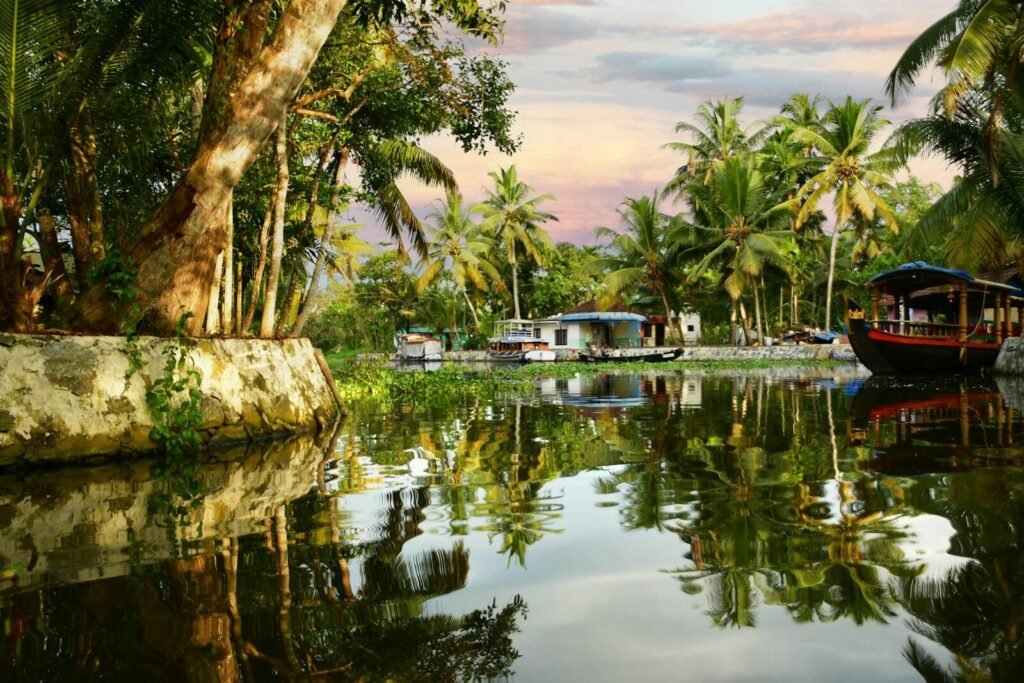
- Kettuvallams – traditional thatch-roofed barges, historically used to move rice and goods. The name literally means “boat tied with knots,” built using coir ropes and wooden planks without nails.
- Snake boats (Chundan vallams) – long, oared racing boats integral to community festivals and boat races.
- Local boat-building and coir crafts developed around these vessels, forming an artisan economy closely tied to the waterways.
Rituals, Festivals and the Boat Race Tradition
Boat-based traditions evolved into vibrant spectacles. The most famous is the annual boat race on the backwaters—especially the Nehru Trophy Boat Race held at Punnamada Lake. Instituted in the 20th century and popularized after the 1950s, this race draws huge crowds and has become symbolic of Kerala’s communal and sporting spirit.
Transition to Tourism: From Cargo to Leisure
The conversion of traditional kettuvallams into houseboats marked a turning point. Over the late 20th century:
- Some kettuvallams were adapted with comfortable passenger amenities to host overnight cruises, offering a unique, slow-travel experience;
- Government and private tourism bodies promoted houseboat cruises, homestays and backwater tours as a distinctive Kerala product;
- Alleppey’s picturesque canals, paddy-scaped horizons and village life were packaged as experiential tourism attracting domestic and international visitors.
Why Alleppey Became a Tourism Icon
- Unique landscape: uninterrupted water corridors, island-like settlements and the reflective beauty of Vembanad Lake;
- Cultural immersion: encounters with traditional fishing, coir-making, temple rituals and local cuisine;
- Signature experiences: overnight houseboat stays, village walks, bicycle rides and attendance at boat races and festivals;
- Accessibility: proximity to Kochi and other tourism circuits in Kerala helped integrate Alleppey into broader itineraries.
Tourism Infrastructure and Economy
Houseboats, backwater tours, homestays and related services generate livelihoods across the region. The tourism economy supports:
- Boat owners, crew and maintenance workers;
- Local guides, homestay hosts and village-based tourism entrepreneurs;
- Supply chains for food, handicrafts, coir products and ancillary services like transport and marketing.
Community and Cultural Benefits
Well-managed tourism has helped preserve certain traditional skills—boat building, coir craft, local cooking—and provided cash income to households that might otherwise face agricultural uncertainty. Festivals, music and cuisine have found new audiences among visitors, supporting cultural continuity.
Environmental and Management Challenges
Alongside opportunities, tourism and other modern pressures have created environmental concerns:
- Water pollution from sewage, untreated effluents and litter threatens water quality and aquatic life;
- Salinity intrusion and changing hydrology affect agriculture and freshwater availability in low-lying Kuttanad areas;
- Unplanned boat traffic and shore development can erode banks, disturb bird habitats and degrade the scenic quality visitors come to see;
- Sand mining and dredging for maintaining channels may alter sedimentation patterns and ecological balance.
Conservation Responses and Policy Measures
To balance tourism with conservation, various stakeholders—local government, state agencies, NGOs and community groups—have promoted:
- Waste management protocols for houseboats and resorts, including segregation, treatment and proper disposal;
- Regulation of boat dimensions, engine emissions and waste discharge to reduce environmental impact;
- Community-led ecotourism initiatives that ensure earnings stay local and encourage stewardship of habitats;
- Awareness campaigns for visitors on responsible behavior, including limits on noise, pollution and intrusive activities.
Cultural Tourism: Festivals, Food and Living Traditions
Alleppey’s backwaters remain a living cultural landscape. Tourists can experience:
- Boat races and festivals: seasonal events where villages compete in centuries-old traditions;
- Local cuisine: seafood, rice-based dishes and coconut-rich preparations served on houseboats and in village homes;
- Traditional arts: Kathakali performances, temple arts and local crafts often presented as part of visitor programs;
- Village life: witnessing paddy cultivation, coir rope-making and fishing techniques that have survived modernization.
Signature Experiences for Visitors
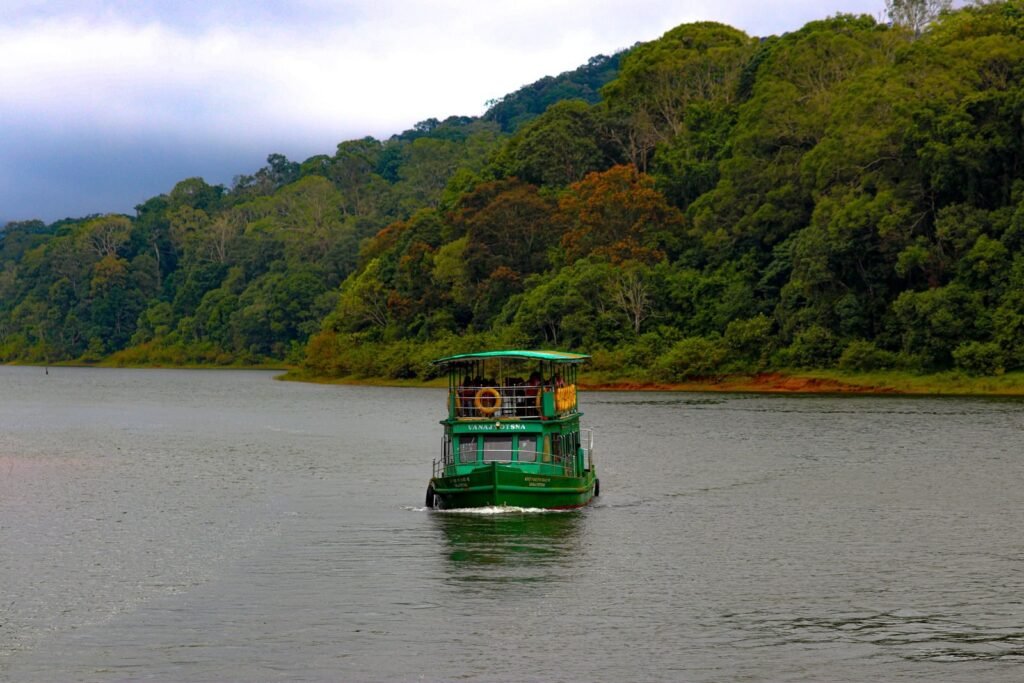
- Overnight houseboat cruise across Vembanad Lake and narrow canals;
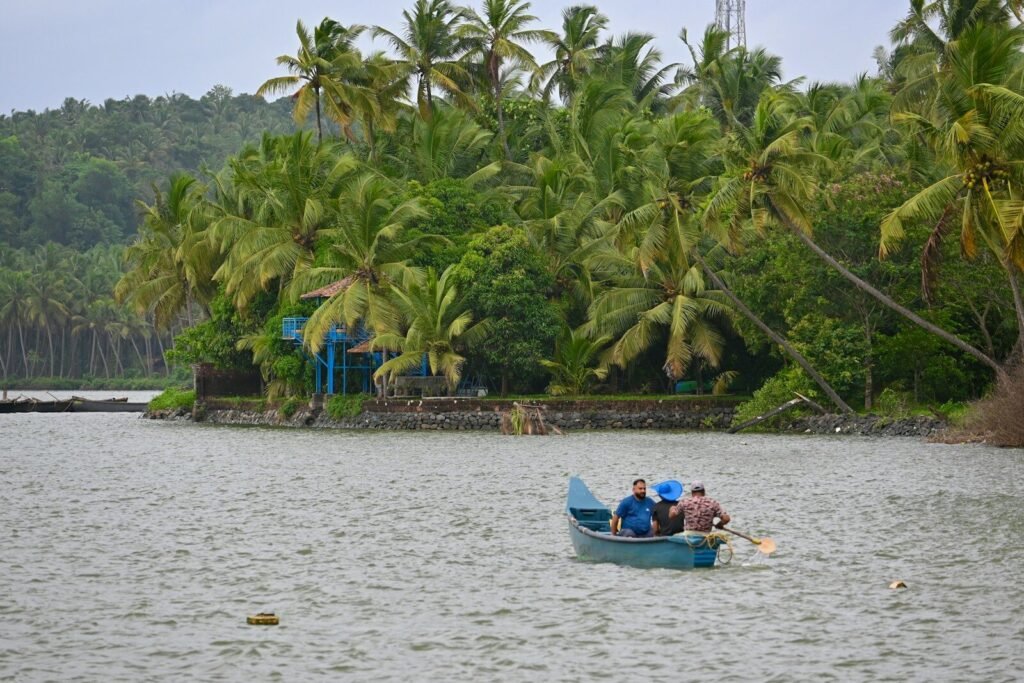
- Guided canoe or shikara rides into smaller channels and village inlets;
- Homestays offering farm-to-table meals and participation in village activities;
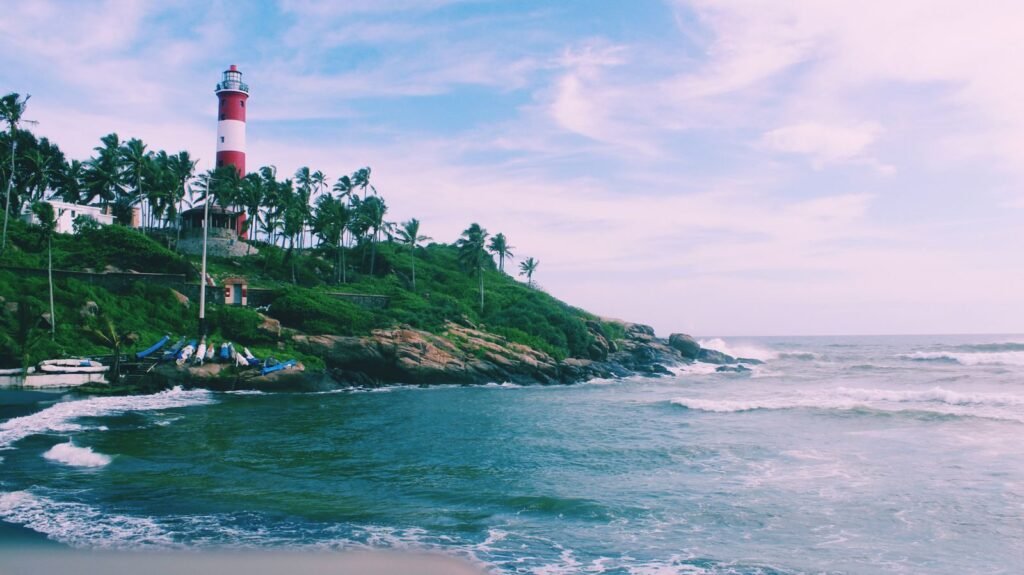
- Visits to coir factories, local markets and the Alleppey lighthouse and waterfront.
Future Directions: Sustainable and Community-Centered Tourism
The historical resilience of the backwaters depends on integrating economic development with ecological stewardship. Key priorities include:
- Stronger enforcement of waste-treatment norms and stringent boat operation rules to maintain water quality;
- Promotion of renewable-energy houseboats and low-impact craft to reduce emissions and noise;
- Capacity-building for local entrepreneurs to manage tourism benefits equitably;
- Scientific monitoring of hydrology and biodiversity to guide interventions such as controlled dredging and mangrove restoration;
- Visitor education and certification programs to encourage low-impact travel behavior.
Conclusion
The Alleppey backwaters are not merely a scenic destination; they are a cultural landscape shaped by centuries of trade, settlement, craft and communal life. Tourism has opened a new chapter—transforming traditional cargo boats into floating hotels and showcasing village life to the world. Yet this success brings responsibilities: to maintain ecological integrity, preserve local cultures and ensure that economic benefits remain sustainable and inclusive. If managed thoughtfully, the backwaters can continue to be a living heritage—offering unforgettable experiences while safeguarding the very environment and traditions that make Alleppey unique.