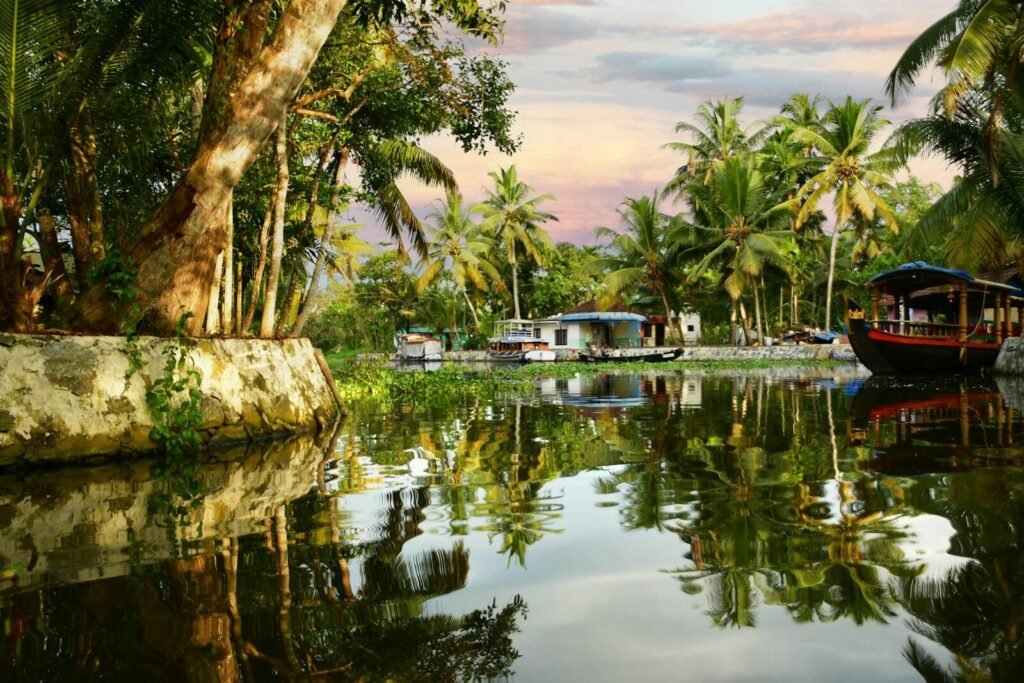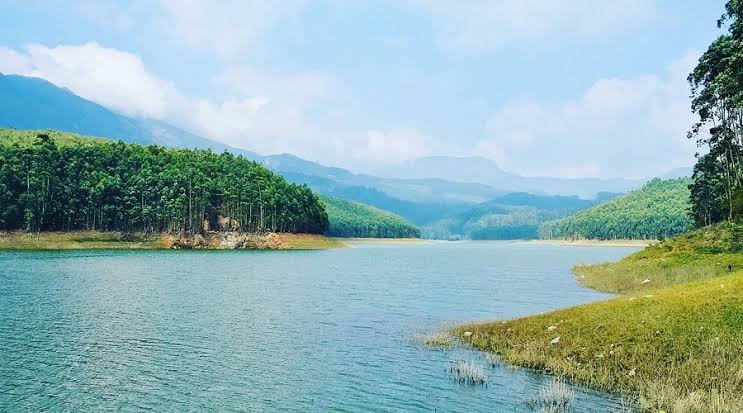
Echo Point—a small but much-photographed viewpoint near Munnar in the Western Ghats of Kerala—has become both a literal echo for visitors’ voices and a symbol of the layered history that shaped tourism in this highland region. This article traces Echo Point’s development from a natural landmark within a historically rich landscape to a modern tourist attraction, placing its story within broader economic, cultural and environmental changes in Munnar.
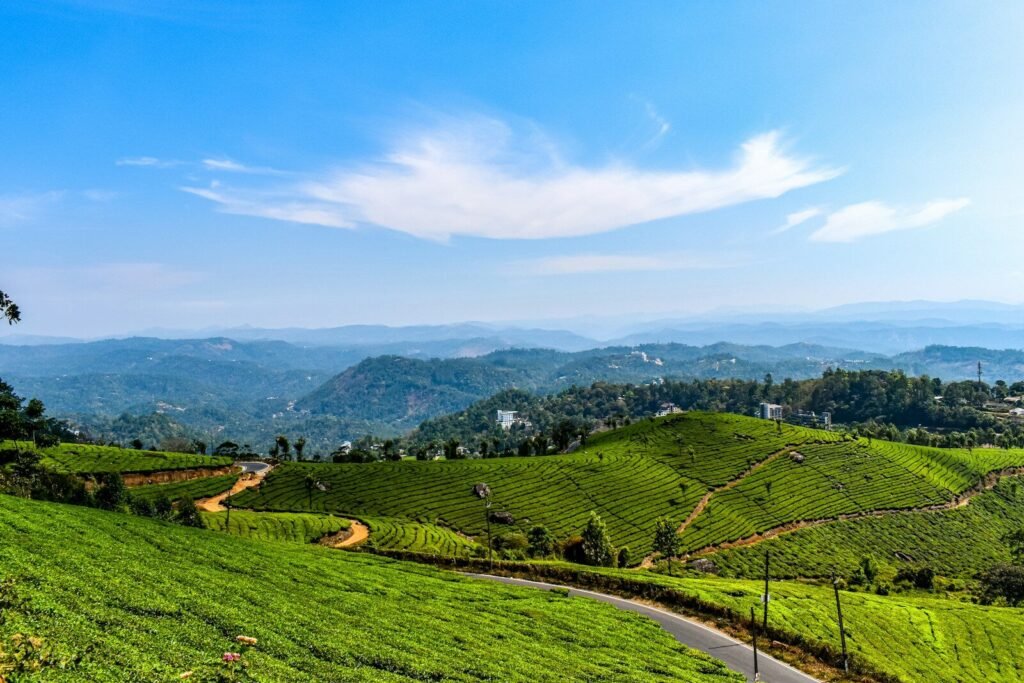
Echo Point sits amid rolling hills, cardamom and tea-dominated slopes, and shola-grassland mosaics that characterize the Munnar highlands. Located on the road that connects Munnar town to some of the region’s lakes and viewpoints, Echo Point has long been valued for its open vistas and the acoustic curiosity—the pronounced echo effect—that gives it its popular name.
Long before the area became a framed attraction on tourist itineraries, the highlands around Munnar were inhabited and used by indigenous communities and hill cultivators. Local people practiced shifting cultivation, gathered non-timber forest products and maintained ecological knowledge adapted to the montane environment.
These human-environment interactions created a cultural landscape that later shaped how colonial and post-colonial actors perceived, transformed and marketed the hills. While Echo Point itself is a natural clearing and acoustic phenomenon, it lies within a wider territory shaped by generations of local use.
The most consequential change to Munnar’s landscape and its touristic potential came with colonial-era plantation development. In the late 19th and early 20th centuries, British planters established large-scale tea and spice plantations across the hills. This brought roads, settlements, and an infrastructure that connected remote viewpoints to markets and transport nodes.
Although Echo Point was not originally a “tourism development” in the formal sense, the colonial transformation of the surrounding landscape created conditions that later enabled it to be discovered and promoted as a destination.
After Indian independence, Munnar transitioned from a plantation-dominated economy toward a mixed economy where tourism gradually became a major component. From the mid-20th century onward, improved transportation, growing domestic travel, and the global rise of nature-based tourism contributed to a steady stream of visitors.
The novelty at Echo Point is simple: sound reflections from the surrounding rock faces and undulating topography produce a clear echo when visitors shout or call out. This acoustic trait has been a natural draw for families, school groups and photographers, and it has been emphasized in promotional materials as a fun, interactive experience.
Local guides and businesses often embellish the echo with stories and playful challenges, turning a minor geophysical effect into a memorable ritual for tourists—shouting names, songs or phrases and waiting for the response.
By the late 20th and early 21st centuries, Echo Point was incorporated into organized tourism circuits. Visitor facilities—parking, viewpoints, viewing platforms, and small vendor clusters—grew to meet demand. Local entrepreneurs built services that catered to the steady flow of domestic and international tourists.
Tourism at Echo Point has contributed to the local economy by providing livelihoods for guides, drivers, vendors and small hoteliers. Revenues from visitor spending support families and sometimes fund small community initiatives. At the same time, the seasonal and often informal character of this economy creates uncertainties for workers dependent on steady tourist flows.
Awareness of the environmental sensitivities of the Western Ghats has led to efforts—by government agencies, NGOs and local groups—to manage visitor impact. Measures include regulated parking, waste management initiatives, restrictions on construction near sensitive zones and educational signage encouraging responsible behavior.
Understanding Echo Point’s history enriches the visit. It is not only a scenic stop but also a waypoint in a larger story of colonial land-use change, indigenous presence, plantation economies and the rise of nature tourism.
Echo Point’s appeal lies in a straightforward combination of natural spectacle and cultural history. From the pre-plantation lifeways of the hills, through colonial-era transformation and post-independence tourism development, the site has been shaped by multiple forces. Today it stands as a microcosm of Munnar’s broader story: a landscape cherished for its scenic beauty, animated by human histories and livelihoods, and challenged to balance tourism growth with environmental stewardship. For visitors who pay attention to that history, Echo Point offers more than a photograph—it offers insight into how places are made, marketed and preserved.
What makes us different from other tour package companies
Our travel experts have core and intense knowledge about Kerala sector with over 10 years of experience that will help you choose the best possible itinerary as per your requirements.
Our travel experts are just one call away during your tour to help you with any kind of immediate assistance so that your tour is a more enjoyable and hassle-free tour.
eTourismKerala ensures best rates to all our esteemed guests since we have our own hotels and fleet of vehicles and drivers and there is no third-party involvement. This ensures personalized service and best rates.


















Kindly enter the details below for your Kerala Tour Package