Elephant Junction

History

Elephant Junction, Thekkady — A Historical Perspective on Tourism and Elephants

Elephant Junction near Thekkady has become a recognizable name for visitors drawn to the Periyar region of Kerala. To understand its significance for tourism one must place it in the longer history of elephants in Kerala — as sacred animals, working partners, and, more recently, central elements of a landscape reshaped by conservation and tourism.

Historical context: elephants in Kerala’s social and economic life

Elephants have long been woven into Kerala’s culture and economy. Historically they served multiple roles:

  • As sacred and ceremonial animals: elephants are central to temple festivals, processions and visual culture across Kerala, where caparisoned tuskers remain an emblem of regional identity.
  • As working animals: before mechanization, captive elephants were widely used for hauling heavy loads, especially in the timber and plantation economies that expanded during the 19th and early 20th centuries.
  • As subjects of local knowledge systems: capture techniques, training practices and the role of mahouts developed over generations and were concentrated at training locales and camps.

From utility to protection

With changes in forestry policy, mechanization and growing conservation awareness in the 20th century, the capture and use of wild elephants declined and many forested areas were given protected status. This shift reconfigured human-elephant relationships: some captive elephants found continued employment in timber or ceremonial roles, while others became integrated into new livelihoods linked to tourism.

Thekkady and the rise of wildlife tourism

Thekkady, the gateway to the Periyar landscape, developed as a tourism hub because of its proximity to the Periyar Wildlife Sanctuary and the scenic Western Ghats. As nature-based tourism grew in the latter half of the 20th century, visitors sought both wildlife viewing and cultural experiences. Elephant-based attractions emerged as one way to meet visitor demand for close encounters.

Where Elephant Junction fits in

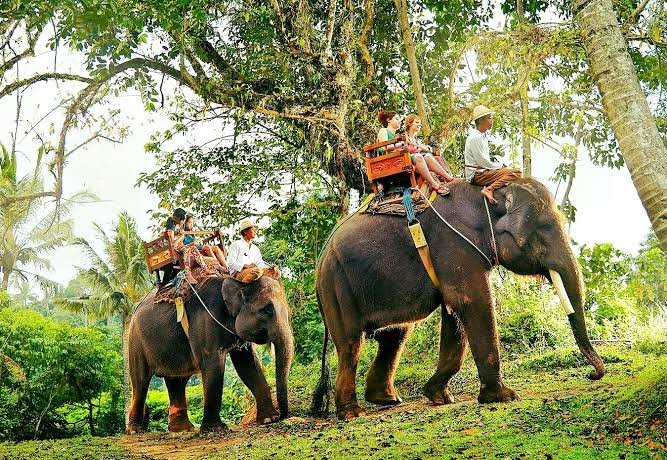
Elephant Junction is one of the attractions around Thekkady offering visitors an opportunity to see, interact with, and learn about elephants in a controlled setting. While not a substitute for wild elephant viewing in Periyar, it functions as a complementary experience for tourists who want up-close encounters, photo opportunities and demonstrations such as feeding, bathing or simple handling demonstrations under mahout supervision.

How such facilities typically evolved
  • Local elephant owners, retired working elephants and mahouts adapted their traditional skills toward tourist services.
  • Entrepreneurial enterprises and guest houses around Thekkady added elephant experiences to broader tourist packages.
  • Marketing tied together wildlife safaris in Periyar, spice plantations and cultural performances with elephant visits — making Elephant Junction-style stops an expected part of many itineraries.

Economic and social impact

Elephant-based tourism in and around Thekkady generates income for multiple stakeholders:

  • Mahouts and elephant owners obtain livelihoods through visitor fees, demonstrations and related services.
  • Local guides, transport operators and hospitality businesses benefit from the additional draw.
  • Some facilities contribute to local economies by hiring staff and sourcing food and supplies locally.

At the same time, the growing tourist demand has created tensions and raised questions about animal welfare, cultural authenticity and sustainability — topics that shape contemporary debates about Elephant Junction and similar attractions.

Conservation, welfare and regulation

The modern role of elephants in tourism cannot be separated from conservation and welfare concerns. Key points for the historical arc and current context include:

  • Protected-area expansion and wildlife laws reduced commercial capture of wild elephants, shifting many remaining captive elephants into different roles.
  • Rising public awareness and animal-welfare advocacy have pressured operators and authorities to improve conditions, reduce harmful practices and offer more educational programming.
  • Regulatory frameworks at state and national levels increasingly influence how captive elephants are kept, displayed and used for tourism.

Practical implications for Elephant Junction-style attractions

  • Facilities must balance visitor expectations for close encounters with standards for space, veterinary care and respectful handling.
  • Many operators have begun emphasizing enrichment, naturalistic routines (feeding, social time, bathing) and interpretive education about elephant ecology rather than purely entertainment-focused performances.

Visitor perspective: what tourists should know

For those who visit Elephant Junction or similar venues around Thekkady, a historically informed and ethical approach can enhance the experience:

  • Learn the background: ask about an elephant’s origin, age, health care and daily routine — this reveals how seriously welfare is taken.
  • Prefer observation to performance: seek opportunities to watch natural behaviors (feeding, bathing) and educational talks rather than staged tricks.
  • Support accredited or transparent operations: choose facilities that provide clear information about veterinary care, living conditions and contribution to conservation or local communities.
  • Consider alternatives: combine a visit with a boat safari in Periyar, guided forest walks, or visits to legitimate rehabilitation and rescue centres to deepen conservation understanding.

Challenges and the path ahead

Elephant tourism near Thekkady — including centers often termed Elephant Junction — stands at an inflection point where historical practices meet contemporary expectations. The most sustainable path forward will require:

  • Transparent collaboration among state authorities, veterinarians, elephant owners and tourism operators.
  • Clear standards and enforcement for animal welfare and visitor safety.
  • Education for visitors to shift demand toward experiences that respect elephants’ physical and psychological needs.
  • Economic incentives for communities to protect wild habitats and support ethical, non-exploitative livelihoods.

Conclusion

Elephant Junction, in the landscape of Thekkady tourism, reflects a wider historical transformation: elephants that once worked in forests and plantations have become cultural icons and tourism partners. This transition has provided livelihoods and memorable experiences for visitors, but it also raises ethical and conservation questions. Understanding the history of elephants in Kerala — their religious, economic and ecological roles — helps visitors and planners make informed choices that honor both the animals and the communities that live alongside them.

Visiting responsibly and supporting efforts to improve welfare and habitat protection will determine whether elephant-based experiences in Thekkady evolve into models of ethical wildlife tourism or remain contested attractions. For informed tourists, Elephant Junction can be a starting point for learning about elephants, their history in Kerala and the challenges of conserving them in a rapidly changing world.

Get Instant Call Back​

Which places do you want to explore in Kerala?
Kindly share your above details to get Travel Plan PDF within 30 seconds on your mobile
Please wait while we are preparing customized quotes as per your requirement.

Why Choose us ?

What makes us different from other tour package companies

Best Travel Experts

Our travel experts have core and intense knowledge about Kerala sector with over 10 years of experience that will help you choose the best possible itinerary as per your requirements.

24 X 7 On-Trip Assistance

Our travel experts are just one call away during your tour to help you with any kind of immediate assistance so that your tour is a more enjoyable and hassle-free tour.

Best Rate Guarantee

eTourismKerala ensures best rates to all our esteemed guests since we have our own hotels and fleet of vehicles and drivers and there is no third-party involvement. This ensures personalized service and best rates.


Kerala Tour Packages by Theme

Kerala Tour From Popular Cities

Limited period offer – Kerala tour packages at flat 50% discount. Inquire now!

Kindly enter the details below for your Kerala Tour Package

Loading, please wait . .. ... ....