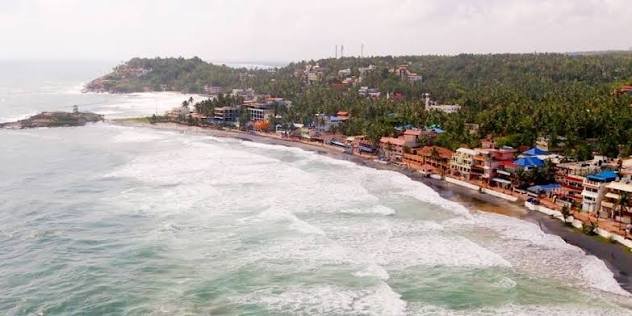
Hawa Beach (also spelled Hawah or commonly called “Hawa”) is one of the three contiguous crescent-shaped beaches that make up Kovalam, located near Thiruvananthapuram (Trivandrum) in Kerala, India. Long admired for its gently curving shoreline, palm-fringed promenades and calm seas, Hawa Beach occupies a special place in the story of Kerala’s coastal tourism. This article traces the beach’s historical roots, its rise as a tourist magnet, and the contemporary challenges and opportunities presented by tourism development.
Hawa Beach lies adjacent to Lighthouse Beach and Samudra Beach, forming the well-known Kovalam coastline. The name “Hawa” — meaning “wind” in several South Asian languages — refers to the breezy, open character of this stretch, favored by both early visitors and local fishermen. The shoreline is lined with coconut groves, small fishing communities, and a scattering of traditional houses and later-built tourist accommodations.
Before tourism became the dominant economic force, the Kovalam coastline was primarily a mosaic of fishing hamlets, toddy-tapping and coconut cultivation, integrated into the agrarian economy of the Kingdom of Travancore and later, the state of Kerala. The rhythms of daily life — boat launches at dawn, fish markets at daybreak, and seasonal festivals — shaped the cultural identity of the place long before tourists arrived.
Kovalam is part of the larger Malabar and southern Kerala coastal zone that has been engaged in maritime trade for centuries. Traders from Arabia, Persia and later Europe frequented the Malabar Coast, bringing goods, ideas and cultural exchanges that influenced coastal settlements. Though Kovalam itself remained a relatively quiet fishing area for much of its earlier history, it shared in the maritime orientation of the region.
Under the rulers of Travancore, the coastal villages near Thiruvananthapuram were administered as part of a princely state’s coastal economy. Coastal resources, land tenure and local markets were integrated into the Travancore administrative framework. Cultural and ritual life of the coastal communities — temples, boat festivals and markets — continued largely uninterrupted, forming the local social backbone encountered by later visitors.
The colonial period brought new infrastructure along the Kerala coast — ports, lighthouses, and communication lines — and increased connectivity with the rest of the world. While Kovalam did not become an early colonial resort in the way some other ports did, the construction of navigational aids and the development of nearby Thiruvananthapuram as an administrative center improved access and slowly altered the area’s economic ecology.
In the early to mid-20th century, Kovalam began to attract domestic visitors from nearby cities seeking a coastal retreat. The combination of easy access from Thiruvananthapuram and a picturesque shoreline made Hawa Beach appealing to day-trippers, honeymooners and local holidaymakers. Small boarding houses and guest rooms catering to domestic tourists were among the first signs of tourism-related change.
Kovalam — including Hawa Beach — experienced a dramatic acceleration in tourism from the 1960s and 1970s. International travelers, many following the so-called “hippie trail” and later the broader backpacker movement, were attracted to Kerala’s natural beauty, relaxed coastal atmosphere and the emerging availability of affordable lodgings. The beach’s relaxed ambience, Ayurveda and yoga practices in the region, and a growing global interest in alternative travel made Kovalam an international draw.
Kerala’s traditional systems of medicine, particularly Ayurveda, became central to Kovalam’s tourist identity. From the late 20th century onward, wellbeing tourism — Ayurvedic treatments, yoga retreats, and holistic therapies — became a major reason for travellers to visit Hawa Beach and the broader Kovalam area. Institutional promotion by state tourism departments further integrated Kovalam into Kerala’s marketed image as “God’s Own Country,” emphasizing wellness, backwaters and beaches.
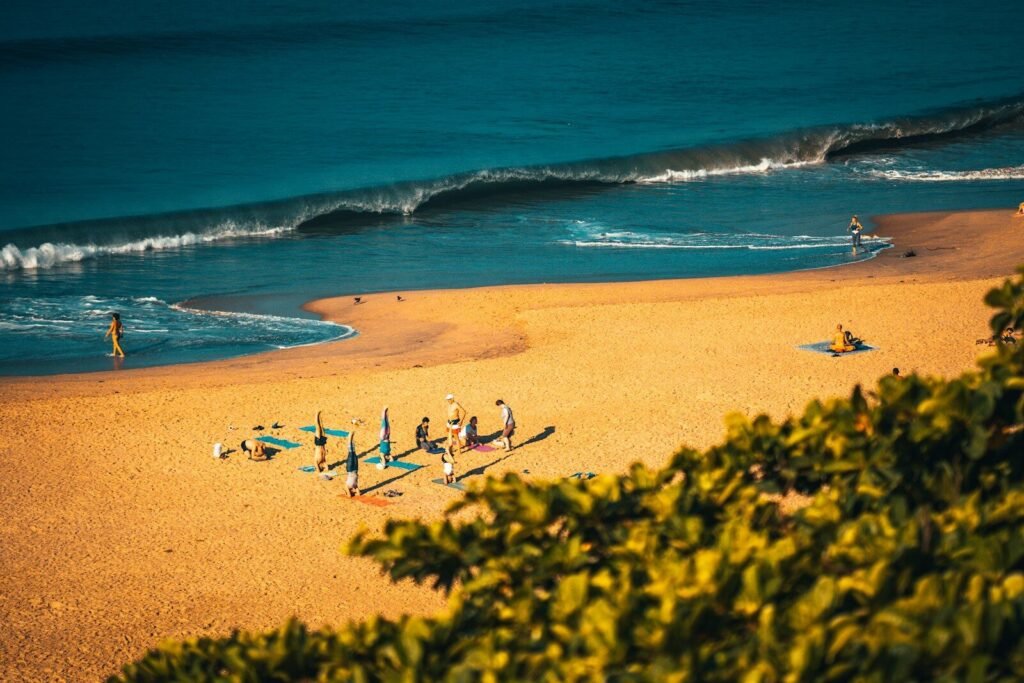
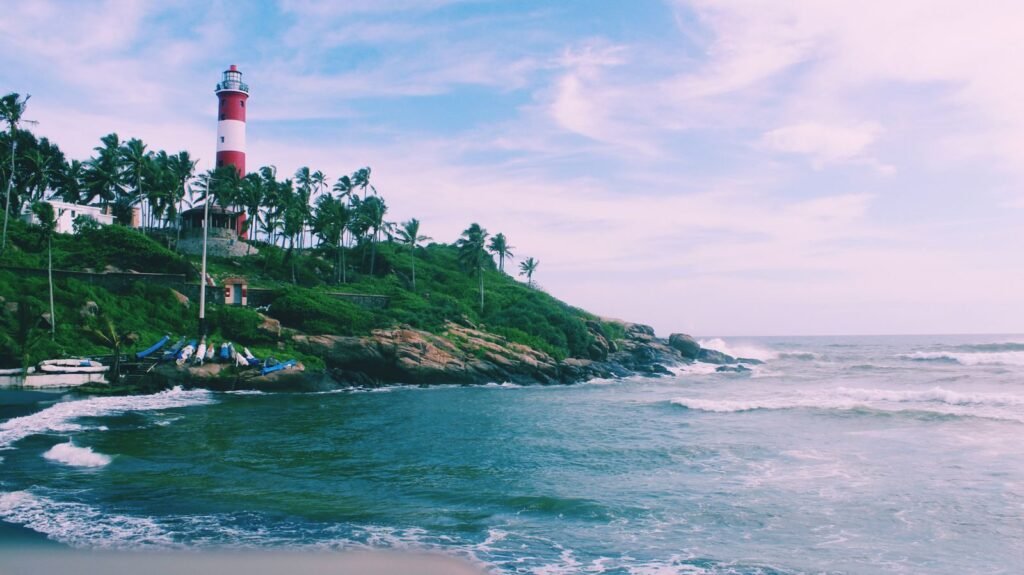
Hawa Beach is known for its relatively quieter shores compared with the adjacent Lighthouse Beach, a gentle sea suitable for swimming and sunbathing, and a long beachfront road studded with cafes, small hotels and shops. The proximity to the lighthouse — a prominent visual marker for Kovalam — and the clustering of Ayurvedic clinics and yoga centers give Hawa Beach a mixed identity: part traditional coastal village, part wellness- and leisure-oriented destination.
Tourism has reshaped livelihoods along Hawa Beach. While fishing and agriculture remain important, many residents have diversified into guesthouse operations, restaurants, guide services and wellness tourism employment. This diversification has brought higher incomes for some, but also introduced economic vulnerabilities linked to seasonal demand and external shocks (for example, economic downturns or travel restrictions).
The growth of tourism prompted investments in roads, utilities and hospitality infrastructure. Small hotels, boutique resorts and commercial establishments changed the coastline’s physical landscape. At the same time, unplanned expansion and pressure on local services have occasionally strained resources and altered the village aesthetic.
Like many popular beaches worldwide, Hawa Beach faces environmental pressure from increased footfall, construction close to the shoreline, and the natural dynamics of coastal erosion. Shoreline stabilization measures, the management of solid waste and protection of dune and mangrove habitats are ongoing concerns for local authorities and communities.
In response to environmental and social pressures, there have been efforts toward more sustainable forms of tourism in and around Kovalam. These include:
The primary challenge for Hawa Beach is balancing continued economic benefits from tourism with the need to preserve coastal ecology and local culture. Proper planning, enforcement of coastal regulation, and stakeholder engagement (including fisherfolk, hoteliers and government agencies) are essential to this balance.
Hawa Beach can leverage Kerala’s strong brand in wellness and cultural tourism by promoting low-impact, high-value experiences: professionally regulated Ayurvedic programs, cultural tours that respect local customs, and small-scale, community-led hospitality that prioritizes environmental stewardship.
Hawa Beach is easily accessible from Thiruvananthapuram, which is the nearest major city and transport hub. Visitors typically reach the area by road from the city, or via Thiruvananthapuram International Airport and the railway station. The beach’s proximity to the city helped its early development as a tourist destination and continues to benefit visitors today.
The most popular period for visitors is the cooler, drier months from October to March. During monsoon months (June–September), heavy rains and rough seas limit beach activities but are a traditional time for Ayurvedic therapy, which many visitors choose to experience in quieter months. Visitors are encouraged to respect local customs, avoid littering, and seek permission before photographing people engaged in traditional livelihood activities.
Hawa Beach in Kovalam exemplifies how a small fishing coastline transformed into an internationally recognized tourist destination over the 20th century, without losing entirely its traditional roots. Its history is a layered one: maritime and agricultural past, gradual infrastructural connections, the influx of domestic and international visitors, and the rise of wellness tourism. Going forward, securing Hawa Beach’s future depends on sustainable planning, community participation and a conscious effort to maintain the living cultural and ecological systems that originally made the place attractive.
Understanding Hawa Beach’s history within the broader narrative of Kerala’s coastal development helps tourists and planners alike appreciate the interplay of culture, environment and economy. When visitors come with awareness of that history, their presence can contribute to preservation as well as enjoyment.
What makes us different from other tour package companies
Our travel experts have core and intense knowledge about Kerala sector with over 10 years of experience that will help you choose the best possible itinerary as per your requirements.
Our travel experts are just one call away during your tour to help you with any kind of immediate assistance so that your tour is a more enjoyable and hassle-free tour.
eTourismKerala ensures best rates to all our esteemed guests since we have our own hotels and fleet of vehicles and drivers and there is no third-party involvement. This ensures personalized service and best rates.




















Kindly enter the details below for your Kerala Tour Package