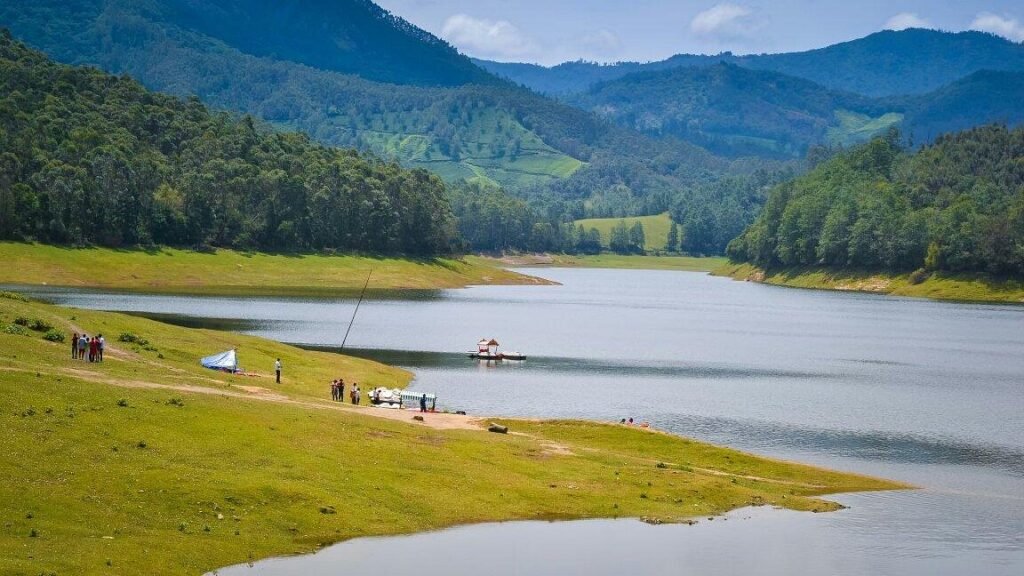
Nestled in the emerald hills of the Western Ghats, Kundala Lake is one of Munnar’s most photographed and visited water bodies. Though today it is celebrated as a scenic tourist spot with pedal boating, manicured lawns and tea-clad slopes, Kundala Lake also embodies layers of history: colonial landscape change, early infrastructure projects, and the gradual transformation of a hill economy around tea and tourism.
To understand Kundala Lake, it helps to view it within the broader history of Munnar and the high ranges of Kerala. The high-altitude valleys and plateaus of this region were sparsely inhabited by indigenous communities and characterized by shola-grassland mosaics before large-scale changes began under colonial influence.
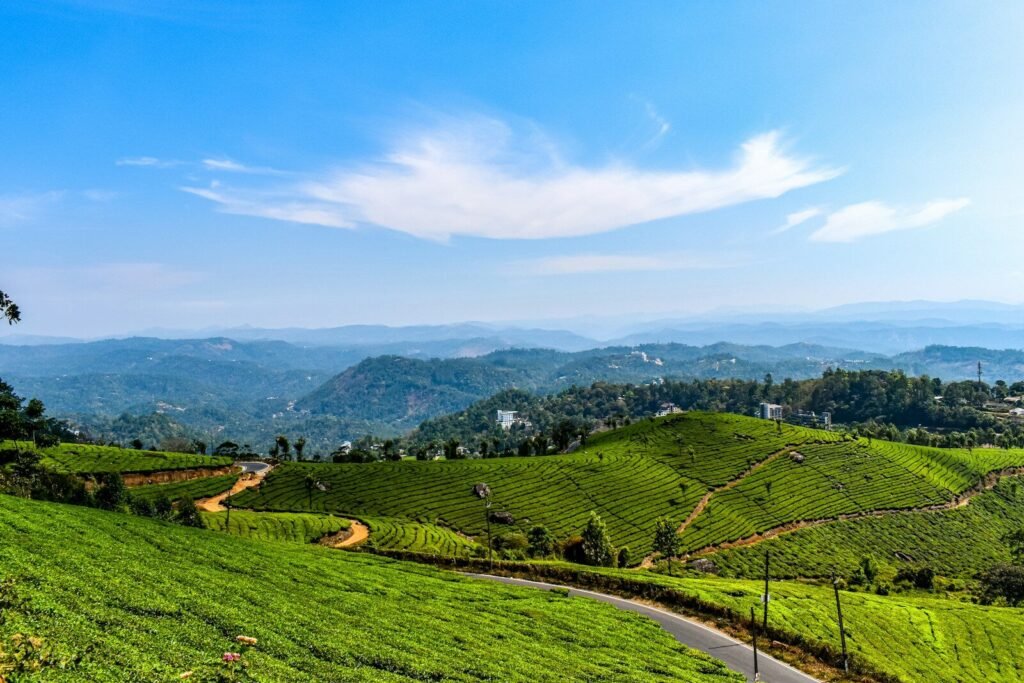
During the late 19th and early 20th centuries, British planters recognized the cool climate and fertile soils of the Munnar region as suitable for commercial tea cultivation. Vast tracts of native forest were cleared and converted into tea estates. This shift required not only labor and transportation networks but also water management measures to sustain plantations and newly established settlements.
Kundala Lake is an artificial reservoir created by impounding local streams and building a small dam to form a stable water body in the Kundala Valley. The lake and dam served practical plantation needs—storing water for estate use and regulating flow—and later became part of small-scale hydro and irrigation schemes in the hills.
The high ranges of Kerala saw some of the earliest hydroelectric and water-resource initiatives in the state because of their steep gradients and perennial streams. Reservoirs like Kundala were integrated into a network of water management that supported estates, local settlements and, over time, small power and irrigation projects. While these interventions helped transform the landscape into a productive agricultural zone, they also altered natural hydrological patterns and local ecosystems.
With the decline of exclusive colonial administration and the growth of domestic mobility in the 20th century, Munnar evolved into a hill-station destination. Kundala Lake transitioned from a primarily utilitarian reservoir to a focal point for recreation and scenic enjoyment.
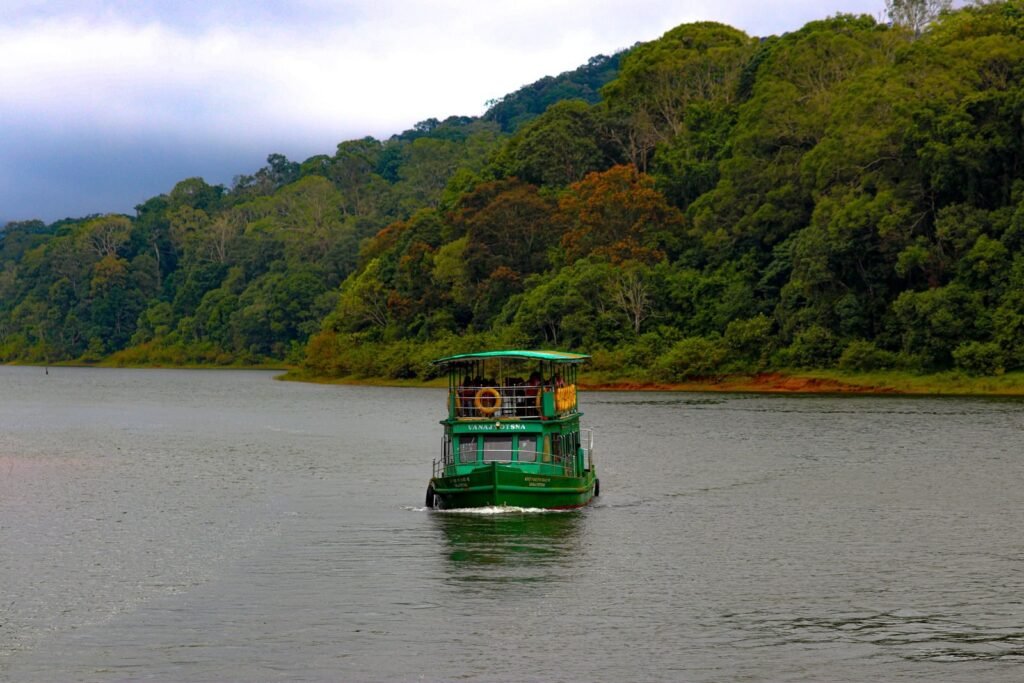
Visitors were initially attracted to Munnar for its cool climate and views over rolling tea gardens. Kundala, with its placid waters and surrounding lawns, naturally appealed to visitors seeking leisurely walks, picnic spots and boat rides. Over decades, small-scale tourist amenities—boating facilities, landscaped parks and viewpoints—were developed around the lake.
Today Kundala Lake is a regular stop on the Munnar tourist circuit. Typical amenities include:
Kundala Lake is not only a scenic site but also a reminder of layered histories—indigenous occupation, colonial economic transformation and post-independence tourism growth. The lake and its surroundings stand as a living landscape where:
Visitors to Kundala Lake can expect panoramic hill views fringed with tea gardens, gently undulating slopes and a calm water surface ideal for reflective photography. Popular activities include:
The region is pleasant year-round, but the most comfortable months for sightseeing are generally the dry months when access is easier and skies are clearer. The monsoon months can be dramatic and lush but may reduce boating operations and make some roads slippery. Visitors should check local conditions, especially during heavy rains.
As Kundala Lake’s popularity has grown, so have pressures associated with tourism and land use. Key concerns include:
Promoting sustainable tourism practices is essential. Recommendations commonly advocated by conservation-minded groups and planners include:
Effective interpretation can deepen the tourist experience at Kundala Lake by linking the landscape to its historical narratives:
Kundala Lake epitomizes how landscapes are shaped by both nature and human history. Its calm waters reflect not only the sky and tea slopes but also a narrative of colonial-era transformation, local livelihoods and evolving tourism priorities. For visitors, the lake offers aesthetic pleasure and recreation; for planners and communities, it presents an opportunity to balance heritage interpretation, ecological stewardship and sustainable tourism development. Approached thoughtfully, Kundala can continue to enchant visitors while preserving the environmental and cultural fabric that makes it unique.
What makes us different from other tour package companies
Our travel experts have core and intense knowledge about Kerala sector with over 10 years of experience that will help you choose the best possible itinerary as per your requirements.
Our travel experts are just one call away during your tour to help you with any kind of immediate assistance so that your tour is a more enjoyable and hassle-free tour.
eTourismKerala ensures best rates to all our esteemed guests since we have our own hotels and fleet of vehicles and drivers and there is no third-party involvement. This ensures personalized service and best rates.
























Kindly enter the details below for your Kerala Tour Package