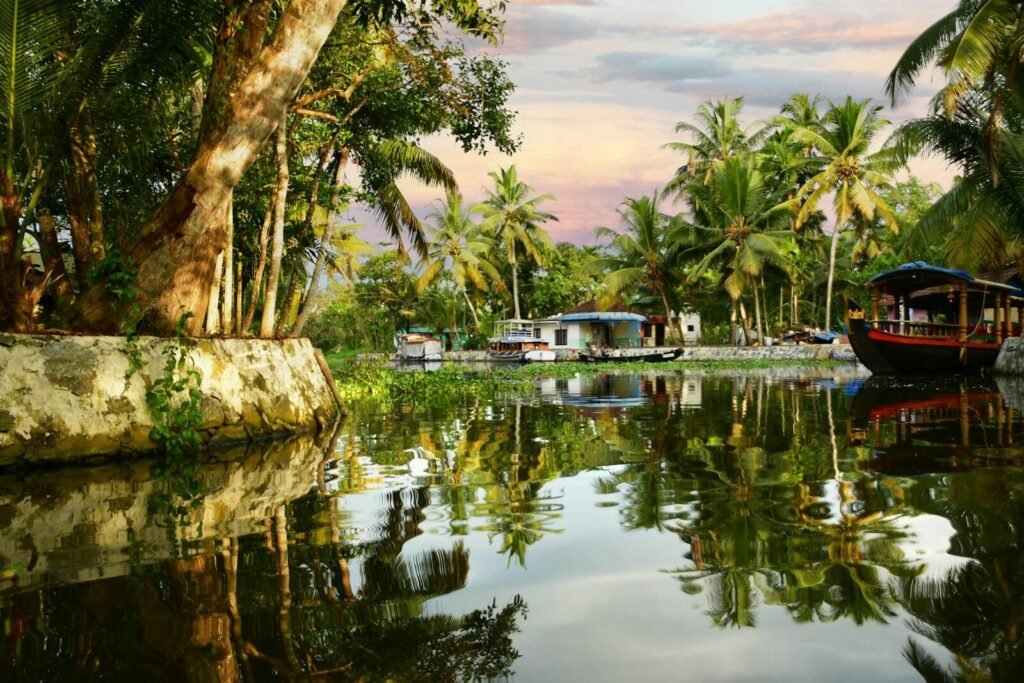
Kuzhupilly Beach, Cherai: A Historical Perspective on Tourism
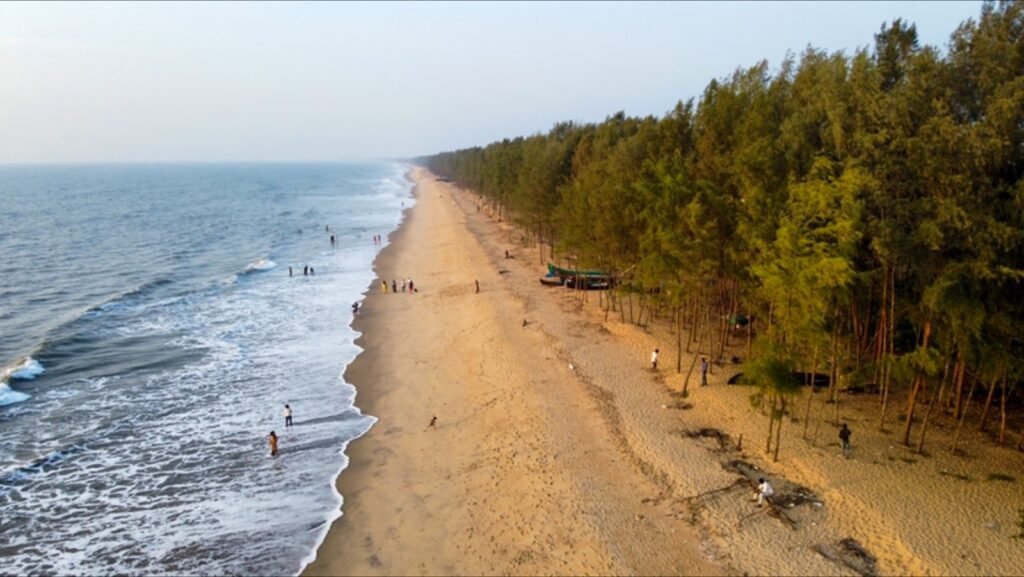
Kuzhupilly Beach is a small coastal hamlet located on Vypin (Vypeen) Island, adjacent to the better-known Cherai Beach, in Ernakulam district of Kerala, India. While Cherai draws the bulk of mass tourism in the area, Kuzhupilly has its own layered history — rooted in maritime livelihoods, colonial-era changes to the Kerala coast, and the gradual transformation of Kerala’s shoreline into a tourism landscape. This article traces that history and places Kuzhupilly within the broader context of coastal tourism, cultural continuity, and contemporary sustainability challenges.
Geographical and Historical Setting
Kuzhupilly lies on Vypin, a long narrow island that forms part of the archipelago created by shifts in the coastline and waterways of the central Kerala backwater region. The history of this coastline is closely tied to major environmental and economic events:
- The great flood and coastal reconfiguration (1341): Historical sources describe a major flood in the 14th century that altered the mouth of the Periyar River and transformed the shoreline, contributing to the emergence and reshaping of islands and tidal flats along the Ernakulam coast. These changes played a role in the formation and evolving character of Vypin Island.
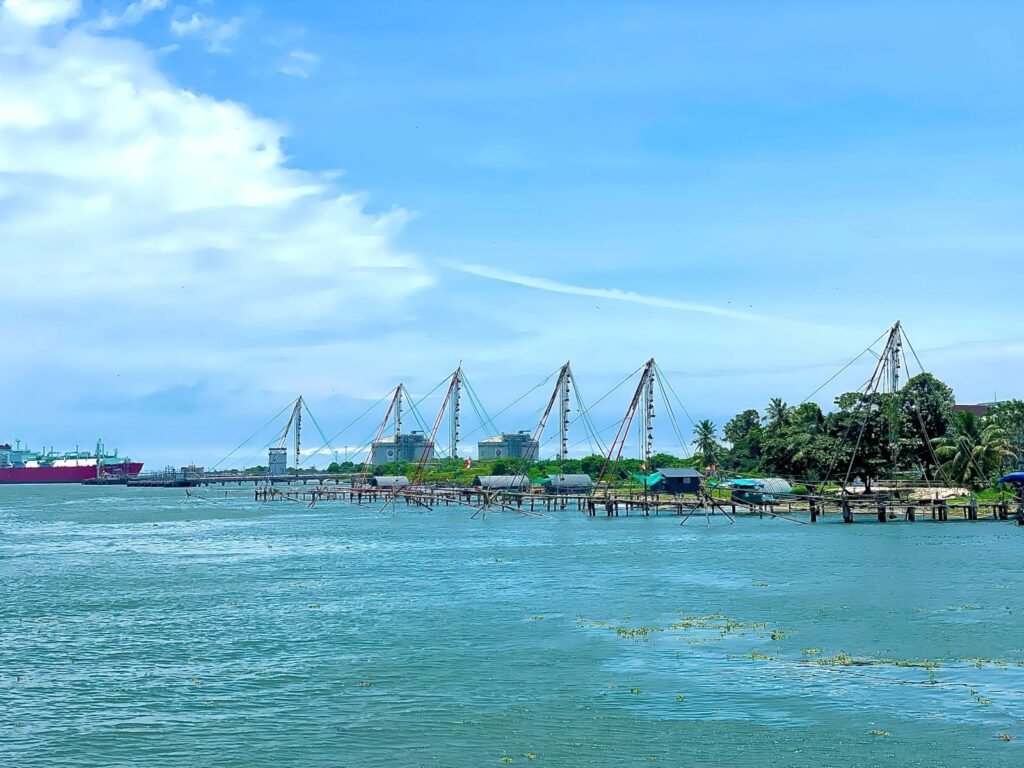
- Maritime trade and fishing traditions: Long before modern tourism, the people of Vypin — including Kuzhupilly — sustained themselves through fishing, coir-making, small-scale salt production, and coastal trade. The proximity to Kochi (Cochin) meant integration into wider trade networks.
Colonial Era Influences
The wider Kochi region experienced sustained contact with European maritime powers from the late 15th century onward. Portuguese, Dutch, and later British presence in and around Kochi shaped economic patterns, port infrastructure, and the movement of people. While Kuzhupilly itself remained primarily a local fishing and farming settlement, colonial-era developments in nearby Kochi influenced:
- the local economy through changing trade routes,
- the demand for marine resources, and
- the introduction of administrative and transport linkages that later facilitated visitor access.
Post-Independence Changes and the Rise of Coastal Tourism
After Indian independence (1947) and with Kerala’s social and economic changes in the subsequent decades, the coast of Ernakulam — and Cherai in particular — began to attract attention as a scenic retreat. Several factors contributed to the gradual rise of tourism in and around Kuzhupilly:
- Improved transport: Road links, ferry services to Kochi mainland, and the expansion of Kochi as a commercial and cultural hub made the Vypin coast more accessible.
- Kerala’s tourism branding: From the late 20th century Kerala marketed its beaches, backwaters, ayurveda, and cultural attractions, bringing domestic and international visitors to beaches like Cherai and neighboring hamlets.
- Local entrepreneurship: Fishing families diversified income through small homestays, beachside kiosks, and services tailored to visitors (boat rides, guided walks, simple eateries).
Kuzhupilly’s Transition: From Fishing Hamlet to Quiet Tourism Spot
Unlike major beaches that developed heavy resort infrastructure, Kuzhupilly retained much of its village character while accommodating a modest flow of visitors. Key themes in this transition include:
- Complementary tourism: Visitors to Cherai often explore adjacent stretches of the coast like Kuzhupilly for quieter walks, birdwatching, and observing fishing practices.
- Community-based offerings: Local hospitality — simple homestays, fresh seafood, and guided interactions with fishermen — became part of the attraction.
- Cultural continuity: Traditional livelihoods, festivals, and temple/church-related rituals continued alongside tourism activity, giving Kuzhupilly a lived-in authenticity that many visitors seek.
Tourism Attractions and Experiences near Kuzhupilly
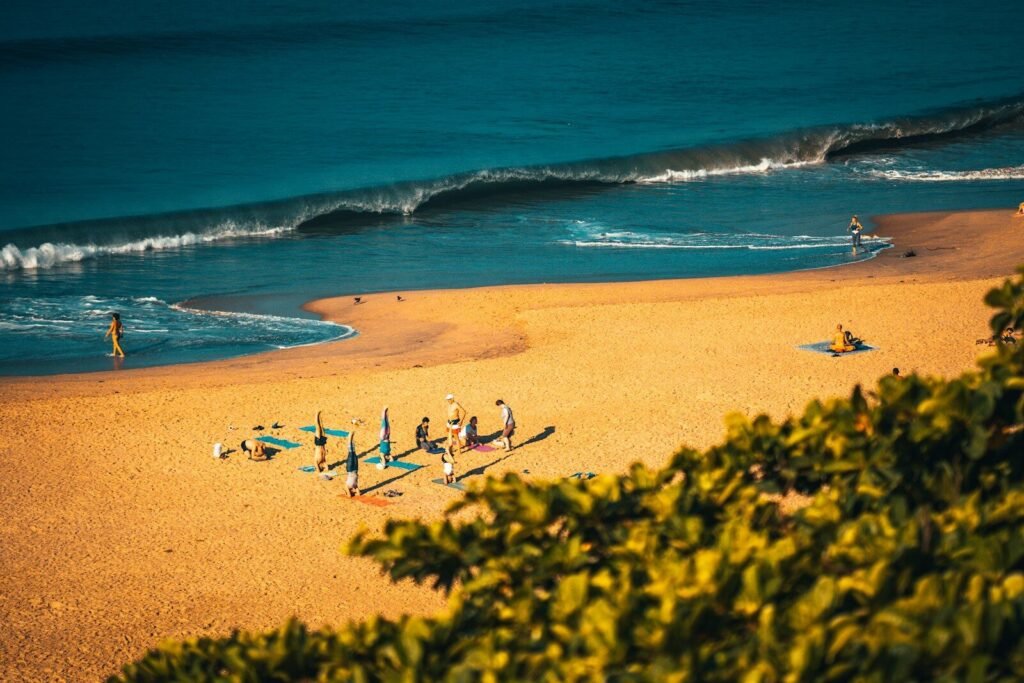
- Beach walks and sunrise/sunset viewing: The coastline provides scenic vantage points with fewer crowds than mainstream beaches.
- Fishing village life: Observing or participating (respectfully) in morning fish landings, net-mending, and local markets.
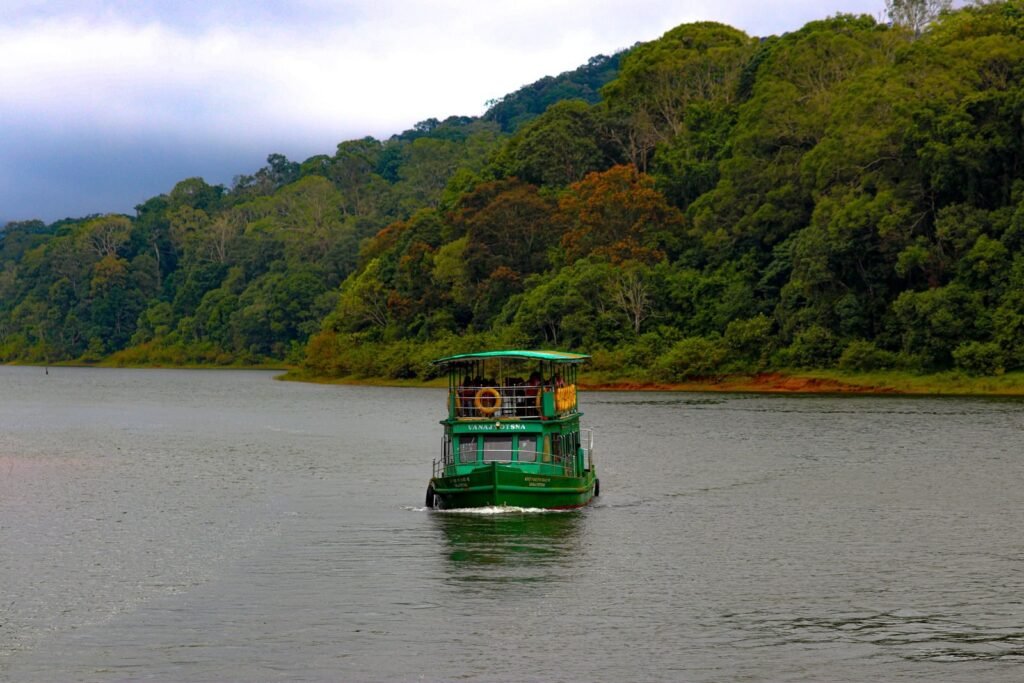
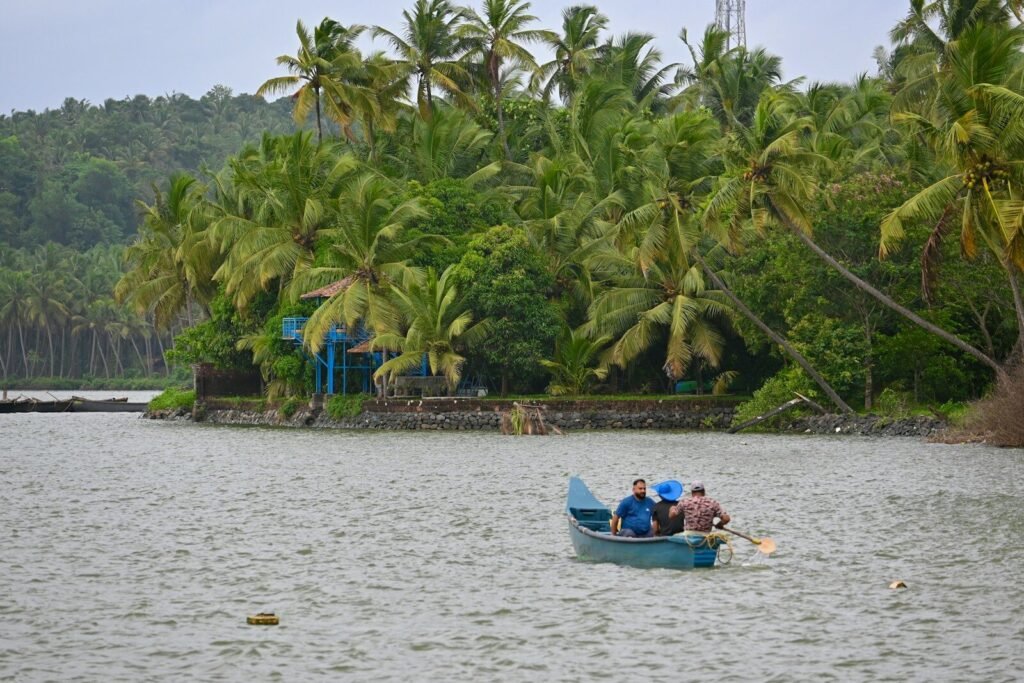
- Backwater excursions: Short boat trips into the Vembanad-Cherai backwater system, exploring mangroves and birdlife.
- Birdwatching: Migratory and resident waterbirds frequent the lagoons and mudflats, especially in the monsoon-post-monsoon months.
- Local cuisine and homestays: Fresh seafood, coconut-based dishes, and authentic Kerala homestay experiences.
Timeline: Key Milestones Affecting Kuzhupilly and Surrounding Coast
- Pre-14th century: Indigenous coastal settlements and maritime activity along the Kerala coast.
- 14th century: Major flood events alter river mouths and shoreline morphology, influencing island formation.
- 16th–18th centuries: European colonial influence centered on Kochi affects regional trade and administration.
- 20th century: Gradual modernization, improved transport, and Kerala’s development policies increase coastal accessibility.
- Late 20th – early 21st century: Tourism expansion in Cherai and adjacent hamlets; local communities in Kuzhupilly engage with visitor services and homestays.
Cultural and Social Dimensions
Kuzhupilly’s historical identity has been shaped by a mix of maritime culture, religious traditions, and community resilience. Even as tourism introduced new income streams and cross-cultural contact, local festivals, boat-related rituals, and a rhythm governed by tides and monsoons remain important. Responsible visitors often cite the warmth of local hosts and the authenticity of village life as highlights of their stays.
Environmental and Development Challenges
The appeal of Kuzhupilly and nearby beaches also brings pressures. Major concerns include:
- Coastal erosion and sea-level rise: Shoreline change threatens infrastructure and traditional landing sites.
- Waste and pollution: Increased visitor numbers can lead to plastic litter and pressure on local solid-waste systems.
- Habitat disturbance: Unregulated boat traffic and human presence can disturb birds and marine life.
- Unplanned development: Construction without adequate planning can degrade dunes, mangroves, and groundwater recharge zones.
Community and Policy Responses
- Local panchayats and resident groups have increasingly taken part in beach clean-ups and awareness campaigns.
- Small-scale eco-tourism and homestay initiatives aim to provide livelihoods while keeping visitor numbers manageable.
- Calls for integrated coastal zone management emphasize erosion mitigation, habitat protection, and regulated development.
Best Practices and Recommendations for Tourism at Kuzhupilly
- Respect local life: Observe fishing operations and rituals from a distance unless invited to participate.
- Minimize waste: Carry reusable water bottles and avoid single-use plastics; use designated disposal points.
- Support local businesses: Choose locally run homestays, eateries, and guides to keep benefits in the community.
- Follow seasonal guidelines: Be mindful of nesting or migratory bird seasons and any local advisories on coastal safety.
- Engage in low-impact activities: Walking, guided birdwatching, and responsible boating are preferable to large-scale motorized recreational activities.
Concluding Reflections: Heritage, Tourism, and the Future
Kuzhupilly Beach, in the shadow of Cherai’s wider popularity, offers a microcosm of Kerala’s coastal history: a landscape formed by natural forces, shaped by centuries of maritime life, touched by colonial eras, and now negotiating the opportunities and risks of modern tourism. The future of Kuzhupilly as a tourism destination will depend on balancing economic opportunity with environmental stewardship and cultural respect. If managed thoughtfully, Kuzhupilly can continue to offer visitors an intimate encounter with Kerala’s coastal heritage while sustaining the livelihoods and traditions of its people.
Practical Information for Visitors (short)
- Access: Reachable via road and local ferry services from Kochi; nearest urban node is Vypin Island and Cherai.
- Best time to visit: Post-monsoon to winter months (roughly October–February) for pleasant weather and birdlife.
- What to bring: Sun protection, footwear suitable for sandy and rocky stretches, water bottle, and a respectful attitude toward local life.