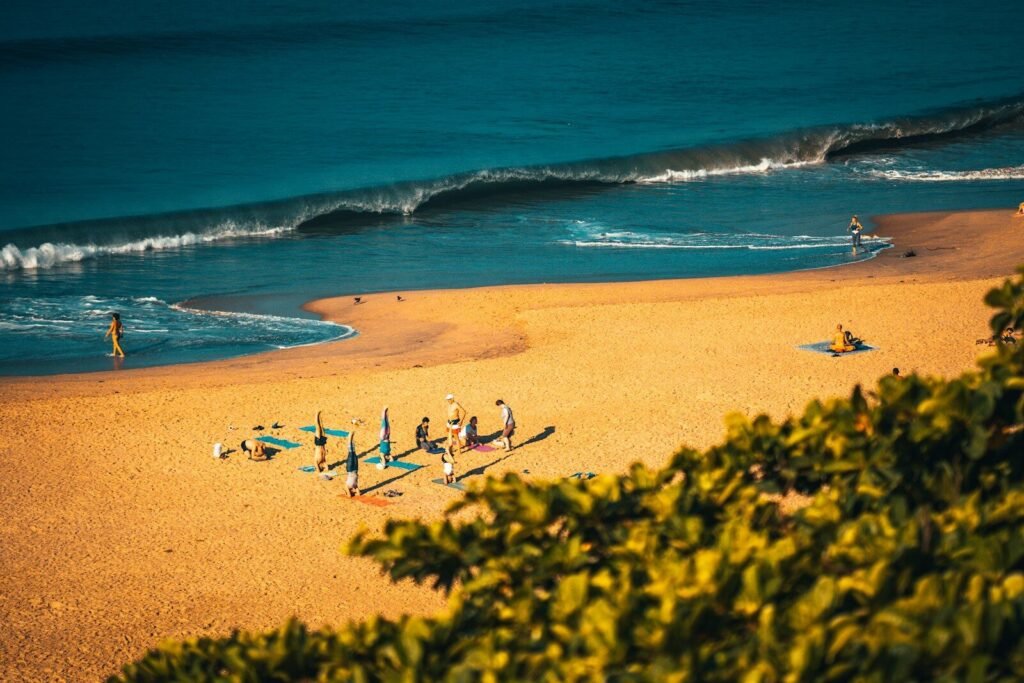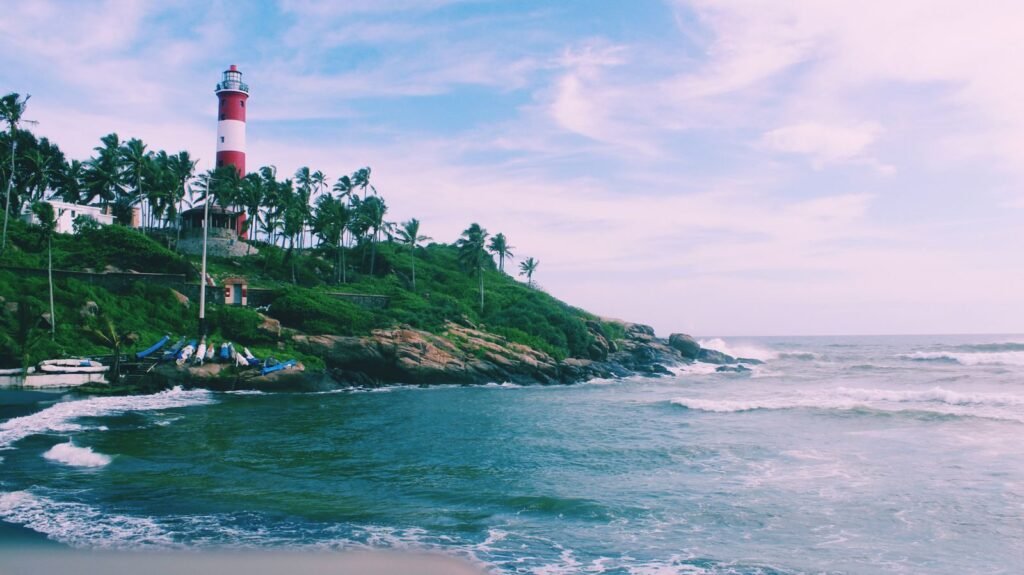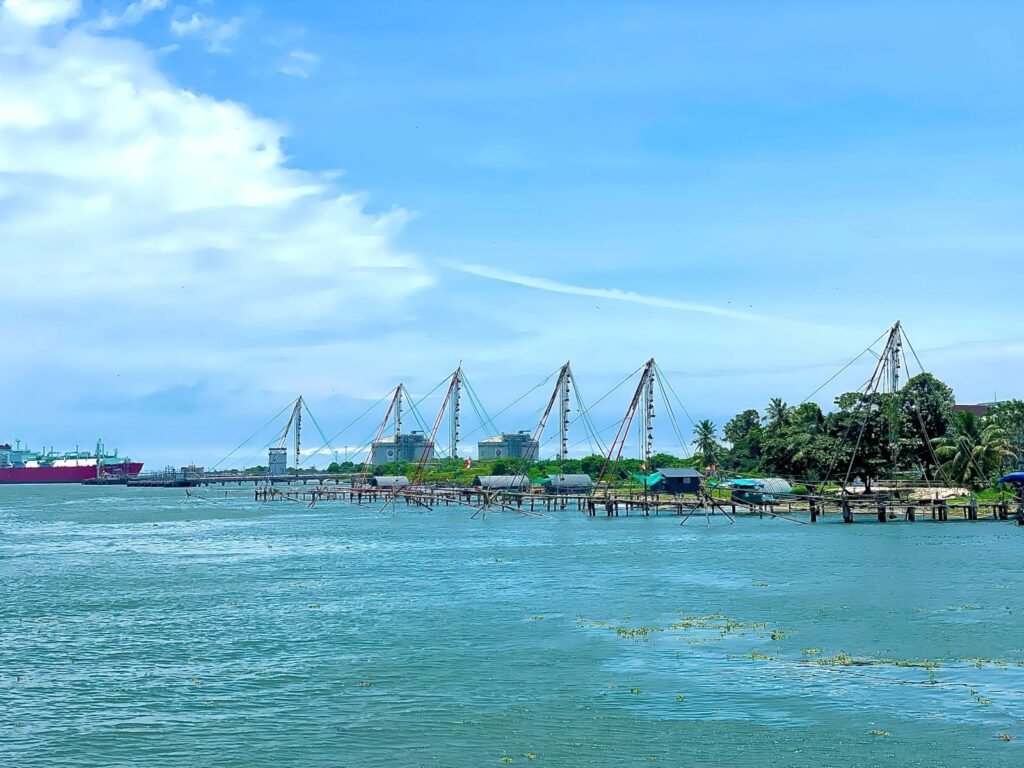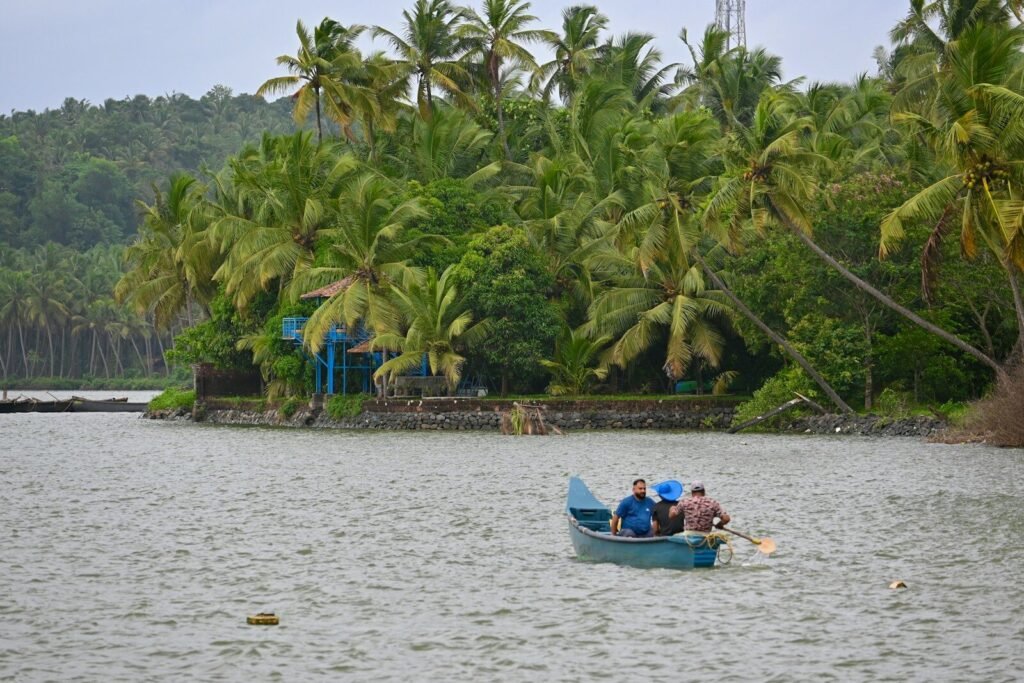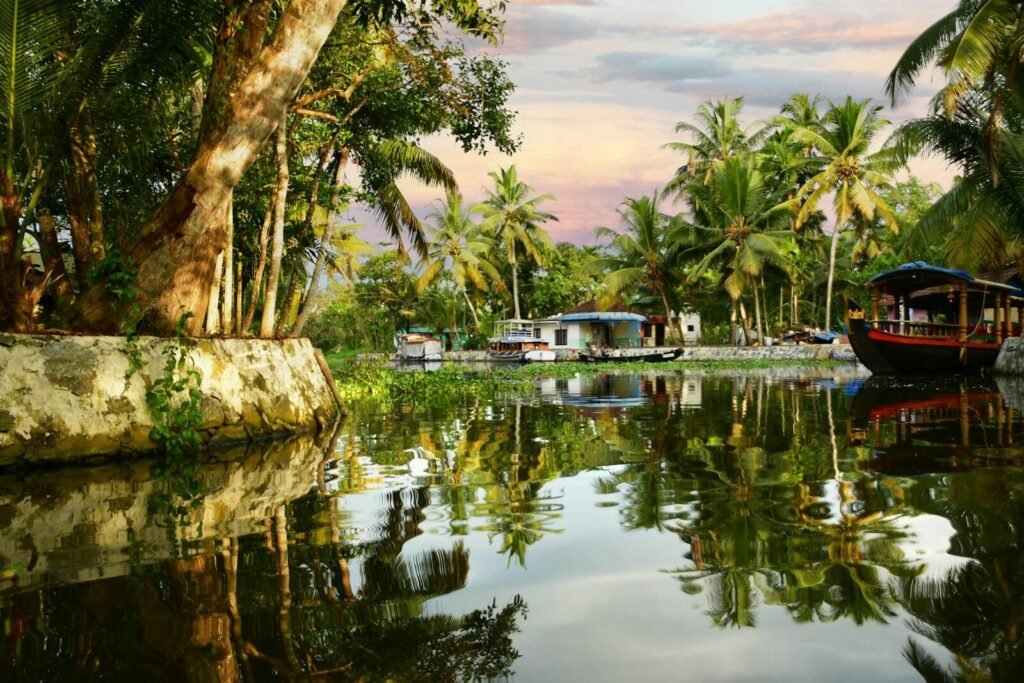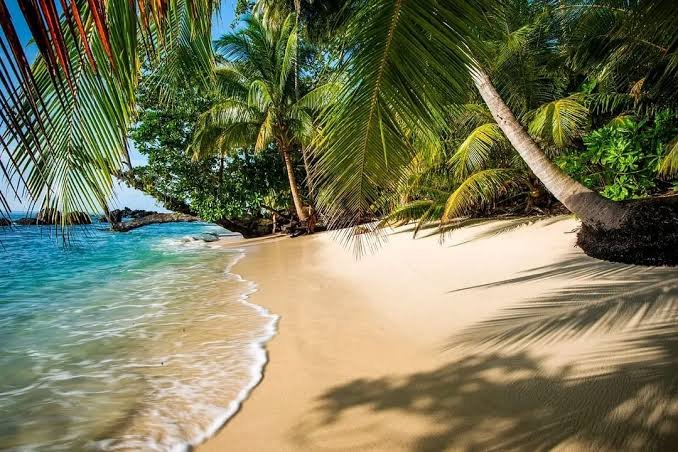
Nestled on the Malabar Coast in the Alappuzha (Alleppey) district of Kerala, India, Marari Beach (near the village of Mararikulam) today is known as a quiet, coconut-fringed sandy shoreline favored by travelers seeking a quieter alternative to busier Kerala destinations. Behind this serene surface lies a layered history that links ancient maritime trade, local coastal livelihoods, the rise and transformation of Alappuzha as a trading hub, and the modern evolution of tourism driven by backwaters, Ayurveda and low-impact beach stays.
The tourist character of Marari Beach is shaped by its past: the traditional fishing economy, coir and boat-building skills passed down generations, the canal-and-lagoon landscape of the Alappuzha backwaters, and the colonial-era trade networks that connected Kerala to the world. Understanding this history helps explain what visitors experience today — the cultural rhythms, the built environment, festivals, cuisine and community attitudes toward visitors and conservation.
The Kerala coast has been part of India’s maritime trade for millennia. From ancient times, ports along the Malabar Coast were nodes for the spice trade, attracting merchants from the Mediterranean, Arabia and later Southeast Asia. While Marari itself was not a major port, the coastal villages and lagoons in the Alappuzha region participated in this wider maritime economy — supplying goods (including spices, coir and fish) and serving as waypoints for coastal navigation.
Mararikulam and neighbouring villages traditionally combined coconut cultivation, rice farming in the wetland belts, and fishing in the Arabian Sea and backwaters. The physical landscape — long stretches of sand, protective dunes, and an intricate network of canals and lagoons — shaped livelihoods. Small temples, community festivals and folk arts (music, boat songs) structured social life and became part of the cultural assets later appreciated by tourists.
The broader Alappuzha area developed as a significant coastal and inland-waterway trade centre in the early modern period. Canals and inlets connected rice-growing hinterlands with the coast, enabling the movement of agricultural produce and coir products. The growth of the coir industry — processing coconut husks into rope and fibre — became a defining economic activity of the district and shaped many coastal communities around Marari.
European colonial activity along the Kerala coast (Portuguese, Dutch and later the British) reshaped trade patterns and port prominence. While major colonial centers attracted forts and administrative structures, the maritime and backwater systems of Alappuzha remained important for local commerce and transport. The period also saw development of boat-building skills and continued growth of coir processing as an export commodity.
In the 20th century, improved transport links, changes in agricultural practices and fluctuations in export markets altered coastal economies. Many coastal villages experienced out-migration for work, but traditional skills — fishing, boat-building and coir-making — persevered, adapting to new markets. Alappuzha’s backwaters began to be appreciated for their scenic and cultural value, a precursor to the houseboat tourism boom that would transform the region after Indian independence.
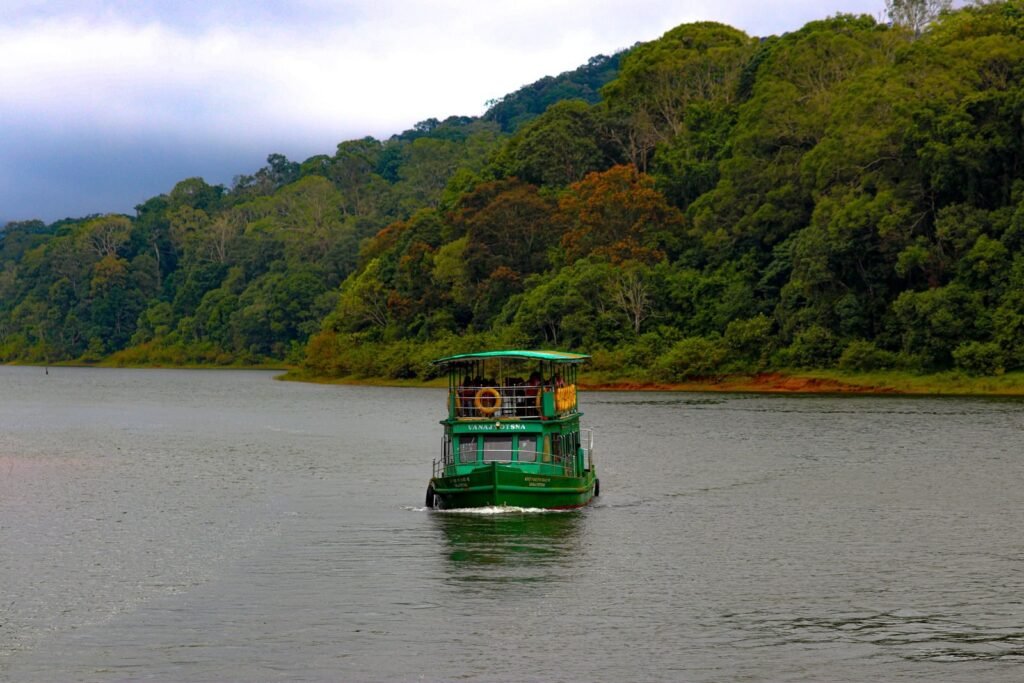
From the 1970s onward, the Kerala backwaters — with Alleppey as a focal point — attracted foreign and domestic tourists. The invention and commercialization of the “kettuvallam” houseboat as a leisure product converted traditional rice barges into floating hotels. This created both opportunities and pressures: livelihoods diversified into hospitality, but environmental concerns about waste, water quality and overuse of fragile ecosystems also emerged.
Marari Beach rose in prominence as tourists sought quieter, more authentic coastal experiences than those offered by more commercial beaches. Small resorts, homestays and responsible-tourism initiatives positioned Marari as an alternative that emphasized local culture, nature and low-density beach stays. Ayurveda centres, yoga retreats and eco-conscious accommodation became part of Marari’s tourist offer.
Tourism at Marari is not only about sun and sand: it is interwoven with the historical skills and cultural expressions of the coastal communities.
As Marari became a tourist destination, attention turned to managing impacts and retaining the authenticity that attracted visitors:
Marari Beach is a contemporary tourist destination whose appeal springs from deep historical roots — a coastline shaped by centuries of maritime contacts, a culture sustained by fishing and coir crafts, and a landscape integrated with the backwaters that have long defined the Alappuzha region. The modern tourism story here is one of adaptation: traditional communities have leveraged their living heritage to create visitor experiences while facing the twin tasks of conserving fragile environments and maintaining cultural integrity. For the mindful traveler, Marari offers not only relaxation but an accessible window into the coastal history of Kerala and the living traditions that continue to define it.
What makes us different from other tour package companies
Our travel experts have core and intense knowledge about Kerala sector with over 10 years of experience that will help you choose the best possible itinerary as per your requirements.
Our travel experts are just one call away during your tour to help you with any kind of immediate assistance so that your tour is a more enjoyable and hassle-free tour.
eTourismKerala ensures best rates to all our esteemed guests since we have our own hotels and fleet of vehicles and drivers and there is no third-party involvement. This ensures personalized service and best rates.















Kindly enter the details below for your Kerala Tour Package