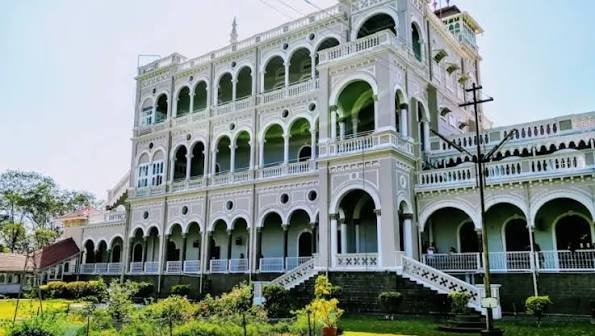
Mattancherry Palace

History

Mattancherry Palace (Dutch Palace), Kochi: A Historical and Touristic Overview

Mattancherry Palace, popularly known as the Dutch Palace, is one of Kochi’s most visited heritage monuments. Located in the historic Mattancherry area of Kochi (Cochin), Kerala, the palace is a compact yet richly decorated example of Kerala temple architecture infused with European influences. Today it functions as a public museum and a major stop on cultural heritage tours of Fort Kochi and Jew Town.

Historical Background

Origins and Portuguese Period

The palace was originally built in 1555 by the Portuguese shortly after they established a foothold in the Malabar Coast. It was constructed as a present to the ruling Raja of Cochin and served as a royal residence and reception pavilion. The Portuguese involvement explains some of the European stylistic imprints visible in the building.

Dutch Renovation and Later History

In 1663 the Dutch defeated the Portuguese in the region and took over influence in Cochin. They renovated and maintained the palace; as a result the building became popularly known as the Dutch Palace, a name that persists despite its Portuguese origins. Over centuries it functioned as part of the royal complex, housing treasures, portraits of the Cochin rulers, and ceremonial objects.

Post-Independence Transformation

After Indian independence and the reorganization of princely states, the palace came under the administration of the Government of Kerala and was opened to the public as a museum. Several conservation and restoration efforts over the 20th and 21st centuries have sought to preserve its murals, wooden carvings, and structural fabric.

Architecture and Artistic Features

Building and Architectural Style

Mattancherry Palace is a two-storeyed structure built in the indigenous Kerala architectural tradition. Key architectural elements include:

  • Quadrangular plan around a central courtyard.
  • Sloping tiled roofs and extended eaves adapted to the tropical monsoon climate.
  • Use of laterite, timber, and traditional lime plaster; carved wooden beams and rafters.
  • Blend of local Kerala construction techniques with modest European stylistic details introduced during the colonial era.

Murals and Wall Paintings

The palace is particularly renowned for its exquisitely preserved murals, considered among the finest examples of Kerala mural painting. Painted primarily in natural pigments, the murals illustrate themes from:

  • The Ramayana — large narrative panels depicting key episodes.
  • The Bhagavata Purana and episodes from Krishna’s life (Krishnaleela).
  • Other Hindu mythological and decorative motifs.

These murals are invaluable for art-historical study and attract scholars, students, and tourists alike.

Collections and Exhibits

As a museum, Mattancherry Palace houses several categories of exhibits:

  • Royal portraits: Oil portraits of the rulers of the Kingdom of Cochin, often displayed in the upper chambers.
  • Royal regalia: Palanquins, ceremonial umbrellas, swords, and other court items.
  • Historical artifacts: Household objects, temple paraphernalia, and items reflecting local craft traditions.

Conservation, Restoration and Challenges

Preservation of the palace’s murals and timber structure requires constant attention. Conservation projects have addressed moisture ingress, salt crystallization in plaster, and biological decay of wooden elements. Key points:

  • Restoration emphasizes traditional materials and techniques to retain authenticity.
  • Ongoing challenges include urban development pressures, environmental humidity, and visitor impact.
  • Collaborations between state archaeology departments, conservation specialists, and cultural institutions have been essential.

Visitor Information and Tourism Context

Why Tourists Visit

Tourists come to Mattancherry Palace for:

  • Its celebrated murals and visual narrative of epic tales.
  • A compact, accessible introduction to Cochin’s royal past.
  • Proximity to other heritage attractions—making it a central stop on heritage walks and guided tours.

Practical Visitor Tips

  • Opening hours: The palace is typically open daily as a museum; however, days and hours can change—check official or local sources before visiting.
  • Photography: Rules may restrict flash photography inside areas with fragile murals—always follow on-site instructions.
  • Guides and interpretation: Hiring a local guide or joining a heritage walk enhances understanding of the murals and historical context.
  • Best time to visit: October to March offers pleasant weather; early morning visits are quieter and better for photography.
  • Accessibility: The historic fabric predates modern accessibility standards; visitors with mobility needs should inquire in advance about accommodations.

How to Reach Mattancherry Palace

  • Mattancherry is in the Kochi metropolitan area—about 11–12 km from Kochi International Airport (transport times vary).
  • Local options include taxis, auto-rickshaws, and app-based cab services from across Kochi.
  • Public transport (local buses) and ferry links connect nearby Fort Kochi and Willingdon Island; Fort Kochi and Jew Town are walkable from the palace.

Nearby Attractions

  • Paradesi Synagogue (Jew Town) — one of the oldest active synagogues in the Commonwealth.
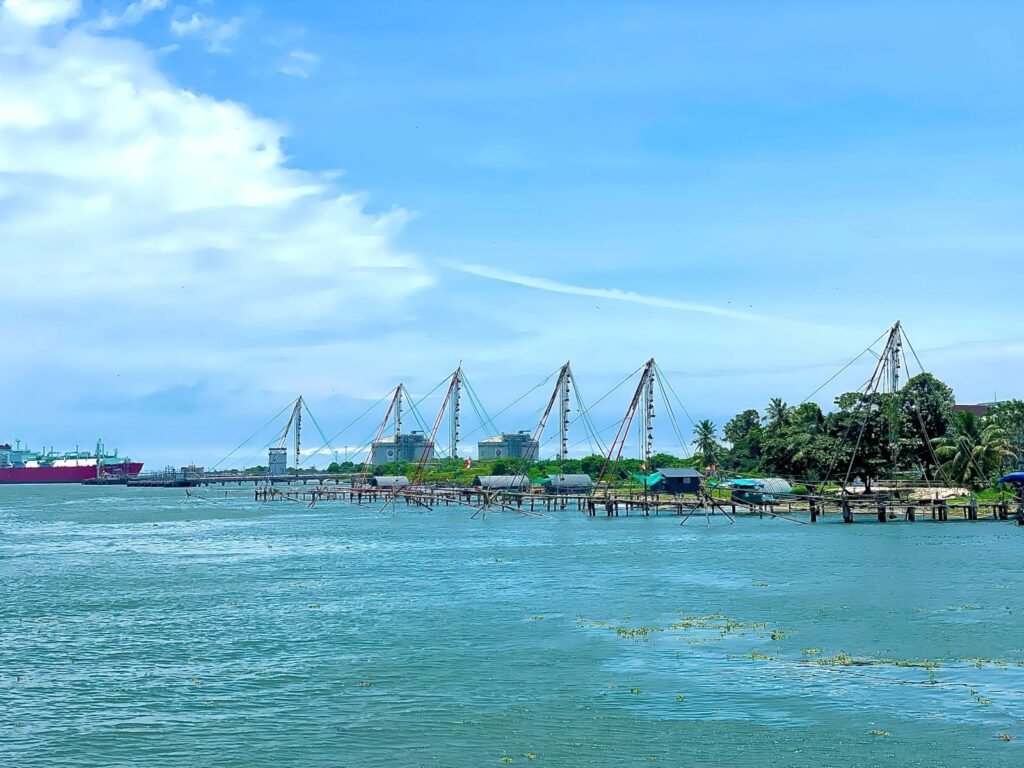
  • Fort Kochi — colonial-era streets, churches, and the famous Chinese fishing nets.
  • St. Francis Church — one of the oldest European churches in India.
  • Local spice bazaars and antique shops — lively markets around Jew Town offering spices, antiques, and handicrafts.

Significance in Cultural Heritage and Tourism

Mattancherry Palace performs multiple roles:

  • As a museum, it preserves and displays the art and artifacts of the Cochin royal household.
  • As a heritage site, it offers tangible connections to the complex history of European colonial engagement on the Malabar Coast and the local princely polity.
  • As a tourism anchor, it forms part of the broader experiential circuit that includes Fort Kochi, Jewish heritage sites, and maritime archaeology—helping visitors contextualize Kerala’s multicultural past.
Final Notes for Travelers

Mattancherry Palace is a compact yet rich repository of Kerala’s visual and royal history. For a meaningful visit, allocate time to study the murals slowly, combine the palace visit with Jew Town and Fort Kochi, and consider guided interpretation to fully appreciate narratives and architectural details. Above all, respect conservation rules so this heritage site remains intact for future generations.

Get Instant Call Back​

Which places do you want to explore in Kerala?
Kindly share your above details to get Travel Plan PDF within 30 seconds on your mobile
Please wait while we are preparing customized quotes as per your requirement.

Why Choose us ?

What makes us different from other tour package companies

Best Travel Experts

Our travel experts have core and intense knowledge about Kerala sector with over 10 years of experience that will help you choose the best possible itinerary as per your requirements.

24 X 7 On-Trip Assistance

Our travel experts are just one call away during your tour to help you with any kind of immediate assistance so that your tour is a more enjoyable and hassle-free tour.

Best Rate Guarantee

eTourismKerala ensures best rates to all our esteemed guests since we have our own hotels and fleet of vehicles and drivers and there is no third-party involvement. This ensures personalized service and best rates.


Kerala Tour Packages by Theme

Kerala Tour From Popular Cities

Limited period offer – Kerala tour packages at flat 50% discount. Inquire now!

Kindly enter the details below for your Kerala Tour Package

Loading, please wait . .. ... ....