Mattupetty Dam

History

Mattupetty Dam, Munnar — History and Tourism

Introduction

Nestled amidst the rolling tea gardens and shola forests of the Western Ghats, Mattupetty Dam is one of Munnar’s most visited landmarks. While today it is celebrated as a scenic picnic spot and boating destination, Mattupetty’s significance began with practical needs — harnessing water resources and generating power for the region. This article traces the dam’s historical origins and evolution into a major tourism attraction, and offers contextual information useful to visitors and those interested in the cultural and environmental story behind the site.

Historical Background

The story of Mattupetty Dam is set against the larger development of Munnar and the higher reaches of the Idukki and Devikulam taluks during the 20th century. As hill farming, tea planting and settlement expanded in the high ranges, the demand for power, irrigation and water management increased. In response, authorities planned and constructed water-retention works and hydroelectric projects to tap the numerous streams and rivers that descend from the Western Ghats.

Purpose and Construction

Mattupetty was conceived primarily as a water-storage structure to support hydropower generation and regulate seasonal flows for irrigation and local use. Constructed as part of regional water-resource projects, the dam created a reservoir that soon also supported fishery and livestock-related activities in the area.

The technical design, use of locally available materials, and the labour required for the project reflected both the engineering priorities of the time and the socioeconomic conditions of the region. Though the dam’s original function was utilitarian, the broad, placid reservoir and the surrounding landscape made it naturally attractive to visitors.

Impact on Local Communities

  • Livelihoods: The reservoir augmented water availability for small-scale agriculture, livestock and fisheries, which affected local subsistence and market activities.
  • Employment: Construction and subsequent maintenance generated employment for residents and influenced patterns of migration within the high ranges.
  • Cultural Landscape: The dam and reservoir changed local land use patterns and became part of the collective memory of nearby villages, integrating into seasonal festivals, markets and everyday life.

From Utility to Tourist Attraction

With Munnar’s rise as a hill-station and later as a prominent tea and nature destination, Mattupetty’s scenic character drew increasing numbers of visitors. Over a few decades the site shifted from being primarily a functional infrastructure asset to becoming a managed tourism spot offering recreational facilities.

Why Visitors Come

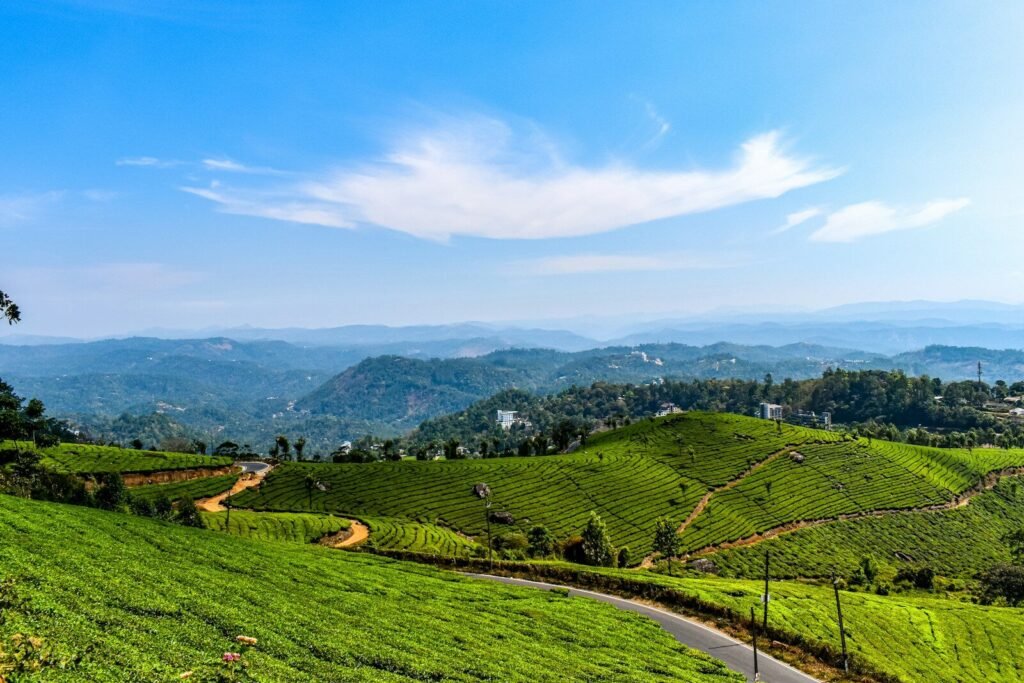
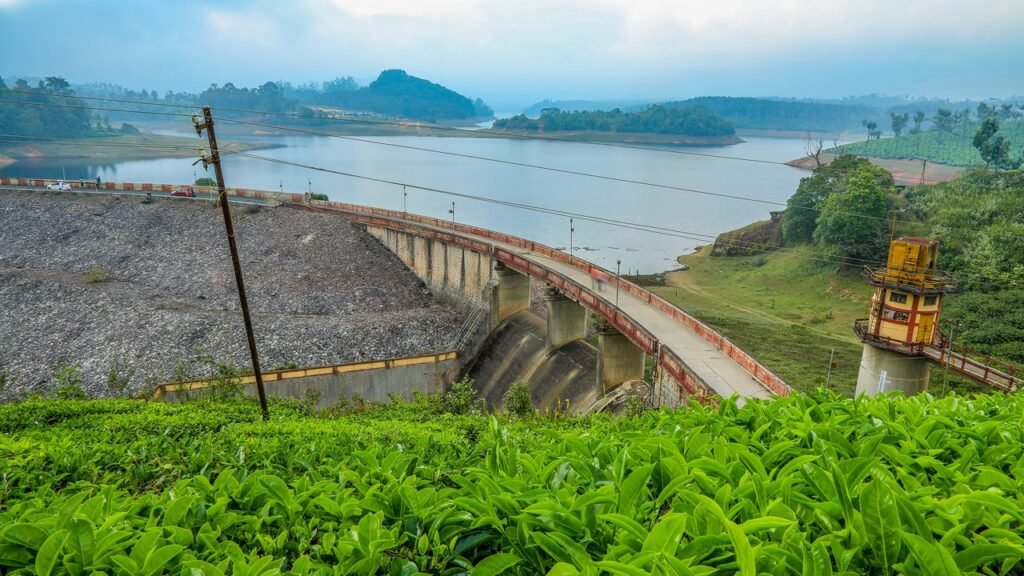
  • Scenic Views: The reservoir framed by tea slopes, eucalyptus groves and shola patches provides panoramic views valued by photographers and nature lovers.
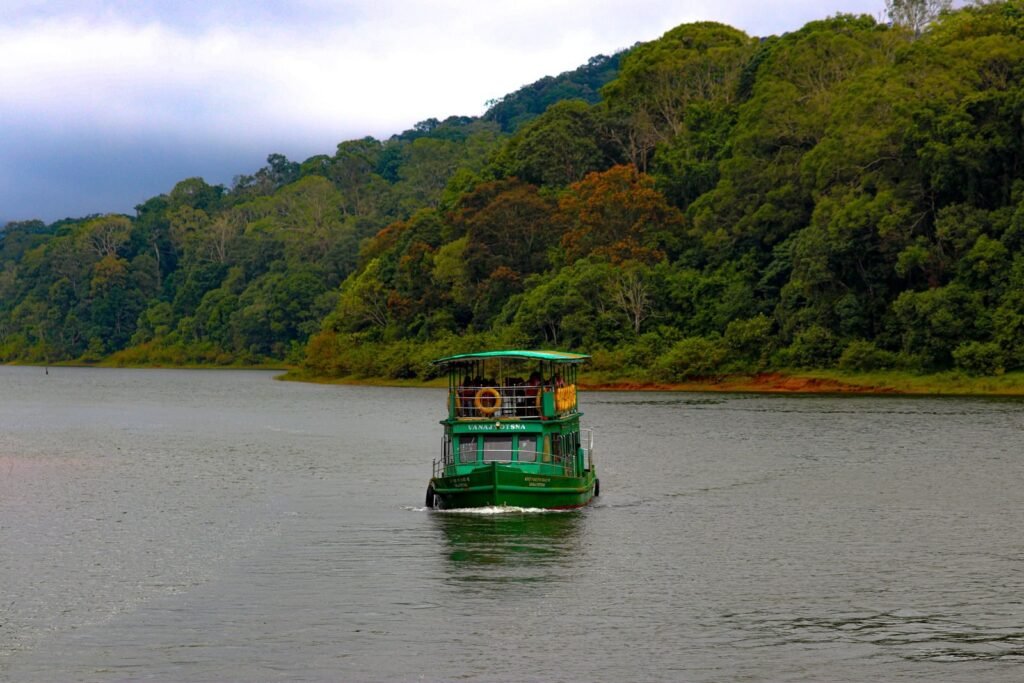
  • Boating: Motorboat rides on the calm waters offer leisurely exploration and are one of the most popular activities at Mattupetty.
  • Biodiversity Viewing: The surrounding habitat is home to a variety of birds and small mammals; visitors often combine Mattupetty with wildlife visits in nearby protected areas.
  • Recreation and Picnic Spots: The dam’s open lawns and viewpoints are used for picnics and short walks.

Tourist Attractions and Activities

On-site Experiences

  • Boating: Regulated boat rides — ideal for families and photographers — provide a calm way to appreciate the reservoir and its reflections of the surrounding hills.
  • Viewpoints and Walks: Short trails and platforms near the dam wall offer vantage points for sunrise or late-afternoon light.
  • Photography: The interplay of water, mist, tea terraces and cloud-shrouded peaks creates strong visual appeal across seasons.
  • Local Dairy and Cattle Farms: Nearby dairy farms (historically linked to settlement and land-use changes in the region) can often be seen and visited, adding a pastoral element to the landscape.

Nearby Attractions Often Combined with Mattupetty

  • Echo Point — a short drive away, known for its name-giving echoes and lake views.
  • Kundala Lake — offering pedal boating and a quieter boating experience amid manicured surroundings.
  • Eravikulam and Anamudi: National park and peak areas where visitors can observe montane biodiversity and the highest peaks in South India.
  • Tea Plantations and Museums: Guided walks or visits to tea estates and processing centers help explain the economic backdrop of the region.

Practical Visitor Information

Best Time to Visit

Mattupetty is attractive year-round, but the post-monsoon months and winter (roughly October to March) often provide the clearest skies, cooler temperatures and pleasant boating conditions. Monsoon months are characteristically misty and lush; access may be affected during heavy rains.

How to Reach

  • From Munnar Town: Mattupetty is a short drive from central Munnar; local taxis, rental cars and organized tours commonly include it as a stop.
  • By Road: Well-paved mountain roads connect Munnar to regional transport hubs; allow extra time for hairpin bends and narrow stretches.

Visitor Tips and Regulations

  • Follow on-site safety signage and staff instructions, especially around the dam structure and boating areas.
  • Carry layered clothing — hill weather can change rapidly and mornings/evenings may be chilly.
  • Respect restricted zones; dams are critical infrastructure and certain areas may be off-limits.
  • Use authorized boat operators and life jackets where provided.
  • Practice responsible tourism: avoid littering, minimize noise and respect wildlife.

Environmental and Conservation Considerations

The creation of reservoirs and associated infrastructure inevitably alters local ecosystems. Over time, authorities, conservation groups and local communities have had to balance the dam’s functional roles with habitat protection and sustainable tourism. Visitor management, waste control, and regulated boating are among the measures that help reduce ecological pressure.

Balancing Heritage, Utility and Tourism

Mattupetty is a good example of how an engineered landscape can acquire cultural and recreational value beyond its original technical purpose. Protecting the site’s natural beauty and ecological functioning while maintaining its role in regional water management requires continued attention to environmental planning and visitor education.

Conclusion

Mattupetty Dam stands as a layered symbol in Munnar’s landscape: a piece of mid-20th-century infrastructure that has grown into a cherished destination for both locals and travelers. Its history — tied to regional development, community livelihoods and the harnessing of water resources — enriches the visitor experience when combined with the simple pleasures of boating, photography and quiet appreciation of the Western Ghats. For those planning a visit, approaching Mattupetty with curiosity and respect for its ecological and cultural context makes for a more meaningful and sustainable experience.

Further Reading and Local Resources
  • Local tourism offices and visitor centres in Munnar for up-to-date information on timings, entry fees and boating schedules.
  • Regional environmental reports and nature guides for information on Western Ghats biodiversity and conservation initiatives.
  • Guided tours and heritage trails in Munnar that include Mattupetty as part of a broader cultural and ecological itinerary.

Get Instant Call Back​

Which places do you want to explore in Kerala?
Kindly share your above details to get Travel Plan PDF within 30 seconds on your mobile
Please wait while we are preparing customized quotes as per your requirement.

Why Choose us ?

What makes us different from other tour package companies

Best Travel Experts

Our travel experts have core and intense knowledge about Kerala sector with over 10 years of experience that will help you choose the best possible itinerary as per your requirements.

24 X 7 On-Trip Assistance

Our travel experts are just one call away during your tour to help you with any kind of immediate assistance so that your tour is a more enjoyable and hassle-free tour.

Best Rate Guarantee

eTourismKerala ensures best rates to all our esteemed guests since we have our own hotels and fleet of vehicles and drivers and there is no third-party involvement. This ensures personalized service and best rates.


Kerala Tour Packages by Theme

Kerala Tour From Popular Cities

Limited period offer – Kerala tour packages at flat 50% discount. Inquire now!

Kindly enter the details below for your Kerala Tour Package

Loading, please wait . .. ... ....