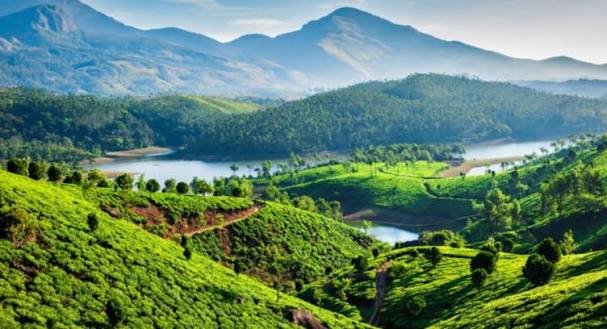
Murikkady lies in the high ranges of Idukki district in Kerala, on the approaches to the well-known wildlife and ecotourism hub of Thekkady. Today it is associated with spice gardens, rolling tea and cardamom plantations, and gateways to the Periyar area, but its identity has been shaped over centuries by trade, colonial plantation economies, conservation movements and the rise of nature-based tourism.
Murikkady is situated on the western slopes of the Western Ghats, an area of high biodiversity and historically fertile soils for spices. The location—strategically placed between lowland trading routes and the interior high ranges—meant that for centuries the region was integrated into wider commercial networks for pepper, cardamom and other spices.
Kerala’s western-ghat foothills, including the area around Murikkady, were part of the broader Indian spice landscape that attracted traders from across the Indian Ocean for millennia. Spices such as black pepper and cardamom were commodities of high value in ancient and medieval trade, and local communities developed cropping systems and forest clearing practices around these high-value crops. While Murikkady itself is a small place within this context, its agricultural profile reflects this longstanding regional tradition.
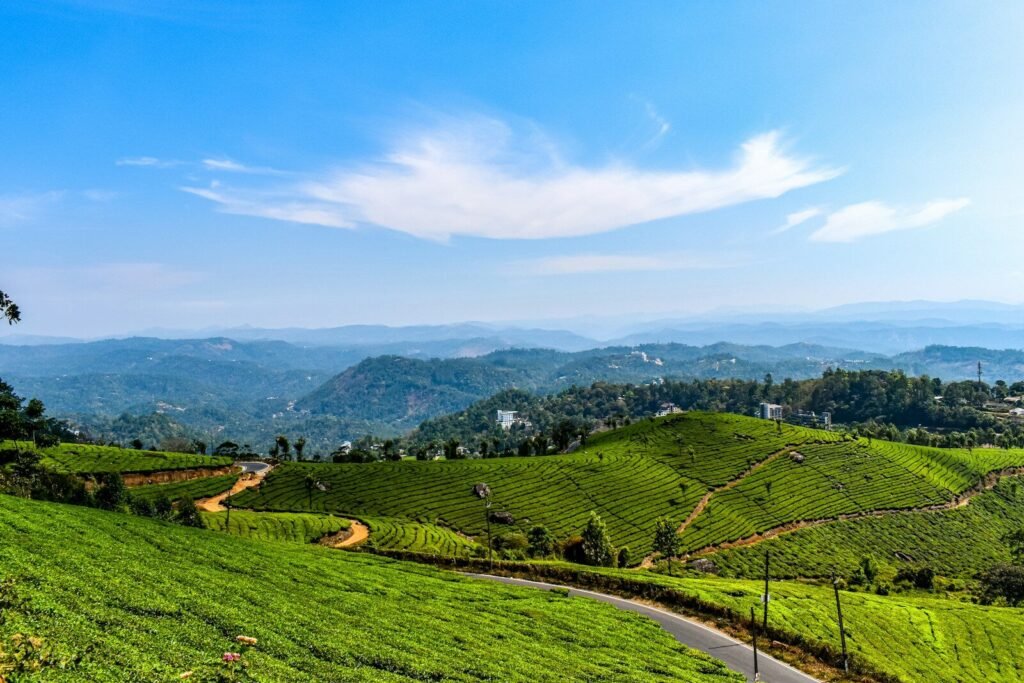
From the 18th and especially the 19th century, colonial and post-colonial developments transformed the high ranges. The British and other entrepreneurs promoted large-scale plantation agriculture—tea, coffee and spice estates—altering land patterns, introducing commercial cultivation techniques and connecting the high ranges more closely with global markets.
In the 20th century, growing recognition of the ecological value of the Western Ghats led to formal conservation measures in the region. The nearby Periyar area received protected status, conserving tracts of native forest and wildlife. These protections had a two-fold effect: they limited further large-scale conversion in core areas while also establishing the natural scenery and wildlife that would later attract tourists.
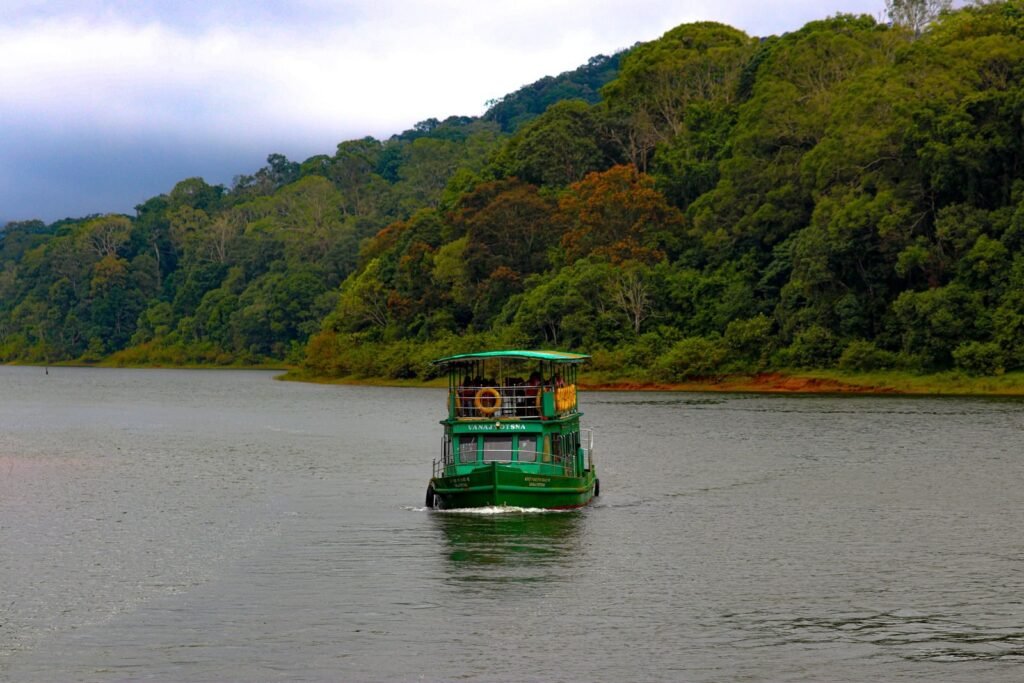
From the latter half of the 20th century onwards, Thekkady emerged as a major destination for wildlife tourism in Kerala. Murikkady, lying on routes into the Periyar zone and surrounded by spice estates, evolved into a complementary attraction—an accessible place where visitors could experience plantation landscapes, shop for spices, and access homestays and small-scale eco-lodges.
Murikkady’s tourism appeal is a mix of nature, agriculture and culture:
Tourism in and around Murikkady has provided diversified income streams beyond plantation wages. Small entrepreneurs—homestay hosts, guides, drivers, stall-owners—benefit directly from visitor spending. At the same time, many everyday traditions persist: local foodways built around spice-rich Keralite cuisine, festive practices, and community life.
Given Murikkady’s ecological sensitivity and cultural fabric, sustainable tourism is a central concern. Several approaches are increasingly promoted by local entrepreneurs, NGOs and authorities:
For readers planning to visit Murikkady and Thekkady:
Murikkady’s history is a microcosm of the Western Ghats’ wider story: ancient integration into spice networks, colonial-era plantation transformation, mid-20th century conservation, and the late-20th to 21st-century rise of nature-based tourism. Today Murikkady functions as both a living spice landscape and a gateway for visitors seeking a blend of culture, agriculture and wildlife. The future of tourism here depends on careful balance—conserving natural and cultural assets while enabling local communities to benefit from sustainable visitor economies.
Visitors interested in deeper learning should seek local interpretation centers in Thekkady and community-run guides in Murikkady, who provide first-hand historical perspectives and up-to-date information on conservation initiatives and responsible tourism options.
What makes us different from other tour package companies
Our travel experts have core and intense knowledge about Kerala sector with over 10 years of experience that will help you choose the best possible itinerary as per your requirements.
Our travel experts are just one call away during your tour to help you with any kind of immediate assistance so that your tour is a more enjoyable and hassle-free tour.
eTourismKerala ensures best rates to all our esteemed guests since we have our own hotels and fleet of vehicles and drivers and there is no third-party involvement. This ensures personalized service and best rates.













Kindly enter the details below for your Kerala Tour Package