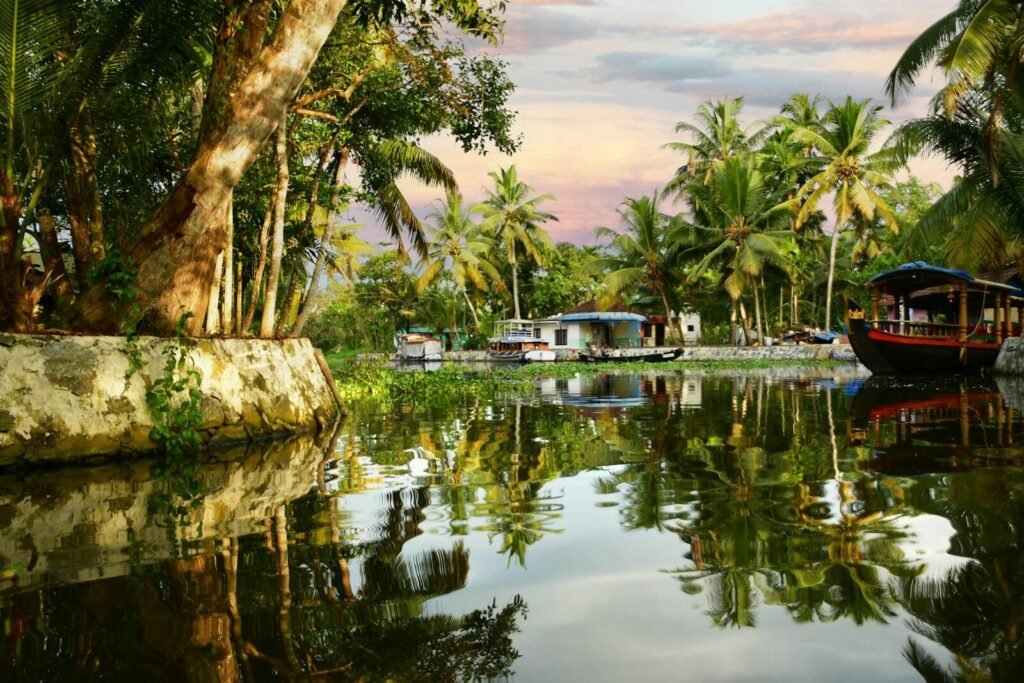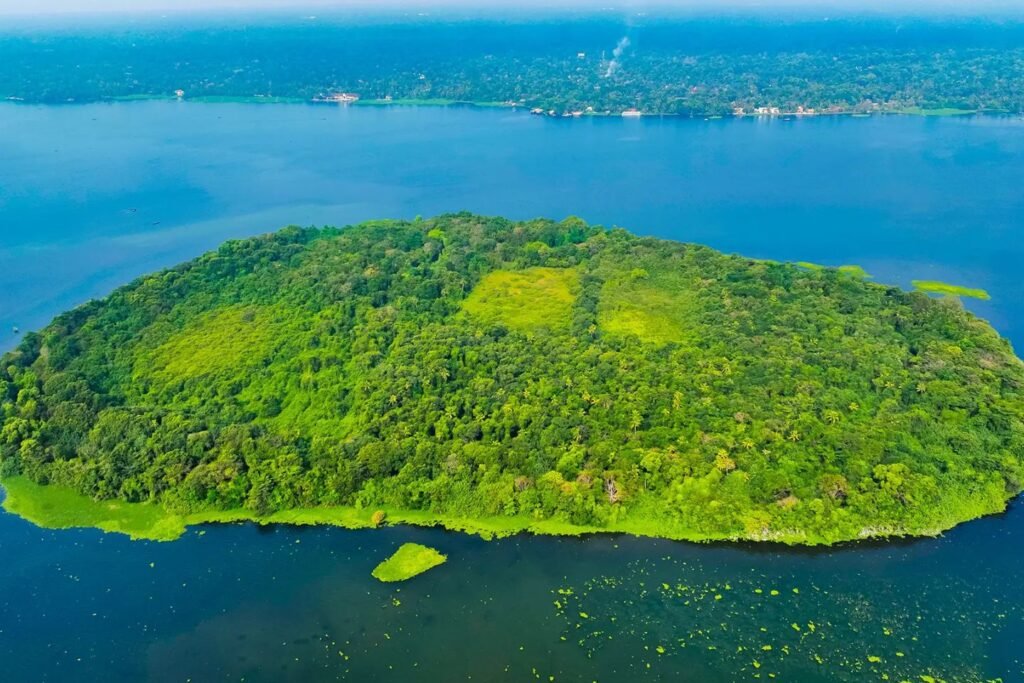
Pathiramanal is a small, ecologically rich island located in the Vembanad Lake system in the Alappuzha (Alleppey) region of Kerala, India. Its evocative name — commonly translated as “sand of the night” or “midnight sand” — and its compact, lush landscape have made it a distinct landmark in Kerala’s backwater tourism circuit. This article traces the island’s natural and human history and places that history in the context of contemporary tourism, conservation and community interests.
Pathiramanal is a riverine island formed in the Vembanad wetland complex — the largest lake in Kerala and a Ramsar-listed wetland system. Its creation is the result of siltation, sediment deposition and seasonal fluctuations of water levels in the lake, processes that have shaped the Kuttanad and Alappuzha regions for centuries. The island is relatively small and low-lying, with thick vegetation, stretches of sandy shore, and a mosaic of marshy channels that create habitats attractive to both resident and migratory birds.
The name Pathiramanal evokes both the island’s sandy shoreline and the evening-time appearance of its sands under moonlight. For local communities, the island has long served as a seasonal resting place and a source of fish and inland resources. Its proximity to mainland fishing settlements and paddyfields connected it historically to the livelihoods of lake-side communities in Alleppey and Muhamma.
Available historical records do not portray Pathiramanal as a site of major political events; rather, its early history is intertwined with the ecology and economy of the Vembanad backwaters. The wider region was part of the kingdom of Travancore in pre-colonial times, and the waterways around Alleppey were central to rice cultivation, coir trade and inland navigation. Small islands such as Pathiramanal functioned as natural features important to navigation, fishing, and seasonal use by local people.
During the colonial era (Dutch and later British influence in Kerala), the Alleppey coast and its backwaters became increasingly connected to global trade routes because of coir, spices and rice shipments. Pathiramanal itself remained largely a natural refuge rather than a commercial center. However, shifts in land use, drainage and transportation across the Vembanad basin during the 19th and early 20th centuries indirectly affected the island’s ecology—altering siltation patterns and water regimes that shape habitat availability for wildlife.
By the mid-to-late 20th century, the island was recognized more for its avian life than for human use. Pathiramanal emerged as a noteworthy resting and nesting site for a variety of birds—resident species as well as seasonal migrants—attracting naturalists and birdwatchers. As backwater tourism in Alleppey expanded in the late 20th century, tourists began to include short visits to the island in boat itineraries that featured houseboats, lagoons and villages.
Alleppey’s houseboat tourism revolution—transforming traditional rice-transport boats into floating accommodation—placed the Vembanad Lake and its islands on the international tourism map. Pathiramanal benefited from this rise in interest in backwater landscapes:
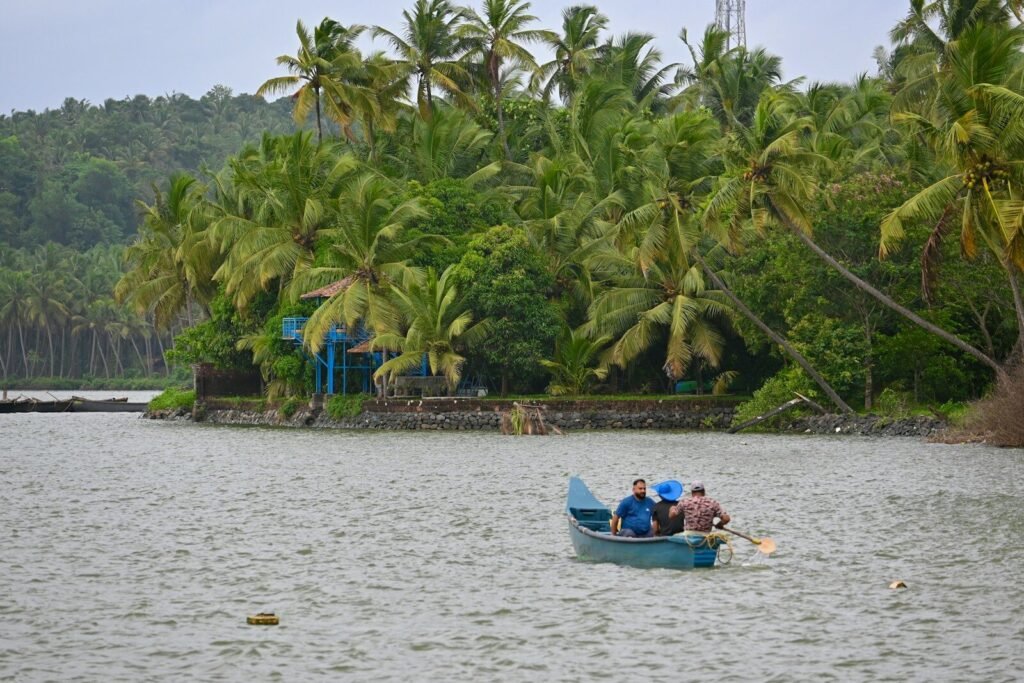
Visitors typically reach Pathiramanal by motorboat from Alleppey (Alappuzha), Muhamma or nearby boat jetties. The boat trip duration varies with the departure point and water conditions; short day trips and photo stops are common. Local authorities and tour operators often enforce visitor limits and guidelines to reduce disturbance to wildlife.
Pathiramanal is notable for hosting a wide range of bird species. The densely vegetated island provides roosting and nesting sites for waterbirds and small woodland species alike, making it attractive to ornithologists and casual birdwatchers.
Pathiramanal faces pressures common to many small wetland islands:
Efforts to manage these pressures combine regulation by forest and fisheries departments, community awareness programs, and tourism operators adopting best practices. Some visitors’ restrictions, guided-visit rules and cleanup drives have been implemented intermittently to support recovery of bird populations and habitat quality.
Local communities around Muhamma and Alleppey have a direct stake in Pathiramanal’s future. Sustainable management that blends livelihood needs and conservation yields benefits for both residents and tourists:
Visitors to Pathiramanal generally experience a short, peaceful island visit in the midst of the backwaters. Typical highlights include:
Practical tips for visitors:
Conservation agencies, tourism stakeholders and local communities continue to negotiate the balance between visitor access and ecological protection. Recent initiatives have focused on:
With careful management, Pathiramanal can continue to be both a refuge for wildlife and a meaningful nature- and culture-based stop for tourists visiting Alleppey.
Pathiramanal’s story is one of nature’s quiet resilience and the evolving interplay between ecology and human use. Historically shaped by the rhythms of Vembanad Lake and local livelihoods, the island has become a cherished stop in Kerala’s tourism tapestry—especially for birdwatchers and travelers seeking an authentic backwater encounter. Conserving Pathiramanal’s ecological character while enabling respectful tourism requires continued commitment from authorities, communities and visitors alike. For those planning to visit Alleppey, a short, considerate visit to Pathiramanal offers both a window into the region’s biodiversity and a reminder of the fragile balance that sustains it.
What makes us different from other tour package companies
Our travel experts have core and intense knowledge about Kerala sector with over 10 years of experience that will help you choose the best possible itinerary as per your requirements.
Our travel experts are just one call away during your tour to help you with any kind of immediate assistance so that your tour is a more enjoyable and hassle-free tour.
eTourismKerala ensures best rates to all our esteemed guests since we have our own hotels and fleet of vehicles and drivers and there is no third-party involvement. This ensures personalized service and best rates.























Kindly enter the details below for your Kerala Tour Package