Periyar Lake—often referred to as the Periyar Reservoir—is the heart of Thekkady, a hill town in Kerala known for its wildlife, spice gardens and ecotourism. Formed by impounding the Periyar River, the lake and the surrounding forested slopes have a layered history: engineering and colonial-era water management, wildlife protection and the rise of modern tourism. This article traces that history and examines how the lake became a focal point for nature-based tourism, the attendant benefits and challenges, and what the future might hold.
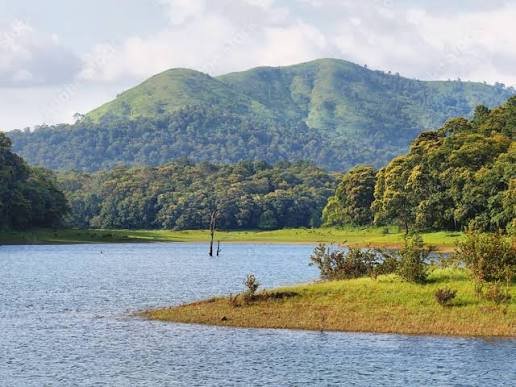
The lake at Thekkady is essentially a man-made reservoir created by a dam across the Periyar River. The decision to impound the river was driven by irrigation and water-management needs, and the major engineering project that produced the reservoir dates to the late 19th century. The dam altered the hydrology of the region and created a large, scenic body of water fringed by evergreen and semi-evergreen forests.
Key outcomes of the reservoir’s creation:
As the ecological value of the forests and wildlife around the reservoir became evident, the region moved into a conservation phase. Authorities recognized the need to protect large tracts of habitat for large mammals, particularly elephants and tigers, and for numerous endemic plant and bird species.
Protected area status for the forests around Periyar Lake marked a turning point: what had been a working landscape increasingly became a legal and administrative focus for wildlife conservation. Over time, regulated protection and the presence of a scenic waterbody made the area highly attractive to visitors seeking wildlife viewing and nature experiences.
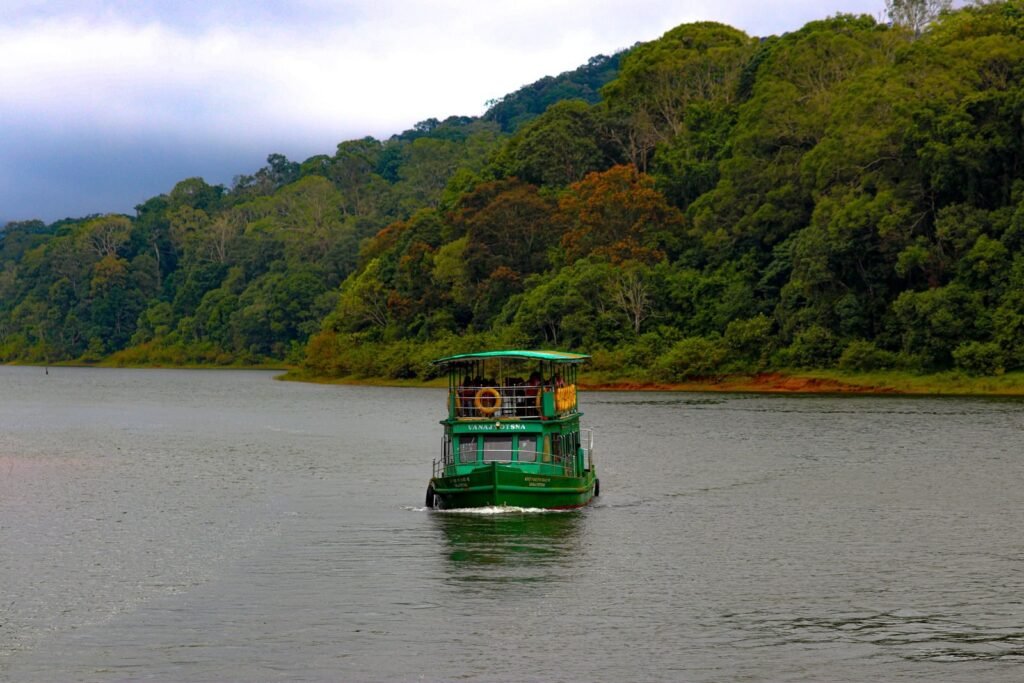
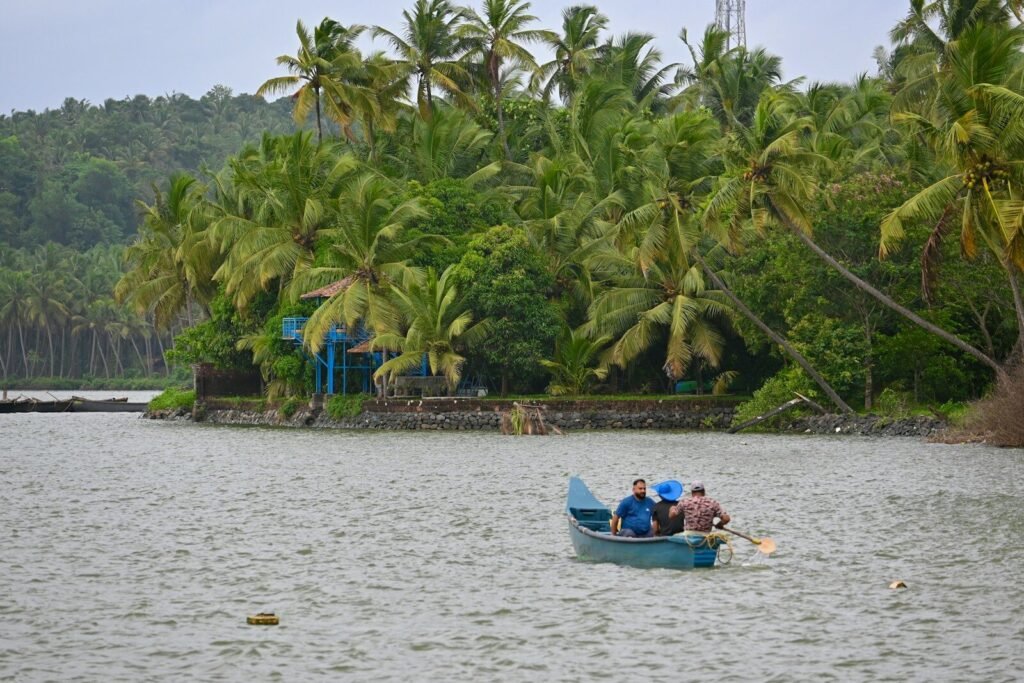
Periyar Lake became central to a distinctive form of wildlife tourism: boat-based wildlife viewing. The still, well-vegetated waters provide an ideal setting for encountering elephants at the water’s edge, spotting sambar deer and gaur coming to drink, and for birdwatching. The lake’s boat cruises have become the signature tourism product of Thekkady.
Tourism around Periyar Lake brought significant income and employment to Thekkady and surrounding communities. Hotels, homestays, guides, boat operators, spice garden owners and handicraft sellers all benefit. The forest department’s regulated tourism also channels revenue to conservation and park management.
However, economic gains have been accompanied by challenges:
With success came stresses. A few prominent environmental and management concerns include:
In response, park managers and local stakeholders have implemented measures such as limiting the number of boats, establishing fixed viewing routes, training guides in responsible tourism, and conducting environmental education for visitors.
The Periyar Lake experience is diverse and often tailored to visitor interests:
For the best wildlife viewing and comfortable travel, consider the following practical points:
Periyar Lake and Thekkady are not just ecological or economic assets; they are part of a regional identity. Local communities—including indigenous groups with longstanding forest connections—have cultural ties to the landscape. Responsible tourism that respects local livelihoods and cultural heritage has become a key narrative in recent decades, with many initiatives aimed at community-based tourism and benefit-sharing.
The future of Periyar Lake as a tourism destination depends on balancing visitor demand with conservation and community welfare. Priorities include:
Periyar Lake at Thekkady is a layered landscape in which colonial engineering, conservation policy and modern tourism intersect. Its history—shaped by the creation of the reservoir, the establishment of protected status for surrounding forests, and the development of nature-based tourism—offers a case study in how human-made water bodies can catalyze new ecological and economic relationships. The lake remains one of Kerala’s most iconic wildlife tourism settings, but its long-term value depends on careful stewardship that honors both nature and the people who depend on it.
Visitors and students of tourism history are encouraged to consult local forest department resources, academic studies on the Periyar landscape and community-based tourism reports for more detailed and up-to-date information. When you visit, seek out guided interpretation to better understand the intertwined histories of the lake, the forest and local communities.
What makes us different from other tour package companies
Our travel experts have core and intense knowledge about Kerala sector with over 10 years of experience that will help you choose the best possible itinerary as per your requirements.
Our travel experts are just one call away during your tour to help you with any kind of immediate assistance so that your tour is a more enjoyable and hassle-free tour.
eTourismKerala ensures best rates to all our esteemed guests since we have our own hotels and fleet of vehicles and drivers and there is no third-party involvement. This ensures personalized service and best rates.


















Kindly enter the details below for your Kerala Tour Package