Periyar Wildlife Sanctuary (commonly referred to as Periyar or Periyar Tiger Reserve) and the adjoining town of Thekkady have evolved into one of South India’s best-known wildlife and eco-tourism destinations. Its history is a complex layering of indigenous habitation, colonial engineering, conservation policy and modern tourism development. This article traces that history with attention to how tourism grew alongside conservation, the socio-economic impacts, and the continuing challenges of balancing visitors with wildlife protection.
Periyar lies in the high ranges of Kerala’s Idukki district. The sanctuary centers around the artificial Periyar Lake formed by the Mullaperiyar Dam on the Periyar River. The region has long been home to indigenous communities — including the Kadar, Malayarayan and Mannan groups — whose livelihood, knowledge systems and cultural ties to the forest predate modern conservation measures.
Before major outside interventions, Periyar’s montane and mid-elevation forests supported shifting cultivation, honey gathering, small-scale hunting and extensive traditional knowledge of flora and fauna. These practices were local and seasonal, integrated with the rhythms of the forest.
A pivotal colonial-era change was the construction of the Mullaperiyar Dam (completed in the late 19th century), which created the Periyar Lake. Built to divert water eastwards, the dam substantially altered hydrology and created a broad, accessible water body that would later become central to wildlife concentrations and tourism activity. The British-era road and settlement patterns that accompanied the dam and later plantation agriculture also opened the area to wider attention.
Growing recognition of the area’s rich wildlife and the need to protect forest watersheds led to formal protection in the 20th century. Periyar was declared a wildlife sanctuary in 1950, an administrative move aimed at conserving the catchment and reducing pressures from logging and conversion.
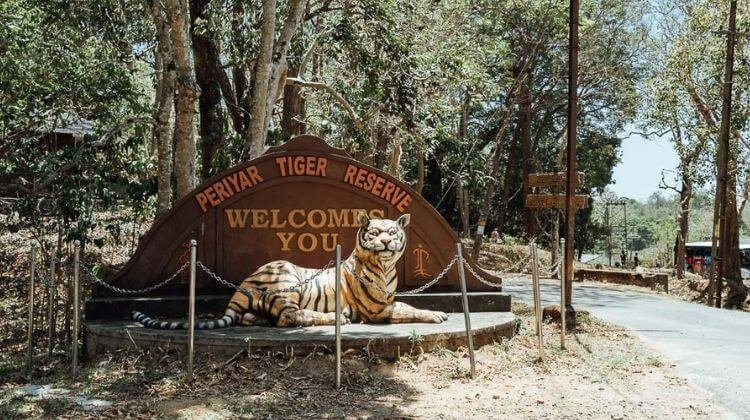
The national Project Tiger program, launched in the 1970s to recover India’s tiger populations, brought renewed attention and funding to Periyar. The sanctuary was notified as a tiger reserve under Project Tiger (in the late 1970s), which strengthened protection, expanded anti-poaching effort and introduced scientific monitoring. This formal status enhanced Periyar’s profile among conservationists and, later, tourists.
Over the decades forest management efforts — including habitat protection, scientific surveys, wildlife monitoring and the establishment of research and interpretation facilities — helped stabilize populations of key mammals (elephant, sambar, gaur, tiger and various primates) and birds. Sanctuary management also increasingly recognized the rights and role of local communities in conservation outcomes.
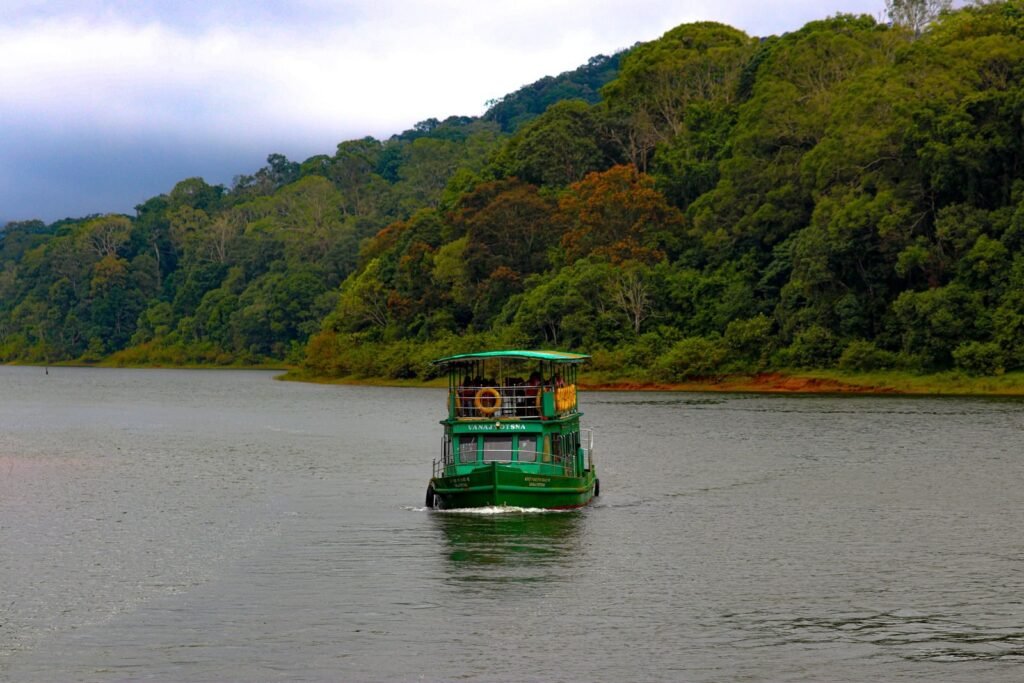
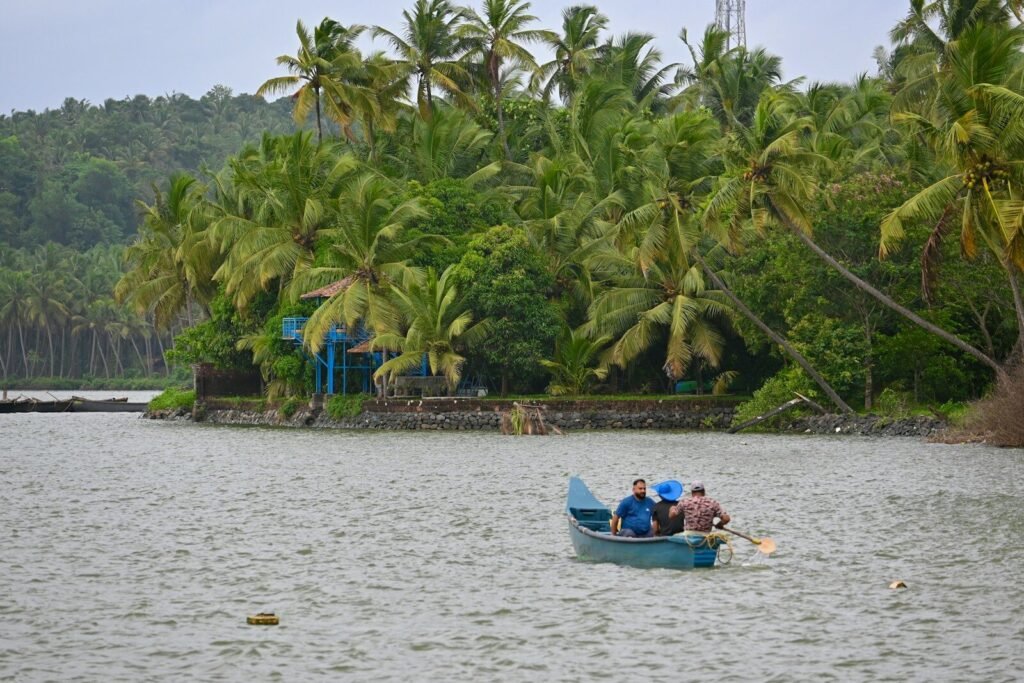
Tourism activities in Thekkady began to coalesce around the Periyar Lake. The lake concentrates wildlife at its shores during dry seasons, offering reliable wildlife-viewing opportunities. Boat cruises, introduced early on, became the signature tourist experience — daytime boat safaris to observe elephants, deer and birds, and at times nocturnal wildlife along the water edge.
As the tiger reserve gained prominence, Thekkady developed tourist infrastructure: lodges, spice gardens, guided nature walks, and markets selling spices and handicrafts. Wildlife viewing by boat, guided treks, cultural programs (traditional dance and tribal performances), and visits to commercial spice plantations created a diversified experience that attracted domestic and international visitors.
By the 1990s and 2000s, criticism of unregulated visitation and its impacts led to a shift toward structured eco-tourism. The Kerala Forest Department, local government and NGOs promoted regulated boat safaris, limits on visitor numbers, trained nature guides, interpretation centers and community participation to ensure tourism supported conservation rather than undermining it.
Tourism transformed Thekkady’s economy, providing employment in guiding, hospitality, transport, crafts and allied services. A positive effect has been greater local interest in conserving the sanctuary because it became a source of livelihoods. However, tensions have also arisen over revenue sharing, land use on the periphery, and changes to traditional livelihoods.
In recent years Periyar management has emphasized sustainable tourism: visitor caps for boat rides, sanitation and waste controls, professional naturalist training, booking and permit systems to avoid crowding, and strengthened anti-poaching patrols funded partly by tourism revenues. Community-based tourism initiatives (homestays, guided village walks, craft markets) are increasingly recognized as important for both livelihoods and stewardship.
Ongoing wildlife monitoring (camera traps, transect surveys) informs both conservation policy and visitor messaging. Adaptive management — adjusting visitor access based on wildlife behavior, season and ecological indicators — is now part of modern Periyar tourism practice.
The history of Periyar Wildlife Sanctuary and Thekkady illustrates how conservation and tourism can co-evolve. From colonial-era engineering and traditional forest use, through formal protection and Project Tiger, to today’s mix of eco-tourism and community initiatives, Periyar exemplifies both the opportunities and the tensions that arise when people seek to experience wildlife while protecting it. The path forward depends on sustaining scientific management, strengthening community partnerships and keeping tourism firmly within ecological limits so that future generations can continue to encounter Periyar’s forests and wildlife.
Visitors interested in the history should combine a boat safari with the sanctuary’s interpretation center and arrange for a guided walk or talk by a trained naturalist. For scholars, archives of the Kerala Forest Department and historical accounts of the Mullaperiyar project provide deeper background on the dam, landscape change and conservation policy evolution.
What makes us different from other tour package companies
Our travel experts have core and intense knowledge about Kerala sector with over 10 years of experience that will help you choose the best possible itinerary as per your requirements.
Our travel experts are just one call away during your tour to help you with any kind of immediate assistance so that your tour is a more enjoyable and hassle-free tour.
eTourismKerala ensures best rates to all our esteemed guests since we have our own hotels and fleet of vehicles and drivers and there is no third-party involvement. This ensures personalized service and best rates.



















Kindly enter the details below for your Kerala Tour Package