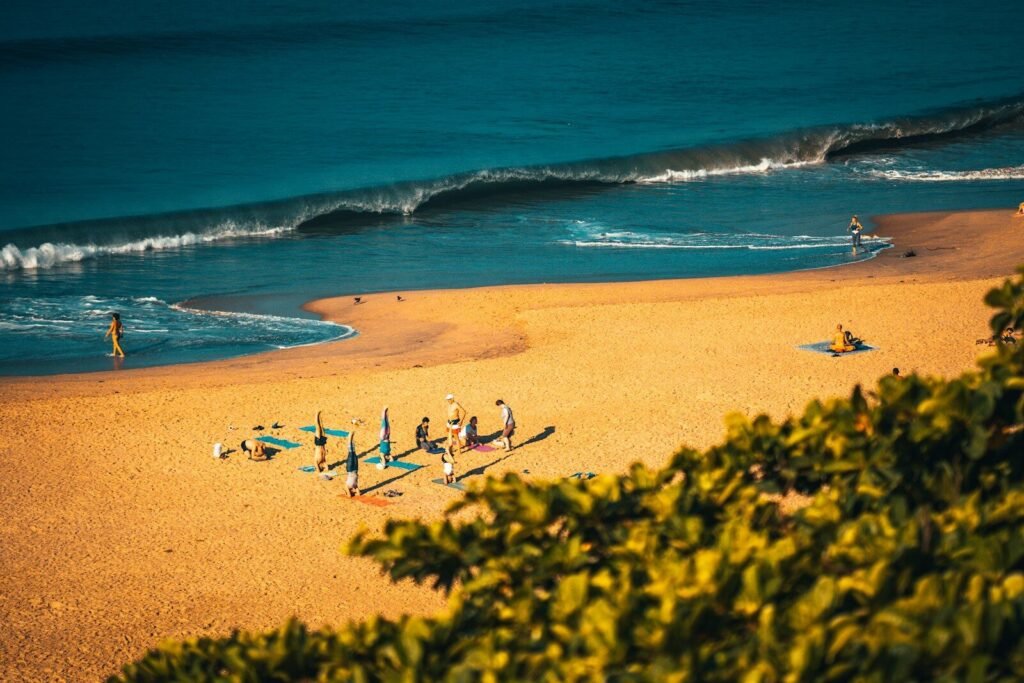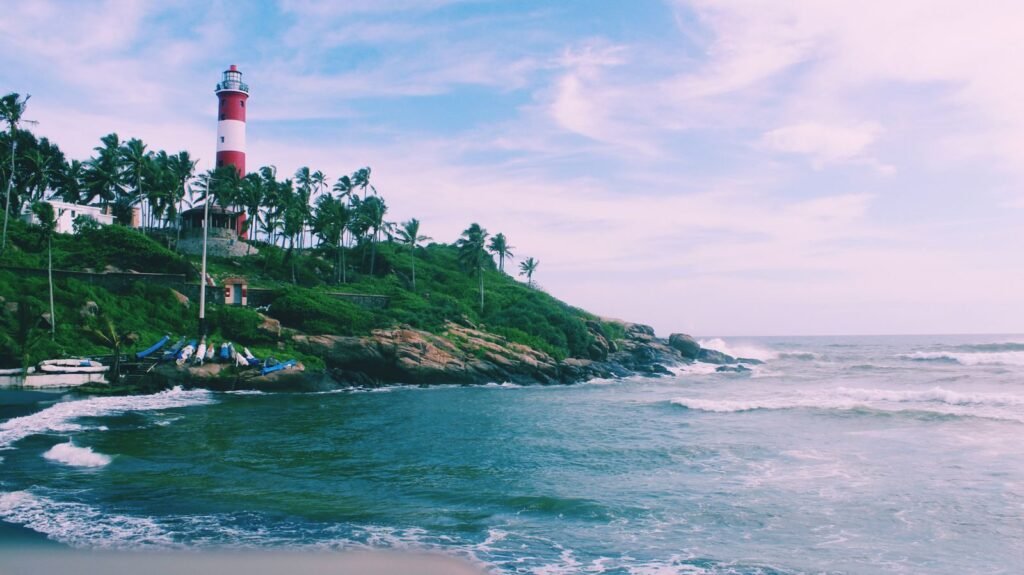
Varkala Beach, located on the southwest coast of India in the state of Kerala, is a place where natural beauty, religious tradition and modern tourism intersect. Famous for its dramatic cliffs, sacred baths and a lively tourism strip, Varkala has evolved from a local pilgrimage and fishing settlement into an internationally recognized destination. This article traces the history of Varkala Beach in the context of tourism, highlighting its geological uniqueness, religious significance, colonial and modern developments, and the contemporary dynamics of travel, wellness and conservation.
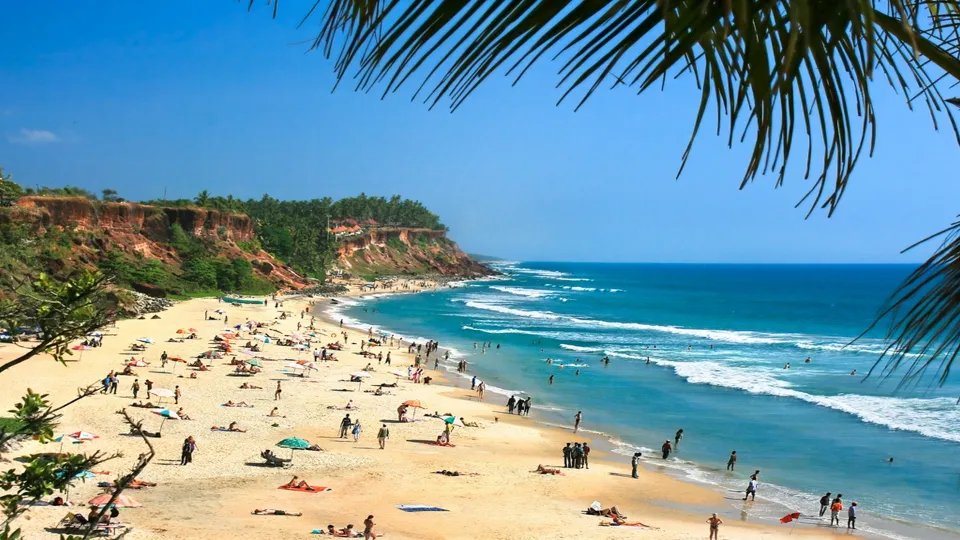
One of the defining features of Varkala is the long stretch of red laterite cliffs that run parallel to the Arabian Sea. These cliffs—commonly referred to as the Varkala Cliff—are geologically distinctive for Kerala, where such coastal escarpments are rare. The cliffs create a dramatic vantage point overlooking the beach and have been central to Varkala’s appeal, attracting visitors for their scenic value and for the unique combination of sea, rocks and vegetation.
Varkala’s human history predates its modern tourist fame. The town has been a site of religious importance for centuries, and this spiritual heritage continues to influence patterns of visitation.
At the heart of Varkala’s religious identity is the Janardana Swamy Temple, an ancient shrine dedicated to Lord Vishnu. The nearby beach is popularly known as Papanasam Beach—literally “the place which washes away sins.” Generations of pilgrims have made ritual baths in the sea here, believing that a dip in these waters absolves sins and brings spiritual merit. This blend of pilgrimage and seaside bathing created a local tourism tradition that predates modern leisure-oriented travel.
In the early 20th century, the prominent social reformer Sree Narayana Guru established a spiritual and social center at Sivagiri, just inland from Varkala. Sivagiri quickly became an important pilgrimage destination associated with Guru’s teachings on social equality and spiritual uplift. The connection between Sivagiri and Varkala amplified the town’s profile as both a spiritual hub and a place of retreat, attracting devotees and visitors from across Kerala and beyond.
While Varkala itself was never a major port like nearby Kollam (Quilon), the wider coastal region participated in maritime trade and cultural exchange for centuries. Local fishing communities and small-scale trade characterized Varkala’s economy for much of its history. Its religious institutions and coastal location made it a steady, if modest, destination for regional pilgrims and travelers.
During the colonial era, broader changes in transportation, communication and leisure culture began to reshape many parts of India’s coastline. Though Varkala did not become a colonial administrative center, improved connectivity in the 19th and early 20th centuries—especially the expansion of rail and road networks across Kerala—made seaside destinations more accessible to urban residents, traders and British officials seeking rest and recreation.
By the mid-20th century, the combination of accessible transport and the site’s scenic and spiritual attractions set the stage for a gradual transformation: pilgrim-bathers and local visitors were joined by holidaymakers drawn to sun, sand and the cliffside atmosphere.
From the latter half of the 20th century onward, Varkala increasingly shaped itself as a tourism destination. Several interrelated trends drove this development:
The linear nature of the cliff encouraged a particular pattern of tourism development: small hotels, guesthouses, cafes, gift shops and Ayurvedic centers clustered along the cliff-top road. This created a compact, walkable tourism strip, distinct from the broad, hotel-dominated beaches found elsewhere in India.
Varkala became known not just for its beach and temples but also for wellness tourism. Ayurveda treatment centers, yoga studios and meditation retreats proliferated, catering to visitors seeking healing, relaxation and spiritual renewal. This synergy between coastal leisure, traditional medicine and spiritual practice became a signature of Varkala tourism.
Religious festivals, temple rites and the annual Sivagiri pilgrimage continue to be major attractions, bringing large numbers of devotees to Varkala each year. These events blend sacred observance with marketplace activity—vendors, lodging and eateries scale up to serve pilgrims—so that religious tourism and general leisure tourism coexist and periodically overlap.
The tourism boom has brought both opportunities and challenges for Varkala and its residents.
Local authorities, resident groups and NGOs have at times mobilized to address erosion, litter, wastewater disposal and the preservation of the cliff landscape. Sustainable tourism practices—such as waste reduction, regulated construction, and community-based tourism initiatives—are increasingly discussed and implemented to varying degrees.
Today’s visitor to Varkala encounters a layered experience:
The future of Varkala as a tourist destination will depend on balancing growth with preservation. Key priorities include:
Varkala Beach illustrates how a place with deep religious roots and a distinctive landscape can transform into a multifaceted tourism destination. From centuries of pilgrimage and local coastal life to the arrival of wellness tourists and international visitors, Varkala’s history in the context of tourism is one of layering—where sacred tradition, natural beauty and contemporary leisure practices coexist. Ensuring that future tourism preserves the cliff, supports local communities and respects cultural heritage will determine whether Varkala remains a sustainable and meaningful destination for generations to come.
What makes us different from other tour package companies
Our travel experts have core and intense knowledge about Kerala sector with over 10 years of experience that will help you choose the best possible itinerary as per your requirements.
Our travel experts are just one call away during your tour to help you with any kind of immediate assistance so that your tour is a more enjoyable and hassle-free tour.
eTourismKerala ensures best rates to all our esteemed guests since we have our own hotels and fleet of vehicles and drivers and there is no third-party involvement. This ensures personalized service and best rates.



















Kindly enter the details below for your Kerala Tour Package