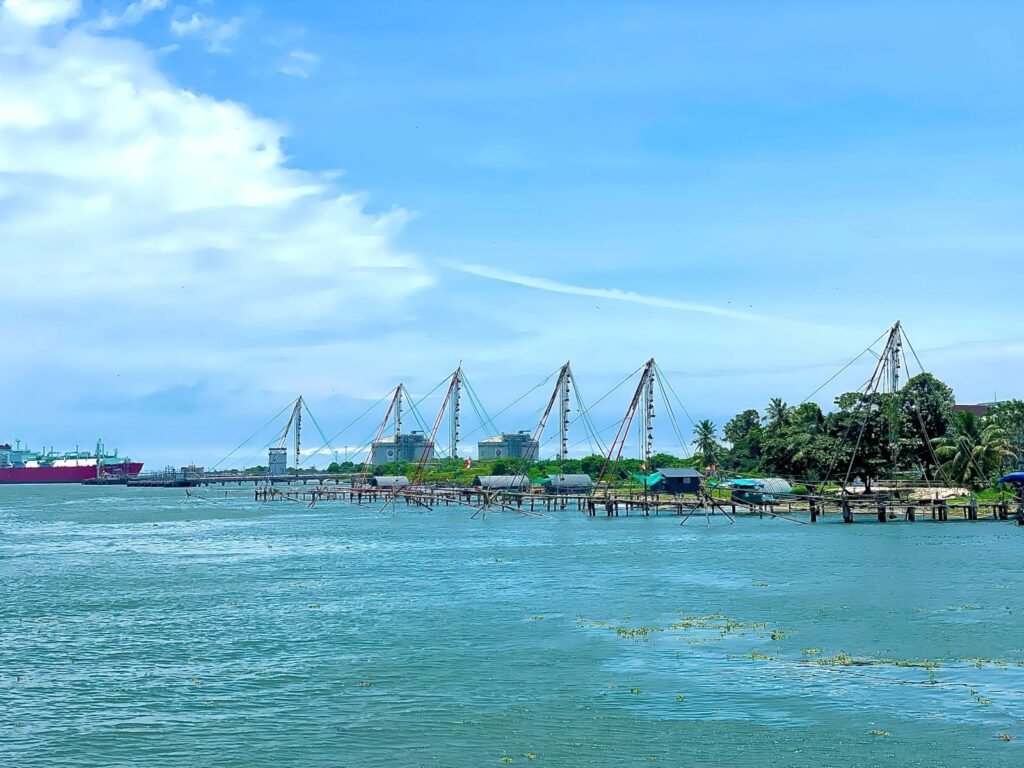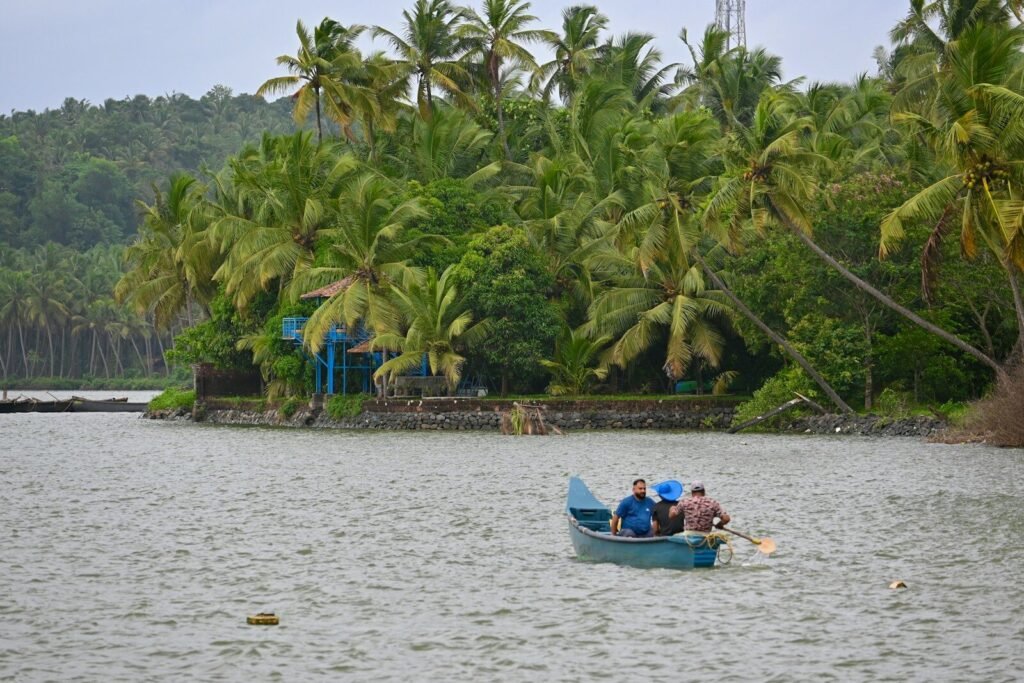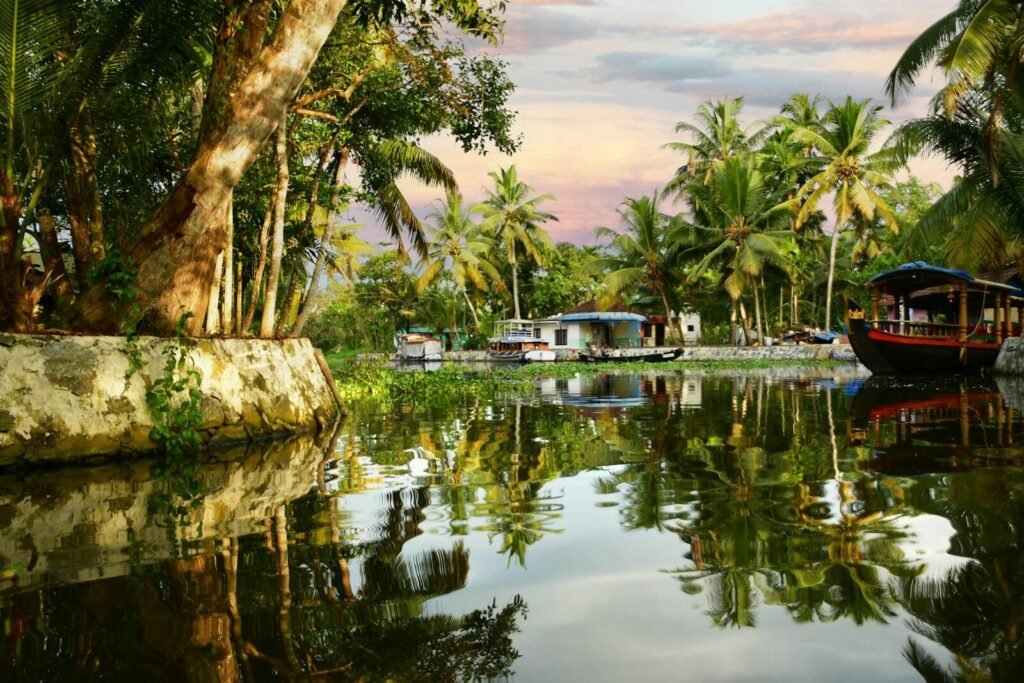
Alleppey, locally known as Alappuzha, sits on the southwest coast of India in the state of Kerala. Famously called the “Venice of the East,” it is a city shaped by water — a dense network of lagoons, canals, backwaters and lakes that has sustained settlement, commerce and culture for centuries. Today, Alleppey is best known for its houseboats, coir industry and festivals, but its global appeal as a tourism destination is rooted in a layered historical trajectory.
Alleppey’s location on the Malabar Coast placed it within the Indian Ocean trading sphere long before European arrival. The backwaters and sheltered lakes allowed small ports and fishing settlements to flourish. Through coastal and inland waterways, people and goods moved between the interior paddy fields and the Arabian Sea, shaping a local economy centered on rice, coconut and maritime trade.
From the medieval period onward, the region was integrated into the larger polity of Travancore. The rulers and local elites encouraged the construction and maintenance of canals and bunds to support agriculture and transport. These interventions deepened the link between human settlement patterns and the water-borne landscape that defines the region.
With the arrival of European trading powers — first the Portuguese, then the Dutch and the British — the entire Malabar coast, including Alleppey, experienced accelerated commercial change. European interest in spices, coir and rice made ports and warehouses important nodes. Over the 18th and 19th centuries, Alleppey grew into a busy trade center and harbour, with associated warehousing, boatbuilding and coir-processing activities expanding under colonial markets.
The coir industry — fibre extracted from coconut husks and processed into ropes, mats and other products — became a defining economic activity for Alleppey. By the 19th and early 20th centuries, coir manufacturing and export linked local labour, cottage industries and export networks. The town’s port and its linkages to inland waterways were central to this growth.
Alleppey’s long maritime contacts helped create a plural society. Traditions of Hindu temples, Christian churches and Muslim mosques reflect centuries of coexistence and exchange. Colonial-era architecture — from colonial warehouses and bungalows to community churches — stands alongside indigenous Kerala styles, giving the town a distinctive built heritage.
Water-centric festivals and rituals bear witness to the cultural centrality of the backwaters. Temple festivals, boat-based rituals and communal celebrations have been part of the social calendar long before modern tourism appropriated them as spectacles for visitors.
The backwaters (a chain of brackish lagoons and lakes) are both natural and anthropogenic in character. Centuries of rice cultivation, bund construction and canal excavation shaped the present-day maze of waterways. This landscape supported fishing and agriculture, while also providing a unique aesthetic that tourism would later valorize.
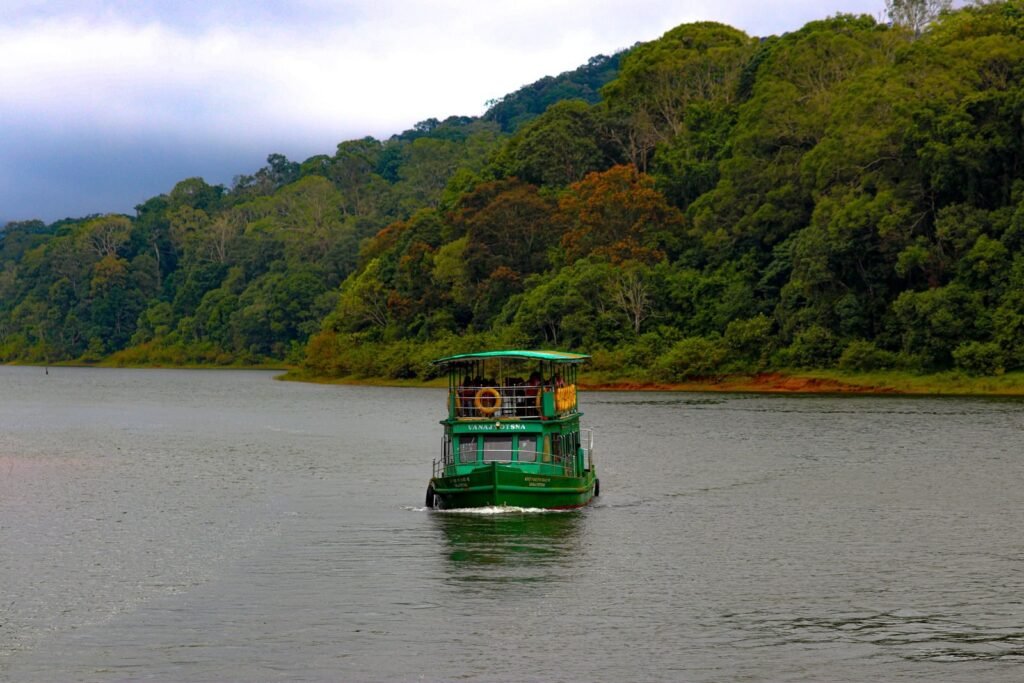
Kettuvallams were traditional rice barges that carried grain and produce through the waterways. During the late 20th century these boats were ingeniously converted into comfortable tourist houseboats, retaining traditional wooden construction while adding modern amenities. The houseboat economy reimagined local craft skills for a global tourism market and became a signature experience associated with Alleppey.
One of Alleppey’s most famous annual events is the Nehru Trophy Boat Race, a spectacular snake-boat (chundan vallam) competition held on the Punnamada Lake. The race attracts thousands of spectators and participants and celebrates rowing traditions, team spirit and communal festivity. The event also plays a major role in promoting Alleppey nationally and internationally.
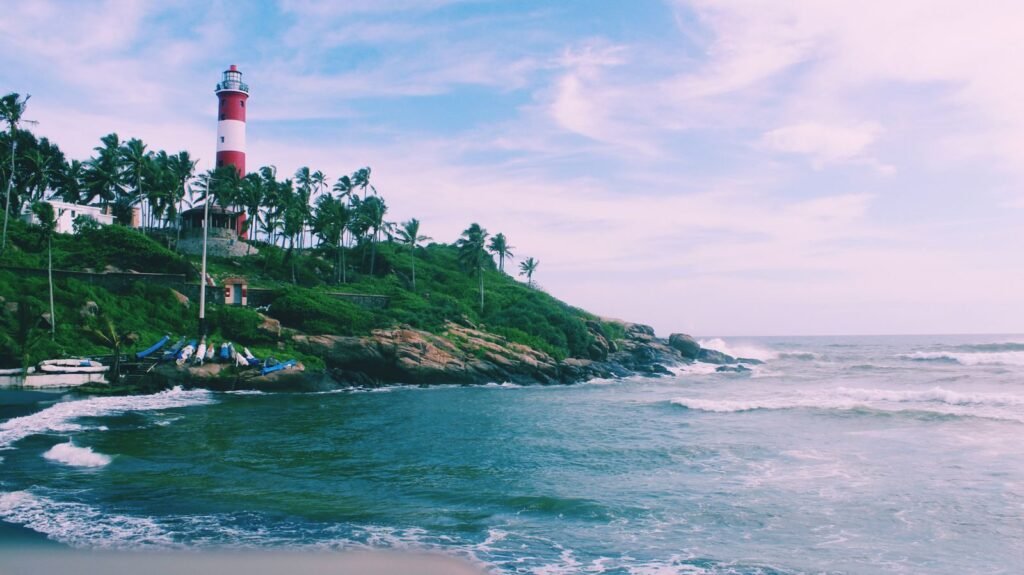
Alleppey’s townscape mixes colonial-era warehouses and administrative buildings, old coir factories, churches and temples, and the famous Alappuzha Lighthouse. The beach promenade, the old pier and the narrow lanes lined with traditional houses and shops offer a lived-in historic ambience that appeals to heritage tourists.
From the 1970s–1990s onward, Kerala’s tourism promotion and the emergence of domestic and international visitors transformed Alleppey. Entrepreneurs, often from local communities, converted kettuvallams into overnight houseboats, while homestays and small hotels grew along the shore. Tourism created jobs in hospitality, boat construction, guiding and food services, and generated new markets for local handicrafts and produce.
Tourism in Alleppey involves a dynamic tension: while visitors seek an “authentic” backwater experience, the packaging of that experience for consumption alters local rhythms, aesthetics and livelihoods. Festivals, boat races and houseboats can gain new meanings as both cultural reaffirmation and staged attractions.
The backwaters face several contemporary threats: pollution from untreated sewage and solid waste, invasive aquatic plants (such as water hyacinth), sedimentation, unregulated sand mining, and the cumulative impacts of heavy boat traffic. These pressures affect water quality, fisheries and habitat health.
Tourism growth brings both opportunity and inequality. Issues include seasonal employment, rising land values that displace traditional livelihoods, and the need for community participation in tourism planning. There is growing emphasis on sustainable practices: waste management on houseboats, eco-friendly boating, certification schemes for homestays and community-based tourism models that keep benefits local.
Alleppey’s attraction as a tourism destination is inseparable from its history: a water-sculpted landscape that shaped local economies, culture and community life. From its early role in regional trade and coir production to the contemporary houseboat-driven tourism economy, the town offers a layered experience of nature, labour, ritual and hospitality. The ongoing challenge — and opportunity — is to manage tourism so that it conserves the backwaters, sustains local communities and preserves the living heritage that makes Alleppey unique.
What makes us different from other tour package companies
Our travel experts have core and intense knowledge about Kerala sector with over 10 years of experience that will help you choose the best possible itinerary as per your requirements.
Our travel experts are just one call away during your tour to help you with any kind of immediate assistance so that your tour is a more enjoyable and hassle-free tour.
eTourismKerala ensures best rates to all our esteemed guests since we have our own hotels and fleet of vehicles and drivers and there is no third-party involvement. This ensures personalized service and best rates.


















Kindly enter the details below for your Kerala Tour Package