Thekkady, nestled in the high ranges of Kerala’s Idukki district, is best known today as the gateway to the Periyar protected area and a thriving spice-tourism destination. Its identity as a tourist place cannot be separated from layered histories — indigenous habitation, colonial plantation economies, hydrological engineering, and post-independence conservation and tourism planning. This article traces Thekkady’s history with emphasis on how historical developments shaped its modern tourism profile.
Thekkady sits at the edge of the Western Ghats, an ancient mountain chain with rich evergreen forests and perennial rivers. Long before modern tourism, the area supported local agrarian communities and forest-dependent tribal groups. Indigenous groups such as the Kadar and Malayarayan (among others) adapted livelihoods around shifting cultivation, gathering forest produce, and small-scale pastoralism. The region’s abundant wild flora and fauna, and its network of rivers and valleys, framed early human settlement and seasonal movement.
Although Thekkady itself was not a major port or trade hub, the high ranges formed part of the hinterland supplying spices and forest produce that fed both local markets and long-distance trade networks. Pepper, cardamom, cinnamon, and other spices have been cultivated in the Western Ghats for centuries and were in demand long before European arrival. The cultural landscape — temple festivals, oral histories, and local pathways — was shaped by these agrarian and forest-based economies.
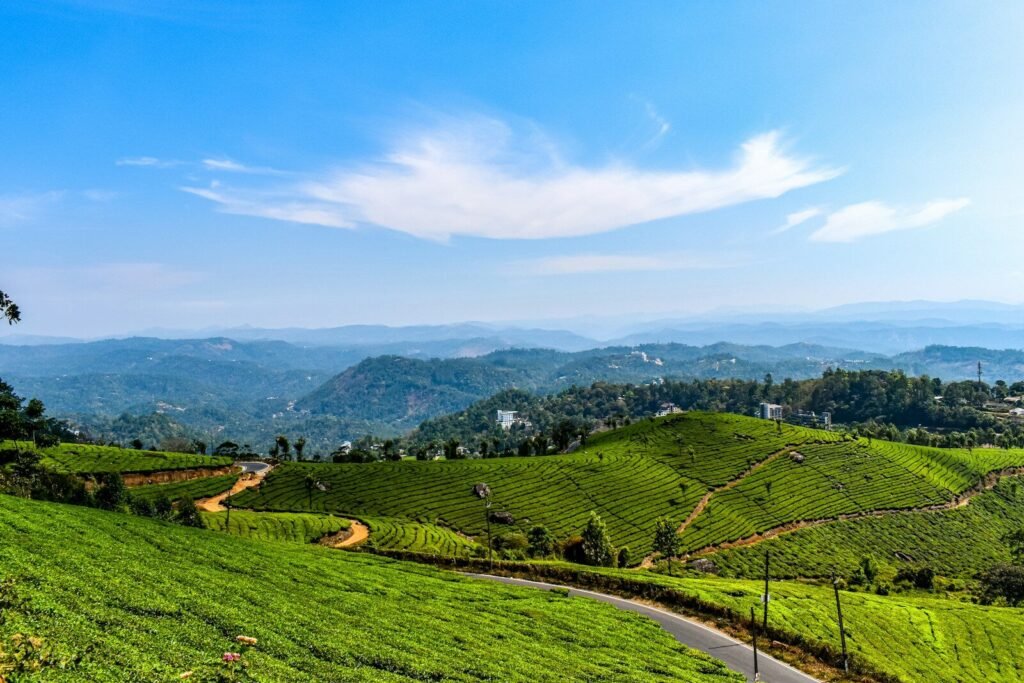
From the late 19th century, British colonial influence extended into Kerala’s high ranges. Improved transport, the introduction of cash-crop agriculture, and demand for tea, coffee, and spices led to a wave of plantation establishment. European planters and local entrepreneurs developed estates for tea, coffee, cardamom, clove and pepper. This transformed forest margins into managed plantations and changed local labor patterns, leading to new settlements and routes that eventually became the arteries of tourist access.
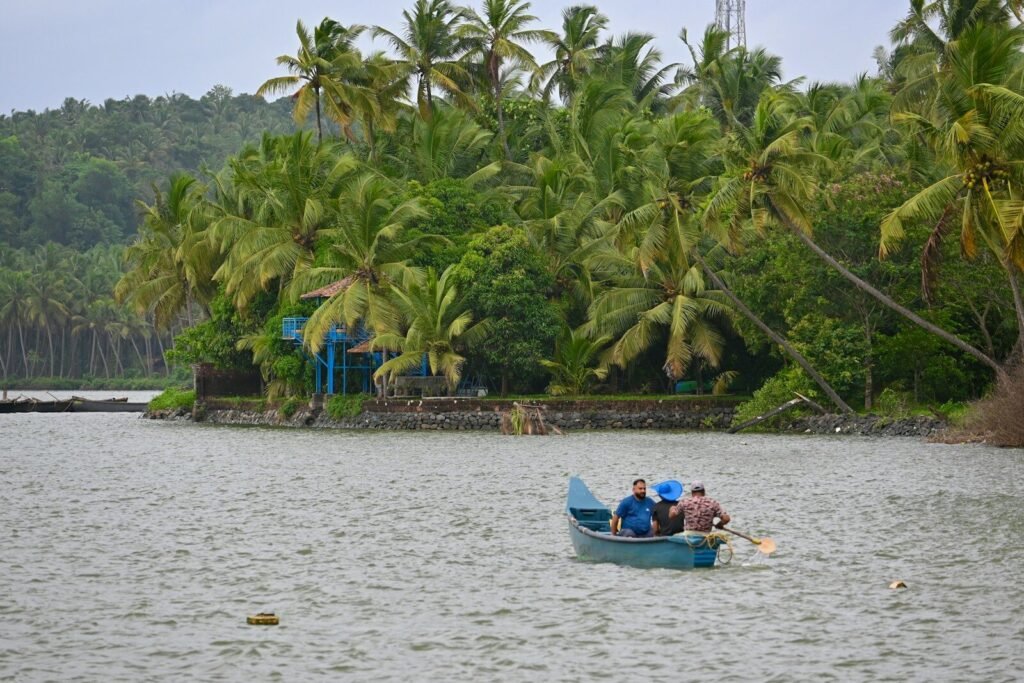
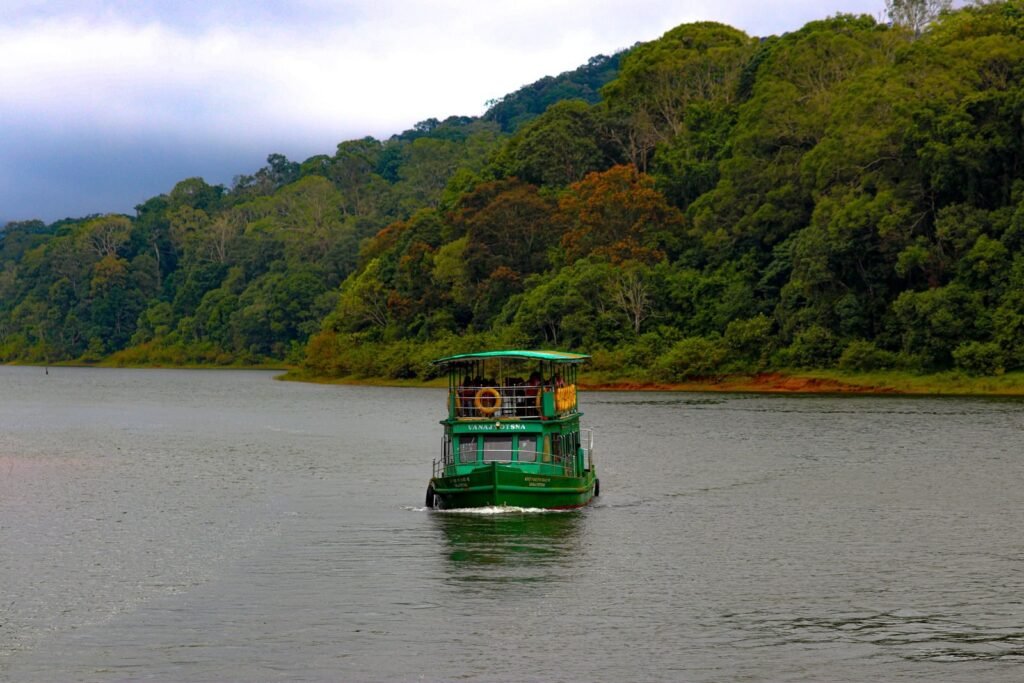
One of the most consequential engineering works affecting the region was the dam and associated water management projects on the Periyar River valley. Built in the late 19th century, these works altered hydrology and land use in the surrounding districts. The reservoir created by the dam and the regulated waterways later became central both to local agriculture and to a distinctive water-based tourism attraction — the famed Periyar Lake, whose scenic boat rides are a major draw for visitors today.
During the 20th century, growing awareness of wildlife depletion and forest loss led to formal protective measures across the Western Ghats. The dense forests around Thekkady were brought under conservation regimes, which restructured land rights, access, and livelihoods. Over time, parts of this landscape were declared wildlife reserves, and management shifted toward habitat protection, scientific research, and regulated visitor access.
The creation of the Periyar protected area converted a formerly remote forest into a site of national and international interest. The reservoir and surrounding forests together provided a rare combination: reliable wildlife sightings near water, scenic boat cruises, trekking routes, and an accessible base at Thekkady for tourists. The protected area’s management promoted controlled visitor activities — boat safaris, guided treks, and nature interpretation — which became the backbone of Thekkady’s tourism economy.
After Indian independence, road building and improved regional connectivity made Thekkady reachable from Kerala’s cities and neighboring states. Small hotels, homestays, and eco-resorts began to appear. Local communities adapted — shifting from pure plantation labor to hospitality services, souvenir production (spices and handicrafts), and guiding. Thekkady’s growth as a tourism town reflects this diversification of livelihoods and the coalescence of conservation and commerce.
Tourism also encouraged the presentation of local cultural forms — traditional Kerala dance and music, martial arts demonstrations, and tribal cultural programs — often staged for visitors in Thekkady’s hotels and cultural centers. These performances helped complement wildlife and nature-based attractions and provided avenues for cultural preservation as well as commercialization.
The boat cruises on Periyar Lake are historically rooted in the reservoir’s creation and subsequent conservation policy. The rides provide close-up wildlife viewing opportunities, especially during dry months when animals congregate near water. The activity is a living example of how colonial-era infrastructure and modern conservation have combined to create a tourism staple.
The legacy of colonial and post-colonial plantations remains visible in the landscape. Many estates offer guided walks and tours where visitors can learn about the cultivation, processing, and culinary uses of spices. These tours connect travelers with centuries-old agricultural practices while supporting estate economies.
Local tribal communities have increasingly engaged with tourism through cultural interpretation, handicrafts, and guided nature walks. Responsible initiatives seek to ensure that such engagement is equitable and that cultural expressions are presented respectfully rather than commodified.
Conservation authorities and tourism stakeholders have consequently introduced measures like regulated visitor numbers, zoned activities, and community-based conservation programs to reduce impacts.
Historically, seasonal patterns influenced when wildlife congregated and when plantations were most productive. Today, the dry months (usually late winter to early summer) are best for wildlife viewing at the lakeshore; the monsoon months transform the area into a lush, verdant zone ideal for birding and flora appreciation.
Thekkady’s rise as a tourist hub was enabled by progressive road and transport development. Modern access is by road from major Kerala cities (Kochi, Madurai, Kottayam) and by rail/air to nearby junctions followed by scenic road drives into the high ranges.
Thekkady’s tourist identity emerges from a layered history: ancient forest economies, colonial plantation investments, late-19th-century engineering works, and 20th-century conservation policies. Each historical turn has added elements that appeal to modern visitors — scenic reservoirs, rich wildlife, aromatic spice estates, and cultural encounters. Moving forward, sustaining Thekkady’s appeal will depend on balancing visitor benefits with ecological stewardship and equitable community participation. For travelers, understanding Thekkady’s historical pathways enriches the experience: every boat ride, spice-scented trail, and cultural performance is embedded in the landscape’s long story.
What makes us different from other tour package companies
Our travel experts have core and intense knowledge about Kerala sector with over 10 years of experience that will help you choose the best possible itinerary as per your requirements.
Our travel experts are just one call away during your tour to help you with any kind of immediate assistance so that your tour is a more enjoyable and hassle-free tour.
eTourismKerala ensures best rates to all our esteemed guests since we have our own hotels and fleet of vehicles and drivers and there is no third-party involvement. This ensures personalized service and best rates.






Kindly enter the details below for your Kerala Tour Package