Varkala is a coastal town in the Thiruvananthapuram district of Kerala, India, known today as a distinctive tourist destination where a line of ancient seacliffs meets sandy beaches. Beyond its scenic appeal, Varkala has layers of historical, religious and cultural significance that have shaped the way visitors experience it. This article traces the history of Varkala with an eye to how that history has influenced, and continues to shape, tourism in the area.
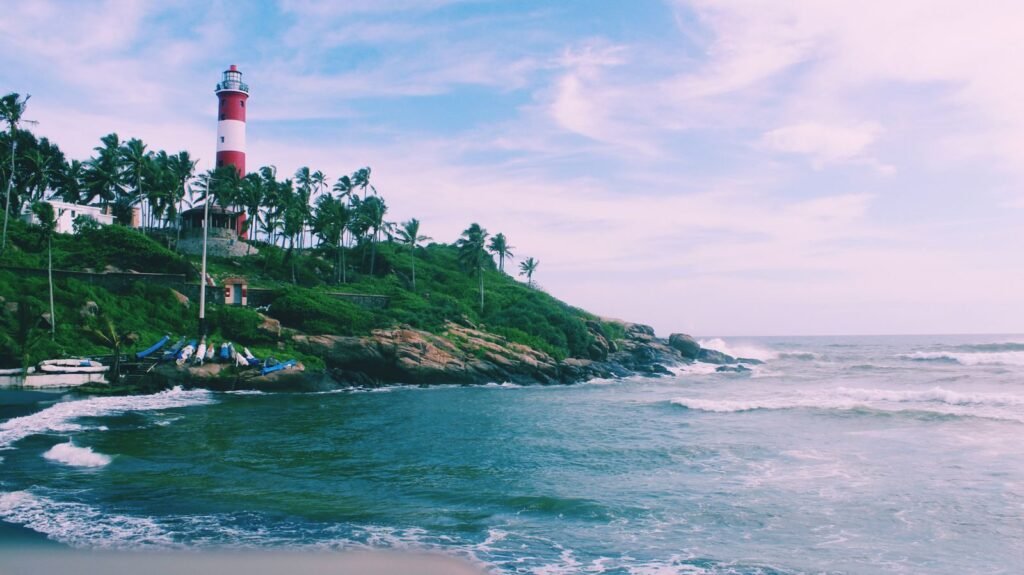
Varkala’s cliffs are central to both its identity and its appeal to tourists. The cliffs form part of what geologists call the Varkala Formation—sedimentary rocks that are relatively rare along the southwest coast of India. The dramatic escarpment that runs parallel to the Arabian Sea creates a cliff-top promenade, viewpoints, and a unique coastal ecology that separates Varkala from the typical flat beaches of Kerala.
Visual appeal: the cliffs create panoramic sea views that attract photographers, honeymooners and sunset watchers.
Accessibility: cliff-top cafes, resorts and walking paths have grown up along the edge, making the geography a built-in tourist circuit.
Educational tourism: the formations draw geologists and students interested in coastal geology and sedimentology.
Like much of Kerala’s coastline, the broader coastal region around Varkala was part of southern India’s maritime networks for centuries. While the best-documented ancient port of Kerala is Muziris (near modern Kodungallur), smaller coastal settlements along this stretch engaged in coastal trade, fishing and cultural exchange.
At the heart of Varkala’s historical identity is the Janardana Swamy Temple, located a short distance inland from the cliff area. The temple is locally believed to be ancient—tradition and archaeological indications point to a long-standing place of worship that predates many modern institutions in the area. The temple’s rituals, architecture and festivals have historically made Varkala a site of pilgrimage, long before it became a mainstream tourist town.
In the medieval period, the coastal regions of Kerala—divided among local chieftains and larger kingdoms such as the Cheras—continued to develop temple-centered settlements and small ports. Varkala’s immediate hinterland remained agrarian and temple-focused, with local rulers and merchant communities supporting pilgrimage-related activity. The presence of an established temple helped anchor population and travel routes that later supported tourism.
During the colonial period (17th–20th centuries), the broader Thiruvananthapuram area became more connected to global trade and colonial administration. While Varkala itself was never a major colonial port, improved roads and later rail and road links to Thiruvananthapuram and Cochin made coastal towns more accessible. Colonial-era travelers and early 20th-century Indian reformers occasionally visited the area, paving the way for later tourist infrastructure.
One of the most important modern historical influences on Varkala’s profile is the establishment of the Sivagiri Mutt on Sivagiri Hill by followers of Sree Narayana Guru, a towering social and spiritual reformer of Kerala. Sivagiri became a center for social reform, education and spiritual practice.
Pilgrimage flows: Sivagiri draws devotees year-round and especially during annual rituals and commemorative events, contributing steady footfall to Varkala.
Culture and heritage tourism: the ashram and associated institutions add a spiritual-cultural dimension that complements beach tourism.
Through the mid-20th century, Varkala remained best known to residents of Kerala and neighboring regions as a pilgrimage site because of the Janardana Temple and Sivagiri. From the 1960s–1980s, Kerala’s overall tourist profile began to grow—driven by Ayurveda, backwaters and spiritual tourism—and Varkala started to be discovered for its beach and cliff scenery.
From the late 20th century onward, Varkala attracted a more diverse mix of visitors: young backpackers seeking beaches and inexpensive lodging, alternative-lifestyle tourists interested in yoga and Ayurveda, and international travelers enquiring about both relaxation and local culture. Small guesthouses, cliff-side cafés and wellness centers emerged along the cliff-top road, shaping the modern tourist landscape.
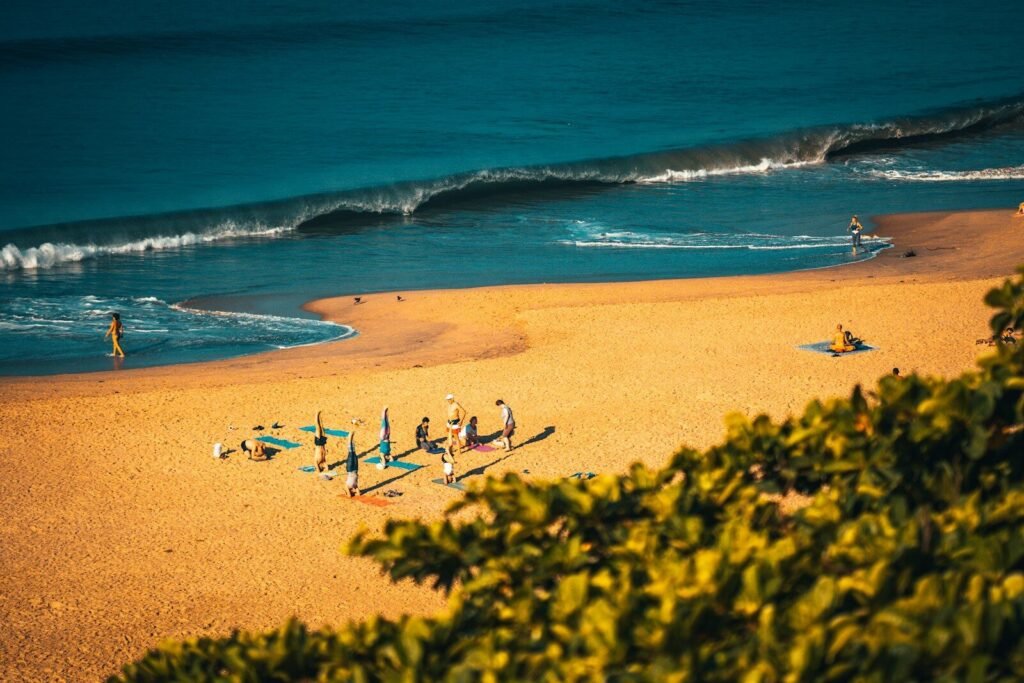
Papanasam (Varkala) Beach: locally famed for the practice of ritual bathing (pāpanāśam – “washing away sins”) and for its long sandy stretch beneath the cliffs.
Janardana Swamy Temple: an ancient Vishnu temple that anchors Varkala’s religious tourism.
Sivagiri Mutt and Sivagiri Hill: the samadhi and institutions associated with Sree Narayana Guru, drawing pilgrims and those interested in Kerala’s social reform history.
Varkala Cliff Walk and Cafés: a modern attraction—cafés, shops and accommodations line the cliff road and provide sunset views and social spaces for tourists.
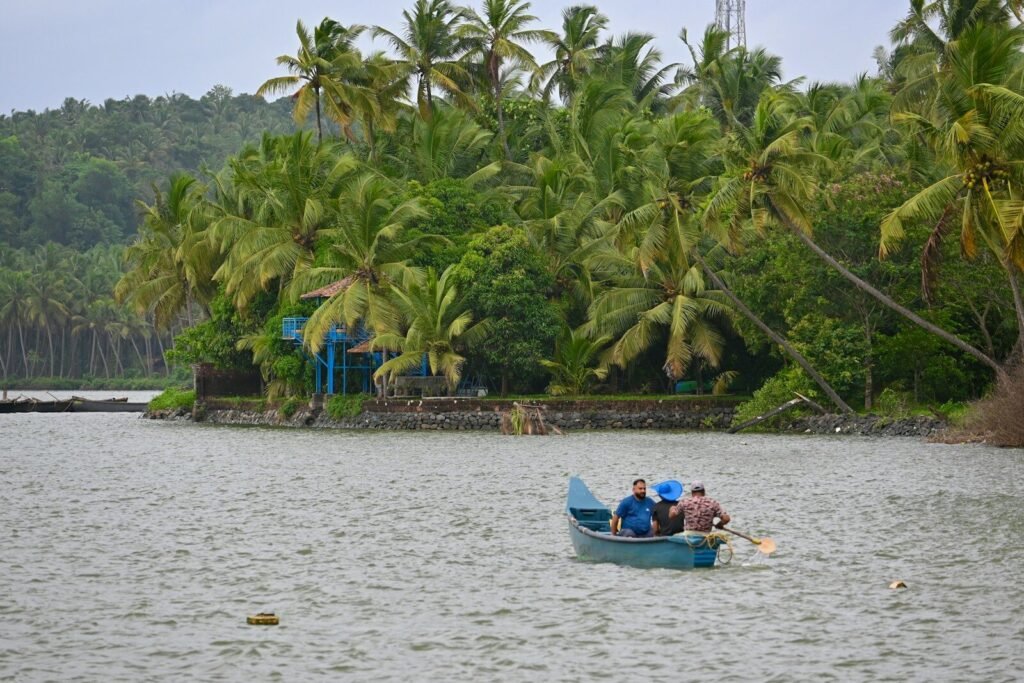
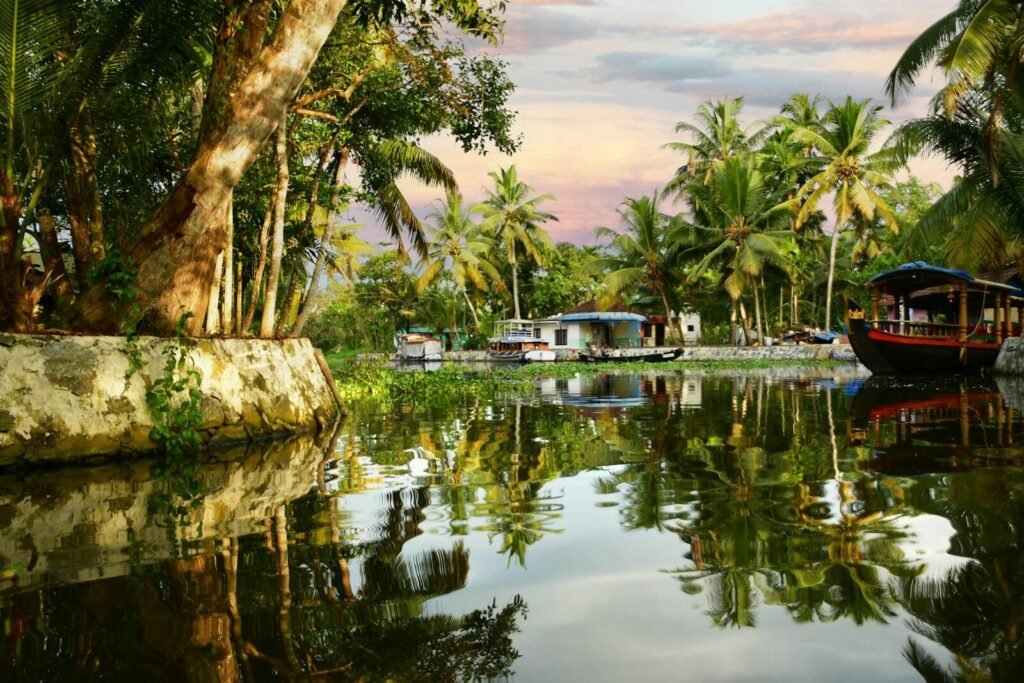
Kappil Lake and Backwaters: nearby backwater stretches and estuaries offer boat rides and quiet nature experiences.
Religious festivals at Janardana Temple and the annual pilgrimages to Sivagiri increase visitor numbers at particular times of year. These events are not only religious but also cultural spectacles that attract both domestic tourists and cultural-tourism visitors interested in Kerala’s temple traditions and reform movements.
Varkala’s growth as a tourism hub has brought economic opportunities—employment in hospitality, guides, transport, wellness services and retail. However, the town also faces challenges common to coastal tourist destinations:
Environmental pressure: waste management, plastic pollution and pressure on fragile cliff ecosystems.
Coastal erosion and safety: managing cliff-edge development and visitor safety along the escarpment.
Sustainable tourism needs: balancing accommodation and commercial growth with local culture, coastal ecology and pilgrimage traditions.
Local authorities, businesses and civil society groups have increasingly discussed and implemented measures to promote more sustainable tourism—waste segregation, regulated building along the cliffs, promotion of off-season and village-based tourism, and support for traditional livelihoods.
Varkala’s tourism is distinctive because it brings together multiple historical currents:
Ancient religiosity: pilgrimage and temple ritual remain active and visible.
Modern social reform: the legacy of Sree Narayana Guru and Sivagiri draws spiritually-minded visitors and those interested in Kerala’s social history.
Geological uniqueness: the cliffs are both a scientific curiosity and a scenic magnet.
Wellness and cultural tourism: Ayurveda, yoga and small-scale cultural experiences make Varkala a blended destination for wellness and cultural tourism.
Many tourists come to Varkala seeking relaxation, but most also encounter its layered history: they watch rituals and temple life at Janardana, visit Sivagiri to learn about social reform, stroll the cliff promenade with its colonial-era echoes and contemporary cafés, and take boat rides that recall old coastal livelihoods. This combination—relaxation, spirituality, culture and geology—is what makes Varkala historically resonant as a tourist destination.
Best times to visit: cooler months and festival periods when temple rituals and pilgrimages are most active (check local calendars).
Guided history walks: local guides and some heritage groups offer walks that explain the temple history, Sivagiri’s story and the geology of the cliffs.
Respect local practices: pilgrimage sites have dress and behavior expectations—observe temple rules and local customs.
Sustainability-minded tourism: choose locally owned businesses, minimize plastic use and stay on designated paths along the cliffs.
Varkala’s appeal to tourists rests on the coexistence of natural spectacle and layered history. From its ancient temple rituals and pilgrimage culture to the modern impact of Sivagiri and the contemporary cliff-side tourist economy, history is not a remote backdrop but an active part of the visitor experience. Responsible tourism that respects the town’s religious traditions, fragile coastal ecology and local livelihoods will be essential to preserving Varkala’s historic character for future generations.
Visit the Janardana Swamy Temple and Sivagiri Mutt for direct experience of the town’s religious history.
Seek out local museums, heritage walks and knowledgeable guides to deepen historical understanding.
Explore the cliffs at different times of day—morning for geology and sunrise, evening for sunset—while following safety advice.
Note: This article emphasizes widely known historical and cultural facts that shape Varkala’s identity as a tourism site. For specialized archaeological or geological detail, consult academic publications and reports from the Geological Survey of India and regional historians.
What makes us different from other tour package companies
Our travel experts have core and intense knowledge about Kerala sector with over 10 years of experience that will help you choose the best possible itinerary as per your requirements.
Our travel experts are just one call away during your tour to help you with any kind of immediate assistance so that your tour is a more enjoyable and hassle-free tour.
eTourismKerala ensures best rates to all our esteemed guests since we have our own hotels and fleet of vehicles and drivers and there is no third-party involvement. This ensures personalized service and best rates.




















Kindly enter the details below for your Kerala Tour Package