Best Time to Visit Alappuzha Beach (Alleppey) — A Tourism Guide
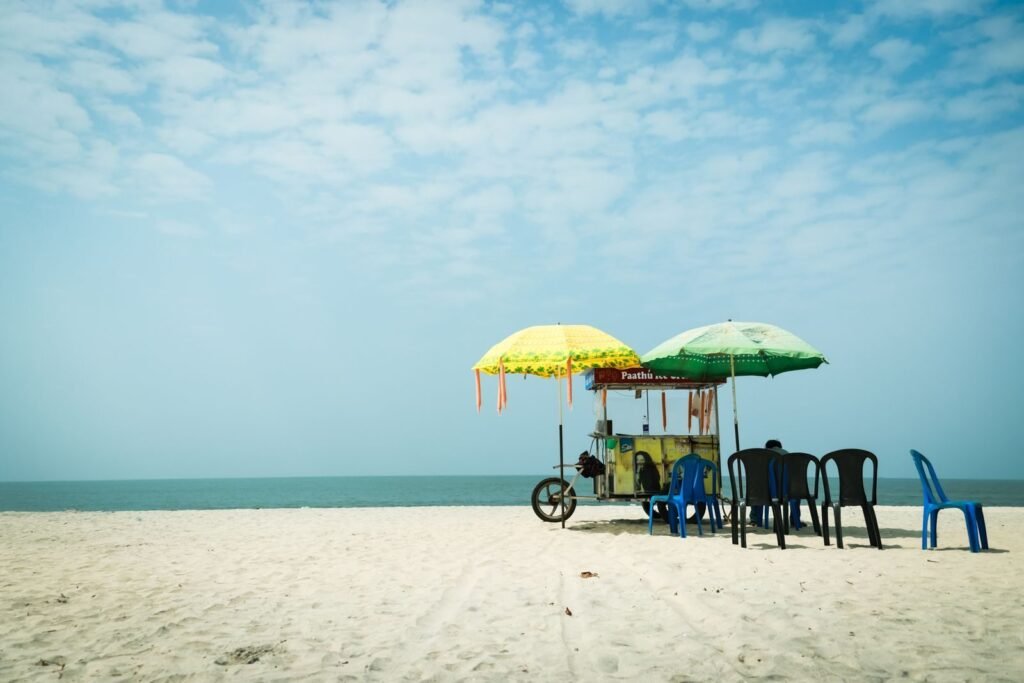
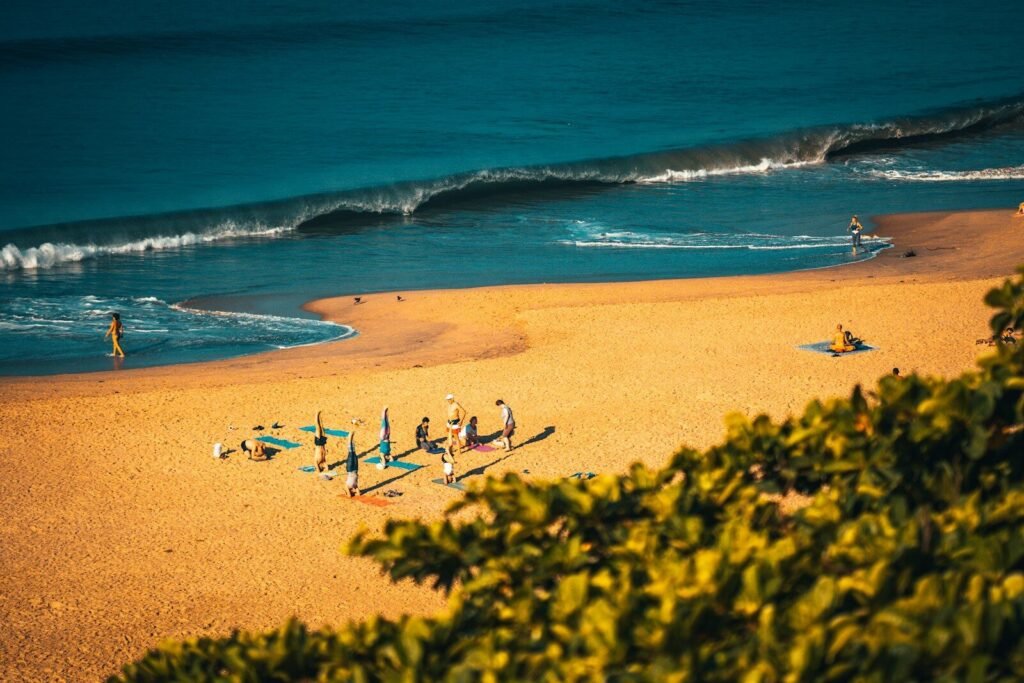
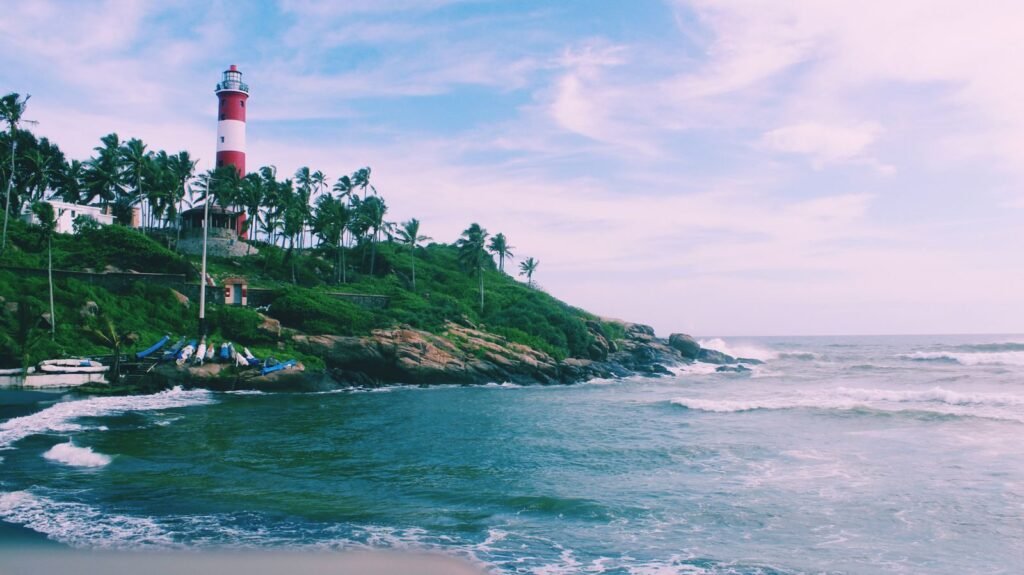
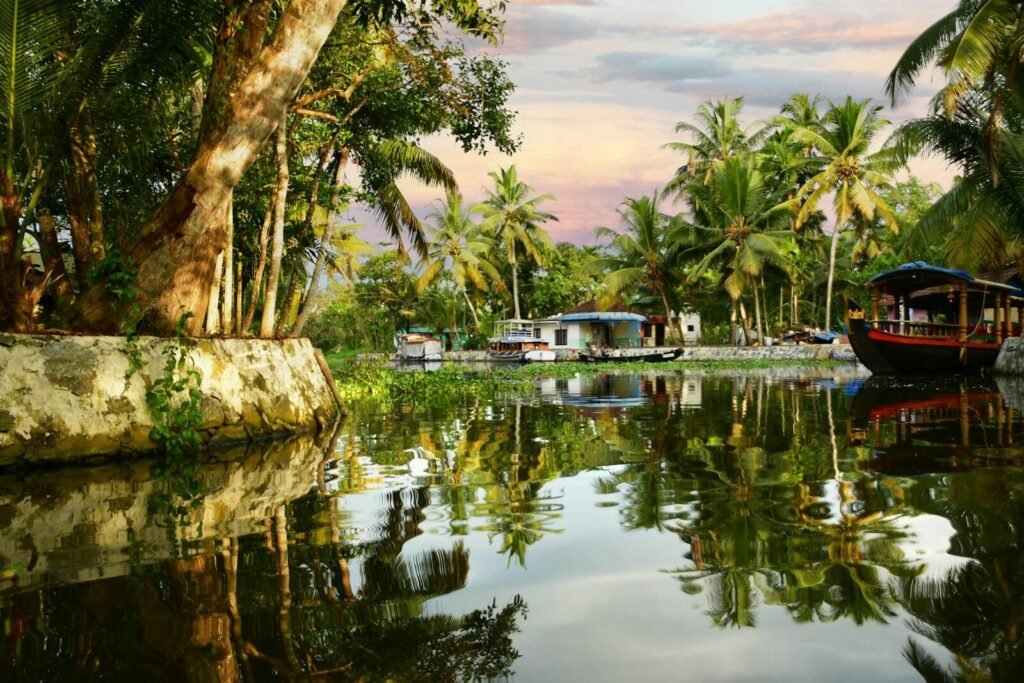
Alappuzha (Alleppey) is one of Kerala’s most charming coastal destinations, famed for its serene backwaters, quaint canals, houseboats and the long stretch of sandy Alappuzha Beach. Choosing the right time to visit affects what you can do and how comfortably you will enjoy the beach, backwaters and local culture. This guide explains the seasonal variations, recommended months, activities by season, practical tips and sample itineraries to help you plan the perfect visit.
At a Glance: Climate and Seasons
- Winter / Dry season: November to February — pleasant temperatures, mild evenings, lowest rainfall
- Summer / Pre-monsoon: March to May — hot and humid, bright sun but calm seas early in the day
- Monsoon (Southwest): June to September — heavy rain, rough sea, lush green landscapes
- Retreating monsoon: October to early November — intermittent rains, cooling weather
Best Time to Visit
November to February is the best overall time to visit Alappuzha Beach. During these months you will find:
- Comfortable daytime temperatures (roughly 24–31°C) and cooler nights.
- Lower humidity and clearer skies—ideal for beach walks, sunrises/sunsets and photography.
- Calm sea conditions for safe swimming and water sports (where available).
- Full houseboat and tourism services operating without monsoon interruptions.
Why November–February?
The post-monsoon freshness combined with stable weather makes sightseeing, houseboat cruises and outdoor activities much more enjoyable. Festivals, local markets and food stalls are also in full swing, and the coast is at its cleanest after the monsoons have receded.
Season-by-Season Breakdown
November to February — Peak/Ideal Season
- Activities: Beach walks, sunrises, evening promenade, houseboat cruises on Vembanad Lake, birdwatching, fishing village visits and boat tours.
- Events: Local festivals and cultural programs (dates vary). Peak tourist season around Christmas and New Year — book early.
- Crowd: Moderate to high, especially in December–January.
March to May — Hot and Humid
- Activities: Early-morning beach visits, backwater cruises (with AC on houseboats), Ayurvedic treatments and spas.
- Considerations: Afternoon heat can be intense; plan outdoor activities early or late in the day.
June to September — Monsoon (Limited Beach Use)
- Activities: Lush landscapes, dramatic skies, monsoon Ayurveda treatments and leisure stays on houseboats (some operators reduce services).
- Considerations: Heavy rain and rough seas; swimming is unsafe; some boat services curtailed. The famed Nehru Trophy Boat Race usually takes place in August (dates vary), attracting many visitors.
October to Early November — Retreating Monsoon
- Activities: Green scenery, fewer tourists, improving weather.
- Considerations: Occasional showers but increasingly hospitable for travel; a good shoulder season choice.
When to Avoid
- Peak monsoon months (June–September) for beach swimming and sunbathing — seas are rough and weather unpredictable.
- Midday in summer (April–May) if you are sensitive to heat and humidity.
Key Attractions & Events to Time Your Visit Around
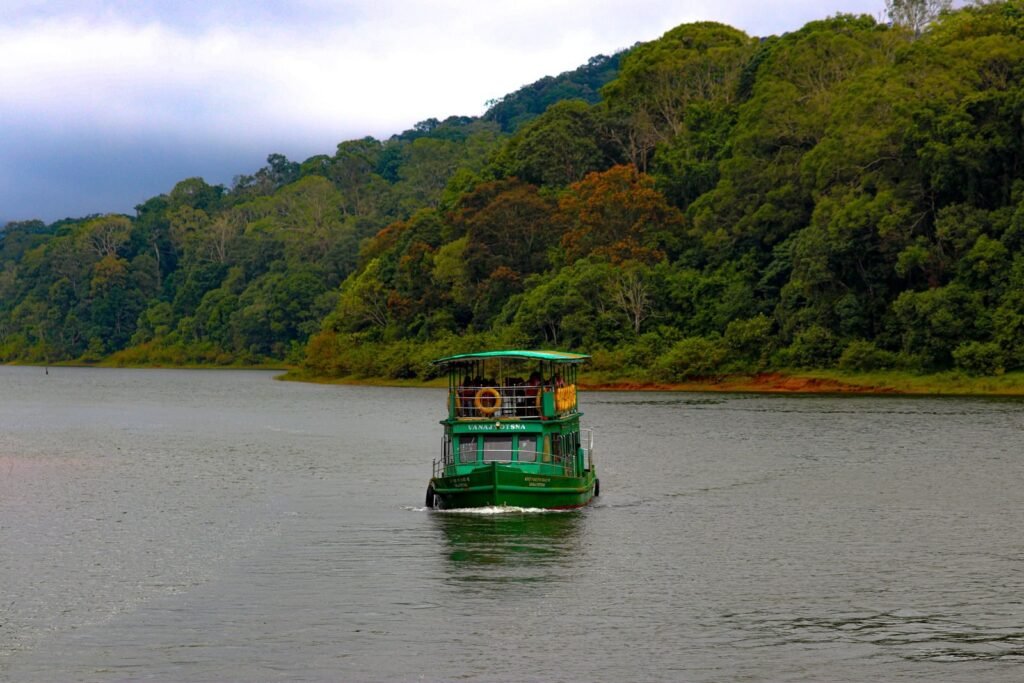
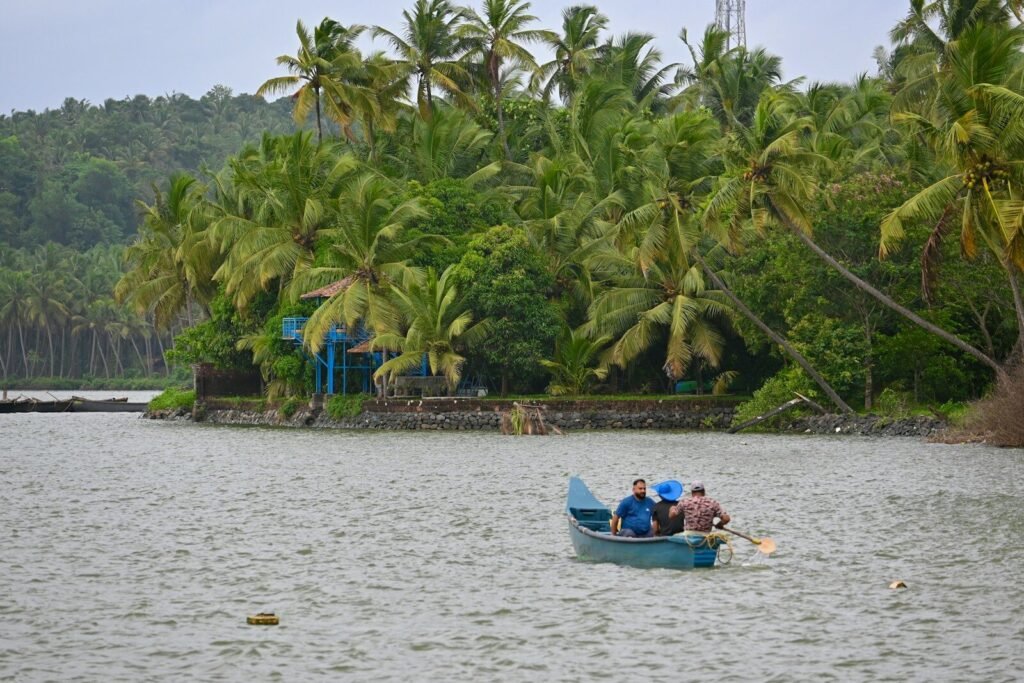
- Houseboat cruises on Vembanad Lake: Best in November–February for calm waters and clear views.
- Nehru Trophy Boat Race: Usually held in August on Punnamada Lake — an exciting cultural event if you don’t mind crowds and some monsoon weather.
- Onam: Kerala’s biggest festival (August–September) — vibrant local culture, but also tourist crowds and variable weather.
- Alappuzha Beach promenade and pier: Best enjoyed during cooler months and early evenings through the peak season.
Practical Travel Tips
- Book early: Houseboats and popular hotels fill up in December–January and during festival/boat race dates.
- Transport: Cochin International Airport (about 70–90 km) is the nearest major airport. Alappuzha railway station is well connected; roads link via NH66.
- Safety: Lifeguard coverage may be limited—avoid swimming during rough seas. Watch for strong currents and heed local warnings.
- Health: Carry sunscreen, a hat, mosquito repellent and basic medications. In monsoon, expect more mosquitoes—use repellents and appropriate clothing.
Packing Checklist
- Light cotton clothing, swimwear and a light jacket for evenings (November–February).
- Sunscreen, sunglasses, hat, water bottle and comfortable walking shoes or sandals.
- Umbrella or light rain jacket if traveling in October–November or during the monsoon.
- Portable charger, waterproof bags for electronics on boat trips.
- Basic first-aid and any prescription medicines.
Responsible Tourism Tips
- Avoid single-use plastics: Carry a refillable water bottle and refuse plastic bags where possible.
- Respect local customs: Dress modestly while visiting villages and places of worship.
- Support local businesses: Eat at local eateries, buy souvenirs from local artisans and book with certified houseboat operators.
- Leave no trace: Do not litter beaches or backwaters; dispose of waste responsibly.
Sample Itineraries Based on Visit Length
1-Day Visit (Quick Beach & Backwater Experience)
- Morning: Early stroll at Alappuzha Beach and pier for sunrise.
- Midday: Short backwater cruise or village boat ride.
- Evening: Watch sunset at the beach and enjoy seafood at a local restaurant.
3-Day Visit (Relaxed & Cultural)
- Day 1: Arrive, Alappuzha Beach promenade, lighthouse and local markets.
- Day 2: Full-day houseboat cruise with overnight stay on Vembanad Lake.
- Day 3: Visit nearby Kumarakom/Marari Beach or local temples and return.
5-Day Visit (Immersive Backwater & Beach)
- Day 1: Arrive and explore Alappuzha town and beach.
- Day 2–3: Overnight houseboat cruise with fishing village stops.
- Day 4: Relax at nearby Marari Beach or indulge in Ayurvedic spa treatments.
- Day 5: Local markets, cultural shows and departure.
Accessibility & Family Considerations
- Alappuzha is family-friendly; beaches are easily accessible though lifeguard availability varies.
- Houseboats can be arranged to accommodate families and seniors, but check for easier boarding options and onboard facilities if mobility is limited.
- Medical facilities are available in town; carry any specialty medication needed for older travelers or children.
Final Recommendation
For most travelers, November through February offers the best mix of weather, activities and accessibility at Alappuzha Beach and the surrounding backwater attractions. If you prefer fewer crowds and green landscapes, consider the shoulder periods (October–early November or late February–March). Avoid the heavy monsoon months for beach recreation, but consider them if you want monsoon scenery and Ayurvedic retreat experiences.
Enjoy Responsibly
Alappuzha’s charm lies in its natural beauty and local culture. Plan according to the season, respect the environment and local communities, and you’ll have a memorable coastal and backwater experience.