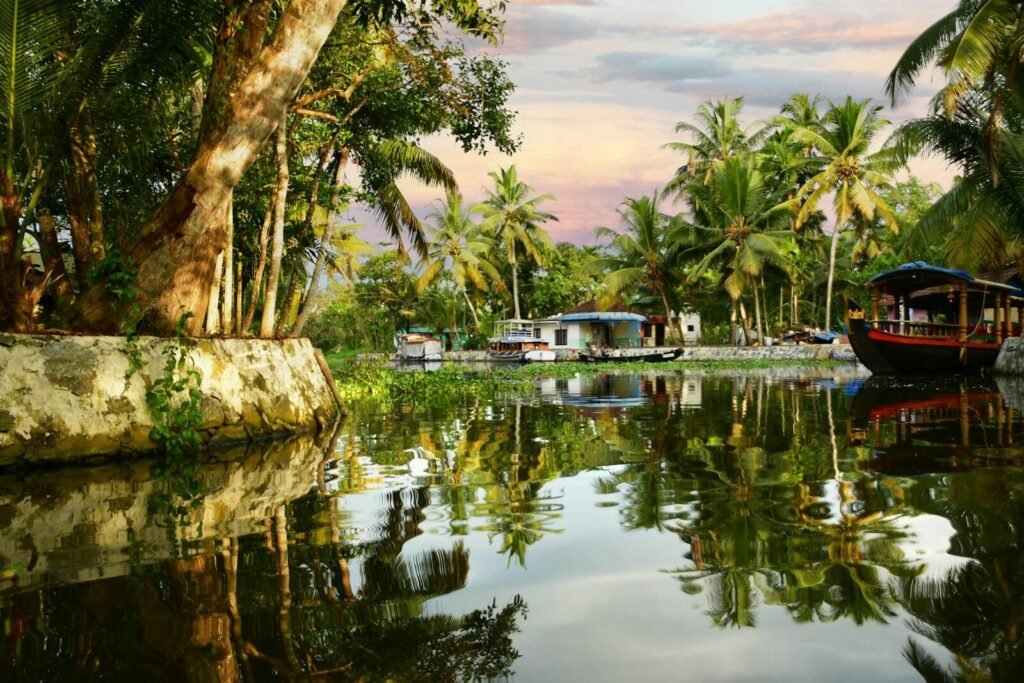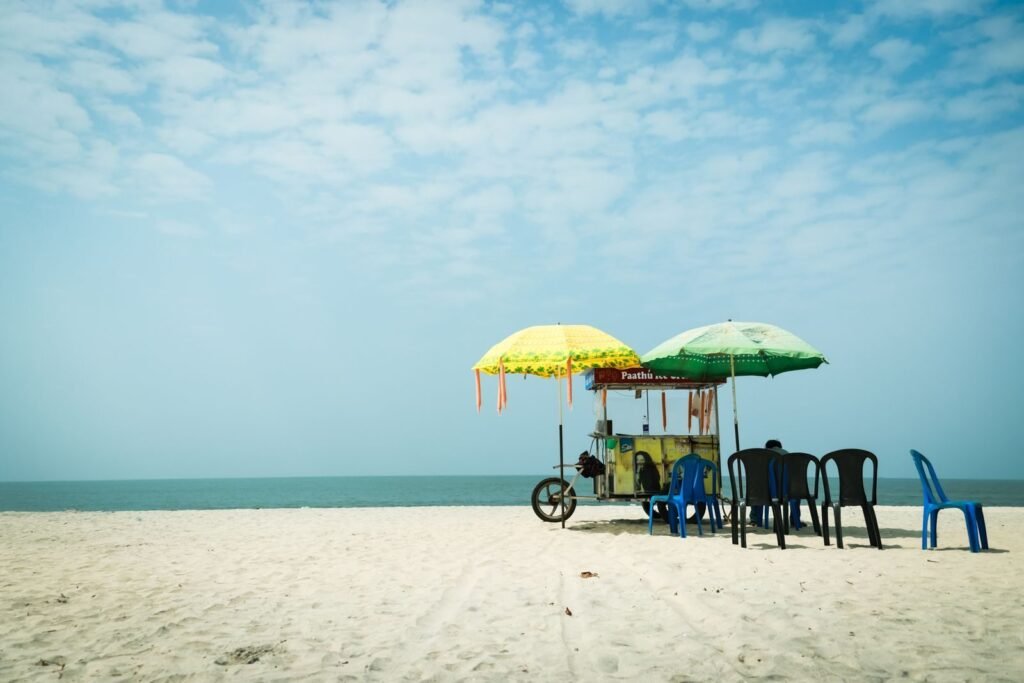
Alappuzha (commonly known as Alleppey) and its beach occupy a distinctive place in Kerala’s coastal landscape and tourism narrative. Located on the Arabian Sea coast, Alappuzha Beach has evolved from a functional seaside of a trading port into a beloved tourist destination famed for its sunsets, historic pier and lighthouse, and proximity to the vast backwater network that gives the region the nickname “Venice of the East.” This article traces the historical development of Alappuzha Beach and places it in the broader context of tourism growth, socio-economic change and conservation challenges.
Alappuzha’s origins as an organized port and urban centre date to the mid-18th century. The port was developed under the patronage of the Travancore rulers to create a maritime outlet for the kingdom’s agricultural and artisanal produce — spices, coir and other commodities — linking the interior waterways to international trade routes. The systematic construction of canals and inland waterways in and around Alappuzha amplified the town’s strategic importance.
These early investments in water transport and local industry established Alappuzha as an economic hub. A network of canals and backwaters allowed goods to be moved efficiently between the hinterland and the coast, fostering the growth of the coir industry and allied trades that would define the region for generations.
During the colonial period and the subsequent global expansion of maritime commerce, Alappuzha’s role as a coastal gateway increased. Colonial-era improvements to ports and transport links — including roads and later rail connections in the broader region — integrated Alappuzha more closely with domestic and overseas markets. Infrastructure such as the beach promenade, the jetty/pier and navigational installations were introduced or upgraded in phases, reflecting both local needs and colonial administrative priorities.
The visible remnants of this era — the pier extending into the Arabian Sea, and the lighthouse that helps guide vessels — have become iconic landmarks that connect the present-day visitor experience to Alappuzha’s maritime past.
The 20th century saw gradual shifts in how Alappuzha’s coastal and water resources were used and perceived. As commercial shipping patterns changed and larger ports emerged, Alappuzha’s international trading prominence diminished. At the same time, growing interest in leisure travel, scenic backwaters and traditional culture transformed local economies.
Key developments that supported tourism growth included:
Alappuzha’s tourism appeal is strengthened by its cultural calendar. The boat races, temple festivals and local fairs bring together communities and visitors, creating an immersive cultural tourism experience. The yearly snake boat races are particularly influential in drawing crowds and media attention, underscoring the link between traditional practices and contemporary tourism.
Tourism in and around Alappuzha Beach has generated diverse economic opportunities, from hospitality and transport to handicrafts and food services. The houseboat industry, in particular, created new livelihoods for boat operators, craftsmen and service providers. At the same time, tourism-led demand has supported small-scale entrepreneurship, including homestays, tour services and cultural performances.
However, tourism has also created challenges: seasonal employment patterns, pressure on local infrastructure, and the need for skills and capacity building to ensure equitable benefits across communities.
The coastal zone that supports Alappuzha Beach and the adjacent backwaters is environmentally sensitive. Key challenges include:
In response, local authorities, community groups and tourism stakeholders have begun implementing conservation measures, responsible tourism practices and awareness campaigns to reduce negative impacts while maintaining visitor appeal.
Alappuzha Beach and nearby historical features are part of a broader cultural landscape that includes colonial-era structures, traditional boatbuilding yards and markets. Efforts to interpret and conserve these heritage elements—through signage, guided walks, museums and community storytelling—enhance the tourism experience and help preserve local identity.
The future of Alappuzha Beach as a tourism destination depends on balancing visitor experience, heritage conservation and environmental resilience. Priority directions include:
Alappuzha Beach embodies the layered history of a place shaped by waterways, trade, traditional craft and cultural life. Over centuries it has shifted from a functional port margin to a modern tourism asset that offers scenic pleasure, cultural experiences and a gateway to the famed Kerala backwaters. Preserving its historical identity while managing environmental and social pressures will determine whether Alappuzha Beach continues to thrive as a sustainable and meaningful destination for future generations.
What makes us different from other tour package companies
Our travel experts have core and intense knowledge about Kerala sector with over 10 years of experience that will help you choose the best possible itinerary as per your requirements.
Our travel experts are just one call away during your tour to help you with any kind of immediate assistance so that your tour is a more enjoyable and hassle-free tour.
eTourismKerala ensures best rates to all our esteemed guests since we have our own hotels and fleet of vehicles and drivers and there is no third-party involvement. This ensures personalized service and best rates.
























Kindly enter the details below for your Kerala Tour Package