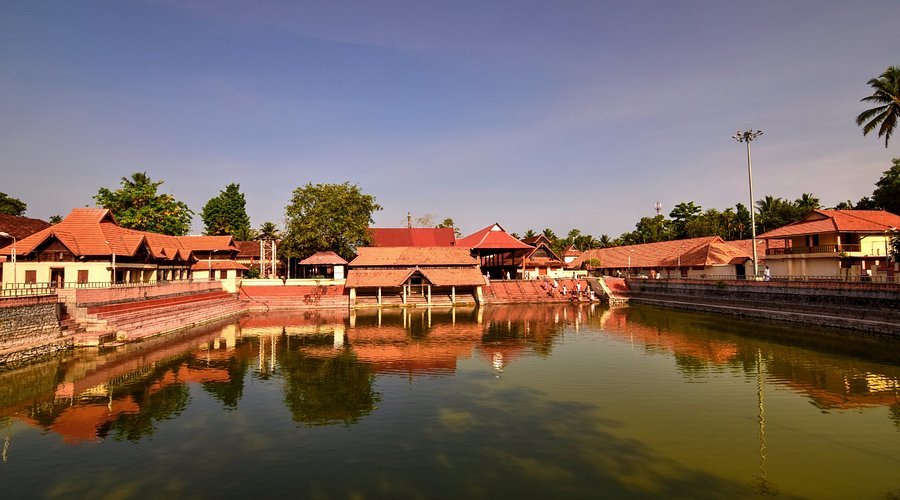
The Ambalappuzha Sree Krishna Temple, located near Alappuzha (Alleppey) in Kerala, is one of the region’s most famous Krishna shrines and a popular stop for visitors exploring the backwaters. Below is a detailed FAQ-style guide tailored for tourists, covering practical information, cultural protocols, festivals, and travel tips. Please note that temple rules and timings can change; always check local/official sources before you travel.
The temple is an important Vaishnava shrine in Kerala and is well known for its ritual worship of Lord Krishna and the tradition of distributing palpayasam as prasadam. It also has cultural and historical importance in local tradition and temple architecture. Many visitors come for both religious darshan and to experience local customs.
Timings at Kerala temples vary seasonally and on festival days. As a general pattern, many temples open early morning, close around late morning/early afternoon, and reopen in the evening for night/arthikala pujas. However, the exact schedule at Ambalappuzha can change—please verify current timings through the temple office, local tourism counters, or a trusted local source before planning your visit.
Most Hindu temples in Kerala, including Ambalappuzha, do not charge a general entry fee for darshan. Special sevas, private rituals, or facilitated queues (if available) may have charges. Confirm at the temple counter for any fees related to special offerings or sevas.
Kerala temples generally expect modest and traditional attire. Typical expectations include:
Photography policies vary. Generally, photography is restricted inside the sanctum sanctorum and during certain rituals. Photography in outer temple areas may be allowed but always ask temple staff or security before taking photos. Respect signs and priest instructions.
Palpayasam is the temple’s signature prasadam. Distribution usually takes place at prescribed times; there may be a dedicated counter or prasadam queue. During festivals or peak tourist seasons, prasadam lines can be long—come early or inquire at the temple counter for timings and procedure. Buying packaged prasadam (if available) from authorized counters is often possible for travelers who cannot wait in line.
Important celebrations include Krishna-related festivities such as Sree Krishna Jayanthi (Janmashtami) and temple-specific festival events culminating in rituals like arattu (the holy bath ceremony). Festival seasons draw large crowds; those seeking a lively cultural experience should plan for these dates, while visitors seeking a quieter visit should avoid peak festival days. The most pleasant weather for tourism in Kerala is generally from October to February.
Options include:
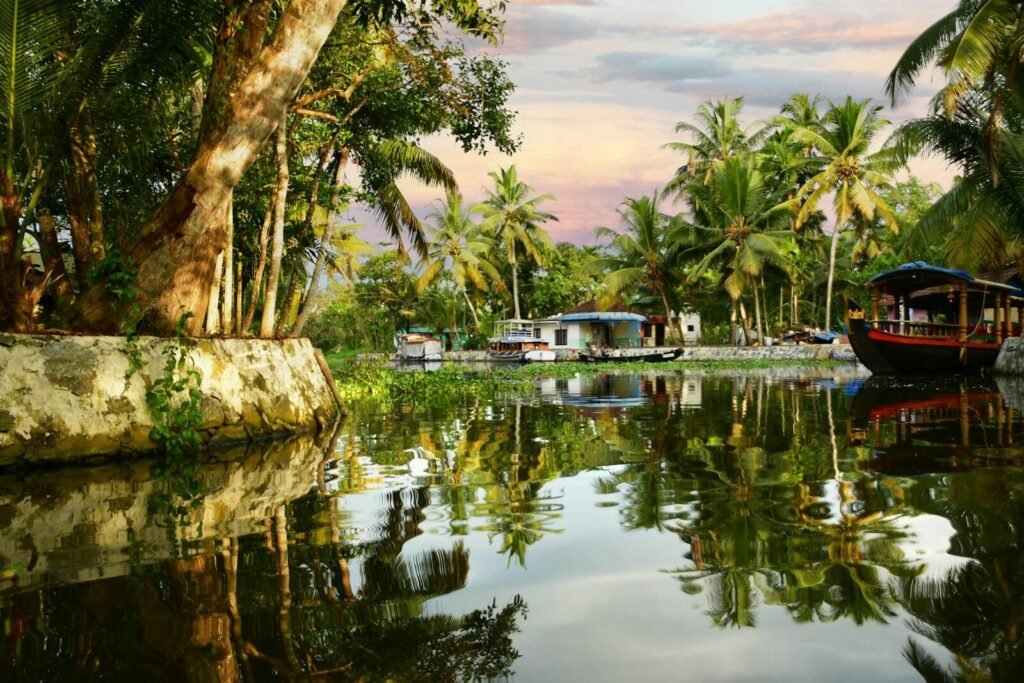
Yes. Alappuzha/Alleppey offers backwater tours, beaches, and other cultural sites. Nearby temples and local heritage spots, boat jetties, and traditional markets make it easy to combine a temple visit with broader sightseeing and a houseboat experience.
Ambalappuzha and Alappuzha offer a range of accommodations: hotels, lodges, guesthouses, and homestays. During festival periods, availability can be limited—book in advance. Many visitors prefer to stay in Alappuzha town for a wider choice of services and to be close to houseboat terminals.
Traditional Kerala temples are often built on older layouts with steps and limited ramp access. Accessibility provisions have been improving in many places, but specific arrangements at Ambalappuzha may be limited. If you require assistance, contact the temple office or local authorities in advance to arrange help.
Some temples allow devotees to sponsor or participate in specific sevas and offerings. Availability, booking procedure, and fees (if any) vary by temple. If you wish to arrange a special seva, contact the temple administration in advance for details on timings, eligibility, and payment methods.
Many temple premises receive visitors from outside Kerala and may have volunteers, guides, or printed materials in English. However, availability varies—if you want a guided explanation of rituals, history, or architecture, consider hiring a local licensed guide or asking at the tourism desk in Alappuzha.
Festival days draw heavy crowds; if you prefer a quieter visit, avoid major festival dates and weekends. Monsoon months (typically June–September) bring heavy rains that can disrupt transport and outdoor plans—check seasonal weather and local advisories.
For current timings, festival schedules, contact numbers, and special announcements, consult:
Bring comfortable, modest clothing; plan to arrive early to avoid crowds; taste the famous palpayasam; combine the temple visit with a backwater trip in Alappuzha for a richer Kerala experience; and always be respectful of religious practices and local customs. If you have specific needs (accessibility, special seva bookings, group darshan), contact the temple administration in advance.
If you’d like, I can help prepare a sample half-day or full-day itinerary that combines Ambalappuzha Temple with backwater sightseeing, suggest nearby places to stay, or draft a checklist (what to pack, local phrases, transport options). Just tell me your travel dates and preferences.
What makes us different from other tour package companies
Our travel experts have core and intense knowledge about Kerala sector with over 10 years of experience that will help you choose the best possible itinerary as per your requirements.
Our travel experts are just one call away during your tour to help you with any kind of immediate assistance so that your tour is a more enjoyable and hassle-free tour.
eTourismKerala ensures best rates to all our esteemed guests since we have our own hotels and fleet of vehicles and drivers and there is no third-party involvement. This ensures personalized service and best rates.
























Kindly enter the details below for your Kerala Tour Package