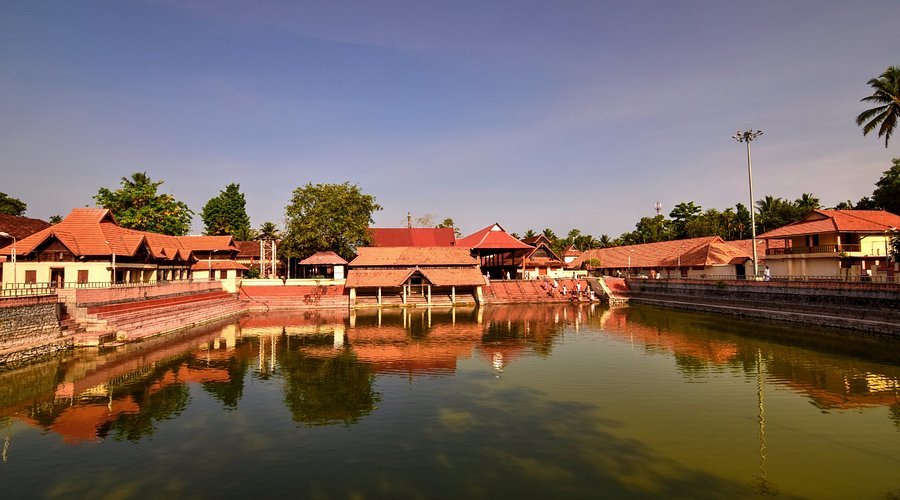
The Ambalappuzha Sree Krishna Temple, located near Alappuzha (Alleppey) in the state of Kerala, is one of the most revered sacred sites in southern India. Famed for its unique deity and the famed Ambalappuzha Palpayasam (sweet milk rice), the temple combines religious devotion, classical Kerala architecture, living traditions and a long historical memory that continues to attract pilgrims, cultural tourists and heritage travelers from India and abroad.
Ambalappuzha is principally dedicated to Lord Krishna, worshipped here in a serene, childlike form. The temple’s image in local culture far exceeds its physical size: it is an emblem of devotion, classical ritual practice and culinary offering. For many visitors, the experience of receiving the temple’s signature palpayasam after darshan is as important as the darshan itself.
The exact date of the temple’s foundation is not definitively recorded in a single inscription, but local tradition, temple records and regional histories indicate that Ambalappuzha has been a seat of worship for many centuries. The temple grew under the patronage of local chieftains and the rulers of the region (often referred to in historical sources as the Chempakassery or Ambalappuzha line), and it continued to be supported and renovated by successive administrations.
Several features of the temple — its ritual forms, its connection to palace culture and its role in regional devotional networks — reflect medieval and early modern developments in Kerala’s temple system. Over time the temple accrued new structures, renovations of the sanctum (sreekovil), and ritual practices that codified its distinctive identity.
As with many ancient temples, Ambalappuzha’s history is enriched by legend. Local tradition relates stories of divine manifestations, miraculous events and royal devotion that explain the origin of the main idol and the palpayasam offering. These narratives, transmitted in local songs and temple lore, remain important to devotees and help shape pilgrim expectations.
The temple is an exemplar of traditional Kerala temple architecture. Key elements include:
The roofs, woodwork, murals and metalwork reflect local craftsmanship. While the temple is not large in comparison to some pan-Indian complexes, its architectural proportions and aesthetic refinement convey a strong sense of continuity with Kerala’s temple-building tradition.
Ambalappuzha’s best-known ritual is the offering and distribution of palpayasam, a sweetened milk-rice pudding. This offering is prepared as naivedya (food offering) and distributed to devotees as prasadam. The palpayasam is widely regarded as a hallmark of the temple and is believed by devotees to carry special blessings from the deity.
Other ritual practices include daily poojas, classical temple music and the observance of major Vaishnava festivals. The temple calendar also contains seasonal observances and special offerings that attract larger pilgrim crowds.
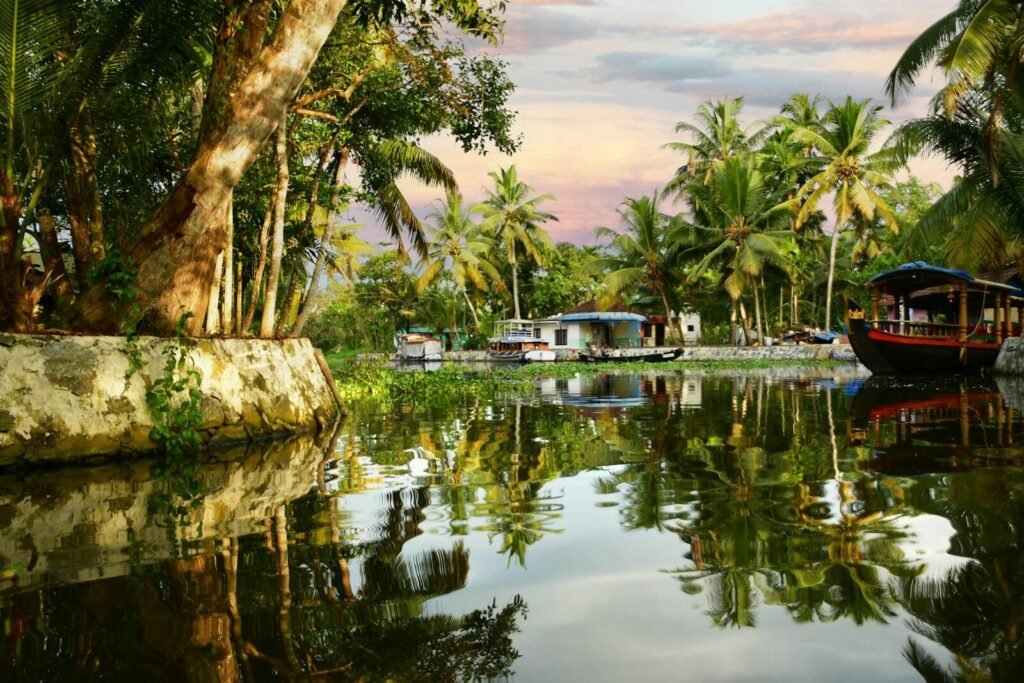
Ambalappuzha has become a key stop for travelers exploring the Alleppey region because it combines heritage, devotion and cultural experience. The temple complements the backwater tourism for which Alappuzha is famous, offering visitors a deeper look into Kerala’s religious life and culinary ritual.
A successful visit combines respect for ritual with thoughtful planning. Below are practical points to help travelers:
Examples of how visitors combine Ambalappuzha with other experiences:
Increased tourist footfall has both positive and negative impacts. On the positive side, tourism generates income for local communities and helps sustain traditional arts and rituals. On the negative side, crowding, waste management and infrastructural strain can threaten the temple precincts and the atmosphere of devotion.
Temple authorities, local government and community stakeholders often work toward balancing access and conservation. Responsible tourism practices — such as respecting temple rules, avoiding littering, limiting photography, and supporting licensed guides and local businesses — help preserve the site for future generations.
Ambalappuzha Sree Krishna Temple stands as a living repository of faith, regional history and culinary devotion. Whether approached as a pilgrimage site, a heritage monument or a cultural experience, the temple offers a richly layered encounter: intimate rituals, a distinctive prasadam tradition, and a quiet architectural charm that complements the wider attractions of Alleppey. For visitors who combine respect, curiosity and responsible practice, Ambalappuzha provides a memorable window into Kerala’s religious and tourist landscape.
Temple operations, festival dates and visitor rules may change. Visitors are advised to confirm current schedules and guidelines with the temple office or local tourism authorities before planning travel.
What makes us different from other tour package companies
Our travel experts have core and intense knowledge about Kerala sector with over 10 years of experience that will help you choose the best possible itinerary as per your requirements.
Our travel experts are just one call away during your tour to help you with any kind of immediate assistance so that your tour is a more enjoyable and hassle-free tour.
eTourismKerala ensures best rates to all our esteemed guests since we have our own hotels and fleet of vehicles and drivers and there is no third-party involvement. This ensures personalized service and best rates.
























Kindly enter the details below for your Kerala Tour Package