Best Time to Visit Cherai Beach, Cherai
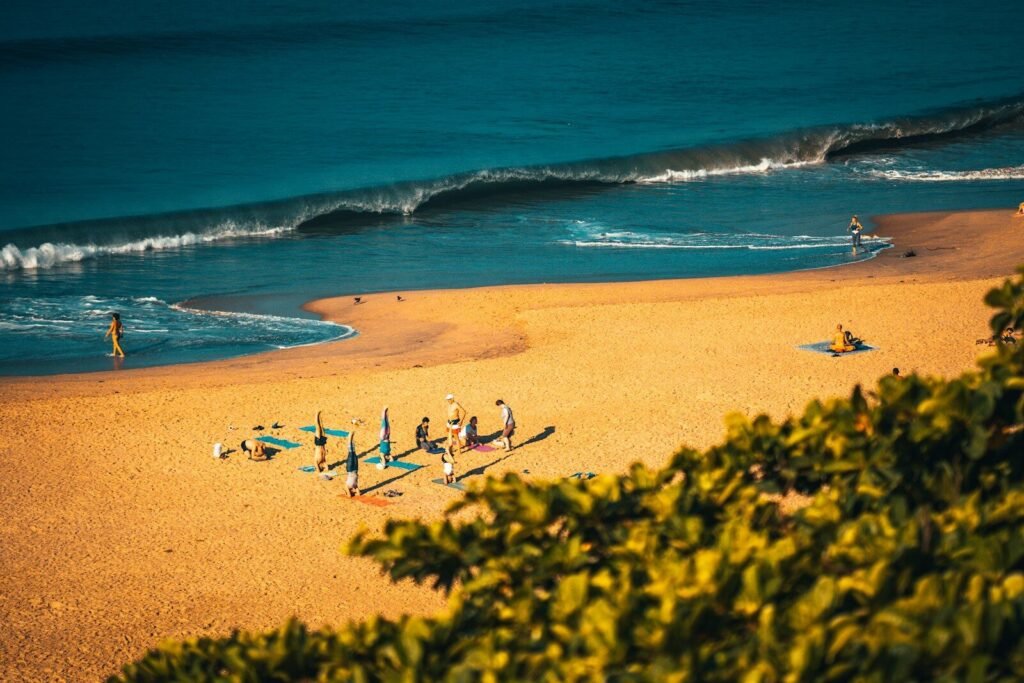
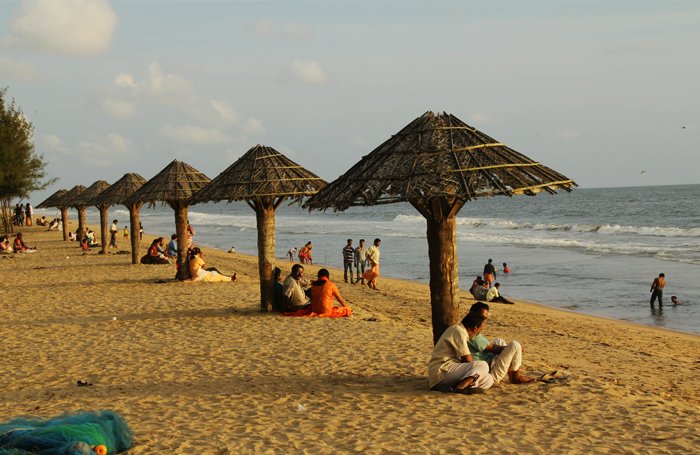
Cherai Beach on Vypin Island near Kochi (Ernakulam), Kerala, is a long sandy shoreline known for calm surf, scenic sunsets, and easy access from the city. Choosing the right time to visit affects weather comfort, availability of activities, crowd levels, and rates. This guide explains the seasonal patterns and gives practical suggestions so you can plan the ideal trip.
Quick Summary
- Best overall months: November to February — cool, dry, ideal for beach activities and sightseeing.
- Shoulder season: March to May — hot and humid but fewer tourists and lower prices; good for budget travelers.
- Monsoon: June to September — heavy rains, dramatic scenery; not ideal for swimming but good for Ayurvedic retreats and quieter stays.
- Festive peak: Late December (Christmas/New Year), Onam (Aug–Sep), Vishu (April) — busy and higher prices during festivals and holidays.
Climate & Seasonal Breakdown
Winter (November to February)
Why visit: This is the most comfortable time — temperatures are pleasant (cool mornings and evenings), humidity is lower, and days are generally sunny. The sea is calm, making it ideal for swimming, beach walks, photography, and boat trips. Early mornings and late afternoons offer excellent conditions for spotting birds and possible dolphin sightings on boat excursions.
Summer (March to May)
Conditions: Hot and humid with daytime temperatures rising. Afternoon heat can be strong, but mornings and evenings remain pleasant for beach activities. This is a good time for travelers who prefer fewer crowds and want lower accommodation rates.
Monsoon (June to September)
Conditions: Southwest monsoon brings frequent heavy rains and rough seas. Beach swimming and water sports are generally not recommended. The monsoon transforms the landscape — lush greenery, dramatic skies, and quieter beaches. It’s a preferred season for Ayurveda treatments and people seeking a tranquil getaway.
Post-monsoon / Early Autumn (October)
Conditions: Transition month with decreasing rainfall and rising humidity. By late October, conditions improve, vegetation is fresh, and water clarity returns, preparing the beach for the high season.
Month-by-Month Guide
- January–February: Best time for sun, swimming, and dolphin-spotting excursions; ideal for families and beach photography.
- March–May: Hot days; mornings and evenings are great for beach walks; good value for budget travelers.
- June–September: Monsoon — expect heavy rain and rough seas; excellent for Ayurvedic packages and solitude.
- October–November: Pleasant post-monsoon weather; fewer rains and greenery in full bloom; start of peak season.
- December: Peak tourist month — festive atmosphere, comfortable weather, higher prices and more crowds.
Activities and the Best Time for Each
- Swimming and sunbathing: November to February — calm seas and comfortable temperatures.
- Water sports and boat trips: November to May — operators run trips and equipment hire in the dry months.
- Birdwatching and nature walks: Year-round, best after monsoon (October–February) when migrant birds visit and the landscape is lush.
- Ayurveda and wellness: Monsoon months (June–September) are excellent for Ayurvedic therapies, when treatments are traditionally recommended.
- Festivals and culture: Visit during Onam or Vishu for cultural experiences — expect crowds and higher rates but unique local festivities.
Crowd Levels & Prices
Peak season (Nov–Feb, Dec holidays): Higher room rates, crowded beaches and restaurants, advance booking recommended.
Off-peak (Mar–May, Monsoon): Lower accommodation prices and fewer tourists. Monsoon offers solitude but limited services and closed water activity operators.
Practical Tips for Timing Your Visit
- Book in advance if traveling during December–January or around Onam to secure good hotels and resorts.
- Early morning or late afternoon are the best times on any day for pleasant temperatures, softer light for photography, and calmer seas.
- Keep an eye on tides — tides can change the width of the beach significantly. Low tide is better for long walks; high tide reduces sandy area and can affect swimming conditions.
- Monsoon travelers: Confirm services (transfers, boat trips, restaurants) in advance because some operators scale down or close during heavy rains.
Packing and Preparation by Season
For November–February
- Light layers for cool mornings/evenings
- Sunscreen, hat, sunglasses
- Swimwear and beach footwear
For March–May
- Light, breathable cotton clothing
- Extra water bottle and sun protection
- Plan outdoor activities for mornings or evenings
For June–September (Monsoon)
- Rain jacket or umbrella
- Quick-dry clothing and waterproof bags
- Medicines, mosquito repellent, and ayurvedic oil if booked for therapy
Safety and Health Considerations
- Swimming safety: Check local conditions and warnings. Avoid swimming during rough seas and high tide. When in doubt, ask local lifeguards or resort staff.
- Sun protection: Use sunscreen and limit midday exposure in summer months.
- Monsoon caution: Roads and ferries may be disrupted during heavy rains; keep flexible plans.
- Health: Stay hydrated, use insect repellent, and follow food hygiene practices when eating from street vendors.
How to Reach Cherai
Cherai is easily accessible from Kochi (Ernakulam) by road and short ferry rides from the mainland. It is a convenient day-trip destination from Kochi and well connected by taxis and local buses. For international arrivals, the nearest major airport is Cochin International Airport (plan for transfer time), while the nearest railway access is at Ernakulam stations.
Nearby Attractions to Combine with Cherai
- Fort Kochi and Mattancherry — colonial architecture, spice markets and cultural shows
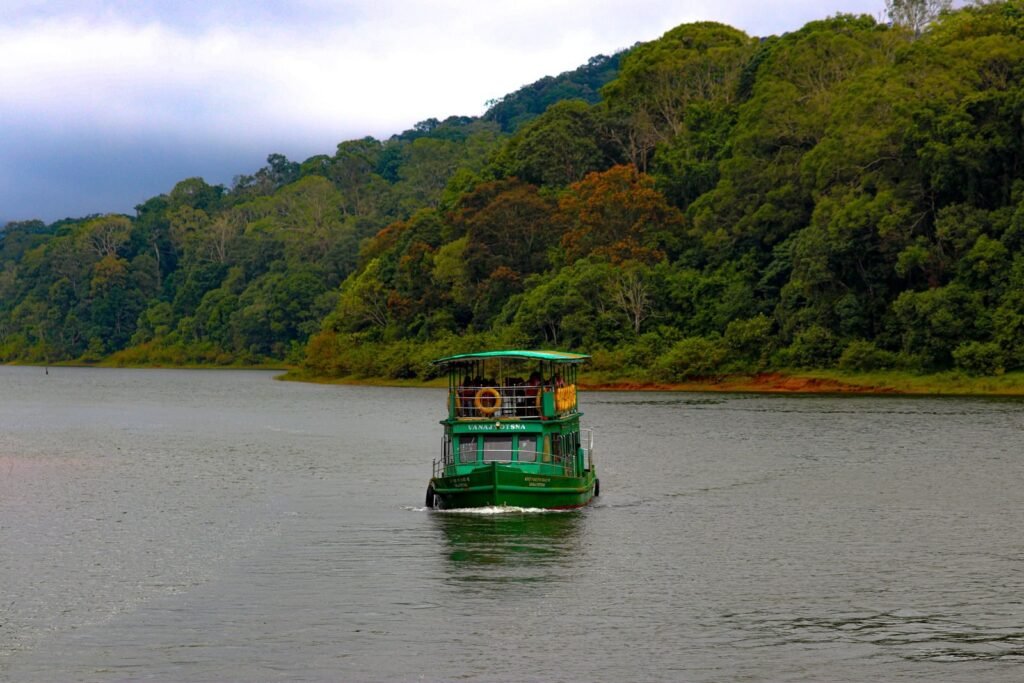
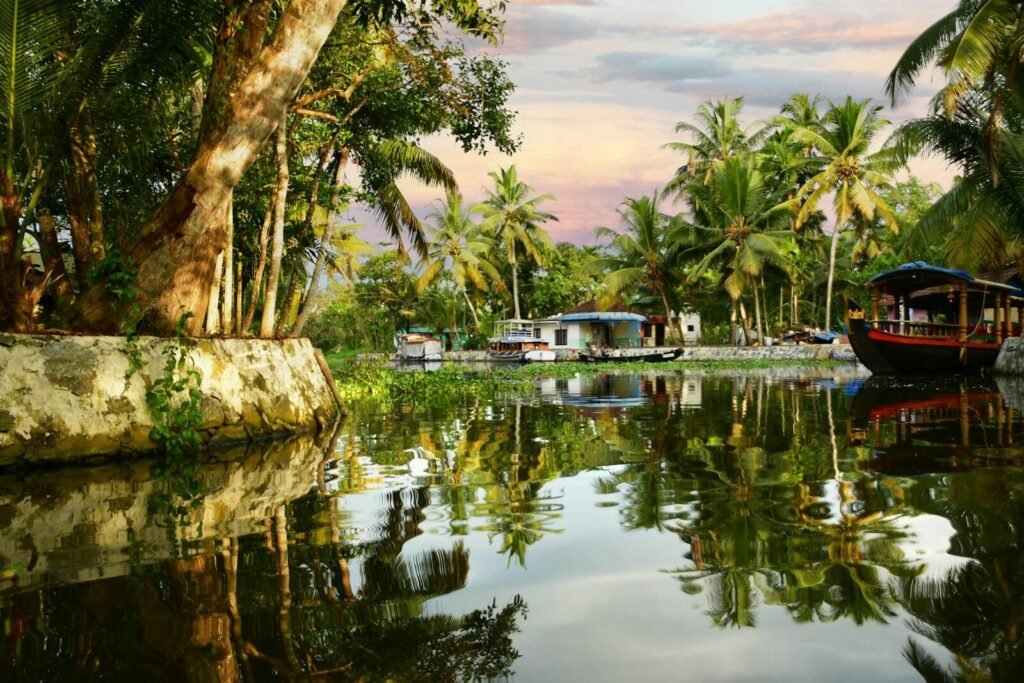
- Backwaters of Kerala — houseboat cruises and canal-side villages
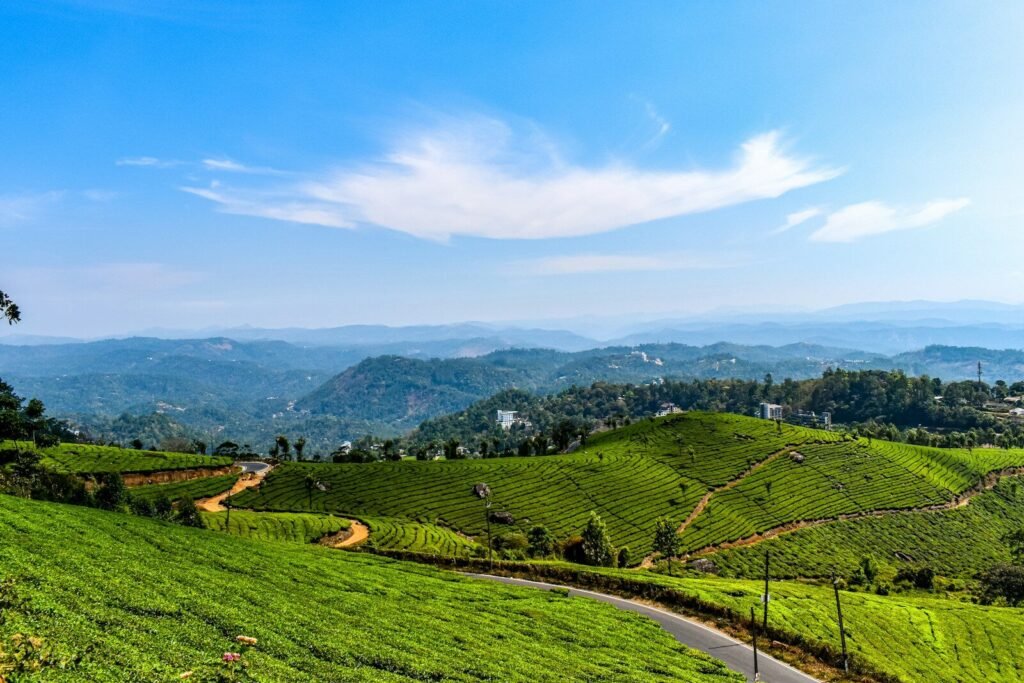
- Munnar and hill stations — if you want a contrast to the coast
- Local temples and festivals — plan visits around Onam or other cultural events for a richer experience
Suggested Visit Durations
- Day trip: Ideal from Kochi to enjoy beach time, short boat trips, and seafood lunch.
- 2–3 days: Relaxed beach holiday with time for nearby sightseeing and possibly an Ayurvedic treatment.
- 5–7 days: Combine Cherai with Kochi, backwaters, and a hill-station or wildlife trip for a fuller Kerala experience.
Final Recommendation
Plan your visit between November and February for the best overall beach experience — comfortable weather, calm seas and active tourism services. If you prefer solitude or Ayurveda treatments, consider the monsoon months. Shoulder months (March–May) offer cost savings but be prepared for heat. Whatever time you choose, Cherai’s long coastline, relaxed vibe, and proximity to Kochi make it a convenient and rewarding destination.
Enjoy responsibly: respect local customs, follow safety advice, and leave the beach cleaner than you found it.