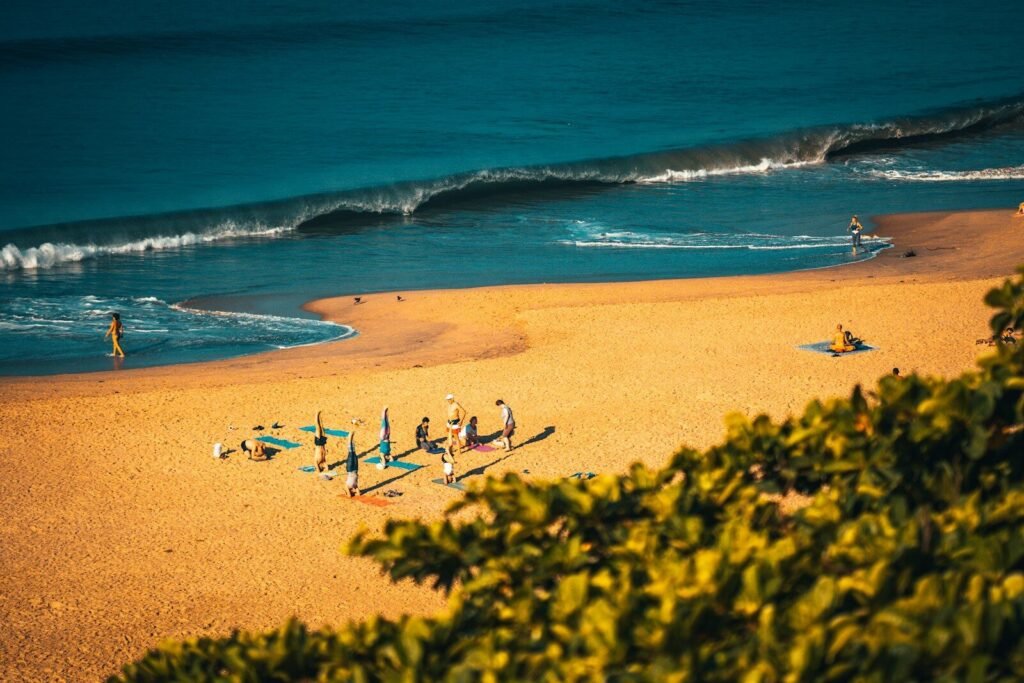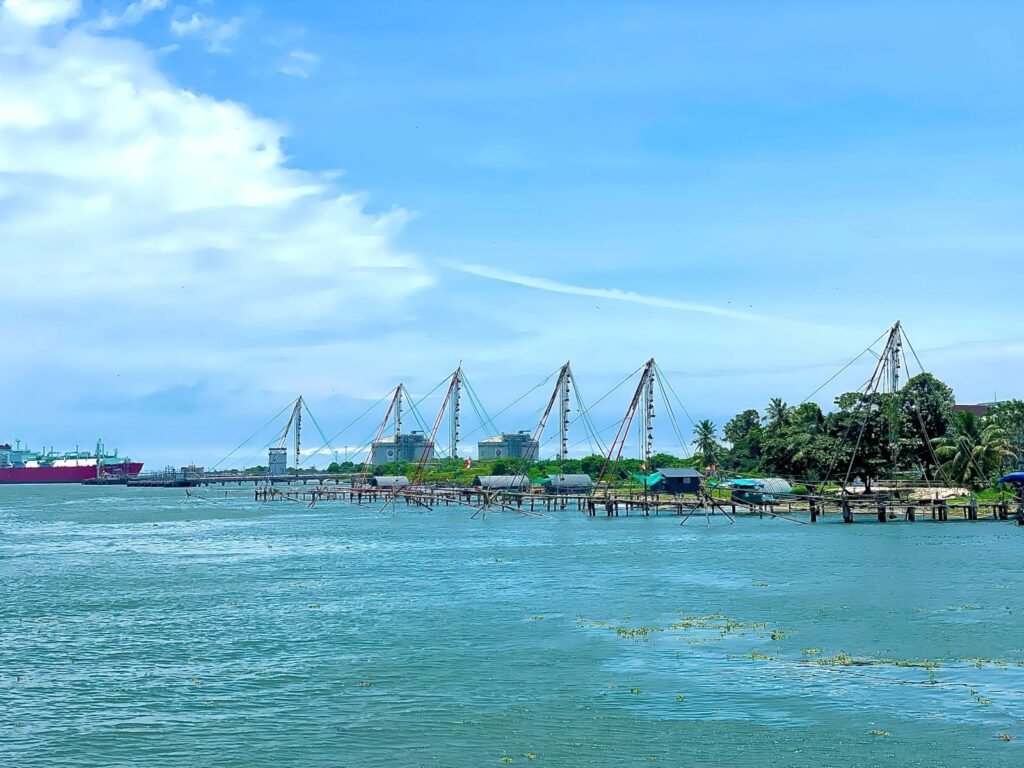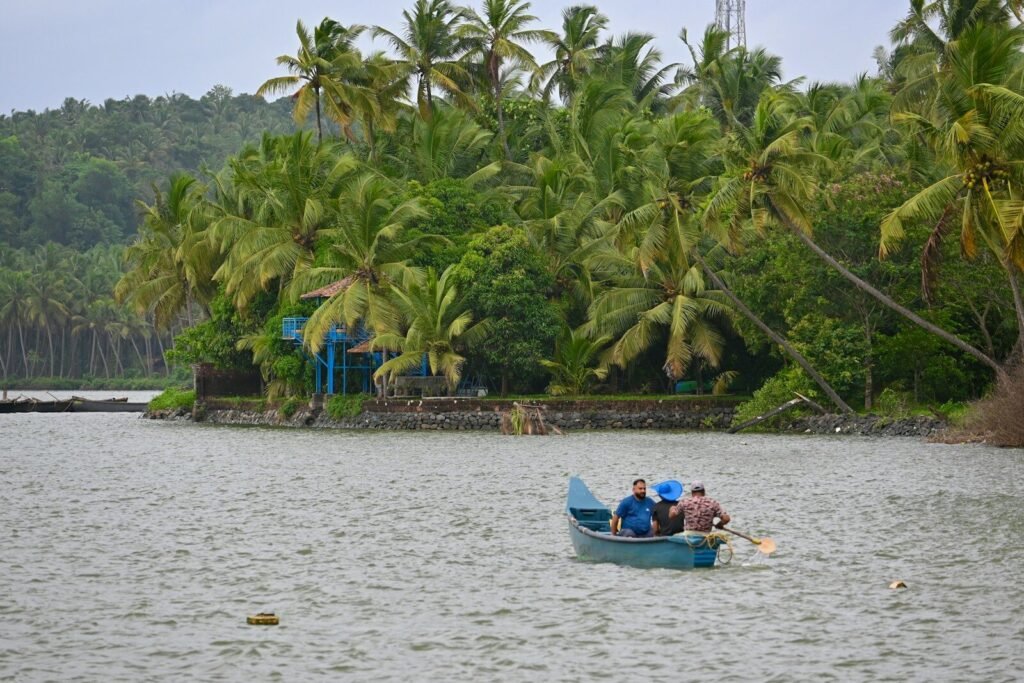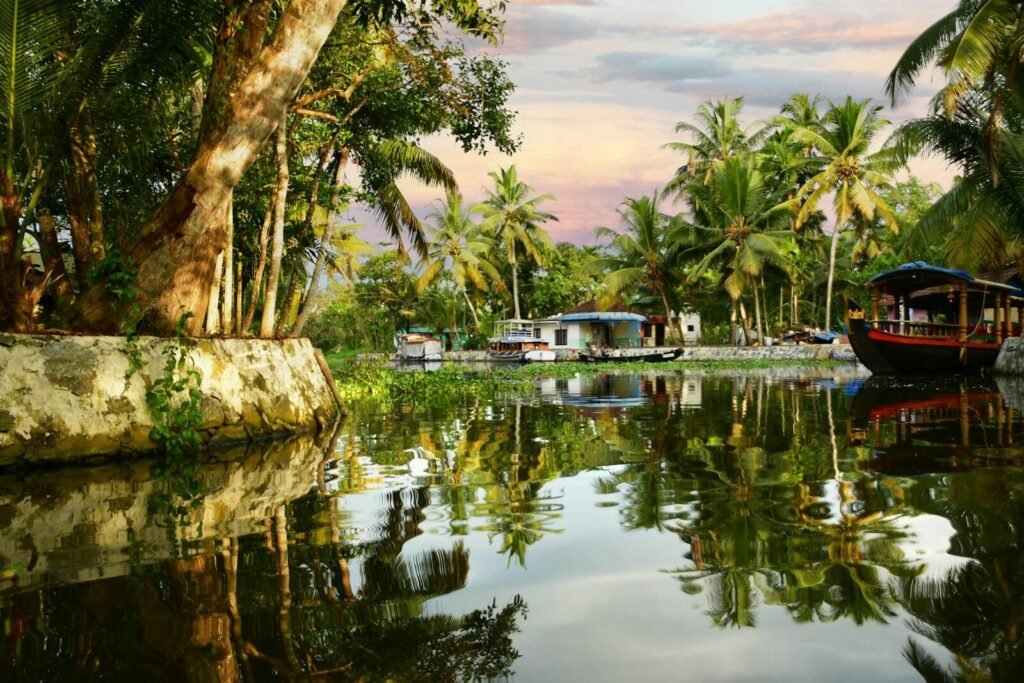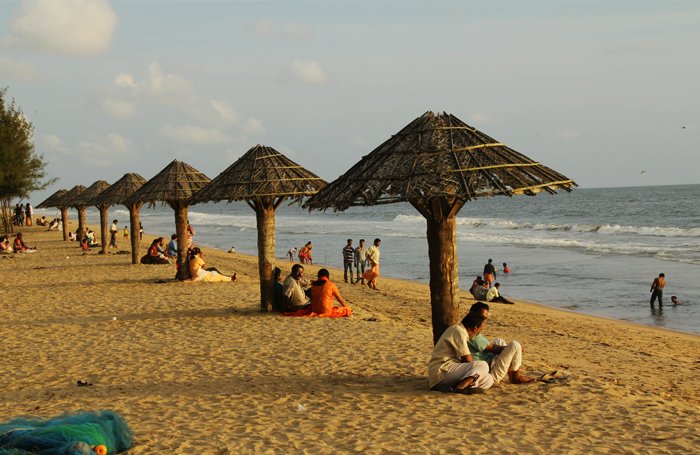
Cherai Beach, located on Vypin (Vypeen) Island near the city of Kochi in Kerala, India, is one of the state’s most accessible and popular coastal stretches. Famous for its long sandy shore, backwater scenery and proximity to a major urban center, Cherai has become a magnet for both domestic and international visitors. This article traces the historical origins of Cherai and explores how its social, economic and environmental history shaped its modern role in tourism.
The coastline around present-day Cherai was dramatically reshaped by major natural events in the medieval period. Coastal changes and riverine shifts along the Malabar coast — most notably the catastrophic flood often dated to 1341 CE that altered the mouth of the Periyar River — led to the formation of several islands and new shoreline configurations, including the emergence of Vypin Island. These changes created the estuarine and backwater environment that defines Cherai today.
From early times, the Vypin-Cherai area supported small fishing communities, coconut groves and wetlands. These settlements were integrated with the larger maritime and inland networks of Kerala, exchanging seafood, coir and agricultural produce with market towns. The combination of easy water access and fertile coastal lands sustained a mixed economy of fishing, farming and handicrafts for centuries.
Cherai lies close to Kochi (Cochin), a major hub in the Indian Ocean trade network. From the late medieval and early modern periods, this littoral region experienced waves of external contact:
The everyday life of Cherai’s communities was traditionally anchored in fishing, coir production and small-scale agriculture. Coconut palms — ubiquitous along the coastline — provided raw material for coir (rope and matting), fuel, and thatch. Fishing methods, boat-building skills and local marketplaces formed an interlocking cultural economy that persisted into the 20th century.
Like much of Kerala, Cherai’s villages have been home to a pluralistic mix of religious communities and local traditions. Temples, churches and mosques in the greater Vypin area reflect a long history of communal coexistence and cultural exchange. Local festivals, boat processions and seasonal rituals historically structured social life and continue to attract visitors interested in cultural tourism.
From the late 19th and early 20th centuries, visitors from nearby cities began coming to coastal and backwater locales for short stays. Over time, Cherai’s combination of sandy beach and nearby backwaters made it attractive for weekenders and urban residents seeking a natural respite.
In the latter half of the 20th century Cherai saw increasing infrastructure improvements — better road links with Kochi, arrival of private resorts and growth of small hotels and homestays. Tourism moved beyond informal day trips toward overnight stays, Ayurveda and wellness services, and recreational boating.
In recent decades Cherai has developed a diversified tourism offer:
Cherai’s identity as a coastal village is preserved in tangible and intangible ways. Local boat-building techniques, fishermen’s knowledge, coir crafts and coastal culinary traditions are all part of the heritage that tourism now interprets and markets. Many community initiatives emphasize maintaining these traditions even as visitors arrive.
Like many coastal destinations, Cherai faces environmental pressures: shoreline erosion, seasonal flooding, mangrove and wetland loss and pollution. These ecological changes affect both local livelihoods and the long-term attractiveness of the beach for tourists.
Sustainable tourism strategies in the Cherai context emphasize modest, community-based initiatives:
Cherai is best accessed from the city of Kochi (Cochin), which serves as the region’s transport hub. Historically, the proximity to Kochi connected Cherai to maritime trade and urban markets; today the same proximity makes Cherai a convenient coastal retreat for visitors based in the city.
The most comfortable months are the dry season outside the monsoon; however, the monsoon period also has its own appeal for those interested in Ayurveda and the dramatic coastal weather. Travelers should be mindful of local seasonal rhythms and fishing activities when planning visits.
Major flood events reorganize the coastline and contribute to the formation of Vypin Island and related estuarine systems.
The wider Kochi region grows as a maritime trade hub; coastal communities including Cherai integrate into regional economies.
European colonial influence (Portuguese, Dutch, British) alters trade, administration and infrastructure in the Kochi area.
Gradual improvements in transport and the growth of urban leisure lead to more visitors coming to Cherai for short stays.
Organized tourism, resorts, homestays and wellness tourism expand while environmental and sustainability concerns become more prominent.
The future of Cherai as a tourist destination depends on balancing growth with conservation. Protecting coastal ecosystems, ensuring equitable benefits for local communities and maintaining the area’s cultural authenticity are central challenges. With careful planning and community-led initiatives, Cherai can continue to present a historically rich and environmentally resilient coastal experience.
Cherai Beach is more than a scenic shoreline; it is the product of geological events, centuries of maritime connectivity and a living coastal culture. Its evolution from fishing village to popular tourist destination reflects broader historical processes across Kerala — trade, colonial contact, modern infrastructure and the rise of experiential and wellness tourism. Understanding Cherai’s history enriches the visitor experience and underscores why sustainable, locally rooted tourism is essential for the beach’s future.
What makes us different from other tour package companies
Our travel experts have core and intense knowledge about Kerala sector with over 10 years of experience that will help you choose the best possible itinerary as per your requirements.
Our travel experts are just one call away during your tour to help you with any kind of immediate assistance so that your tour is a more enjoyable and hassle-free tour.
eTourismKerala ensures best rates to all our esteemed guests since we have our own hotels and fleet of vehicles and drivers and there is no third-party involvement. This ensures personalized service and best rates.









Kindly enter the details below for your Kerala Tour Package