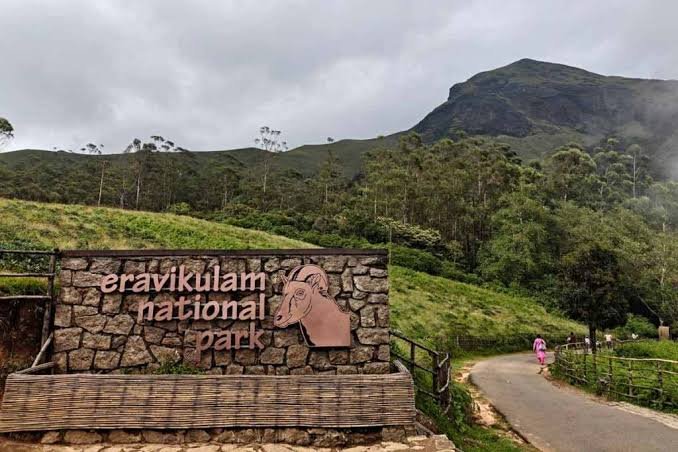
This FAQ-style article compiles practical information, travel tips and conservation notes for visitors planning a trip to Eravikulam National Park, one of Kerala’s most iconic protected areas near Munnar. Use this as a starting guide, and always confirm current timings, ticketing and access rules with the Kerala Forest Department or local tourism office before you travel.
Eravikulam lies in the Rajamalai area, approximately 10–15 km from central Munnar (travel times vary by road and traffic). Munnar is the usual base for park visits.
September to March is generally the most pleasant period — cool, dry and clear for wildlife viewing and photography. The monsoon (roughly June–September) brings heavy rains and occasional trail/road disruptions. Summer months (March–May) can be warm during the day but the high altitude keeps temperatures comfortable compared with lowland India.
Most visitors spend 2–4 hours in the park (entry, short walks, viewpoints and wildlife viewing). If you plan guided treks or special permits (e.g., Anamudi access if available), allocate a full day and confirm permit conditions in advance.
Opening hours and days can change seasonally or for management reasons. Parks typically operate during daylight hours; many visitors aim for early morning when wildlife activity is higher. Always check official timings and any temporary closures before you go.
Ticketing arrangements can include on-site counters and online booking options depending on season and conservation events (for example, Neelakurinji bloom periods may have special arrangements). There are usually separate fares for domestic and foreign visitors and additional charges for professional photography. For peak seasons and special events, book ahead where an online option is provided.
The Nilgiri tahr (Nilgiritragus hylocrius) is a rare mountain goat endemic to the Western Ghats and a flagship species of Eravikulam. The park offers one of the best and most reliable opportunities to observe them in the wild; sightings are common in the montane grassland areas.
Anamudi (the highest peak in southern India) lies within the park boundaries. Access to climb or trek Anamudi is restricted and often requires special permits from the Forest Department. Recreational visitors can enjoy panoramic views of Anamudi from approved vantage points inside the park without attempting summit climbs.
Neelakurinji (Strobilanthes kunthiana) is a shrub that famously blooms on a mass, cyclical schedule (typically around every 12 years) across the high ranges, transforming slopes to a brilliant blue. The last major bloom recognized widely occurred in 2018; such mass flowering events are episodic, and timing varies regionally. If you plan a trip during an anticipated bloom, expect heavy visitor restrictions, increased ticketing controls and conservation measures to protect seasonal habitats.
Besides Nilgiri tahr, the park habitat supports small mammals, birds, butterflies and endemic plant species typical of the shola–grassland ecosystem. Common sights include grassland birds and a rich variety of montane flora. Large mammal sightings (elephants, gaur) are possible but less frequent inside the protected core.
General day visitors typically need only an entry ticket. For specific activities—guided treks, scientific work, summit attempts (Anamudi), photography with professional intent or commercial shoots—special permits from the Forest Department are usually required. Apply well in advance and carry ID when visiting.
Closures protect breeding or flowering phases, reduce disturbance during sensitive times (for example, Neelakurinji mass flowering), and allow management works. Respect closures — they are critical for long-term conservation.
There are designated trails and short nature walks available for visitors. For longer treks or off-trail access, permits and authorized guides are often mandatory. Guided walks led by park staff or approved naturalists improve safety and enhance wildlife interpretation.
Camping inside the core park area is generally not permitted. Overnight stays within protected zones are tightly controlled and require special permission for scientific or management reasons. Use accommodations in Munnar or authorized eco-stays nearby.
Food services are limited or absent inside the park; carry water and light snacks, but avoid eating in wildlife zones.
Because of steep terrain and uneven trails, accessibility is limited in many parts of the park. Some entry areas and viewpoints may be easier to access, but full trail access typically requires moderate fitness. Contact park authorities to learn about any available assistance or specific accessible routes.
Eravikulam pairs well with these nearby Munnar attractions for a multi-day itinerary:
Plan early-morning visits to Eravikulam for best wildlife viewing, and schedule other sightseeing for later in the day.
Ticket rates, website booking portals and contact numbers can change. For the most reliable and up-to-date information refer to:
If you need special permission (research, commercial photography, Anamudi permits), contact the park office well in advance.
Eravikulam is a fragile montane ecosystem with endemic species and seasonal phenomena. Visitors should prioritize conservation-friendly behavior: keep to trails, minimize noise, avoid single-use plastics, respect closures and follow ranger guidance. A mindful visit supports both wildlife protection and sustainable tourism in the Western Ghats.
Check official sources for the latest park notices, carry necessary ID and permits, and plan for weather and limited facilities. Enjoy the unique landscapes and wildlife responsibly.
What makes us different from other tour package companies
Our travel experts have core and intense knowledge about Kerala sector with over 10 years of experience that will help you choose the best possible itinerary as per your requirements.
Our travel experts are just one call away during your tour to help you with any kind of immediate assistance so that your tour is a more enjoyable and hassle-free tour.
eTourismKerala ensures best rates to all our esteemed guests since we have our own hotels and fleet of vehicles and drivers and there is no third-party involvement. This ensures personalized service and best rates.


















Kindly enter the details below for your Kerala Tour Package