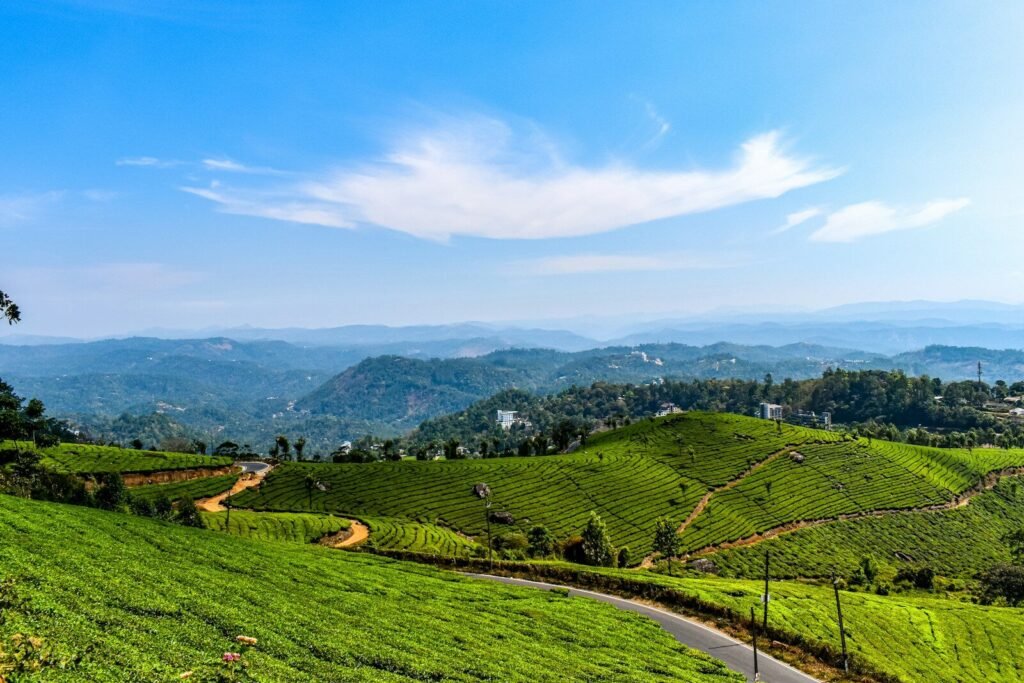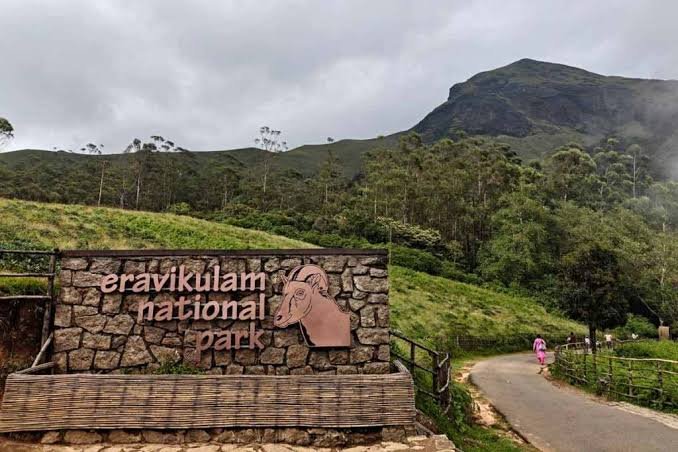
Eravikulam National Park occupies a celebrated place in the high ranges of Kerala, near the hill-station of Munnar. Famous for its rolling shola–grassland mosaics, the towering Anamudi peak and the iconic Nilgiri tahr, the park’s story is a layered one — shaped by geology, indigenous use, colonial enterprise, conservation action and the growing demands of tourism. This article traces that history and examines how it relates to the park’s evolution as a tourism destination.
The high-altitude plateaus and peaks that now form Eravikulam were sculpted over millennia by climatic and geological processes. The region supports a distinct montane ecosystem — shola forests in sheltered valleys and rolling montane grasslands on the ridges — which is home to many endemic plants and animals. These ecosystems were historically used by local communities for grazing, shifting cultivation and seasonal foraging, practices that coexisted with the wildlife for centuries.
From the late 19th century the Munnar high ranges underwent rapid change with the arrival of British planters. Large tracts of the surrounding hills were converted into tea and associated plantation estates. Road building, settlement and land-use change during the colonial and early post-colonial periods altered traditional patterns of use and began fragmenting wildlife habitats. While the commercial economy brought improved access and infrastructure that later enabled tourism, it also set the scene for the conservation challenges the area would face.
During the mid-20th century, wildlife biologists and naturalists drew attention to the shrinking ranges and declining numbers of the Nilgiri tahr (Nilgiritragus hylocrius), a mountain ungulate endemic to the Western Ghats. Concern over habitat loss, predation and unregulated hunting led to calls for formal protection of key montane tracts.
Responding to these concerns, the area that includes Rajamala and the high slopes around Anamudi was legally protected. In 1978 the reserve was officially notified as Eravikulam National Park (dates of designation may appear in different sources as part of a multi-stage process of sanctuary and national park declarations). The park was primarily created to conserve the montane grassland–shola complex and, centrally, to protect and recover the Nilgiri tahr population.
Since protection, Eravikulam has become one of the best-studied and successful examples of montane conservation in the Western Ghats. The park is notable for:
Munnar, already developed as a hill-station during the colonial period, provided the tourism gateway to Eravikulam. As Kerala promoted hill and nature tourism, Eravikulam emerged as a marquee destination because of its scenic highland landscapes, wildlife viewing (especially of Nilgiri tahr), and the presence of Anamudi.
Recognizing the fragile nature of the park’s ecosystems and the sensitivity of the Nilgiri tahr to disturbance, park authorities introduced a range of management measures aimed at balancing conservation and tourism:
Although tourism brings revenue and public awareness for conservation, it also brings pressures that require ongoing attention:
The Eravikulam story offers several practical lessons for sustainable nature tourism:
Eravikulam is accessed from Munnar (approximately 12–20 km depending on the route). A few practical points for visitors:
Eravikulam National Park encapsulates the complex interplay of natural heritage, historical land-use change and modern conservation. Its protection has enabled the recovery of emblematic species and preserved a rare montane ecosystem. Tourism has played a dual role: as an economic incentive for conservation and as a source of pressure. Moving forward, the park’s continued success will depend on vigilant ecological management, visitor regulation, community partnerships and tourism practices that foreground the long-term health of this fragile highland landscape.
Prospective visitors are encouraged to check current park regulations, opening dates and visitor limits with the official park authorities or Kerala tourism offices before planning a visit. Responsible visitation — adhering to rules, supporting local guides and limiting disturbance — helps ensure that Eravikulam’s landscapes and wildlife endure for future generations.
What makes us different from other tour package companies
Our travel experts have core and intense knowledge about Kerala sector with over 10 years of experience that will help you choose the best possible itinerary as per your requirements.
Our travel experts are just one call away during your tour to help you with any kind of immediate assistance so that your tour is a more enjoyable and hassle-free tour.
eTourismKerala ensures best rates to all our esteemed guests since we have our own hotels and fleet of vehicles and drivers and there is no third-party involvement. This ensures personalized service and best rates.
















Kindly enter the details below for your Kerala Tour Package