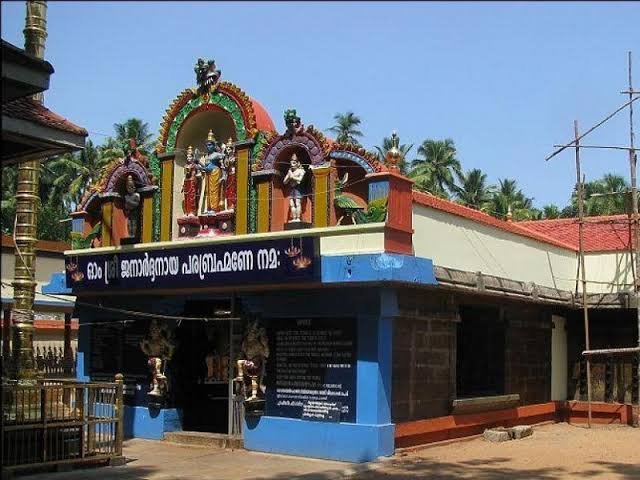
Janardanaswamy Temple

Best time to visit

Best Time to Visit Janardanaswamy Temple, Varkala

The Sree Janardanaswamy Temple at Varkala is one of Kerala’s oldest and most revered Vishnu temples, perched close to the famous Varkala cliff and the Arabian Sea. Choosing the right time to visit affects not only the comfort of travel but also the kind of spiritual and cultural experience you will have. This article outlines the seasons, festivals, crowd patterns and practical tips to help you plan the ideal visit.

Quick Overview

Location: Varkala, Kerala, on the coastline north of Thiruvananthapuram.
Significance: Important Vaishnava shrine, popular with local devotees and tourists visiting Varkala Beach and nearby pilgrim sites.
Typical opening pattern: The temple follows daily puja schedules with morning and evening rituals—check local sources for exact timings before you go.

Climate & Seasonal Summary

Kerala has a tropical monsoon climate. Understanding the seasons helps you balance weather comfort, crowd levels and festival atmosphere.

Seasons at a glance

  • Winter / Dry season (November–March): Pleasant temperatures, clear skies—best for sightseeing and temple visits.
  • Hot / Pre-monsoon (March–May): Warm to hot; the ancient temple festival takes place in this window (see Festivals below).
  • Southwest Monsoon (June–September): Heavy rains, lush scenery; some services may be disrupted but the place is quieter.
  • Northeast Monsoon / Retreating monsoon (October–November): Intermittent rains, greener landscapes and fewer tourists than peak winter months.

Best Months to Visit

For general tourism and comfortable weather

November to March is the most recommended period. Daytime temperatures are comfortable, humidity is lower, and the sea and cliff views are at their best. This is the high season for Varkala—expect more tourists but also full service availability (hotels, excursions, cafés).

For experiencing major temple rituals and local festivals

The temple’s main annual festival falls in the Malayalam month of Meenam (roughly March–April). The festival culminates with ceremonial processions and an Arattu (holy bath) ceremony at the seashore which is an evocative experience for devotees and visitors alike. If your priority is to witness temple traditions and local culture, plan around Meenam—but be prepared for larger crowds.

For a quieter, scenic visit

If you enjoy dramatic monsoon skies, lush greenery and fewer crowds, consider visiting during the southwest monsoon (June–September). Note that heavy rains may limit outdoor activities and some local businesses may operate reduced hours.

Festivals & Special Events

Visiting during festivals transforms a routine darshan into a vivid cultural immersion.

  • Meenam festival (March–April): A multi-day festival culminating in Arattu at the sea. Processions, traditional music and temple rituals make this a peak devotional time.
  • Other temple observances: Regular daily pujas, special monthly and star-day observances draw local devotees. These smaller rituals offer authentic temple ambience without the massive crowds of the annual festival.

Crowd Levels & Visitor Experience

High season (Nov–Mar)

  • More tourists and devotees; easier to combine temple visit with beach, cliff and restaurant visits.
  • Longer queues for darshan during mornings and festival days—arrive early for a quieter experience.

Festival periods (Meenam)

  • High devotion and energy; expect processions and packed precincts.
  • Accommodation fills quickly—book in advance.

Monsoon season

  • Fewer visitors, quieter temple experience, dramatic coastal scenery.
  • Weather disruptions possible—check transport and local schedules.

Practical Tips for Timing Your Visit

  • Early morning darshan: Visit at dawn for a serene atmosphere and traditional rituals with fewer crowds.
  • Check puja timings: Temples often open and close between morning and evening; verify current schedules locally or via hotel/guide.
  • Festival planning: If attending Meenam festival, arrive a day or two early and confirm procession times and viewing areas.
  • Accommodation: Book ahead for peak season and festival weeks. Off-season offers better deals and quieter stays.
  • Dress and decorum: Observe temple norms—modest clothing, removing footwear before entering shrine and following any specific entry rules.
  • Cash and offerings: Keep small change for offerings and temple prasadam; many small vendors may not accept cards.

Combining the Temple Visit with Nearby Attractions

Varkala’s compact nature makes it easy to combine a temple visit with other highlights:

  • Varkala Cliff & Beach: Sunset views and cafés are ideal after darshan.
  • Sivagiri Mutt: Nearby spiritual center with historical significance.
  • Local Ayurvedic centers: Treatments and massages are popular with visitors—best booked in advance during high season.

Travel Logistics

How to reach

  • Varkala is well connected by rail and road. The local railway station and bus services link to major towns in Kerala.
  • For air travelers, the nearest major airport is in Thiruvananthapuram—plan a short road or rail transfer to Varkala.

Where to stay

  • Options range from budget guesthouses to mid-range hotels and beachfront resorts. Choose proximity to the temple if your focus is worship, or the cliff area for sunset and dining options.

Packing & Preparation Checklist

  • Light, modest clothing suitable for a temple visit; a shawl or scarf if needed.
  • Comfortable footwear (to leave outside the shrine area) and an umbrella during monsoon months.
  • Sunscreen, bottled water and small cash for offerings or local purchases.
  • Camera or phone camera—observe photography rules inside the temple complex.

When Not to Go (or Go with Caution)

  • Avoid planning a visit during the peak of the southwest monsoon if you require uninterrupted travel and outdoor activities—heavy rains can disrupt services and transport.
  • If you prefer solitude and calm, avoid festival dates and the December–January tourism peak.

Conclusion

For most travelers and devotees, November to March offers the most comfortable weather and easy access to nearby attractions. If your prime objective is to witness local religious fervor and age-old rituals, plan to be there during the Meenam festival (March–April) for the Arattu and associated ceremonies. If you prefer solitude and dramatic monsoon scenery, the rainy months can provide a quieter, more reflective experience—just be prepared for weather-related limitations.

Final recommendation:

Decide whether your priority is comfortable sightseeing, cultural immersion, or solitude. Choose the season accordingly, confirm current temple timings and festival dates locally, and respect the religious customs to make your visit to Janardanaswamy Temple a memorable and meaningful experience.

Get Instant Call Back​

Which places do you want to explore in Kerala?
Kindly share your above details to get Travel Plan PDF within 30 seconds on your mobile
Please wait while we are preparing customized quotes as per your requirement.

Why Choose us ?

What makes us different from other tour package companies

Best Travel Experts

Our travel experts have core and intense knowledge about Kerala sector with over 10 years of experience that will help you choose the best possible itinerary as per your requirements.

24 X 7 On-Trip Assistance

Our travel experts are just one call away during your tour to help you with any kind of immediate assistance so that your tour is a more enjoyable and hassle-free tour.

Best Rate Guarantee

eTourismKerala ensures best rates to all our esteemed guests since we have our own hotels and fleet of vehicles and drivers and there is no third-party involvement. This ensures personalized service and best rates.


Kerala Tour Packages by Theme

Kerala Tour From Popular Cities

Limited period offer – Kerala tour packages at flat 50% discount. Inquire now!

Kindly enter the details below for your Kerala Tour Package
Loading, please wait . .. ... ....