Janardanaswamy Temple

History

Janardanaswamy Temple, Varkala — History and Tourism

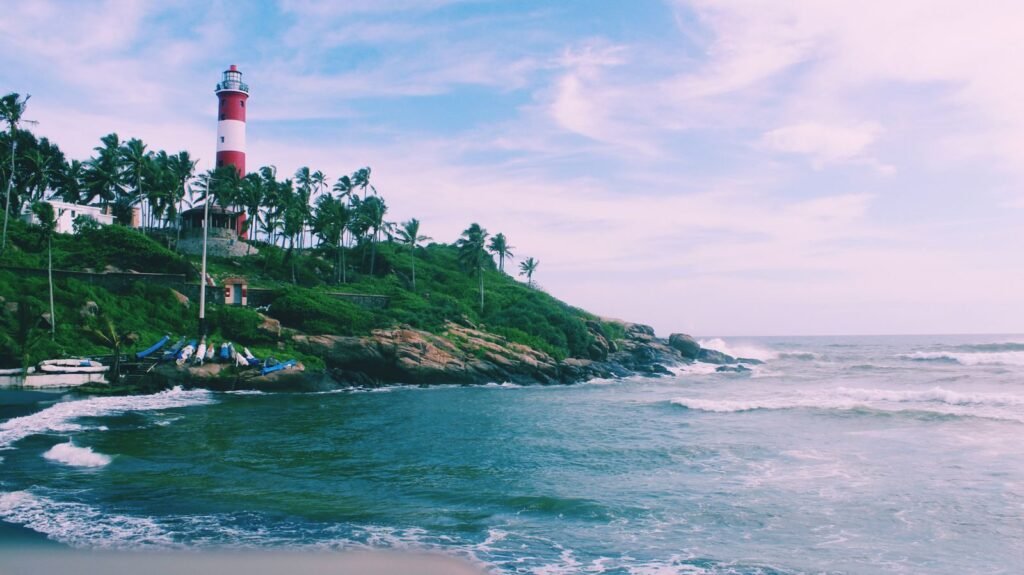
Janardanaswamy Temple at Varkala (Thiruvananthapuram district, Kerala) is one of the region’s most important pilgrimage shrines and a key anchor of Varkala’s distinctive blend of sacred landscape and coastal tourism. Located on the elevated Varkala cliff above the Arabian Sea and closely associated with the famed Papanasam (literally “sin-cleansing”) tradition, the temple draws devotees, history enthusiasts and general tourists alike.

Historical Origins and Traditional Accounts

The exact archaeological date of the Janardanaswamy Temple is not established with absolute certainty, but local tradition and temple chronicles describe an ancient origin. The shrine is believed by many devotees to be very old — with claims extending back over a millennium — and the site occupies a continuous place in Kerala’s religious geography.

Kerala’s foundational legends — including the narrative of Parasurama reclaiming the land of Kerala from the sea — provide the cultural backdrop for many coastal temples, and the Janardana shrine is woven into this wider tapestry of tradition. The temple’s patronage and physical fabric changed over centuries under local chieftains, Nair families, and the later Travancore princely state; successive repairs and renovations, typical for active places of worship in the region, produced the present complex featuring characteristic Kerala architectural elements.

Legends, Religious Significance and Rituals

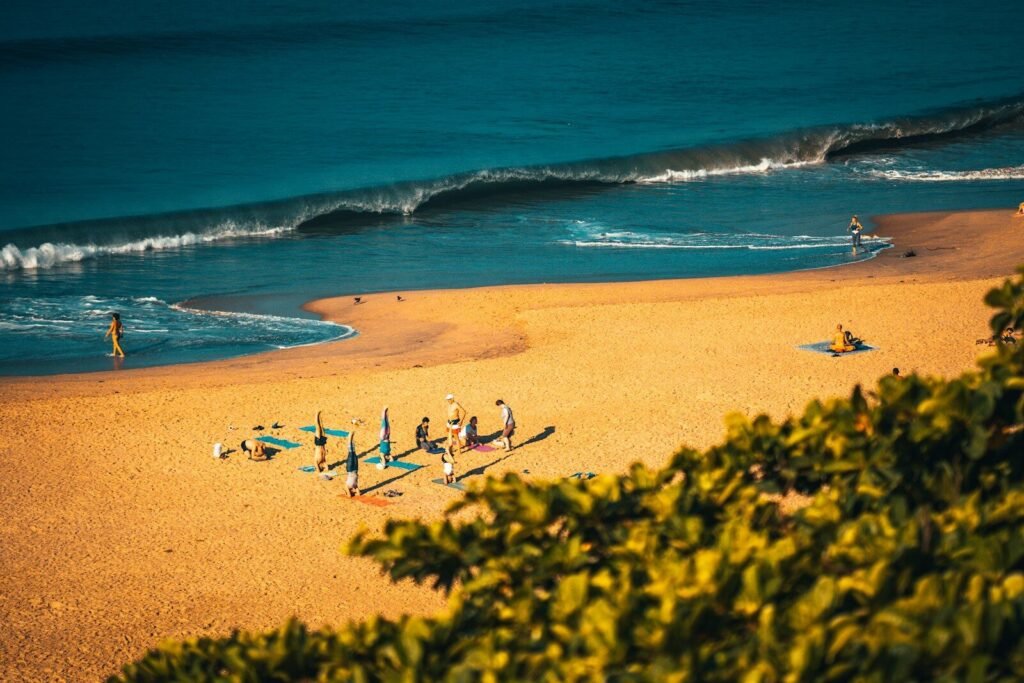
Janardana is a name of Lord Vishnu; the idol in this temple stands in a majestic posture facing west — a relatively uncommon orientation that opens toward the sea and the Papanasam beach below. The temple’s sanctity is tightly linked to the beach: pilgrims traditionally perform ritual baths at the shore to wash away sins, then seek darshan (sight of the deity) and participate in temple rites.

  • Papanasam tradition: The beach and nearby water bodies are considered cleansing; ritual bathing by devotees is an important devotional activity.
  • Daily worship: Regular pujas, morning and evening aartis and routine offerings follow the customary Kerala temple schedule and liturgy.
  • Festivals: The temple’s annual festival (utsavam), which draws large numbers of devotees, features processions, arattu (ritual bath of the deity’s idol), music and traditional performances; festival dates follow the Malayalam calendar and vary from year to year.

Architecture and the Temple Complex

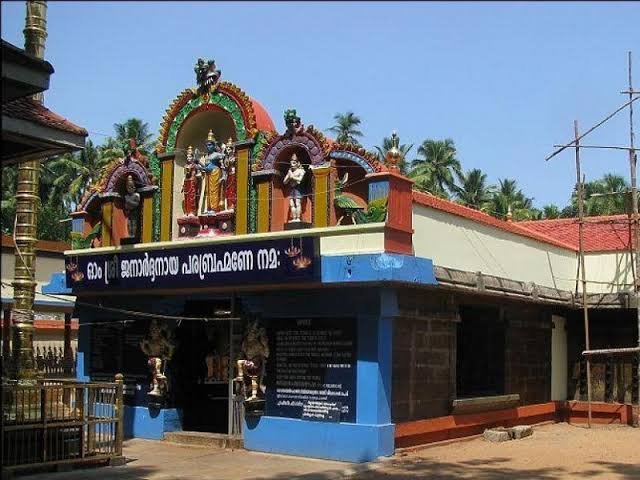
The Janardanaswamy Temple exhibits hallmarks of Kerala temple architecture: a sanctum sanctorum (sreekovil), a circumambulatory path (pradakshina), a pillared hall or namboothiri hall, and the characteristic use of laterite and timber in construction. Copper-plated roofs and wooden carvings often feature in the mantapa and nalambalam (covered corridor around the sanctum). A flagstaff (dwaja stambham) and an outer prakaram complete the temple precincts.

Note: As with many living temples, later repairs and additions reflect the needs of worship and the patronage of successive eras; the visible structure therefore represents cumulative historic layers rather than a single architectural epoch.

Janardanaswamy Temple in the Context of Varkala Tourism

Varkala is unique in Kerala for combining a dramatic cliffline and popular seaside resort with a serious pilgrimage centre. The Janardana shrine is central to this dual identity:

  • Pilgrimage draw: Devotees from across Kerala and beyond visit for ritual bathing, temple worship and to observe festivals.
  • Tourist magnet: The cliff’s cafes, shops, Ayurvedic centers and sunset views make Varkala a popular stop for domestic and international tourists who often pair a temple visit with coastal leisure.
  • Cultural experience: Visitors can witness Kerala-style temple rituals, music, and festival pageantry while also experiencing popular beach culture and wellness tourism (Ayurveda and yoga).

Practical Visitor Information

To make the most of a visit to Janardanaswamy Temple, keep the following practical points in mind:

  • Location: The temple sits on Varkala’s cliff edge, a short distance uphill from the Papanasam beach.
  • How to reach: Varkala is approximately 45–50 km north of Thiruvananthapuram (Trivandrum) city. Options include trains (Varkala Sivagiri Railway Station), intercity buses, taxis and private vehicles. From the station or bus stand the temple and cliff area are easy to reach by local auto-rickshaw or a short walk.
  • Timings: Opening hours for darshan and pujas follow traditional temple schedules (early morning to noon; late afternoon to evening). Timings and special puja schedules change on festival days — check with the temple trust or local authorities.
  • Dress and decorum: Modest attire is expected. As in most Kerala temples, footwear is not permitted inside the sanctum precincts. Photography may be restricted in certain parts of the temple — respect signage and the instructions of temple staff.
  • Best time to visit: Early morning for a peaceful darshan and to combine with a beach bath; evenings at the cliff for sunsets after visiting the temple. Festival seasons are lively but crowded.
  • Facilities: Varkala offers a range of accommodations from budget guesthouses to mid-range hotels and Ayurvedic resorts. Food options range from local vegetarian temple-style meals (prasadam) to cafés on the cliff offering varied cuisine.

Suggested One‑Day Itinerary (Temple + Varkala Highlights)

  • Early morning: Ritual bath at Papanasam beach and darshan at Janardanaswamy Temple.
  • Late morning: Explore the cliffside shops and cafés; visit the Sivagiri Mutt (nearby) if interested in social-religious history.
  • Afternoon: Relax at an Ayurvedic center or enjoy local seafood (respecting temple meal preferences if fasting).
  • Evening: Return to the cliff for sunset views; attend any evening aarti or cultural performance if available.
Responsible Tourism and Conservation

Janardanaswamy Temple and Varkala’s coastal environment are sensitive cultural and ecological assets. Visitors are encouraged to:

  • Respect ritual practices, avoid entering restricted areas and comply with photography rules.
  • Use public trash bins, avoid plastic littering on the beach and cliff, and support local initiatives for cleanliness.
  • Patronize local businesses — small shops, homestays, Ayurvedic practitioners — to ensure benefits reach the community.
  • Be mindful of crowding during festivals; follow guidance from local authorities to ensure safety and preserve the sanctity of rituals.

Why Janardanaswamy Temple Matters for Visitors

The temple offers a concentrated experience of Kerala’s devotional life set against an unusual seaside cliffscape. For pilgrims it provides ritual avenues for atonement and devotion; for cultural tourists it offers living traditions, architecture and festival spectacle; for general travelers it is an evocative place where spirituality and scenic beauty meet. Visiting Janardanaswamy Temple allows one to appreciate how sacred geography shapes local identity and how religious heritage integrates with modern tourism.

Further Steps Before You Go
  • Check the temple’s festival calendar and daily puja timings with the temple office or local tourism information.
  • Plan travel and lodging well in advance during peak festival seasons.
  • Learn a few local etiquette points (e.g., shoe removal, appropriate clothing) and basic Malayalam greetings to enhance interactions.

In summary: Janardanaswamy Temple is both an ancient place of worship and a focal point of Varkala’s tourism. Its layered history, devotional importance and dramatic coastal setting make it a compelling destination for anyone interested in religious history, traditional architecture and the cultural rhythms of Kerala’s coastline.

Get Instant Call Back​

Which places do you want to explore in Kerala?
Kindly share your above details to get Travel Plan PDF within 30 seconds on your mobile
Please wait while we are preparing customized quotes as per your requirement.

Why Choose us ?

What makes us different from other tour package companies

Best Travel Experts

Our travel experts have core and intense knowledge about Kerala sector with over 10 years of experience that will help you choose the best possible itinerary as per your requirements.

24 X 7 On-Trip Assistance

Our travel experts are just one call away during your tour to help you with any kind of immediate assistance so that your tour is a more enjoyable and hassle-free tour.

Best Rate Guarantee

eTourismKerala ensures best rates to all our esteemed guests since we have our own hotels and fleet of vehicles and drivers and there is no third-party involvement. This ensures personalized service and best rates.


Kerala Tour Packages by Theme

Kerala Tour From Popular Cities

Limited period offer – Kerala tour packages at flat 50% discount. Inquire now!

Kindly enter the details below for your Kerala Tour Package
Loading, please wait . .. ... ....