Best Time to Visit Top Station, Munnar
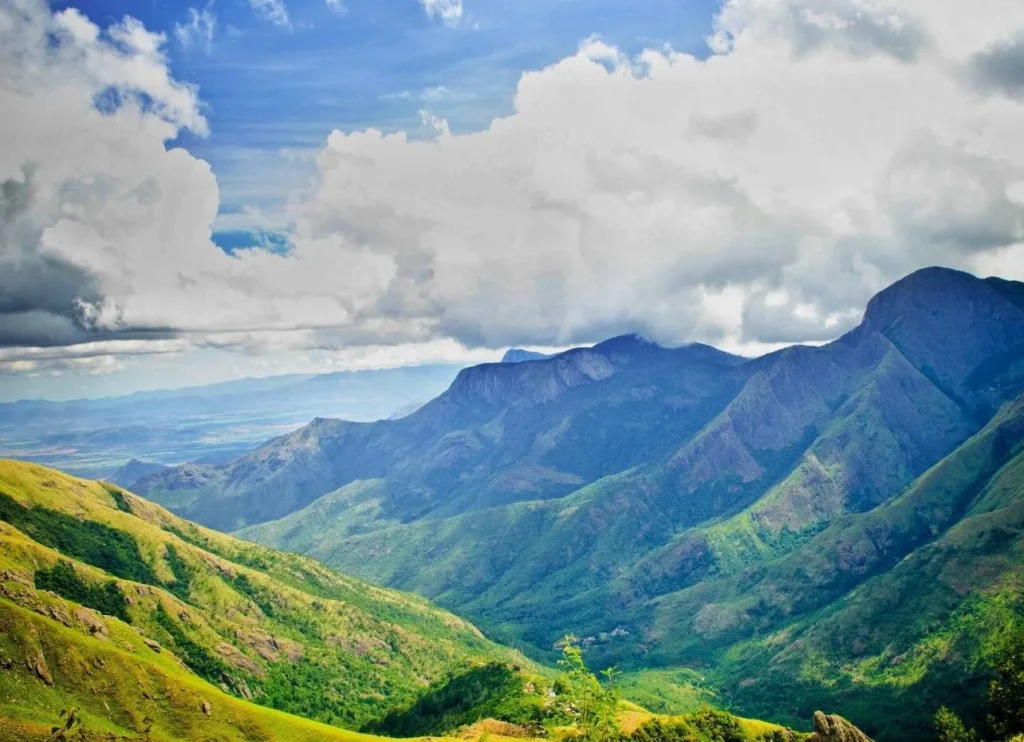
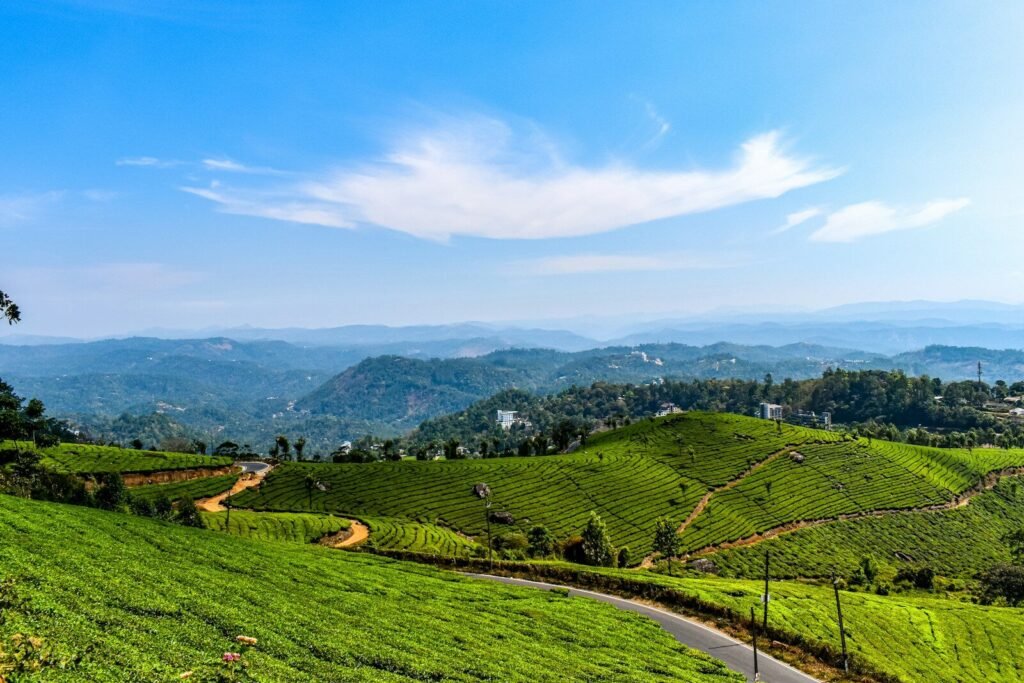
Top Station, perched on the high ranges of the Western Ghats near Munnar, is one of Kerala’s most iconic viewpoints. At an altitude of approximately 1700 meters (around 5,500 ft) above sea level, it offers sweeping views over valleys, tea plantations and the distant Tamil Nadu plains. Choosing the right time to visit makes the difference between foggy disappointment and spectacular panoramic vistas, clear skies and comfortable sightseeing.
Summary Recommendation
The best overall months to visit Top Station are October through March. During this period you’ll usually find clear skies, cool pleasant temperatures and good visibility—ideal for sunrise/sunset photography, hiking and taking in the landscape. If you want the unique Neelakurinji bloom, planning is different (see below).
Season-by-Season Guide
Post-monsoon and Winter (October – March)
This is the most favorable window for most tourists.
- Weather: Cool and dry; daytime temperatures typically range from 10–22°C (50–72°F), nights can be chilly.
- Visibility: Generally excellent—great for panoramic views, sunrise and sunset.
- Activities: Sightseeing, short treks, photography, tea estate visits and nature walks.
- Drawbacks: Peak tourist season—accommodation and travel needs may require advance booking on popular dates and weekends.
Pre-monsoon / Summer (March – May)
Spring and early summer bring milder weather and fewer crowds than winter.
- Weather: Mild to warm days (15–24°C), cool nights. Clear skies are common, especially before the monsoon sets in.
- Activities: Good for nature walks, sunrise visits and longer day trips. Fewer tourists compared with peak season.
- Drawbacks: It can begin to get hazy toward May; mid-day heat is slightly higher than winter months.
Monsoon (June – September)
Monsoon transforms Munnar and Top Station into lush, emerald landscapes—spectacular if you want dramatic flora and waterfalls—but it also brings challenges.
- Weather: Heavy rainfall, frequent fog and low clouds.
- Visibility: Often poor; viewpoints can be obscured for long periods.
- Activities: Photographers and nature lovers may enjoy the dramatic scenery and green valleys, but expect slippery trails and limited view windows.
- Drawbacks: Landslides, road closures and difficult driving conditions are possible; some trails and viewpoints may be unsafe or closed.
Neelakurinji Bloom: A Special Case
The Neelakurinji (Strobilanthes kunthiana) is famous for blooming in large swathes of the Western Ghats once every 12 years. When it occurs, it attracts large numbers of visitors from across India and abroad.
- Bloom frequency: Approximately every 12 years (the last major bloom was in 2018; the next expected cycle is around 2030).
- Typical bloom months: Late monsoon into early post-monsoon months—often August to October—depending on local weather patterns.
- Considerations: If you travel specifically for the Neelakurinji bloom, expect crowds and possibly difficult road conditions because blooms coincide with monsoon or immediately after. Plan lodging and transport well in advance and be prepared for variable weather.
Best Time by Activity
Photography and Panoramic Views
- Visit from October to March for crisp skies and sunrise/sunset color.
- Arrive before sunrise for golden light and low-lying mist in the valleys.
Trekking and Nature Walks
- October–March is safest for trails and comfortable daytime temps.
- Pre-monsoon (March–May) is also good for quieter trails; monsoon treks can be risky.
Flora and Wildlife Viewing
- Post-monsoon months (September–November) show lush, refreshed flora; monsoon months show the heaviest greenery but limited visibility.
Practical Travel Tips & Safety
- Start early: For sunrise and the clearest views, leave Munnar early in the morning—Top Station is popular at dawn.
- Road conditions: Roads to Top Station can be narrow and winding. If you’re not used to mountain driving, hire a local driver or taxi.
- Check local weather: During monsoon season, check for road closures or landslide alerts before you travel.
- Accommodations: Base yourself in Munnar town or nearby guesthouses; book ahead in peak season and during any special bloom events.
- Altitude considerations: The altitude is moderate—most visitors acclimatize easily. Expect cooler temperatures and dress in layers.
- Respect the environment: Follow local rules, avoid littering, and do not pick flowers (especially rare species like Neelakurinji).
Packing Checklist
- Clothing: Warm layers (sweater/jacket), light thermal for winter mornings, breathable clothing for day.
- Rain protection: Waterproof jacket/poncho and a lightweight umbrella if you visit during the monsoon or transitional months.
- Footwear: Sturdy, non-slip walking shoes or hiking boots—important for uneven or wet terrain.
- Essentials: Water bottle, snacks, sunscreen, sunglasses, hat, insect repellent.
- Photography gear: Camera with wide-angle lens, tripod for sunrise/sunset, extra batteries and memory cards.
- Documents & cash: ID, reservation confirmations and some cash—some small shops may not accept cards.
Suggested Day Plan for Top Station (From Munnar)
- Pre-dawn departure from Munnar to reach Top Station for sunrise.
- Spend 1–2 hours at the viewpoint—photographs, short walks and tea estate views.
- Combine with nearby attractions like Kundala Lake or Kolukkumalai tea estate (if time permits).
- Return to Munnar by mid/late morning for breakfast or continue exploring the region.
Final Advice
Top Station rewards visitors with some of the finest high-range views in South India. For clear vistas, good weather and comfortable excursions, plan your visit between October and March. If you’re targeting a rare natural spectacle like the Neelakurinji bloom, time your trip to the bloom window and prepare for larger crowds and variable weather. Whatever time you choose, prioritize safety on winding mountain roads, respect the fragile ecosystem and allow extra time to soak in the landscape.
Enjoy your trip—Top Station is best experienced with patience, an early start, and warm layers for those unforgettable highland moments.