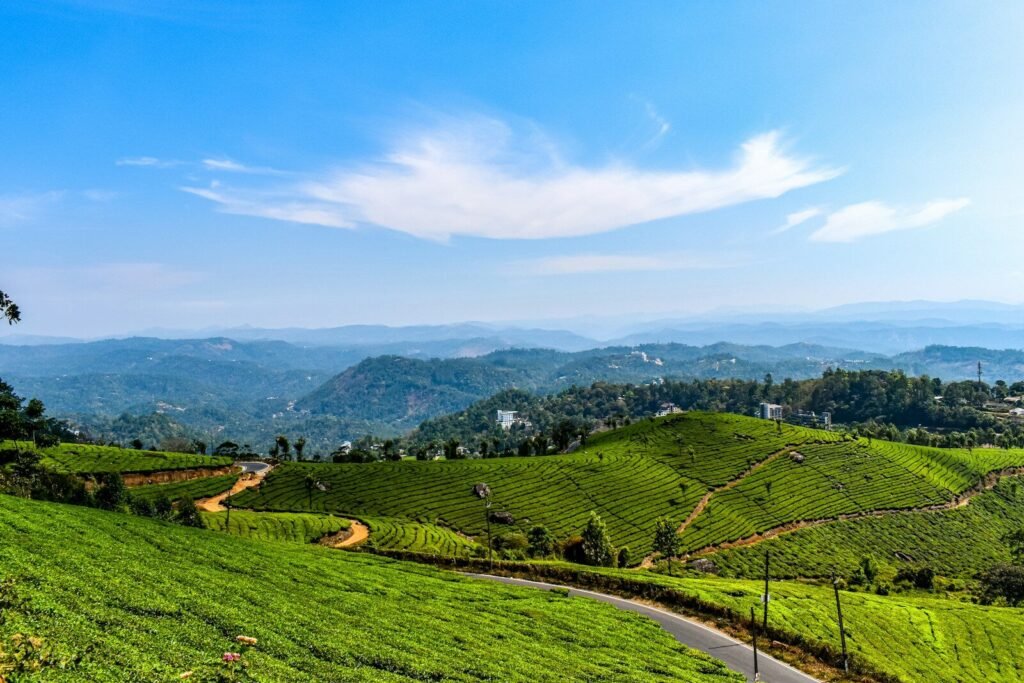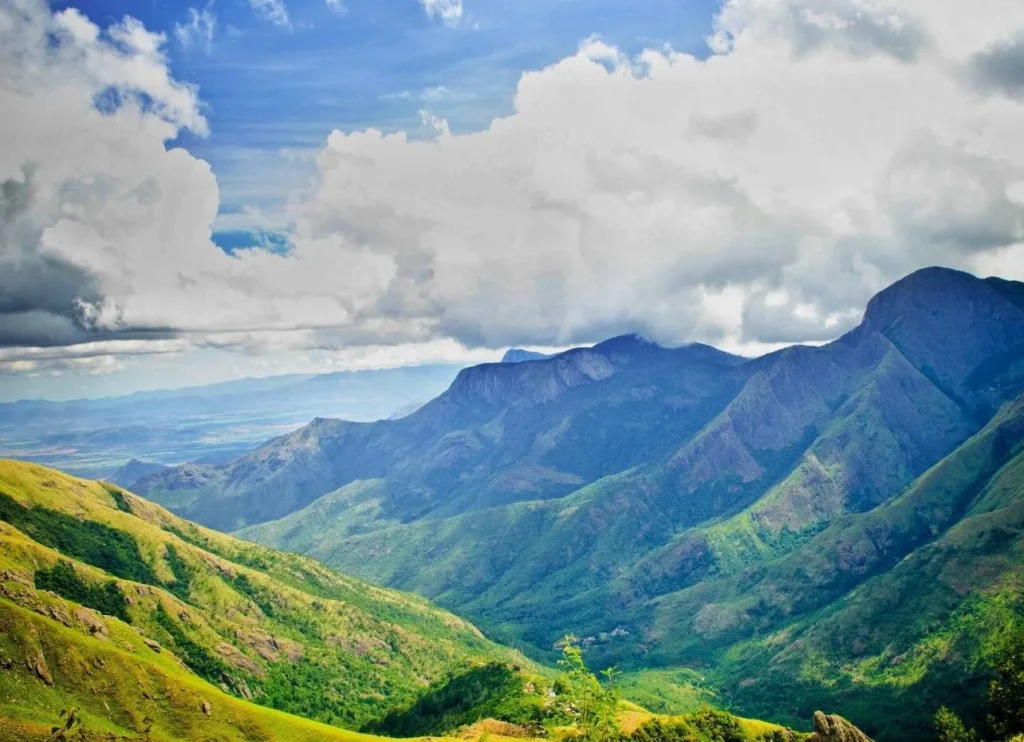
Top Station is one of the most evocative viewpoints in the Western Ghats, located on the eastern edge of the Munnar hill station area overlooking the plains of Tamil Nadu. Perched at an elevation of approximately 1,700 metres (around 5,600 feet), Top Station is celebrated as much for its panoramic vistas and ecological significance as for its rich plantation-era history that helped shape the modern landscape of Munnar.
Before large-scale commercial plantations, the high ranges around Munnar and Top Station were home to indigenous communities—small pastoral and foraging groups who knew the hills, streams and seasonal cycles intimately. The hills supported montane grasslands and shola forests, a mosaic habitat that still characterises much of the region.
From the late 19th century and into the early 20th century, Munnar became an epicenter of tea cultivation after the British and enterprising planters recognized the area’s suitability for high-altitude tea. The steep topography and the remote location posed a logistical problem: moving sacks and chests of processed tea down to market. Top Station became a crucial node in solving that problem.
With improvements in road networks and motor transport through the mid-20th century, the old ropeways and mule routes gradually fell into disuse. The functional importance of Top Station as a commercial transit point diminished, but its scenic value began to attract attention—first from domestic visitors, and later from international travelers—marking the start of its modern role as a tourist destination.
Top Station lies within a mosaic of shola forests and montane grasslands, habitats that host many endemic species. The hills are home to a range of mammals, birds and butterflies adapted to high-elevation conditions. Among the best-known botanical features in the broader Munnar–Top Station area is the neelakurinji (Strobilanthes kunthiana), a shrub that blooms prolifically once every 12 years. These mass flowering events draw intense visitor interest when they occur.
The region’s culture is intertwined with estate life: tea-bungalow architecture, worker settlements, and a layered local identity formed by indigenous communities, plantation workers (many migrants or descendants of migrants), and the colonial legacy. Traditional knowledge about the hills and seasonal cycles remains important to conservation and tourism narratives.
Top Station is accessed from Munnar by a scenic road that climbs through tea estates and shola forests. The journey itself is an attraction—winding hairpin turns, mist-laden slopes and lookout points. Facilities at the viewpoint are modest: there are viewing platforms, small stalls and parking; commercial development has been limited compared with lower-elevation tourist centers.
Tourism provides livelihoods for local guides, transport operators, tea estate staff engaged in hospitality, and small-scale vendors. Seasonal events such as the neelakurinji bloom create spikes in income for accommodation providers and local businesses.
Authorities, NGOs and estate managers have been working (with varying success) to balance visitor access and conservation. Efforts include regulated viewing points, guided trekking only with permits in sensitive zones, and awareness campaigns to promote responsible behavior during peak seasons.
Top Station is a place where natural beauty, colonial plantation history, and contemporary tourism converge. From its role as a functional hill‑top transit point in the tea economy to its present status as a celebrated viewpoint and ecological hotspot, Top Station illustrates the layered history of the Western Ghats. For visitors, it offers both dramatic scenery and an opportunity to reflect on how landscapes are shaped by economic, cultural and environmental forces. Responsible visitation and informed conservation remain essential to preserve Top Station’s landscapes for future generations.
For a fuller understanding of Top Station’s history and ecology, consult local guides, estate histories and conservation organizations working in the Western Ghats. If you are planning a visit, check current travel advisories, road conditions, and any permit requirements from local authorities to ensure a safe and sustainable trip.
What makes us different from other tour package companies
Our travel experts have core and intense knowledge about Kerala sector with over 10 years of experience that will help you choose the best possible itinerary as per your requirements.
Our travel experts are just one call away during your tour to help you with any kind of immediate assistance so that your tour is a more enjoyable and hassle-free tour.
eTourismKerala ensures best rates to all our esteemed guests since we have our own hotels and fleet of vehicles and drivers and there is no third-party involvement. This ensures personalized service and best rates.





















Kindly enter the details below for your Kerala Tour Package