Cherai Tour Guide

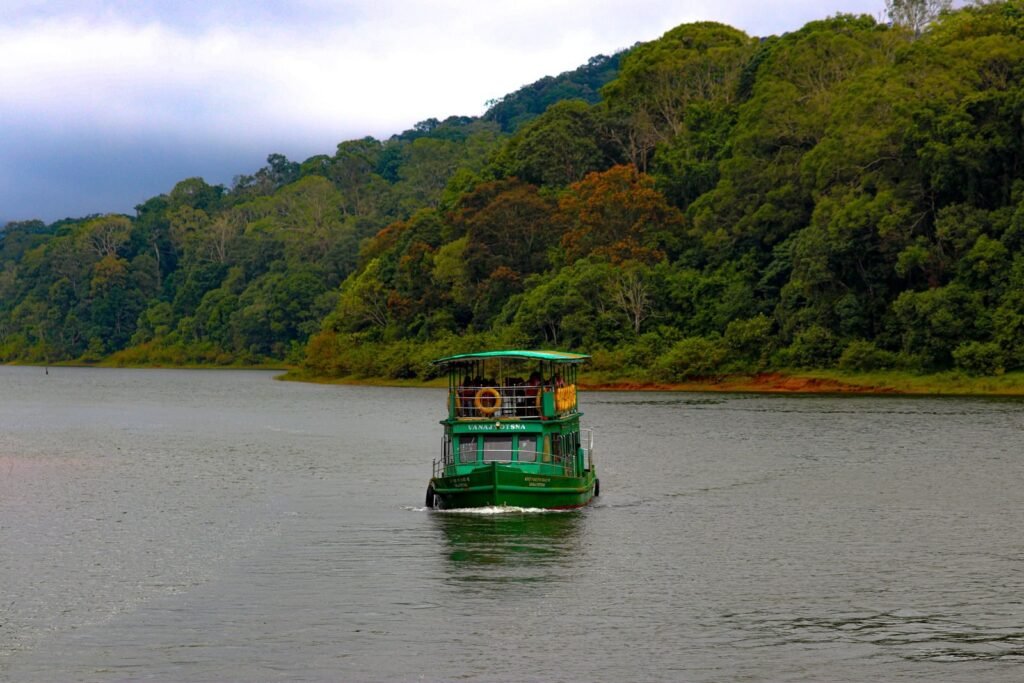
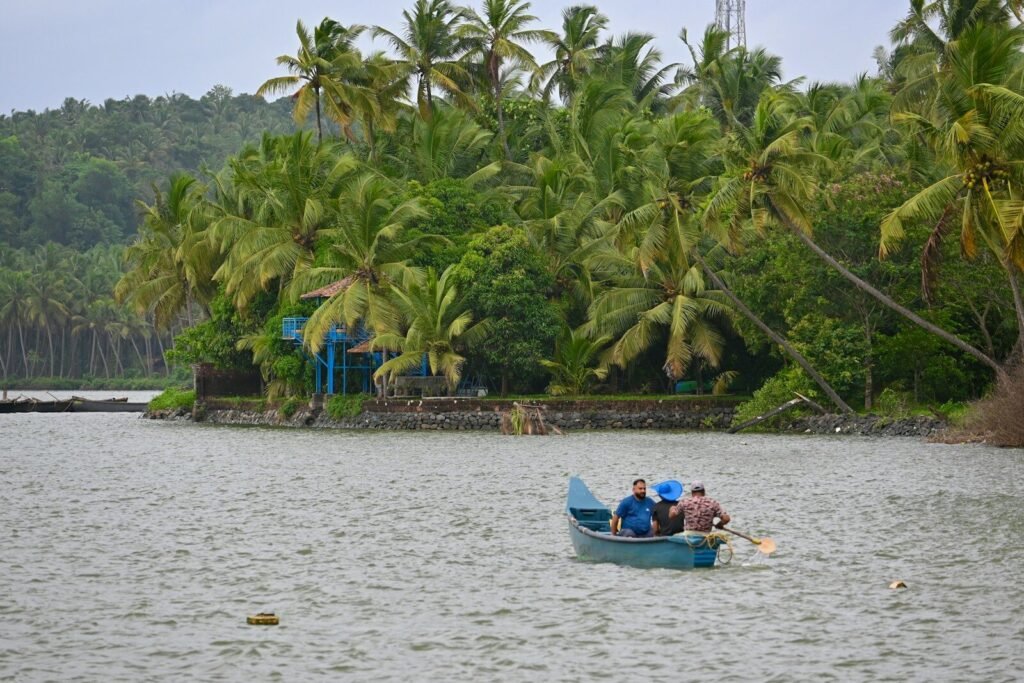
a group of people in a small boat on a lake

Best time to visit

Cherai, Kerala — Best Time to Visit (Tourism Guide)

Cherai is a small coastal village on Vypin Island near Kochi in the state of Kerala, India. It is best known for Cherai Beach — a long stretch where the Arabian Sea meets the backwaters — making it attractive for beach lovers, birdwatchers, families and couples. Choosing the right time to visit Cherai depends on what you want to do: sunbathing and swimming, backwater cruises, cultural festivals or Ayurvedic treatments. This article explains the seasons, month-by-month considerations, activities by season, and practical travel tips to help you pick the ideal time.

Quick Overview

Best overall period: November to February — pleasant temperatures, low rainfall and excellent conditions for beaches, sightseeing and outdoor activities.
Monsoon appeal: June to September — lush scenery, Ayurvedic treatments and fewer tourists, but heavy rains limit beach time.
Hot season: March to May — hot and humid; fewer crowds and lower prices, but midday heat can be uncomfortable.

Climate and Seasons

Winter / Post-monsoon (November – February)

This is the most popular tourist season. Temperatures are comfortable (cool mornings/evenings), humidity is lower and rainfall is minimal.

  • Why visit: Ideal for beach activities, long walks on the shore, boating and photography.
  • Downside: Peak season means higher accommodation costs and more visitors during weekends and festivals.

Summer (March – May)

Hot, humid weather with temperatures rising into the 30s °C. Sea breezes provide some relief.

  • Why visit: Fewer tourists, good for budget travel and quick trips. Sea is warm for swimming early/late in the day.
  • Downside: Intense midday heat; plan outdoor activities for mornings or evenings.

Monsoon (June – September)

Kerala’s southwest monsoon brings heavy rains. The landscape turns lush green and backwaters are at their most scenic.

  • Why visit: Ideal for Ayurvedic therapies (many centers prefer monsoon), watching dramatic coastal rain scenes, and photography of green backwaters.
  • Downside: Swimming is often unsafe; many beach activities and ferries can be disrupted; some hotels/activities scale down operations.

Post-monsoon / Festival Season (October – November)

Rains taper off, humidity reduces and the landscape is refreshed. This is a good transitional period with pleasant weather and local cultural activities.

Month-by-Month Practical Guide

  • January: Peak winter — best beach weather, cool mornings. Busy around New Year.
  • February: Excellent for outdoor activities, lower crowds than January; good for photography and birdwatching.
  • March – April: Warming up — ideal for budget travelers; early morning beach time recommended.
  • May: Hottest month — consider avoiding long daytime outdoor excursions.
  • June – September: Monsoon months — great for Ayurveda and quiet stays; carry rain gear and expect occasional travel delays.
  • October – November: Pleasant and scenic; October can still have residual showers. November onward becomes prime tourist season.
  • December: High season — festive atmosphere, pleasant weather but higher prices and crowds.

Activities by Season

Beach Activities (Swimming, Sunbathing, Walks)

Best time: November to February. The sea is calmer and the weather comfortable. Avoid swimming during heavy monsoon and immediately after storms when currents can be unpredictable.

Backwater Cruises & Boat Rides

Best time: November to February and post-monsoon (October–November). Calm waters and cooler weather make houseboat rides and short backwater cruises enjoyable.

Ayurveda & Wellness Retreats

Best time: Monsoon (June–September) is traditionally considered excellent for Ayurvedic treatments because the moist climate helps the body respond to therapies. However, winter months are also popular for wellness stays.

Birdwatching & Nature Photography

Best time: November to February — migratory birds visit the region and cooler mornings make it easier to spot species along the shore and in nearby wetlands.

Festivals and Cultural Experiences

Time your visit for local festivals if you want a cultural experience. Onam (usually August–September) is Kerala’s biggest festival and offers traditional art, boat races, and feasts — a great way to experience local culture, though weather will be monsoon-prone.

Practical Tips for Travelers

Packing Essentials

  • Light cotton clothing and sun-protection (hat, sunscreen, sunglasses) for November–May.
  • Rain jacket or umbrella for monsoon months (June–September) and October.
  • Insect repellent, especially during monsoon and at dusk.
  • Comfortable footwear for beach walks and short hikes; flip-flops for the sand.
  • Swimwear and quick-dry towel if you plan to swim (keep updated on local safety conditions).

Accommodation & Prices

  • Peak season (Dec–Jan): Book in advance — higher rates and limited availability on weekends/holidays.
  • Off-season/Monsoon: Many properties offer discounts; some smaller guesthouses may close or reduce services.
  • For a quiet beachfront stay, look for small resorts and homestays on Vypin Island or nearby islands.

Travel & Connectivity

  • Nearest airport: Cochin International Airport (Kochi). From the airport, taxis or car hires are the usual options to reach Cherai.
  • Nearest city hubs: Ernakulam and Fort Kochi provide rail and road links; ferries and local buses connect Vypin/Cherai with Kochi.
  • Local transport: Auto-rickshaws, taxis, rental bikes and local buses. Ferries are a scenic option to cross parts of the backwater system when operational.

Nearby Attractions

  • Pallipuram Fort — historic Portuguese fort near Cherai.
  • Backwater canals and coastal fishing villages of Vypin Island.
  • Fort Kochi and Mattancherry — colonial-era sites, spice markets and art galleries (short drive/ferry from Vypin).
  • Cochin (Kochi) city — shopping, restaurants and major travel connections.

Safety and Local Considerations

  • Always heed local warnings about sea conditions — lifeguard coverage may be limited.
  • Respect local customs — Kerala is culturally conservative in some settings; choose modest clothing when visiting villages or places of worship.
  • Carry cash — many small shops and local vendors prefer cash over cards.

Final Recommendation

For most tourists who want the classic Cherai experience — beach time, backwater cruises and pleasant weather — November to February is the ideal window. If you are seeking Ayurvedic therapies, quieter stays and dramatic green landscapes, consider the monsoon months (June–September). For budget-conscious travelers who don’t mind heat, March–May can offer good deals and fewer crowds.

Plan according to your priorities (beach vs. wellness vs. cultural festivals), book accommodations in advance during peak periods, and keep local weather updates handy to make the most of your trip to Cherai.

Get Instant Call Back​

Which places do you want to explore in Kerala?
Kindly share your above details to get Travel Plan PDF within 30 seconds on your mobile
Please wait while we are preparing customized quotes as per your requirement.

Why Choose us ?

What makes us different from other tour package companies

Best Travel Experts

Our travel experts have core and intense knowledge about Kerala sector with over 10 years of experience that will help you choose the best possible itinerary as per your requirements.

24 X 7 On-Trip Assistance

Our travel experts are just one call away during your tour to help you with any kind of immediate assistance so that your tour is a more enjoyable and hassle-free tour.

Best Rate Guarantee

eTourismKerala ensures best rates to all our esteemed guests since we have our own hotels and fleet of vehicles and drivers and there is no third-party involvement. This ensures personalized service and best rates.


Kerala Tour Packages by Theme

Kerala Tour From Popular Cities

Limited period offer – Kerala tour packages at flat 50% discount. Inquire now!

Kindly enter the details below for your Kerala Tour Package
Loading, please wait . .. ... ....