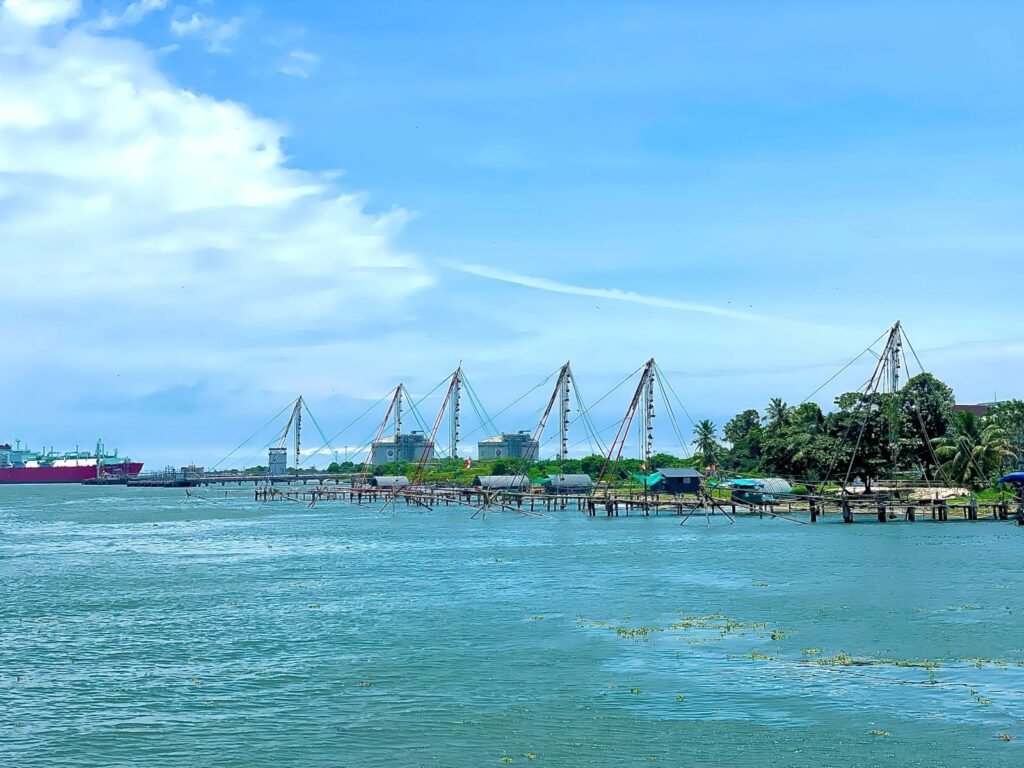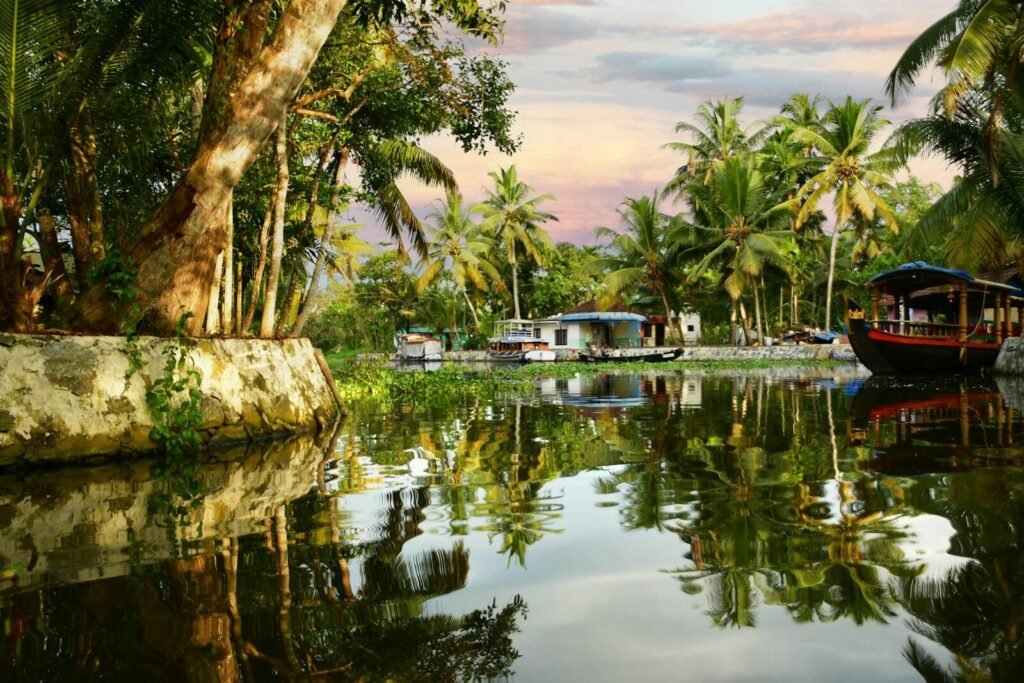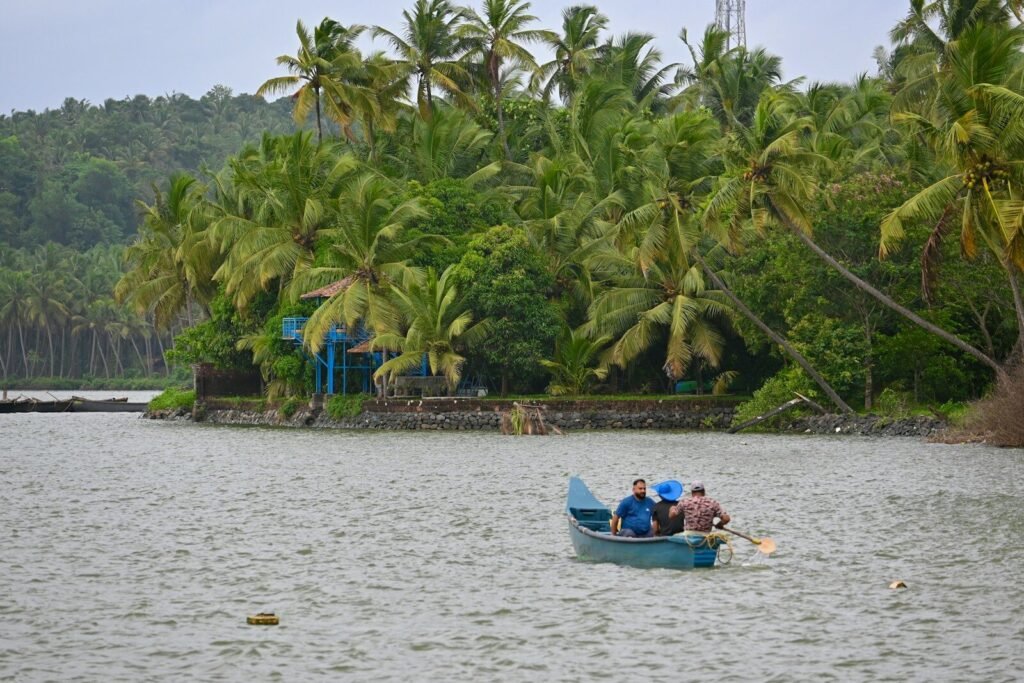
Cherai is a coastal town on Vypin (Vypeen) Island in the Ernakulam district of Kerala, India. Known today for its long sandy Cherai Beach, backwaters and close proximity to Kochi, Cherai’s appeal to tourists is rooted in a layered history of natural change, maritime trade, colonial encounters and resilient local communities. This article presents a historically informed guide for visitors: why Cherai matters, how its past shaped the landscape and culture you see today, and how to experience it responsibly.
The geography of Vypin Island, where Cherai is located, is central to its history. The island itself came into being after major shifts in Kerala’s coastline — local tradition and historical accounts point to the great floods and changes in river mouths and estuaries (notably the Periyar River) that reshaped the coastline and created a string of islands and backwaters. These natural processes established the mix of sandy shores, tidal lagoons and productive fisheries that define Cherai.
The new landforms encouraged settlement by fishing and farming communities. Coconut groves, paddy fields in the higher backwater strips and small-scale marine fisheries supported local life. The island’s proximity to Kochi (a major port since medieval times) meant these communities were linked to wider trade and cultural exchanges while remaining distinct in their island character.
Kerala’s coast has been integrated into Indian Ocean trade networks for millennia, and the waterways around Vypin and Kochi were part of that seafaring landscape. While major ancient ports like Muziris (further north) get much attention, the shores and channels near Vypin functioned as feeders—supporting navigation, provisioning ships, and hosting small-scale trade in spices, coconuts, coir and fish.
The colonial era left visible marks across the Kochi archipelago. European powers were drawn to the spice trade and built forts, churches, and trading posts around the harbour. Although Cherai itself was a quieter, more rural locality than Fort Kochi or Mattancherry, events and structures in the vicinity shaped its environment and opportunities.
On Vypin’s northern edge lies the historic Pallipuram Fort (Ayikkotta), one of the earliest European forts in Kerala, originally built by the Portuguese in the early 16th century. The fort is a reminder of the strategic importance of the islands guarding approaches to Kochi’s harbour. For visitors to Cherai, such nearby relics provide tangible links to the era of early European presence on the Malabar coast.
The 20th century brought infrastructural changes—improved roads, bridges and ferry services—that more closely integrated Vypin with Kochi. Cherai’s long, accessible beach and the scenic mix of sea and backwater began to attract visitors from Kochi and beyond. The growth of tourism accelerated in recent decades with better transport, the spread of homestays and resorts, and the broader rise of Kerala as a global tourism brand (backwaters, ayurveda, beaches).
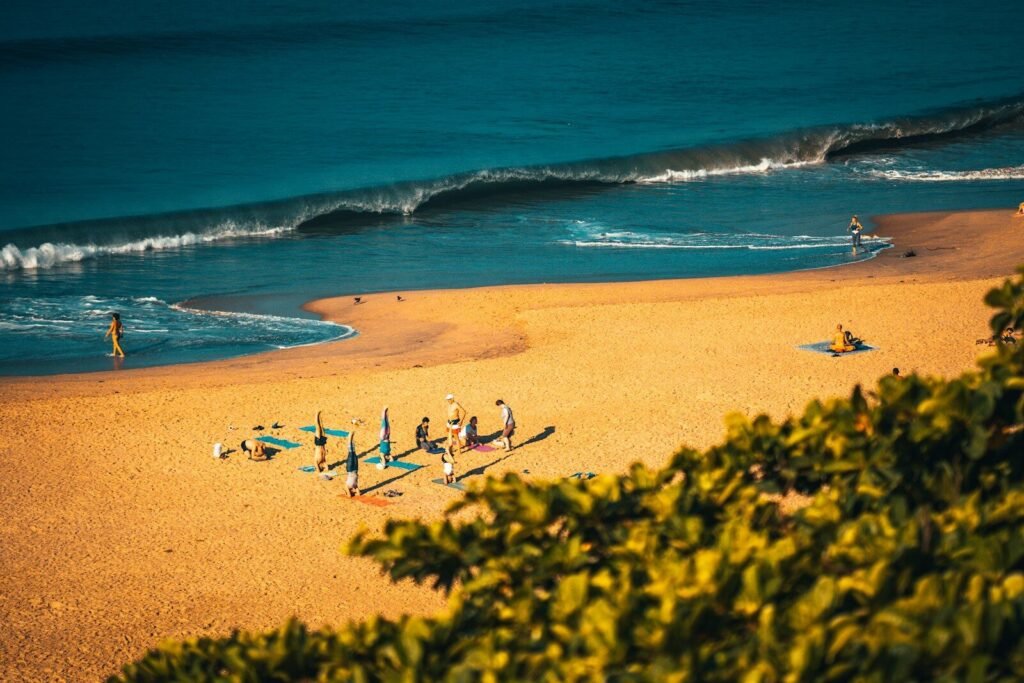
Cherai Beach is the primary draw: a long stretch of sand where the Arabian Sea and the Vembanad Lake system meet. For history-minded visitors, the beach’s continuing role as a fishing shoreline—along with seasonal changes and community rhythms—offers insight into coastal Kerala life that has persisted despite modernization.
A short trip north from Cherai brings visitors to Pallipuram Fort. Its compact structure and strategic placement make it a useful stop for understanding early European fortification strategies and coastal defence systems in Kerala.
Vypin and the adjacent mainland host a range of religious sites—churches reflecting centuries of Christian presence, Hindu temples with local festivals, and mosques serving Muslim communities. These institutions reveal the plural religious fabric of coastal Kerala and the interplay of local traditions with maritime contacts.
Visitors who wish to go beyond sunbathing will find rewarding experiences by:
Cherai faces contemporary coastal challenges that are deeply tied to its history and geography:
Below is a suggested itinerary that blends history, culture and relaxation:
For visitors and researchers who want to dig deeper:
Cherai is more than a picturesque beach: it is a landscape shaped by natural forces and centuries of human activity. For tourists who come with curiosity about the past and respect for the present, Cherai offers a compact, revealing window into Kerala’s coastal history—its livelihoods, colonial encounters, religious plurality and ongoing negotiations between development and conservation. Visiting thoughtfully helps preserve the qualities that make Cherai both historically important and delightfully welcoming.
What makes us different from other tour package companies
Our travel experts have core and intense knowledge about Kerala sector with over 10 years of experience that will help you choose the best possible itinerary as per your requirements.
Our travel experts are just one call away during your tour to help you with any kind of immediate assistance so that your tour is a more enjoyable and hassle-free tour.
eTourismKerala ensures best rates to all our esteemed guests since we have our own hotels and fleet of vehicles and drivers and there is no third-party involvement. This ensures personalized service and best rates.















Kindly enter the details below for your Kerala Tour Package