Munnar Tour Guide

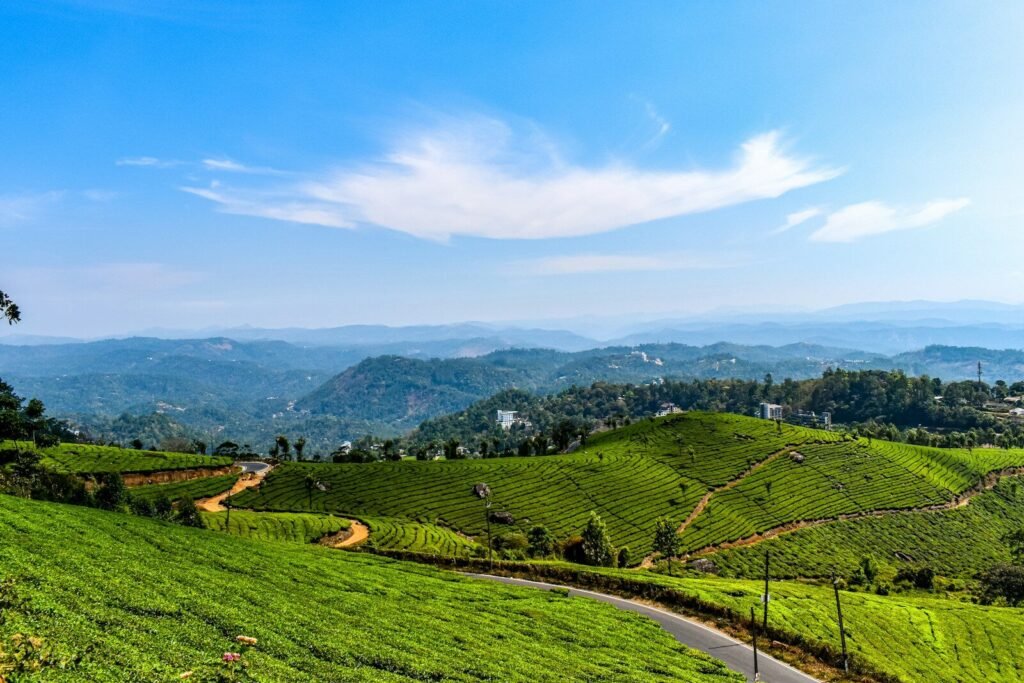
green grass field near mountain under blue sky during daytime

Best time to visit

Best Time to Visit Munnar, Kerala — A Tourism Guide

Munnar, perched in the Western Ghats of Kerala at around 1,400–1,600 m above sea level, is one of India’s most beloved hill stations. Selecting the right time to visit depends on what you want to do: sightseeing, trekking, photographing tea gardens, enjoying waterfalls, or seeking solitude. This guide explains the seasonal character of Munnar and recommends the best months and practical tips for each travel style.

Quick summary

Overall best period: September to March — cool, clear weather and lush post-monsoon landscapes.

Peak travel months: December to February — crisp days and chilly nights; ideal for sightseeing and photography but busier and pricier.

Best for greenery and waterfalls: June to September (monsoon and immediate post-monsoon) — dramatic, verdant scenery, fewer tourists.

Best for trekking & long daylight: March to May — warmer, drier, and better trekking conditions before heavy rains.

Climate overview

Munnar has a mountain climate with cooler temperatures than the lowlands of Kerala. Weather varies with altitude and local topography.

  • Temperatures: day averages ~18–25°C in summer, ~10–20°C in winter; nights can drop to single digits in the coldest months in higher pockets.
  • Rainfall: heavy during the southwest monsoon (June–September) and sustained rainfall possible into October with the northeast monsoon; annual rainfall is substantial.

Month-by-month / Season breakdown

Post-monsoon & early winter (September – November)

Why go: The hills are freshly green, waterfalls and streams are full, and the weather is pleasantly cool. Visibility is good for panoramic views and photography.

  • Pros: Lush scenery, fewer crowds than peak winter, good trekking conditions as trails drain well.
  • Cons: Occasional residual showers in September; trails can be slippery early in the season.
  • Ideal for: Nature photography, tea garden walks, short treks, waterfall viewing.

Peak winter (December – February)

Why go: Clear skies, brisk mornings, and cool days make sightseeing and wildlife spotting ideal. Munnar’s winter charm draws the most visitors in this period.

  • Pros: Comfortable daytime temperatures, very pleasant for outdoor activities and sightseeing.
  • Cons: It’s the busiest time — expect higher rates for accommodation and more crowds at major viewpoints.
  • Ideal for: Photography, leisure sightseeing, tea estate tours, and staying in cozy hill-station hotels.

Summer / Pre-monsoon (March – May)

Why go: Warmer but still comfortable compared with the plains; longer daylight hours and fewer mosquitoes than peak monsoon.

  • Pros: Good for longer treks, picnics, and exploring outdoors without heavy rains.
  • Cons: Can get warmer in lower parts and tourist numbers rise toward late April/May (Indian holiday season).
  • Ideal for: Trekking to Anamudi (check permits and park timings), wildlife and nature walks, cycling.

Monsoon (June – August)

Why go: Monsoon brings dramatic clouds, roaring waterfalls, and intensely green tea estates. For travelers who love solitude and dramatic landscapes, this is magical.

  • Pros: Spectacular scenery, lower prices, fewer tourists, very fresh air.
  • Cons: Heavy rains can interrupt travel plans; some roads or trails may be closed or slippery; landslide risk in extreme conditions. Certain parks or viewpoints may be temporarily restricted — always check local updates.
  • Ideal for: Photographers seeking moody landscapes, budget travelers, and those interested in monsoon-specific Ayurvedic treatments.

Activities and the best time for each

Tea plantations & estate walks

Best time: September–February and late monsoon for peak greenery.

Notes: Early morning or late afternoon provides the best light for photos and cooler temperatures for walks.

Trekking (e.g., Anamudi, Meesapulimala)

Best time: October–May (avoid heavy monsoon months for safety and better trail conditions).

Notes: Some protected areas may have seasonal closures for wildlife — check with park authorities and obtain permits where required.

Waterfalls & viewpoints (Top Station, Echo Point, Kundala)

Best time: Immediately post-monsoon (September–November) and during monsoon for maximum flow, or December–February for clear views and comfortable weather.

Wildlife & flora (Eravikulam/ Rajamalai)

Best time: October–March for comfortable visits and better visibility. Note that protected areas sometimes have specific closure periods — verify before planning.

Practical travel tips

  • Book early in peak season: December–January sees high demand — reserve hotels and transport in advance.
  • Check park/attraction timings and closures: National parks, tea estate tours, and some trekking routes may have seasonal restrictions or maintenance closures.
  • Road safety in monsoon: Routes to Munnar are scenic but include many hairpin bends. Heavy rain can affect road conditions — drive cautiously or use experienced drivers.
  • Acclimatize: The temperature is significantly cooler than Kerala’s plains — pack warm layers, especially for early mornings and nights.
  • Health & safety: Carry a basic first-aid kit, insect repellent, and any personal medication. In wet months, leeches may appear on forested trails — gaiters and salt can help.

Packing checklist

  • All seasons: Comfortable walking shoes, light daypack, water bottle, sunscreen, sunglasses.
  • Winter/September–March: Warm jacket, sweaters, woolen cap, gloves for cold nights and early mornings.
  • Monsoon (June–September): Waterproof jacket/poncho, quick-dry clothes, waterproof footwear, zip-lock bags for electronics.
  • Trekking: Sturdy hiking boots, trekking poles, headlamp, basic first-aid, map/GPS or a local guide.

Where to stay and how long to spend

Base yourself in Munnar town for easy access to markets and restaurants, or choose tea-estate bungalows and homestays for a quieter, immersive experience. A typical stay of 2–4 days lets you see key sights (Eravikulam/Anamudi viewpoint, Mattupetty, Echo Point, Top Station) at a relaxed pace. Add extra days for longer treks or if you’re visiting in the monsoon and want to explore more slowly.

Final recommendation

If you want the safest balance of weather, scenery, and activity options, visit between September and March. For lush landscapes and dramatic waterfalls with fewer tourists, consider the monsoon and immediate post-monsoon months (June–September), but plan flexibly in case of rain-related disruptions. Always check current local conditions, park notices, and road advisories just before travel.

Safe travels — enjoy Munnar’s tea-scented hills and misty panoramas!

Get Instant Call Back​

Which places do you want to explore in Kerala?
Kindly share your above details to get Travel Plan PDF within 30 seconds on your mobile
Please wait while we are preparing customized quotes as per your requirement.

Why Choose us ?

What makes us different from other tour package companies

Best Travel Experts

Our travel experts have core and intense knowledge about Kerala sector with over 10 years of experience that will help you choose the best possible itinerary as per your requirements.

24 X 7 On-Trip Assistance

Our travel experts are just one call away during your tour to help you with any kind of immediate assistance so that your tour is a more enjoyable and hassle-free tour.

Best Rate Guarantee

eTourismKerala ensures best rates to all our esteemed guests since we have our own hotels and fleet of vehicles and drivers and there is no third-party involvement. This ensures personalized service and best rates.


Kerala Tour Packages by Theme

Kerala Tour From Popular Cities

Limited period offer – Kerala tour packages at flat 50% discount. Inquire now!

Kindly enter the details below for your Kerala Tour Package
Loading, please wait . .. ... ....