Munnar: A Historical Overview in the Context of Tourism
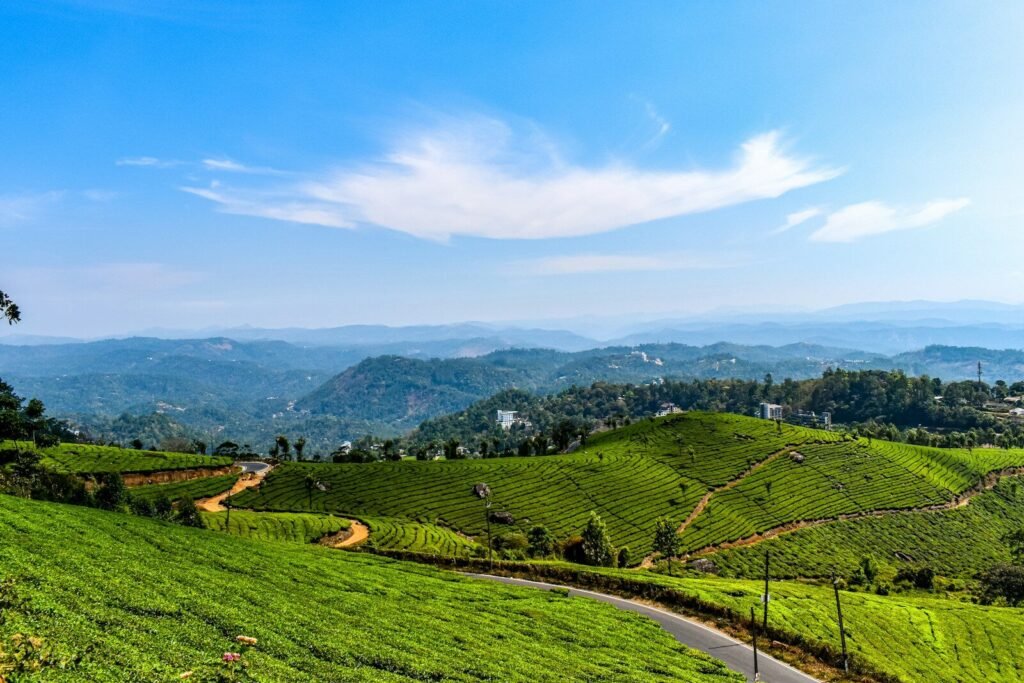
Munnar — a hill town in the Idukki district of Kerala, India — sits amid rolling tea estates, shola forests and high-altitude grasslands. Over roughly the last 150–170 years its identity shifted from a sparsely inhabited upland used by indigenous communities to a colonial plantation landscape and finally to a major tourism destination. This article traces that transformation, highlights the historical places and structures that tourism now engages with, and discusses the social and environmental consequences that tourism has brought to the region.
Early history and indigenous presence
Before large-scale plantation agriculture, the Munnar area was home to several indigenous communities who adapted to the montane shola–grassland ecosystem. These communities practiced shifting cultivation, gathering and small-scale pastoralism, and had deep knowledge of local flora and fauna.
- Landscape use: Seasonal grazing and gathering in shola forests and grasslands; small agricultural clearings in valleys.
- Social organization: Local kinship groups and customary rights governed resource use; sacred groves and ritual landscapes were common.
The colonial encounter and the rise of plantations
From the mid- to late 19th century the British colonial presence in south India expanded into highland regions that offered cool climates and new commercial possibilities. Munnar’s transformation accelerated when planters recognized the region’s potential for tea, coffee and later other plantation crops.
Plantation establishment
- Tea and other crops: British planters cleared large tracts of shola woodland and grassland to establish tea estates and to grow eucalyptus, potatoes and cardamom in the surrounding areas.
- Company estates: Large plantation companies acquired land, introduced scientific cultivation practices and built estate infrastructure — bungalows, processing units, lines of worker housing, roads and transport links.
- Transport innovations: Ropeways, cart tracks and roads were developed to move tea and supplies between highland plantations and plains markets.
This plantation economy dramatically altered land use patterns, ecology and social relations. Indigenous access to forest resources was restricted as land titles and estate boundaries were formalized.
Labour migration and settlement patterns
The labour demands of plantations created new demographic dynamics:
- Planters recruited large numbers of plantation workers from neighbouring districts and regions (notably from Tamil-speaking areas). Migrant labour communities established long-term settlement patterns in estate “lines” or colonies.
- Estate society with its bungalow, manager’s quarters and worker lines created a sharply stratified social geography that persisted into the post-colonial era.
Post-independence developments
After Indian independence the plantation economy continued but ownership, regulation and labour relations evolved. New state policies, changes in market conditions and the rise of companies linked to larger corporate groups shaped the industry’s later structure. Over time some plantation companies invested in community infrastructure while social tensions and labour movements also emerged around wages and living conditions.
Land and conservation responses
As environmental awareness grew in the 20th century, parts of the Munnar landscape were recognized for their biodiversity value. Protected areas and wildlife reserves were created to conserve unique montane species and ecosystems, giving modern tourists additional reasons to visit.
From colonial retreat to tourist destination
Tourism in Munnar has its roots in the colonial era when the hill stations served as summer retreats for Europeans seeking relief from tropical heat. In the decades after independence tourism expanded steadily, driven by:
- Improved road access and transport.
- Growing domestic leisure travel, especially from Kerala and neighbouring Tamil Nadu.
- Interest in natural attractions (Anamudi peak, Eravikulam National Park), tea gardens, waterfalls and cool-climate recreation.
Key historical and heritage attractions that draw visitors
- Tea plantations and bungalows: The estate landscape with its colonial bungalows, tea-processing units and worker lines provides a visible link to the plantation past.
- Tea museums: Museums and interpretive centres explain tea processing and plantation history, connecting visitors to the labour and technical history of the region.
- Top Station and transport relics: Historic routes, viewpoints and remnants of old ropeway/transport systems recall the logistical efforts used to move tea from hills to plains.
- Eravikulam National Park and Anamudi: These protected areas preserve endemic wildlife (including the Nilgiri tahr) and high-altitude habitats; they also have a rich history of scientific exploration and conservation activism.
- Mattupetty Dam, Kundala Lake and waterfalls: Built or enhanced during the mid-20th century, these areas are both recreational sites and markers of development-era infrastructure.
Tourism’s socio-economic impact
Tourism has become a major economic pillar in the Munnar region, supplying employment in hospitality, guiding, transport and retail. At the same time tourism has layered new economic and cultural relations onto the older plantation society.
- Positive impacts: Diversified incomes for local families, opportunities for women in hospitality and handicrafts, increased infrastructure and services.
- Concerns: Seasonal and precarious employment, unequal benefit distribution (corporate vs local small enterprises), pressure on land and water resources, and cultural commodification.
Environmental challenges and heritage preservation
The historical changes that turned Munnar into a plantation landscape, and later into a tourism hotspot, have produced several environmental and heritage tensions:
- Landscape change: Replacement of shola forest and grassland by monoculture plantations altered hydrology, biodiversity and soil stability.
- Invasive species: Species such as black wattle and eucalyptus introduced in earlier eras have spread and complicated restoration efforts.
- Development pressure: Rapid hotel construction, road widening and commercial expansion have led to habitat fragmentation and aesthetic changes to historic estate landscapes.
- Landslides and climate risk: Changing rainfall patterns and land-use change increase vulnerability to erosion and slope instability in the region.
Heritage, memory and interpretation
Tourism gives visitors a chance to engage with Munnar’s layered past, but how that past is interpreted matters. Effective heritage tourism balances multiple narratives:
- Colonial history: The architecture and machinery of the plantation era tell stories of colonial enterprise and technological change.
- Labour histories: Worker communities, their struggles and cultural contributions should be central to historical interpretation.
- Indigenous knowledge: The presence and claims of indigenous peoples and their historical land use must be acknowledged in interpretive materials.
Examples of heritage interpretation in tourism
- Guided estate walks that combine tea-processing demonstrations with oral histories from estate workers.
- Interpretive trails in protected areas that explain the natural history alongside human impacts.
- Community-run homestays and cultural experiences that highlight local crafts, food and storytelling.
Recent trends and the contemporary tourism economy
In recent decades Munnar’s tourism profile diversified beyond sightseeing: eco-tourism, birding, trekking, and boutique stays in converted estate bungalows have all grown. Digital booking platforms and social media further amplified Munnar’s visibility as a must-visit hill destination for domestic and international travelers.
Balancing growth and sustainability
Managing tourism sustainably requires policy and community action across several fronts:
- Regulating construction and zoning to conserve critical habitats and estate character.
- Supporting community-based tourism so local residents capture greater share of revenues.
- Investing in waste management, water conservation and resilient infrastructure to reduce environmental footprint.
- Interpreting history inclusively — reflecting indigenous perspectives, labour histories and environmental impacts, not only colonial nostalgia.
Practical guidance for historically minded visitors
- Visit sensitively: Respect worker lines and local communities; ask permission before photographing people’s houses.
- Seek interpretation: Choose guided walks or museums that address both natural and social history.
- Support local: Prefer locally owned homestays, guides and artisans rather than large external chains.
- Stay on trails: Avoid trampling fragile shola–grassland patches and do not disturb wildlife.
Summary timeline (condensed)
- Pre-colonial era: Indigenous communities practice seasonal use of shola–grassland ecosystems.
- Late 19th century: British planters establish large-scale tea and other plantations; estate infrastructure and transport networks introduced.
- Early to mid 20th century: Plantation society consolidates; transport and processing technology evolves; hill station culture grows.
- Post-independence: Plantation sector continues under changing ownership and regulation; protected areas and conservation measures introduced.
- Late 20th — early 21st century: Tourism becomes a central economic driver; eco-tourism, heritage tourism and adventure tourism expand, alongside environmental pressures and debates over sustainability.
Conclusion
Munnar’s history is inseparable from the twin processes of ecological change and human enterprise: indigenous stewardship of high-altitude ecosystems; colonial-era plantation transformation; labour migration and settlement; and the more recent tourism boom. For visitors and planners alike, understanding that history is essential to preserve what makes Munnar special — its landscapes, biodiversity and the human cultures that have shaped and been shaped by the hills. Responsible, historically informed tourism can both sustain local livelihoods and protect the natural and cultural heritage that draw people to Munnar.
Further steps for the traveler or researcher
- Visit estate tea museums and request oral-history sessions from long-term residents.
- Spend time in protected areas such as Eravikulam to learn about conservation history and species like the Nilgiri tahr.
- Engage with community tourism initiatives and local NGOs working on restoration and sustainable livelihoods.