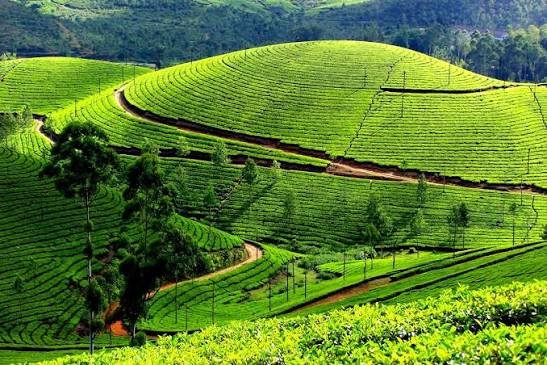
Things to Do at Tea Gardens, Munnar — A Tourist’s Guide
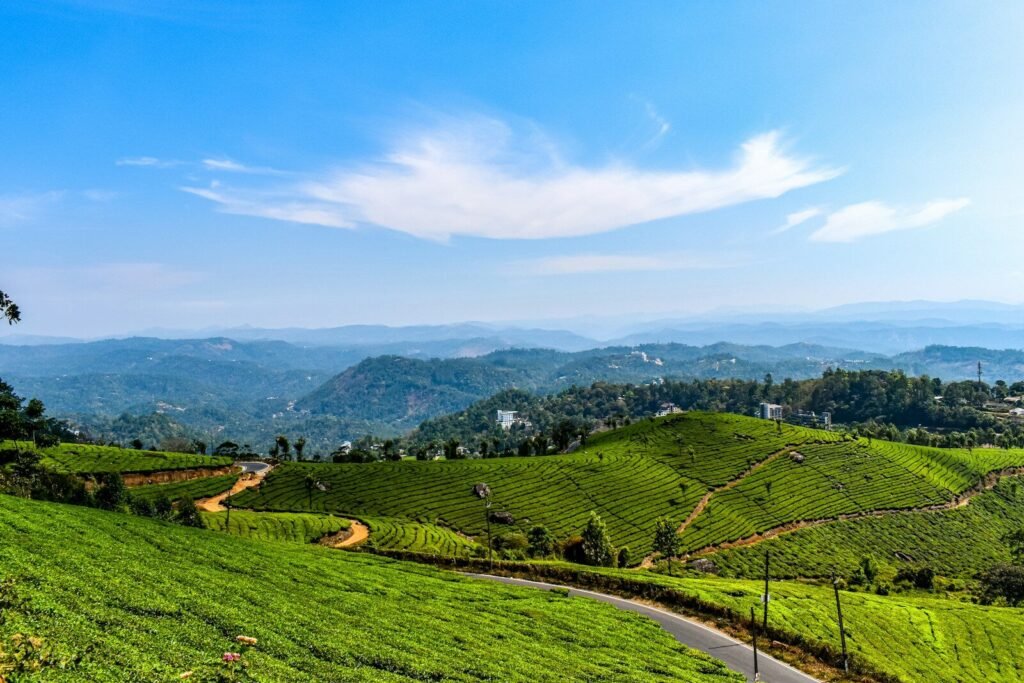
Tea Gardens in Munnar are among the most iconic landscapes in Kerala: rolling emerald plantations, misty valleys, colonial-era estate bungalows and steaming cups of freshly brewed tea. This article outlines the best activities, practical tips, sample itineraries and responsible-tourism advice so you can make the most of your visit to the tea gardens around Munnar.
Why Visit the Tea Gardens of Munnar?
The tea gardens are not just scenic backdrops — they are living cultural landscapes where agriculture, ecology and local life intersect. Visiting lets you:
- Experience working plantations: watch tea-pluckers at work and learn about processing from leaf to cup.
- Enjoy stunning viewpoints: panoramic vistas, sunrise and sunset spots and photogenic rolling slopes.
- Explore biodiversity: plantation edges host birds, butterflies and native plants.
- Taste premium teas: sample orthodox and CTC varieties at estate factories and shops.
Best Time to Visit
- October to March: Cool, clear weather ideal for sightseeing, trekking and photography.
- April to May: Pleasant, slightly warmer — good for longer walks and estate stays.
- June to September (Monsoon): Lush and dramatic but often wet — beautiful if you don’t mind rain and occasional road disruptions.
Top Things to Do in the Tea Gardens
1. Guided Tea Plantation Walks
Join a guided walk through the plantation rows to learn about different cultivars, pruning methods and seasonal tasks. Guides often explain the life cycle of the tea bush, plucking standards and estate history.
- Duration: 1–3 hours.
- Good for: nature lovers, photography, cultural learning.
- Tip: Wear sturdy shoes and a light rain jacket; follow the guide and stick to marked paths.
2. Tea Factory and Cupping Tours
Many estates open their factories to visitors where you can observe withering, rolling, oxidizing and drying. A cupping (tasting) session teaches you to evaluate aroma, infusion and mouthfeel.
- Duration: 1–2 hours.
- What to expect: demonstration of processing stages, sample tastings and the chance to buy fresh, estate-packed tea.
- Tip: Ask for orthodox whole-leaf samples (for subtle flavours) and CTC (for strong, malty tea).
3. Sunrise and Sunset Viewpoints
Tea slopes and estate roads offer dramatic views at dawn and dusk when mist drifts through the valleys. Popular viewpoints near tea gardens are excellent for landscape photography and quiet reflection.
- Best times: early morning for golden light; late afternoon for soft, warm tones.
- Bring: tripod for low-light shots and a warm layer—temperatures drop quickly.
4. Photography and Landscape Painting
From sweeping aerial-style compositions to close-up macro shots of dewy tea leaves, the gardens are a photographer’s dream. Painters and sketch artists will also find endless subject matter.
- Try: leading lines created by rows of bushes, repeating textures, workers in traditional dress for human-interest compositions.
- Respect: ask permission before photographing workers.
5. Trekking and Estate Trails
Many plantations have service roads and trails that connect to nearby hills, reservoirs and forests. These trails range from easy strolls to moderate treks with rewarding viewpoints.
- Popular routes: short estate loops, trails to nearby hills and longer treks linking to national parks.
- Precautions: bring water, wear comfortable shoes, and avoid solo hikes in remote areas.
6. Birdwatching and Nature Walks
Tea garden margins and hedgerows attract a variety of birds and butterflies. Early morning walks often yield sightings of sunbirds, babblers, flycatchers and occasional raptors.
- Bring: binoculars and a field guide or a local birding guide.
- Expect: peaceful walks and opportunities to learn about plantation-edge ecology.
7. Estate Stays and Heritage Bungalows
Staying on a tea estate or in a restored bungalow gives an immersive experience: watch estate life, enjoy freshly prepared local food and take leisurely walks through the gardens.
- Options: homestays with labourers’ families, guesthouses run by estates, boutique resorts.
- Benefits: home-cooked meals, chances to learn plucking techniques, relaxed mornings with tea service.
8. Tea Tasting and Shopping
Buy tea directly from estates for the freshest flavours. Many estates sell orthodox black, green, white and flavoured teas, as well as tea souvenirs and blends.
- Ask for: taste notes, recommended brewing temperatures and shelf life.
- Tip: purchase small sample packs to try at home before buying larger quantities.
9. Picnics and Leisurely Breaks
Several estates have designated picnic spots overlooking valleys or beside scenic roads. A simple picnic with local snacks and freshly brewed tea can be a memorable way to soak in the views.
- Always: carry out what you carry in — leave no litter behind.
10. Engage with Local Culture and Cuisine
Visit nearby villages or estate canteens to sample Kerala cuisine: appam, kadala curry, local fish dishes and snacks. Many homestays serve traditional breakfast with freshly brewed estate tea.
Conservation and Responsible Tourism
Tea gardens are working landscapes where tourism intersects with people’s livelihoods. Follow these guidelines to visit responsibly:
- Stay on paths: avoid trampling young plants or disturbing agricultural activity.
- Ask before photographing workers: respect privacy and local traditions.
- Support local: hire local guides, buy estate tea and eat local food.
- Minimize waste: carry reusable bottles and bags; dispose of trash properly.
- Respect wildlife: do not feed animals or remove plant material.
Safety and Practical Tips
- Wear non-slip shoes — plantation paths can be damp and uneven.
- Carry a light rain jacket even in the dry season — weather can change quickly.
- Keep insect repellent handy for early-morning walks.
- Hydrate and carry snacks for longer walks; facilities may be sparse in remote estates.
- When visiting factories, follow safety guidelines and stay out of restricted zones.
How to Reach the Tea Gardens in Munnar
Munnar town is the usual base for exploring tea gardens; from there, estate roads and guided tours take you into plantation areas.
- By road: Munnar is well connected by road to Kochi (approx. 4–5 hours), Madurai and Coimbatore.
- Local transport: taxis, auto-rickshaws and organized estate transfers are available.
- Walking access: many nearby gardens are accessible on foot from guesthouses in and around Munnar.
Sample Itineraries
Half-Day: Estate Walk + Tea Tasting
- Early morning guided plantation walk (1–1.5 hours).
- Visit to the factory for processing demo and cupping session (1 hour).
- Buy freshly packed estate tea from the shop.
Full-Day: Gardens, Viewpoint and Village Experience
- Sunrise viewpoint photo session.
- Extended plantation trek and visit a neighbouring village for lunch.
- Afternoon tea factory tour and leisure time at the estate bungalow.
Two Days: Immersive Estate Stay
- Day 1: Arrival, relaxed evening walk and sunset over the plantation.
- Day 2: Early plucking experience, full factory tour, longer nature walk and departure.
Packing Checklist
- Comfortable walking shoes, light rain jacket, hat and sunglasses.
- Reusable water bottle, small snack pack and insect repellent.
- Camera, extra batteries and a compact tripod if you plan low-light photography.
- Warm layer for early mornings and evenings.
Nearby Attractions
- Eravikulam National Park: Famous for Nilgiri tahr and rolling grasslands.
- Mattupetty Dam and Lake: Boating and scenic vistas.
- Echo Point: A short scenic stop popular with visitors.
Final Note
Visiting the tea gardens of Munnar is both visually rewarding and culturally enriching. Whether you come for tranquil landscape photography, a hands-on tea experience, short treks or a restful estate stay, planning with respect for the land and its people will make your trip memorable and sustainable.