Best Time to Visit Tea Gardens Munnar, Munnar
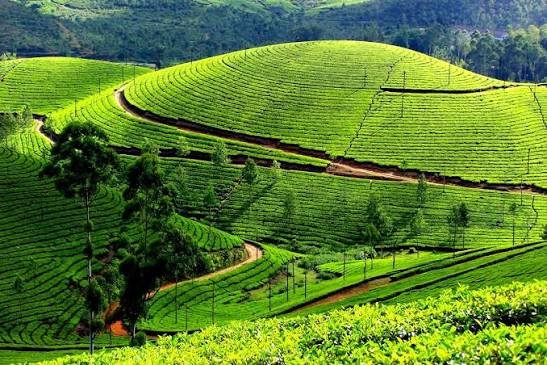
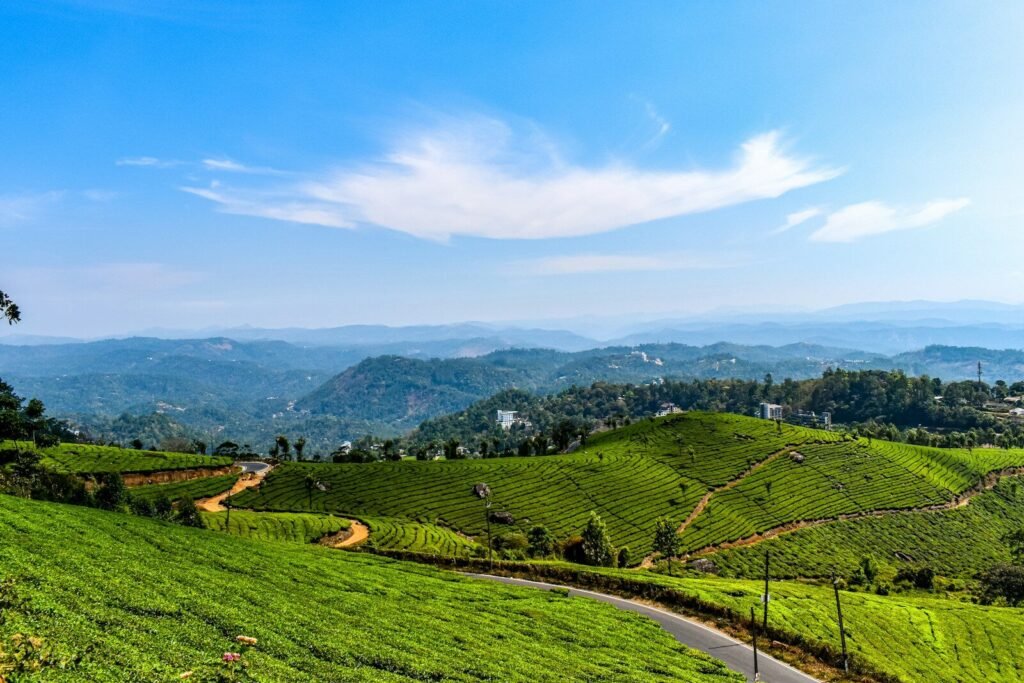
Munnar’s tea gardens are one of India’s most photographed and visited landscapes — rolling emerald hills, neat tea rows, mist-draped mornings and a network of colonial-era estates. Choosing the right time to visit Tea Gardens Munnar depends on what you want from the trip: clear vistas, dramatic mist, lush post‑monsoon green, festivals, trekking or quieter off-season value. This article breaks down the seasons, month-by-month guidance, activity-specific recommendations and practical travel tips so you can plan the perfect visit.
Quick Summary
- Best overall time: October to February — cool, clear weather and excellent visibility for landscapes and photography.
- Best for lush green landscapes & waterfalls: September to November (post-monsoon) and June to August (monsoon) — heavier rain during monsoon may affect travel.
- Best for fewer crowds and deals: June to August (monsoon) — quieter but wetter and some trails may be closed.
- Best for trekking & outdoor activities: October to May — stable weather and clearer trails.
Understanding Munnar’s Climate and Seasons
Elevation and general weather
Munnar sits in the Western Ghats at around 1,400–1,600 meters above sea level (some higher points like Anamudi are higher), which gives it a temperate climate compared with the coastal plains. Temperatures vary from about 5–10°C on cold winter nights to 25–30°C on warm summer afternoons. Mist and fog are common, especially in mornings and evenings, which contributes to the tea gardens’ atmospheric beauty.
Main seasons
- Winter (December–February): Cool, dry and clear — best visibility and comfortable days for sightseeing.
- Summer/Pre-monsoon (March–May): Warm days, still pleasant in the hills; good for longer treks and outdoor activities.
- Monsoon (June–August): Heavy rainfall, full waterfalls, dramatic landscapes and fewer tourists. Risk of roadblocks/landslides.
- Post-monsoon/Shoulder (September–November): Lush green scenery, rejuvenated flora and mild weather — excellent for photography and tea garden visits.
Month-by-Month Guide
January – February
- Very pleasant days and cool nights; excellent for photography, tea garden walks and short treks.
- Clear skies often give distant views of the Western Ghats and Anamudi peak.
- Peak season during holidays (Christmas–New Year) may mean higher prices and busier sights early in January.
March – May
- Gradually warming days but still comfortable; ideal for longer hikes and exploring attractions like Top Station and Mattupetty.
- Less fog than winter mornings, better chance of uninterrupted sunrise/sunset shots.
June – August (Monsoon)
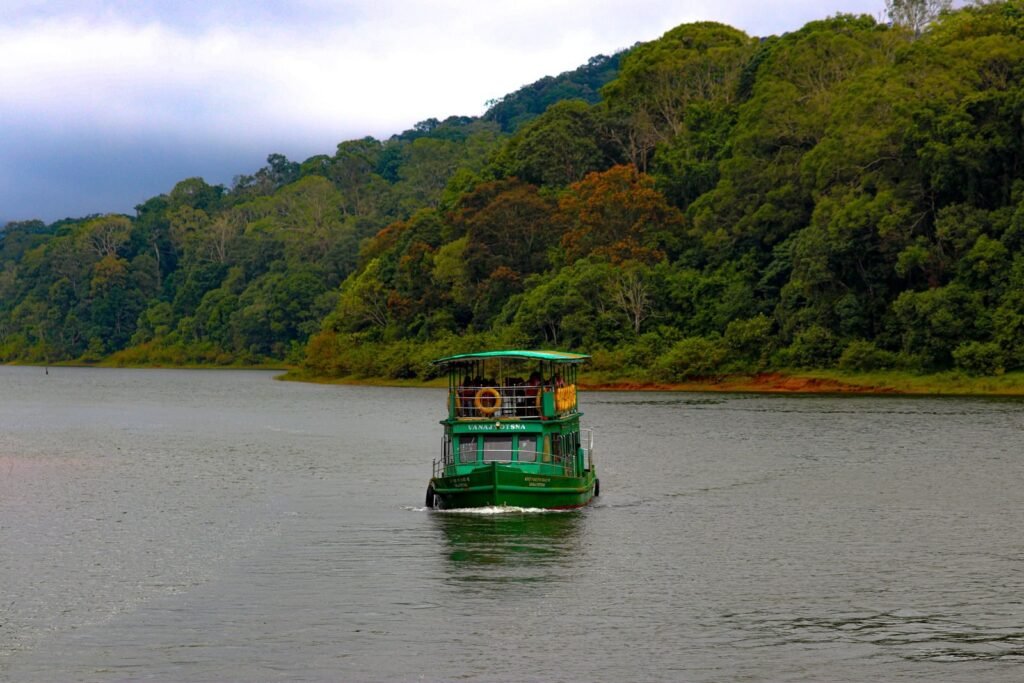
- Heavy rainfall rejuvenates the tea gardens to their deepest green; waterfalls and streams are at their best.
- Road conditions can be unpredictable; some trekking routes and viewpoints may be closed after heavy rains.
- Best time for travelers seeking solitude and lower prices — but pack for rain and possible delays.
September – November
- Post‑monsoon freshness: the tea lawns are vivid, the air is clean and the weather becomes stable — one of the best windows for visits.
- Mornings still have mist, which makes for dramatic photography; afternoons often clear up with great visibility.
Best Time by Activity
Tea garden walks, tea factory/tea museum visits
October–February and September–November are ideal: clear days for sweeping views and comfortable walking weather. Monsoon visits are exceptionally green and atmospheric, but expect wet trails.
Trekking and hill walks
October–May is best. Many organized treks and nature trails (including routes in and around Eravikulam National Park and Anamudi areas) are safer and more enjoyable in drier months. In monsoon, trails are slippery and some routes may be closed.
Photography
For crisp, clear vistas and sunrise/sunset shots: October–February. For dramatic green color and powerful waterfall images: June–November. Early morning mist and pluckers in the tea fields can create evocative compositions year-round.
Wildlife and nature observation
For spotting Nilgiri tahr or other endemic species, check park-specific seasons and permits. Dry months (October–April) often provide easier wildlife viewing because animals use water sources more predictably.
Festivals and cultural experiences
- Onam (Aug–Sep): A major Kerala festival; visiting around Onam gives insight into traditional celebrations but expect local crowds in towns.
- Christmas & New Year: Pleasant atmosphere, many tourists and festive events in Munnar and nearby hill stations.
Practical Tips for Timing Your Visit
Packing checklist by season
- Winter (Oct–Feb): Warm layers, thermal wear for early mornings and nights, windproof jacket, gloves and a hat.
- Monsoon (Jun–Aug): Waterproof jacket/poncho, quick-dry clothes, waterproof footwear, protective covers for electronics and luggage.
- Spring/Summer (Mar–May): Light layers, sunhat, sunscreen, comfortable walking shoes.
Transport & road conditions
Roads to and inside Munnar are hilly and winding. During monsoon months there is a higher chance of landslides and temporary closures — factor buffer time into travel plans. Hiring a local driver or reliable taxi is often recommended for ease and safety.
Accommodation & bookings
Peak season (December–January and local holiday weeks) sees higher rates and full bookings — reserve in advance. Monsoon season can offer lower rates and better availability, but confirm cancellation policies in case of road issues.
Health & safety
- Carry basic medications and a travel first aid kit; road travel can be slow, so keep snacks and water.
- Wear sturdy shoes for tea garden walks — uneven ground and wet patches are common.
- Respect local regulations in protected areas (permits may be required for national parks or certain trekking routes).
Etiquette when visiting tea gardens and interacting with workers
- Always ask permission before photographing tea pluckers or workers; many are happy to smile for a photo but may expect a small tip or polite interaction.
- Follow estate guidelines — some private plantations restrict access for safety and privacy.
Photography & Experience Tips
- Plan for golden hours (early morning and late afternoon) for soft light and dramatic mist in the valleys.
- Use the tea rows as leading lines in compositions; include human elements (pluckers, baskets) for scale and story.
- If you want misty, atmospheric shots, aim for early post-monsoon mornings (September–November) or winter mornings when the valley fog is common.
Suggested Itineraries (For Reference)
Short visit (1–2 days)
- Morning tea garden walk + tea museum visit.
- Afternoon at Mattupetty Dam / Echo Point.
- Sunset at Top Station or another viewpoint.
Longer stay (3–5 days)
- Day 1: Tea estate tour and museum, local market visit.
- Day 2: Eravikulam National Park (permits) + Anamudi views.
- Day 3: Trekking or nature walk + dam and lake visits.
- Day 4: Relaxation at a tea estate homestay, photography, village interaction.
Final Recommendations
If you must pick one window: October to February is the best overall for clear views, pleasant weather and the widest range of outdoor activities. If your priority is seeing the tea gardens at their greenest and experiencing dramatic waterfalls with fewer tourists, consider September–November (post-monsoon) or even the monsoon months for a quieter, wetter experience — but be prepared for rain and occasional travel disruption.
Whatever month you choose, allow time for unhurried tea garden walks, photography at dawn and dusk, and a relaxed pace to enjoy the slow hill-country life. Respect the estates and local communities, and you’ll come away with memorable vistas and a deeper appreciation for Munnar’s tea heritage.
Quick checklist before you go
- Check road/monsoon advisories for Munnar on travel dates.
- Book peak-season accommodation well in advance.
- Packing: warm clothes, rain protection, sturdy shoes, camera protection.
- Carry small change for tips and local purchases when visiting estates.