Tea Gardens of Munnar — Frequently Asked Questions (Tourism Guide)
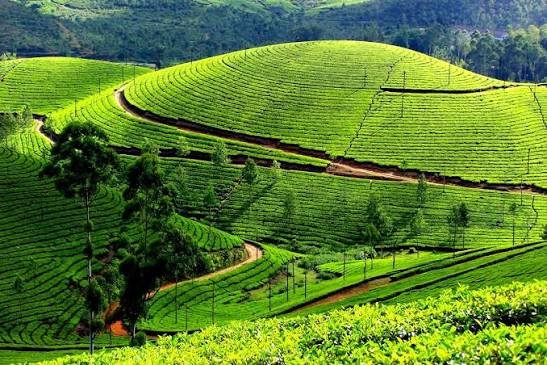
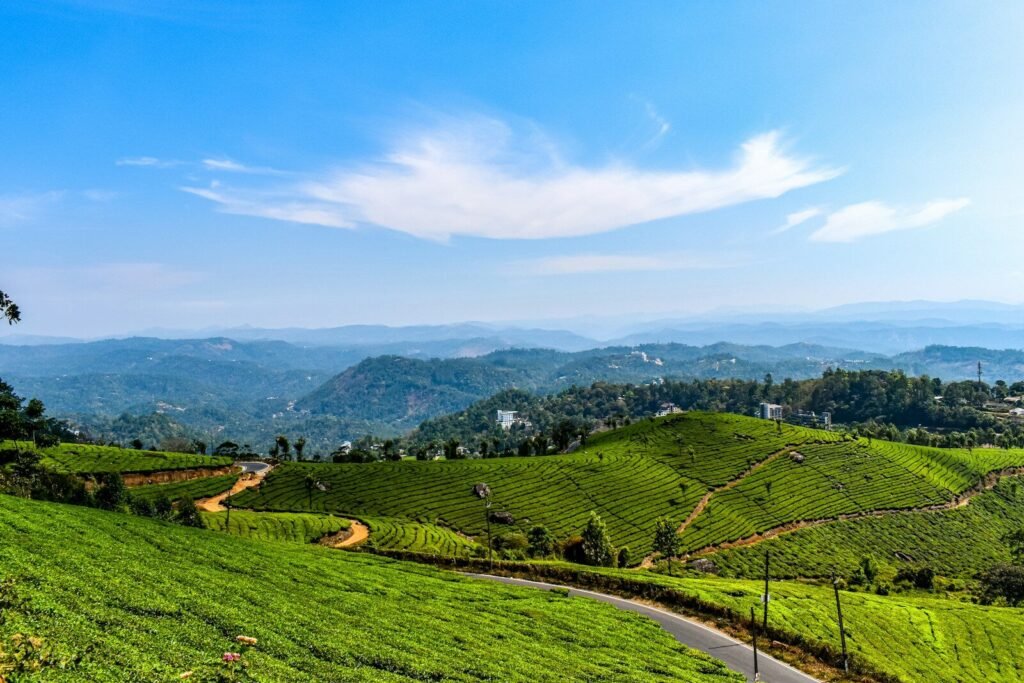
The tea gardens around Munnar are among Kerala’s most iconic landscapes. This FAQ-style article answers common tourist questions about visiting Tea Gardens Munnar (the plantation landscapes and related attractions around Munnar town) — practical travel tips, best times to visit, what to expect, and responsible-tourism guidance.
1. Where is Munnar and what are “Tea Gardens Munnar”?
Munnar is a hill station in the Idukki district of Kerala, southwestern India, situated on the Western Ghats. When people refer to Tea Gardens Munnar, they mean the large, manicured tea plantations and estates that surround the town (many dating to the British and early-20th-century plantation era). These estates produce some of India’s famous high-altitude tea and form the main tourism draw in the area.
2. How do I get to Munnar (nearest airport, train, road)?
Nearest airport: Cochin International Airport (COK) is the most commonly used. Road travel from Kochi to Munnar typically takes about 3.5–5 hours depending on traffic and road conditions (approx 110–140 km).
Nearest major railway stations: Ernakulam Junction (Kochi) and Aluva are the main railheads used by visitors. From either station you can hire a taxi or take a bus to Munnar.
By road: Munnar is well connected by state highways. Regular private and state-run buses operate from Kochi, Madurai (TN), and other cities. Hiring a car or taxi is the most flexible option — roads are winding hill roads, so an experienced driver is recommended.
3. What is the best time to visit the tea gardens in Munnar?
Best seasons depend on your priorities:
- September to March (post-monsoon and winter): Cool, clear days with great visibility over the plantations and peaks — ideal for sightseeing, photography, trekking, and comfortable stays.
- April to May (summer): Warmer days but still pleasant compared to lowlands; fewer crowds than peak winter season.
- June to August (monsoon): Lush, dramatic foliage and waterfalls; heavy rains can limit outdoor activities and trekking. If you love moody landscapes and fewer tourists, monsoon is attractive — but expect occasional roadblocks and leeches in trekking areas.
4. Are tourists allowed inside tea estates and factories?
Most tea estates welcome tourists to view the gardens, take photographs, and visit estate shops. However, rules vary:
- Some estates run guided tours and tea-tasting sessions — these are the best option to learn about plucking, processing, and tasting.
- Access to active factory floors may be restricted for safety and hygiene. Photography inside factories can be limited; ask permission.
- Private or working areas (staff housing, machinery rooms) are usually off-limits without supervision. Always follow estate signage and staff instructions.
5. Can visitors participate in tea plucking or factory tours?
Yes, many estates and tour operators offer experiences such as:
- Guided walks through the tea rows and explanations of bush varieties and plucking standards.
- Demonstrations of hand-plucking, and sometimes brief supervised participation in plucking (seasonal and depends on estate policy).
- Factory tours showing withering, rolling, oxidation (for orthodox teas) or CTC processing, followed by tea-tasting sessions.
Advance booking is recommended for hands-on experiences, and mornings are typically better for factory visits.
6. What are the main attractions around the tea gardens?
Beyond the plantations themselves, attractions around Munnar include:
- Kannan Devan Tea Museum: History of tea in Munnar, old machinery, exhibits and tasting. (Check current opening hours and ownership changes.)
- Eravikulam National Park: Endemic flora and fauna (including the Nilgiri tahr) — entry limits and seasonal closures may apply.
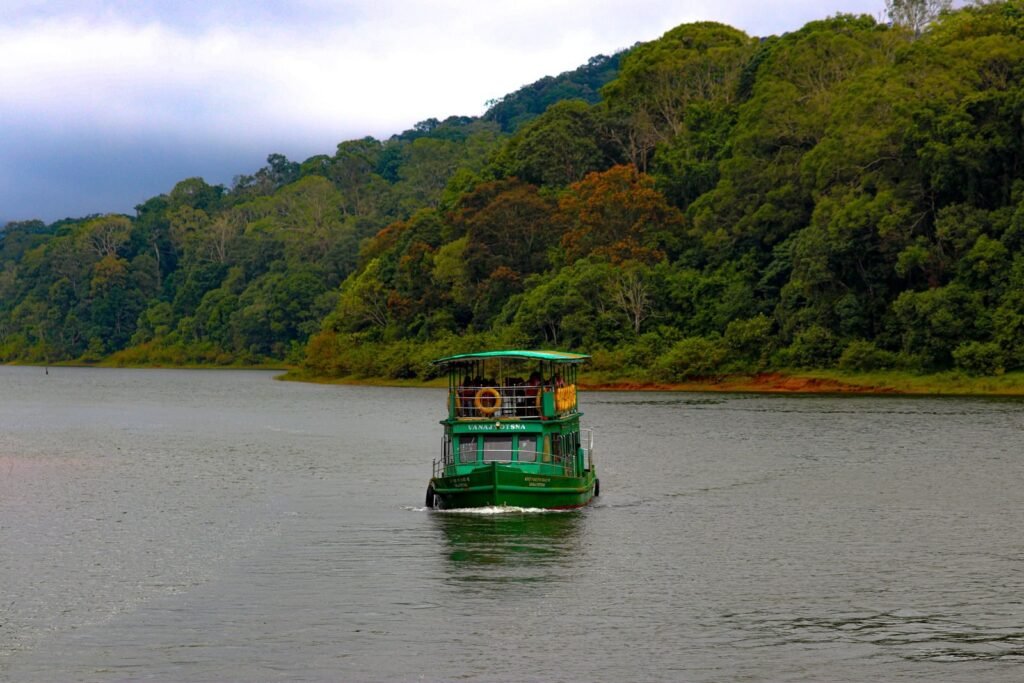
- Mattupetty Dam & Boating: Scenic reservoir near estates.
- Top Station: Panoramic viewpoint into the valley and neighboring Tamil Nadu.
- Echo Point, Kundala Lake, and Rajamalai: Photo spots, boat rides, and short treks.
- Plantation bungalows and colonial-era architecture: Many estates maintain historic homes that can be visited or booked as stays.
7. How many days should I spend in Munnar to properly see the tea gardens?
Suggested visit durations:
- 1–2 days: Quick highlights — tea museum, a scenic plantation drive, Mattupetty and Echo Point.
- 3–4 days: Comfortable pace — include a guided estate tour, factory visit, Eravikulam, Top Station, and short nature walks.
- 5+ days: Deeper exploration, longer treks, multi-estate experiences, and time for relaxation at a plantation bungalow.
8. What should I wear and pack for a tea-garden visit?
Packing tips for hill stations and plantation walks:
- Layered clothing — mornings and evenings are chilly; afternoons may warm up.
- Comfortable walking shoes with good grip (the terrain can be wet and sloping).
- Rain jacket or poncho during monsoon/shoulder seasons; umbrella for light showers.
- Hat, sunscreen, and sunglasses for sunny days.
- Insect repellent (and leech socks if trekking in wet season).
- Reusable water bottle, snacks, and a basic first-aid kit.
9. Are there accommodation options inside tea estates?
Yes. Accommodation ranges include:
- Plantation bungalows and heritage homestays on or near estates (excellent for immersive experiences).
- Luxury resorts and eco-lodges with views over tea fields.
- Mid-range hotels and budget guesthouses in Munnar town.
Staying on an estate often allows early-morning walks in quieter gardens and the chance to discuss tea production with estate managers. Book in advance for heritage bungalows, which are limited.
10. Are tea gardens family-friendly and wheelchair-accessible?
Family-friendly: Generally yes — open spaces and gentle walks make the area suitable for families with children. However, some viewpoints and treks may not be child-friendly due to steep paths.
Wheelchair accessibility: Limited. The terrain in tea gardens and many viewpoints is naturally uneven and sloping. Some resorts and museums may have ramps and accessible facilities — check availability in advance.
11. Is it safe to visit the tea gardens? Any wildlife or health concerns?
Safety basics:
- Roads are winding and can be foggy — hire an experienced driver and avoid night driving on narrow hill roads.
- Wild animals (e.g., occasional elephants, leopards in forested areas) are possible in buffer zones — keep distance and follow park/estate guidance.
- Leeches and ticks can be present in monsoon season on shaded trails — wear protective clothing and check after walks.
- Tap water in hill towns may not always be potable — prefer bottled or properly filtered water.
12. How much does a typical estate tour or tea-tasting cost?
Costs vary by estate and what’s included:
- Simple tea-tasting or short guided walk: modest fee or sometimes free if you buy tea from the estate shop.
- Extended guided tours and factory demonstrations: small to moderate charges. Private experiences and hands-on plucking will cost more and usually require advance booking.
Expect a range from a few hundred to a few thousand Indian rupees depending on the length and exclusivity of the experience. Always confirm prices and inclusions before booking.
13. What kinds of tea are produced in Munnar?
Munnar produces a variety of teas:
- Orthodox teas: Whole-leaf teas with specific oxidation and rolling methods producing specialty teas and high-quality black teas.
- CTC teas (Crush–Tear–Curl): Common for strong, quick-brewing black teas used in many blends.
- Flavored and specialty blends (sometimes scented or blended with local flavors) and occasionally green tea and white tea from experimental or boutique batches.
14. Can I buy tea directly from the estates? Are there quality differences to watch for?
Yes — estate shops sell fresh packaged tea, and buying from the source can be an excellent way to get quality products and support local producers. Tips:
- Look for recently packed tea and ask about the harvest/processing date.
- Ask for recommendations based on brewing preferences (strong breakfast tea vs delicate orthodox leaf teas).
- Beware of resellers in busy tourist spots — purchase from estate shops, well-known brands, or trusted retailers.
15. Are there any permits or rules to enter protected areas or special estates?
Protected areas (e.g., Eravikulam National Park) have entry fees, visitor limits, and sometimes advance booking/permit requirements — check official park websites or local tourist offices. Private estates generally do not require permits, but you should:
- Secure permission for guided factory visits or to enter restricted plantation areas.
- Respect estate staff instructions, signage, and private property boundaries.
16. What local food and cultural experiences can I expect near the tea gardens?
Local cuisine blends Kerala and Tamil influences — expect spicy, coconut-based dishes as well as tea-time snacks. Plantation towns often have small local markets, tea shops, and homestays offering home-cooked meals. Respect local customs, dress modestly in villages, and try local specialties such as appam, stew, toddy (where legal), and fresh vegetable curries.
17. Sample itineraries for visiting Tea Gardens Munnar
Short (1–2 days)
- Day 1: Arrive Munnar, visit Kannan Devan Tea Museum, short plantation drive, evening viewpoint.
- Day 2: Mattupetty Dam, Echo Point, local tea estate walk, depart.
Standard (3–4 days)
- Day 1: Arrive, relax, sunset over tea gardens.
- Day 2: Estate guided tour + factory visit and tea tasting, afternoon at a plantation bungalow.
- Day 3: Eravikulam National Park (permit-check required), Top Station in the afternoon.
- Day 4: Leisurely morning walk in tea gardens, local market, depart.
18. Environmental and responsible-tourism tips
- Stay on designated trails and roads; don’t trample young tea bushes.
- Avoid littering — use refillable bottles and dispose of waste in proper bins.
- Prefer locally run homestays and estate shops to ensure tourist money benefits local communities.
- Keep noise down and avoid disturbing workers during plucking times (usually early mornings).
- Respect wildlife and follow park rules in protected areas.
19. Photography tips and etiquette
Tea gardens offer stunning photo opportunities:
- Early morning and late afternoon provide the best light (golden hour) and often mist for dramatic photos.
- Ask permission before photographing plantation workers or inside estate premises and factory areas.
- Use a polarizing filter or lens hood to manage glare; a tripod helps for low-light landscape shots.
20. Miscellaneous practical tips
- Currency and payments: Cash is widely accepted in small shops; many hotels and larger shops accept cards and UPI payments. Mobile connectivity can be patchy in some estate areas.
- Language: Malayalam is the state language; Tamil is also commonly spoken around Munnar’s plantations. English is widely used in tourism services.
- Local transport: Hiring a car with driver provides the best flexibility; shared taxis and state buses are cheaper but less flexible.
Final notes
The tea gardens of Munnar combine natural beauty, a living agricultural landscape, and a deep cultural history. A respectful visit — keeping safety, local rules, and conservation in mind — will reward you with memorable views, the taste of fresh high-altitude teas, and an immersive hill-station experience. If you would like, I can prepare a customized day-by-day itinerary, help find estates offering guided tours, or list recommended estate accommodations based on your budget and travel dates.