Best Time to Visit the Chinese Fishing Nets, Cochin (Fort Kochi): A Practical Tourism Guide
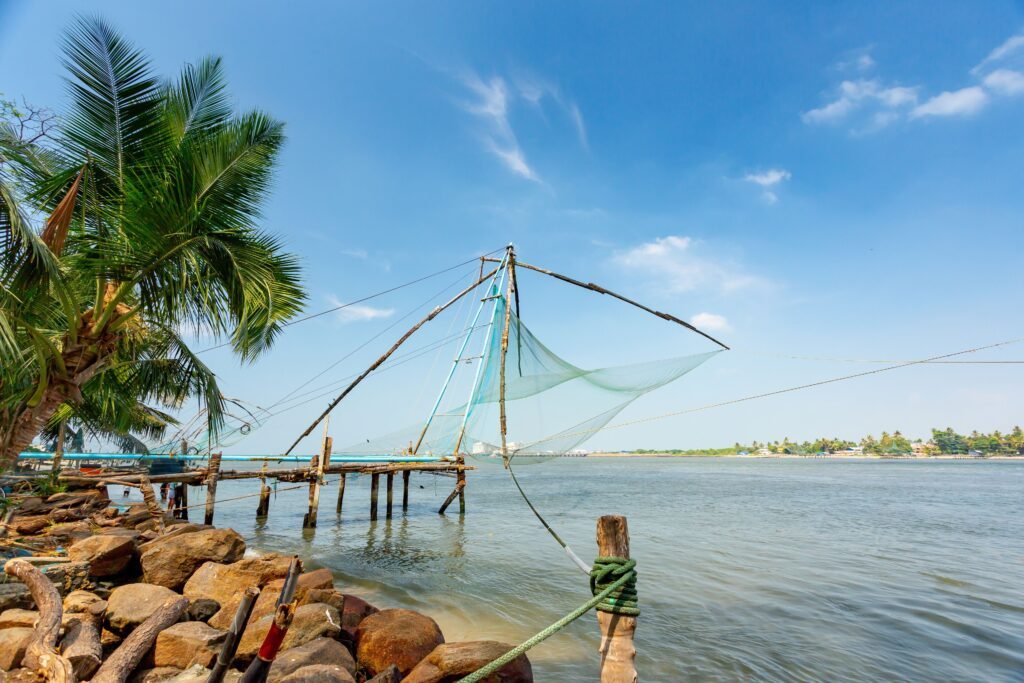
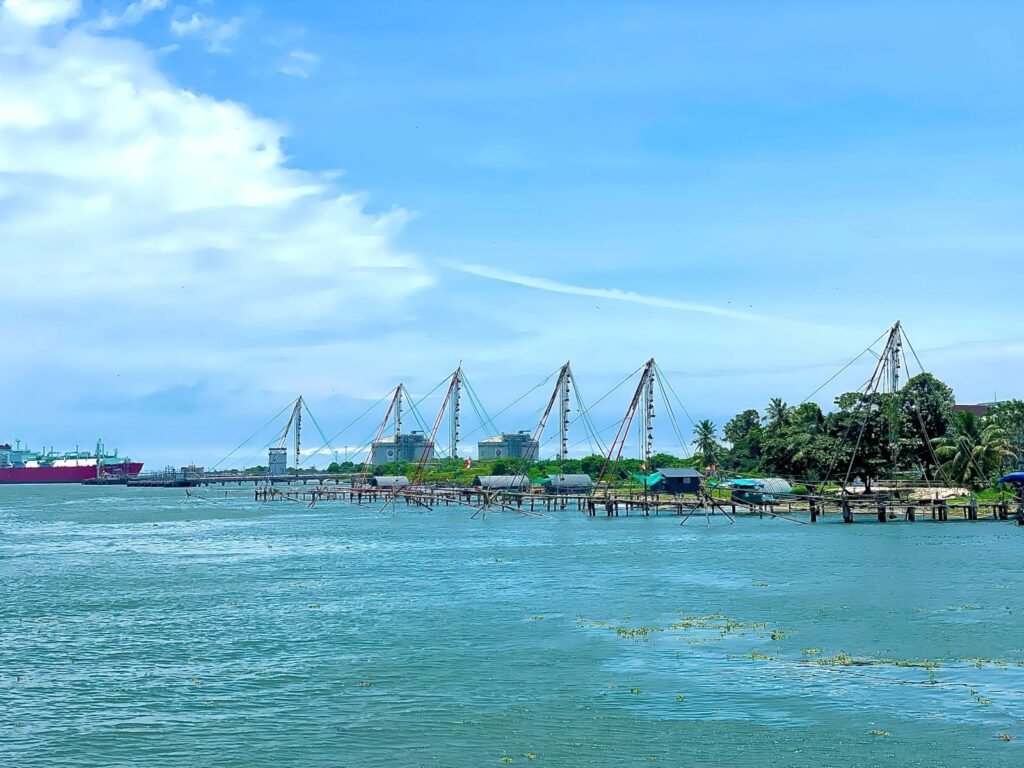
The Chinese fishing nets (locally called cheena vala) are one of the most iconic sights of Fort Kochi, Cochin (Kochi), Kerala. These large, shore-mounted cantilever fishing nets — silhouetted against the Arabian Sea — are instantly recognizable and popular with photographers, culture seekers and casual tourists alike. Choosing the right time to visit can make the experience far more enjoyable: for weather, photography, local activity, and crowd levels. This guide explains the best months, times of day, what to expect in each season, and practical tips to maximize your visit.
Why timing matters
Weather: Kerala’s climate affects comfort and visibility. Clear skies and mild temperatures make sightseeing pleasant, while heavy monsoon rains can limit access and visibility.
Fishing activity: These nets are hand-operated and most effective around certain tidal conditions. Visiting when fishermen are actively working the nets adds authenticity to the experience.
Light and photography: The nets are especially dramatic at sunrise and at sunset when the light creates vivid colors and strong silhouettes.
Best months to visit
- October to February (Recommended)These months are the best overall. The post-monsoon period brings cooler, pleasant weather, lower humidity, and clearer skies. Tourist facilities are fully operational, and sunsets are excellent for photography. This is peak season, so evenings may be crowded.
- March to MayHotter and more humid, but still a good option if you prefer fewer tourists. Mornings and evenings are comfortable; mid-day can get uncomfortable without shade. Clear summer skies are good for crisp photos (though heat haze can affect distant views).
- June to September (Monsoon)Monsoon months bring heavy rains and rough seas. The landscape becomes lush and dramatic — attractive to some photographers — but fishing operations may be reduced or paused during storms and very high tides. If you visit in the monsoon, plan for flexible schedules and waterproof gear.
Best time of day
- Sunrise (early morning)The earliest visitors enjoy softer light, cooler temperatures and fewer crowds. Fishermen are often active in the morning, making it a great time for documentary-style photographs and unobstructed views.
- Late afternoon to sunset (golden hour)Arguably the most popular time to visit. The nets are beautifully silhouetted against colorful skies and setting sun. Expect larger crowds, street vendors and local fishermen inviting tourists to watch or take photographs — sometimes for a small fee or tip.
- NightThe area is lit by streetlights and nearby cafes, but the fishing nets are less active. Nighttime is pleasant for a relaxed stroll along the promenade and sampling seafood at nearby eateries.
Tide influence and fisherman activity
The Chinese fishing nets are shore-operated and most effective when the sea level is favorable. Fishermen often time operations around the tide cycle — many net-lifts happen close to high tide when the water is deeper. For the best chance to see active hauling, check a local tide chart or ask fishermen/boatmen at the landing. Local operators can also advise when nets will be in use on a given day.
Season-by-season quick guide
- Post-monsoon / Winter (Oct–Feb) — Best: pleasant weather, clear view, ideal for sunset photography and long walks.
- Summer (Mar–May) — Good: fewer crowds early/late in day; bring water and sun protection.
- Monsoon (Jun–Sep) — Mixed: dramatic skies and greenery but rainy, windy and sometimes unsafe for fishing; nets may be idle.
Practical tips for visiting
- Arrive early or plan for sunset: To avoid crowds and get the best light, aim for sunrise or an hour before sunset.
- Check tides and weather: Local tide charts, hotel staff or boat operators can tell you when nets are most active. Avoid visiting during storm warnings.
- Respect local fishermen: Don’t climb on the nets or interfere with them. Ask permission before photographing close-up or taking portraits; a small tip is customary if vendors or fishermen allow a photo.
- Wear appropriate clothing and shoes: Comfortable sandals or shoes suitable for wet surfaces; light, breathable clothing in summer; rain gear during monsoon.
- Carry cash: Small purchases of fish, snacks or a quick souvenir may require cash. Some fishermen or local stalls may ask for small fees for photos or to demonstrate nets.
- Support local economy: Buy freshly caught fish from licensed sellers, eat at nearby cafés, or hire local guides or boatmen for short rides.
- Be mindful of the environment: Avoid littering; don’t leave plastic behind; respect local wildlife and the coastal ecosystem.
Photography tips
- Silhouettes at sunset: Expose for the sky to create dramatic silhouettes of the nets against colorful horizons.
- Reflections: After high tide or on wet sand, look for reflections that double the visual impact.
- Long exposures: With a tripod, a slow shutter can smooth water motion for a painterly effect — useful at dawn or dusk.
- Close-ups and details: Capture the counterweights, ropes and fishermen at work for storytelling images — but always ask permission first.
Nearby attractions to combine with your visit
- Fort Kochi Beach and promenade — easy walk from the nets
- St. Francis Church and the colonial quarters
- Mattancherry Palace (Dutch Palace) and the spice markets
- Jew Town and Paradesi Synagogue
- Local cafés, art galleries and the vibrant Fort Kochi street scene
Sample visit options
- Early-morning half-day: Sunrise at the nets → walk the beach → visit St. Francis Church and local cafés before midday heat.
- Sunset and evening: Arrive an hour before sunset for the golden hour → watch fishermen → enjoy seafood at the promenade cafés → explore Fort Kochi by night.
- Monsoon photographers: Plan multiple days for unpredictable weather, focus on dramatic skies and stormy seascapes, and confirm fisherman activity locally.
Safety and etiquette
- Do not climb or stand on the nets: They are working equipment and can be dangerous when in use.
- Mind the wet surfaces: Rocks and piers can be slippery; watch your step.
- Ask before photographing people: It’s polite to request permission and offer a small tip when appropriate.
- Respect fishing operations: Avoid obstructing the fishermen and their boats.
Final recommendation
Plan your visit between October and February for the most comfortable weather, best photographic light and active fishing scenes. For a quieter experience, choose early morning; for the classic postcard view, time your visit for sunset. If visiting during the monsoon, embrace the dramatic mood but remain flexible and prioritize safety. Above all, treat the place and the people with respect — the Chinese fishing nets are not only a tourist spectacle but a living, working part of Cochin’s coastal culture.