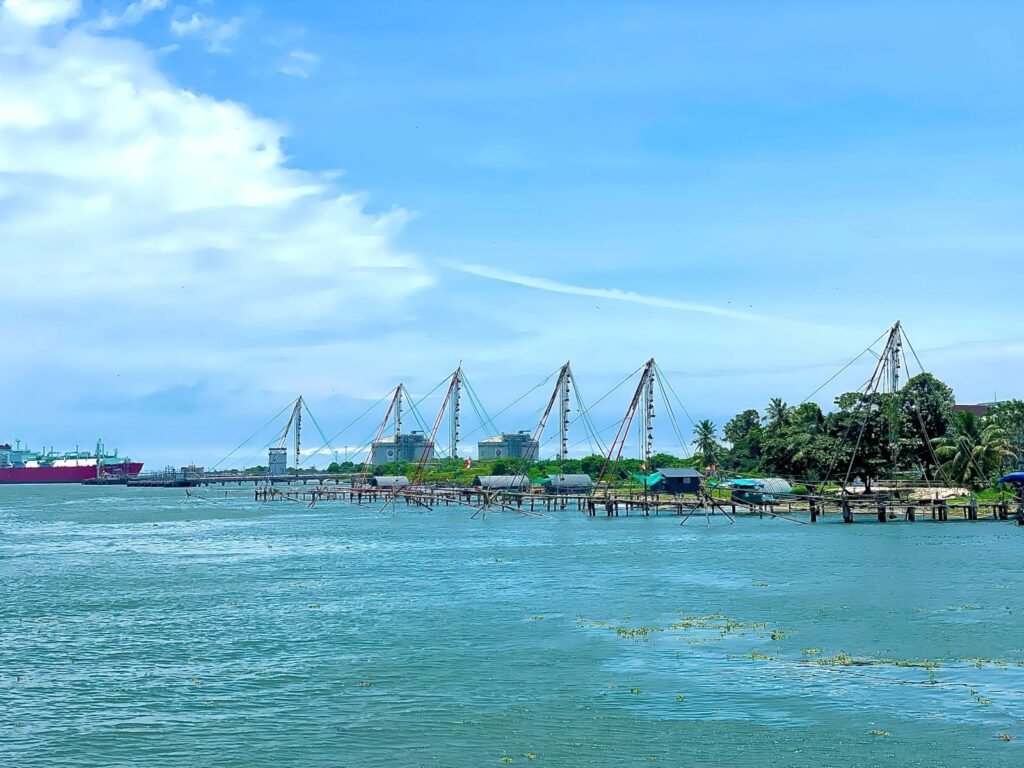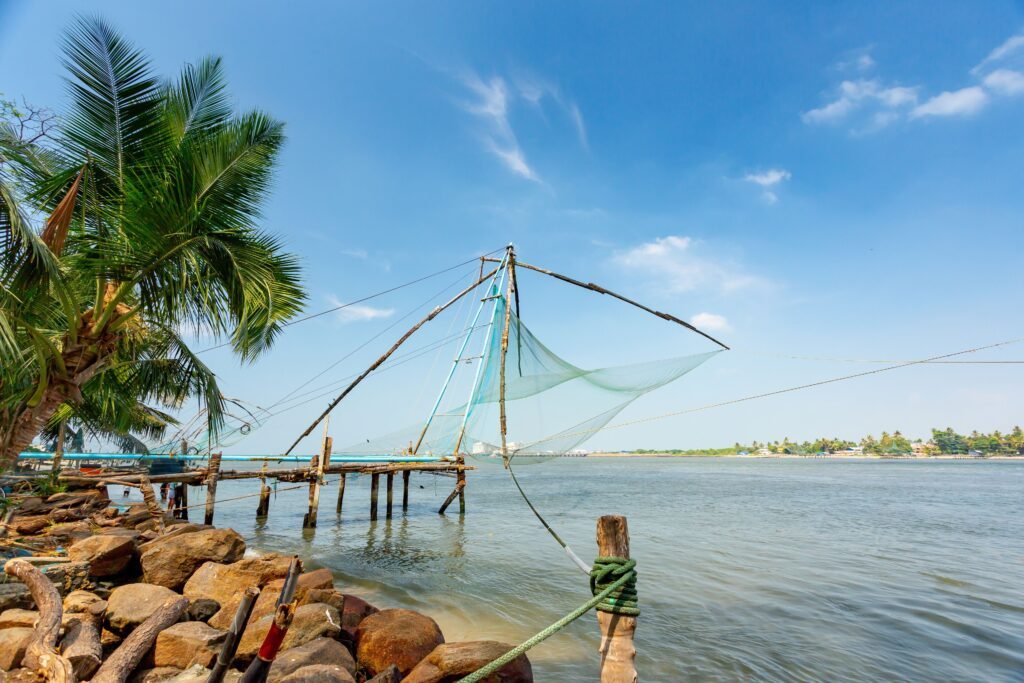
The Chinese Fishing Nets of Cochin (locally called Cheena vala) are among the most iconic sights of Fort Kochi. These shore-operated, cantilever fishing installations attract photographers, history buffs and casual tourists alike. The following frequently asked questions answer practical, historical and visitor-related queries to help you plan a memorable visit.
Chinese Fishing Nets are large, fixed cantilever fishing structures mounted on the shore and used to catch fish by lowering a horizontal net into the water and then lifting it out. They operate by a counterweight system—usually large stones tied to ropes—that balance the net and allow a small team of fishermen to raise and lower it.
The local tradition attributes these nets to Chinese traders, and many sources link their introduction to Chinese mariners (often popularly associated with the Ming-era admiral Zheng He) sometime centuries ago. However, the exact historical origin is not definitively proven, and descriptions such as “traditionally believed to have been introduced by Chinese seafarers” are more accurate than definitive statements.
The most famous installations are along the Fort Kochi shoreline, near the Fort Kochi beach and the jetty area. You will also spot similar nets around the coastal stretch of Kochi, especially along the waterfront where small fishing operations occur.
Best seasons: October to March—pleasant weather, clearer skies, and more comfortable sightseeing.
Best times of day:
Note: Monsoon months (June–September) bring heavy rains and rough seas; operations may be limited and beach access slippery.
There is no formal entry fee to view the Chinese Fishing Nets along the Fort Kochi shore. They are public installations. However, fishermen may expect a small token if you take photos of them working, or they may request payment for posed photos. If you want to buy their catch, standard market pricing applies.
No. For your safety and to avoid damaging the equipment, do not climb on the nets or the supporting structures. They are working fishing implements and can be dangerous if mishandled.
You may photograph and film the nets and fishermen, but follow these guidelines:
Yes. While they no longer dominate local fisheries, they are still used by local fishermen for small-scale catches. The nets are as much a working tool as a tourist attraction—so expect variability in operation and catch sizes.
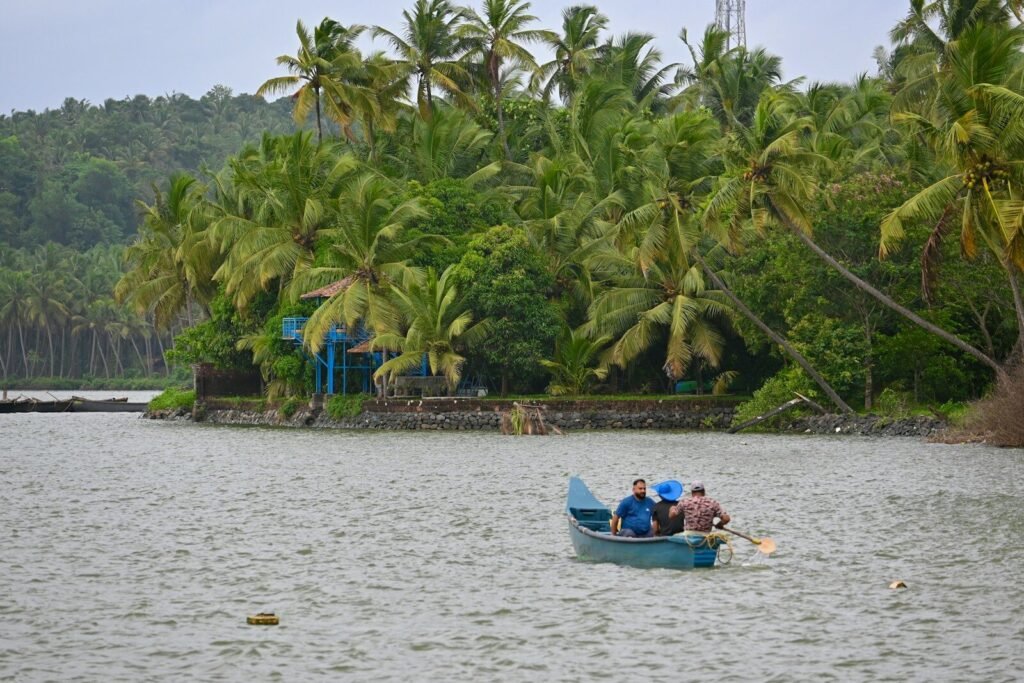
You cannot participate in operating the nets, but you can take nearby boat rides to view them from the water. Boat operators around Fort Kochi offer short harbor or backwater tours that pass by the nets. Always hire licensed operators and confirm costs beforehand.
Safety
Environmental and ethical considerations
Buying the catch directly from fishermen is common. Prices are generally negotiable but keep bargaining respectful—many are small-scale operators. Tipping is appreciated for photographs or if someone provides special assistance (e.g., arranging a boat ride). Use local currency and small change.
A casual visit to see and photograph the nets typically takes 30–60 minutes. If you plan to combine it with nearby sights, dining, shopping or a boat tour, allocate 2–4 hours. Fort Kochi has several attractions—consider a half-day or full-day itinerary.
Access to the shoreline in Fort Kochi is generally on uneven pavements, steps and sandy stretches. While the waterfront itself is reachable, wheelchair accessibility is limited and some assistance may be required. If mobility is a concern, contact local hotels or tour operators who can advise and provide suitable arrangements.
Fort Kochi has a variety of cafés, restaurants and street-food stalls within walking distance of the nets. Public restroom availability varies—many cafés and gallery spaces offer washrooms for customers. Plan accordingly if you have specific needs.
Here is a simple half-day plan:
Yes—these nets are highly photogenic. For best results:
Weekends are busier with tourists and locals visiting the shore. If you prefer fewer crowds for photography or a quieter experience, choose a weekday morning. Weekends offer a livelier atmosphere and sometimes more vendors and street food stalls.
The Chinese Fishing Nets of Cochin offer a unique blend of history, culture and scenic beauty. Whether you visit for photography, local culture or simply to watch an age-old fishing technique still in use, planning ahead—respecting local customs and the working nature of the site—will make your visit more rewarding. If you have specific questions about scheduling, accessibility needs or nearby guided tours, let me know and I can provide tailored recommendations.
What makes us different from other tour package companies
Our travel experts have core and intense knowledge about Kerala sector with over 10 years of experience that will help you choose the best possible itinerary as per your requirements.
Our travel experts are just one call away during your tour to help you with any kind of immediate assistance so that your tour is a more enjoyable and hassle-free tour.
eTourismKerala ensures best rates to all our esteemed guests since we have our own hotels and fleet of vehicles and drivers and there is no third-party involvement. This ensures personalized service and best rates.























Kindly enter the details below for your Kerala Tour Package