Chinese Fishing Nets

History

Chinese Fishing Nets of Cochin: History, Heritage and Tourism

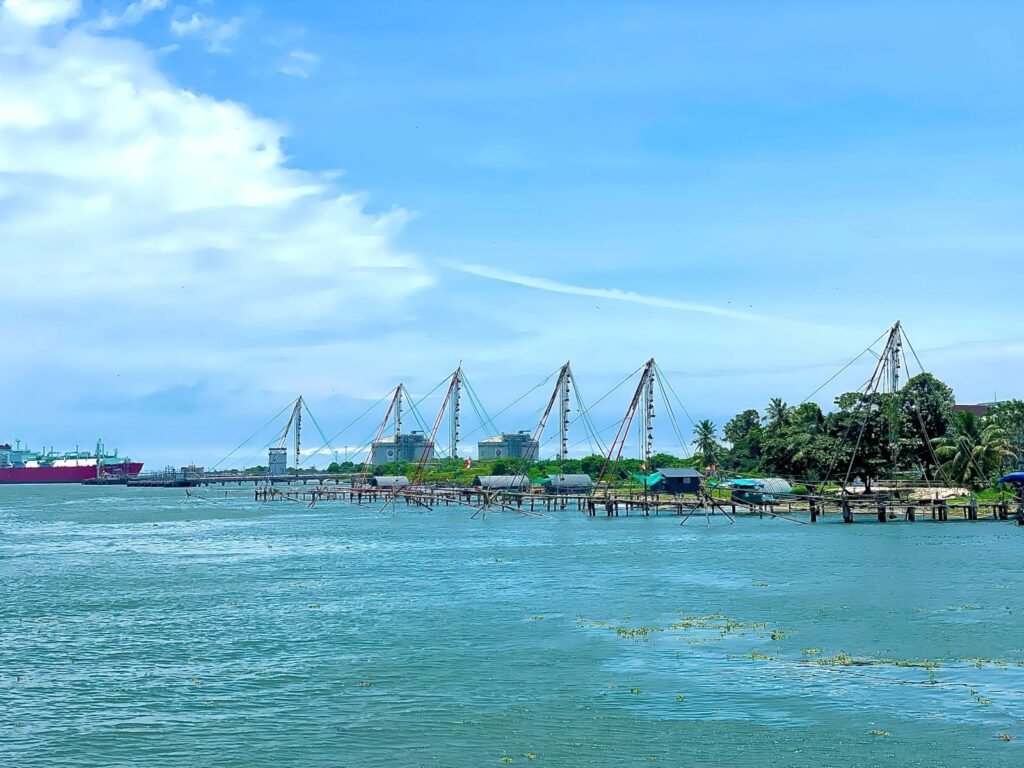
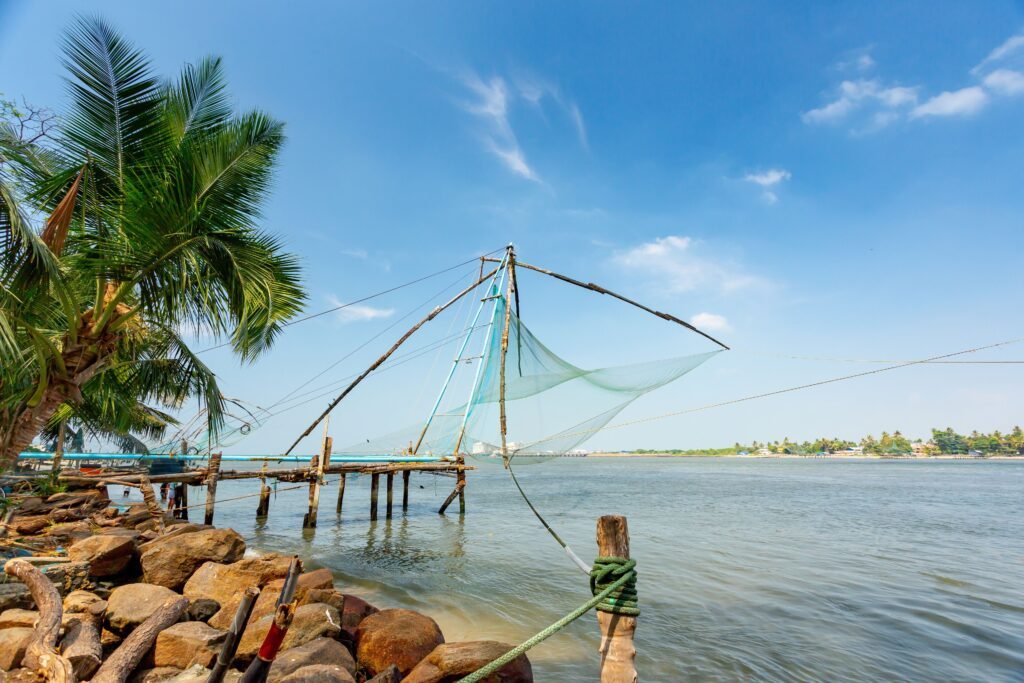
The Chinese fishing nets that line the shores of Fort Kochi (Cochin), in Kerala, are among the most recognizable images of the city. Known locally as Cheena vala, these enormous shore-operated lift nets form a striking silhouette against the Arabian Sea and the remnants of colonial-era buildings. They are at once a functional fishing technique and a cultural icon — an object of historical curiosity and a major draw for visitors to Kochi.

Where they came from: origins and historical context

The precise origin of the Chinese fishing nets is debated among historians. There is no single definitive document pinpointing the moment they arrived in Kerala, but several lines of evidence link them to seafaring contacts between coastal Kerala and China:

  • Maritime trade and diplomatic contacts: From the medieval period onward the Malabar Coast was a hub of international trade. Chinese merchants and envoys visited the region during the Yuan and Ming dynasties, and some scholars connect the nets’ arrival to these episodes of maritime contact.
  • Technique and resemblance: The cantilevered lifting mechanism, the style of netting and the counterweight system closely resemble traditional Chinese shore-lift-net designs, suggesting technology transfer rather than independent invention.
  • Local tradition and oral memory: Local Malayalam accounts call them “Cheena vala” (Chinese nets), preserving the memory of a foreign origin; however, the exact date — variously proposed in the 14th or 15th centuries by different authors — remains uncertain.

In short, the most widely accepted view is that the nets were introduced to Kochi by Chinese seafarers or through trade contacts sometime in the late medieval period. Over centuries they were adapted to local conditions and assimilated into coastal life around Fort Kochi and the neighbouring islands.

Colonial ports, local adaptation and continuity

Kochi’s fortunes as a trading port attracted Portuguese, Dutch and British mariners between the 16th and 19th centuries. During this period the Chinese nets became a familiar presence in the new portscape. They were integrated into the labour and market systems of the town: fishermen used them to harvest nearshore schools of small fish, which were important for local consumption and commerce. The nets survived successive political and economic changes because they were relatively low-cost, effective for certain tidal conditions, and could be operated by a small, coordinated team.

Design and mechanics: how the nets work

The Chinese fishing net is a shore-mounted, cantilevered system made from wood and bamboo poles, ropes and a large square net. Key features:

  • Cantilever structure: Long bamboo or teak poles extend out over the water, balanced against heavy stone weights or concrete blocks as counterweights.
  • Large square net: The net, often 10–20 metres across, is lowered into the water and then hauled up by a team of fishermen using the counterweight system.
  • Crew and operation: A typical operation involves four to six men working together; lowering and hauling takes a few minutes and yields whatever has drifted over the net — often small pelagic fish and prawns.
  • Tide dependence: The method is most effective with certain tidal movements; it is essentially a passive, shore-based trapping technique rather than active trawling.

The role of Chinese fishing nets in local economy and society

Historically the nets supplemented the fishing economy of Kochi’s shore communities, providing a predictable, low-capital way to catch fish close to the jetty. Catches are typically small, sold fresh to local markets, restaurants and street vendors. Over time the nets also became an element of local identity — visible markers of a maritime past connecting Kerala to wider Asian and global trade networks.

Chinese fishing nets as a tourism phenomenon

In the 20th and 21st centuries the nets transformed from purely economic tools into powerful tourism symbols. They feature on postcards, travel websites and guidebooks and are often included in any Fort Kochi walking tour. For many visitors, the nets offer a compact experience that blends history, living culture and photography:

  • Iconic photography: The nets framed against sunrise or sunset provide dramatic images. Early morning and late afternoon light are particularly popular with photographers.
  • Live demonstration: Tourists can watch fishermen operate the nets at close quarters. Some fishermen will demonstrate the haul for a small fee or allow photos in exchange for a tip; others work with minimal interference.
  • Fresh seafood and street food: The jetty area often has vendors selling the day’s catch, and nearby cafés and restaurants offer fresh seafood dishes — a direct link between the nets and the local food scene.
  • Complementary sights: Visitors typically combine a stop at the nets with Fort Kochi’s colonial landmarks (St. Francis Church, Dutch Cemetery), the Jewish Quarter and Mattancherry Palace, creating a rich half-day itinerary.

Practical tips for visitors

  • Best time to visit: Early morning (sunrise) or late afternoon (sunset) gives the most atmospheric light and active fishing. Midday is hotter and less dramatic.
  • Access: The nets are accessible on foot from Fort Kochi town or by a short ferry ride from Ernakulam; allow time for walking, photos and a leisurely visit to nearby markets.
  • Etiquette: The nets are working fishers’ property and livelihood. Avoid climbing on structures, do not disturb fishermen during operations, and ask before taking close-up photos. A small tip or purchasing fish/food supports local people.
  • Safety: Jetty stones can be slippery when wet. Wear sensible footwear and take care near water and ropes.

Conservation, challenges and the future

Several modern pressures affect the nets and the communities that operate them:

  • Environmental pressures: Overfishing, changes in coastal ecology and pollution have reduced nearshore fish stocks in many areas, making the nets less productive than in the past.
  • Economic competition: Mechanised boats, trawlers and modern fishing methods often yield larger catches, pushing small-scale artisanal methods to the margins.
  • Tourism impacts: While tourism provides supplementary income and can help sustain the nets as cultural assets, it can also commodify the practice and put pressure on working patterns when demonstration and photo-opportunities are prioritized over fishing.

Local and municipal initiatives have at times sought to protect the nets as a cultural heritage feature. Tourism revenue has helped some families continue the tradition, while heritage-minded projects aim to document and preserve the techniques for future generations.

How tourism can responsibly support the nets
  • Encourage purchases of fresh catch and local food rather than just taking photographs.
  • Respect fishermen’s space and schedules — avoid interrupting their work for staged photos.
  • Support community-led heritage projects or local guides who can explain the history and help mediate visitor effects.

Suggested short itinerary around the Chinese fishing nets

  • Sunrise at the Chinese fishing nets — watch a few lifts and photograph the early light.
  • Walk along the Fort Kochi promenade to the St. Francis Church and the Dutch Cemetery.
  • Visit Mattancherry (Jew Town) market for spices and antiques; stop at a café for seafood.
  • Take a short ferry ride across Kochi harbour for a broader perspective of the harbour and city.

Conclusion

The Chinese fishing nets of Cochin are more than a tourist backdrop; they are an enduring testimony to long-distance maritime connections and local adaptation. For visitors, they offer a compact, evocative encounter with Kochi’s layered history — from medieval trade routes to colonial ports and contemporary tourism economies. Approached with respect, a visit to the nets can support the livelihoods that keep this distinctive technique alive while offering a memorable window into Kerala’s coastal culture.

Get Instant Call Back​

Which places do you want to explore in Kerala?
Kindly share your above details to get Travel Plan PDF within 30 seconds on your mobile
Please wait while we are preparing customized quotes as per your requirement.

Why Choose us ?

What makes us different from other tour package companies

Best Travel Experts

Our travel experts have core and intense knowledge about Kerala sector with over 10 years of experience that will help you choose the best possible itinerary as per your requirements.

24 X 7 On-Trip Assistance

Our travel experts are just one call away during your tour to help you with any kind of immediate assistance so that your tour is a more enjoyable and hassle-free tour.

Best Rate Guarantee

eTourismKerala ensures best rates to all our esteemed guests since we have our own hotels and fleet of vehicles and drivers and there is no third-party involvement. This ensures personalized service and best rates.


Kerala Tour Packages by Theme

Kerala Tour From Popular Cities

Limited period offer – Kerala tour packages at flat 50% discount. Inquire now!

Kindly enter the details below for your Kerala Tour Package

Loading, please wait . .. ... ....