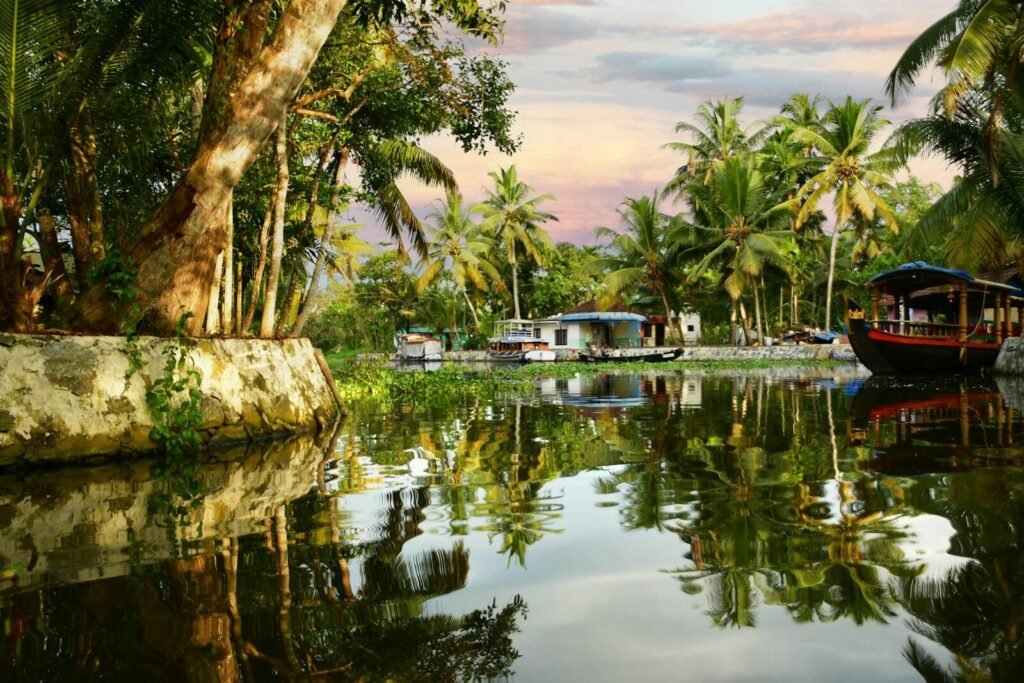
Best Time to Visit Fort Kochi, Cochin (Kochi) — A Tourist Guide
Overview
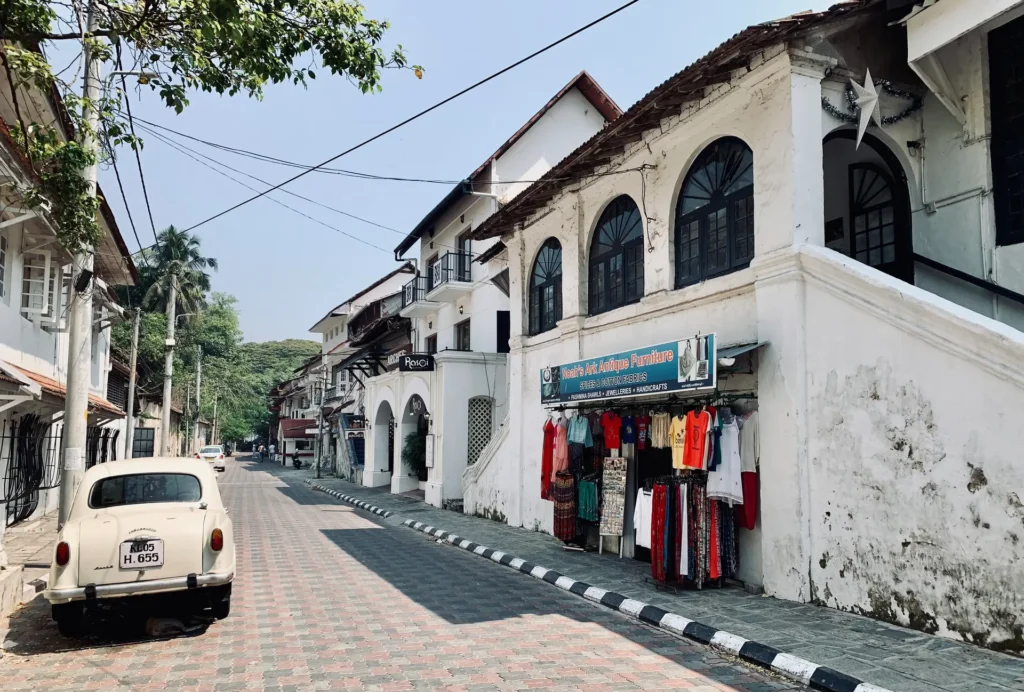
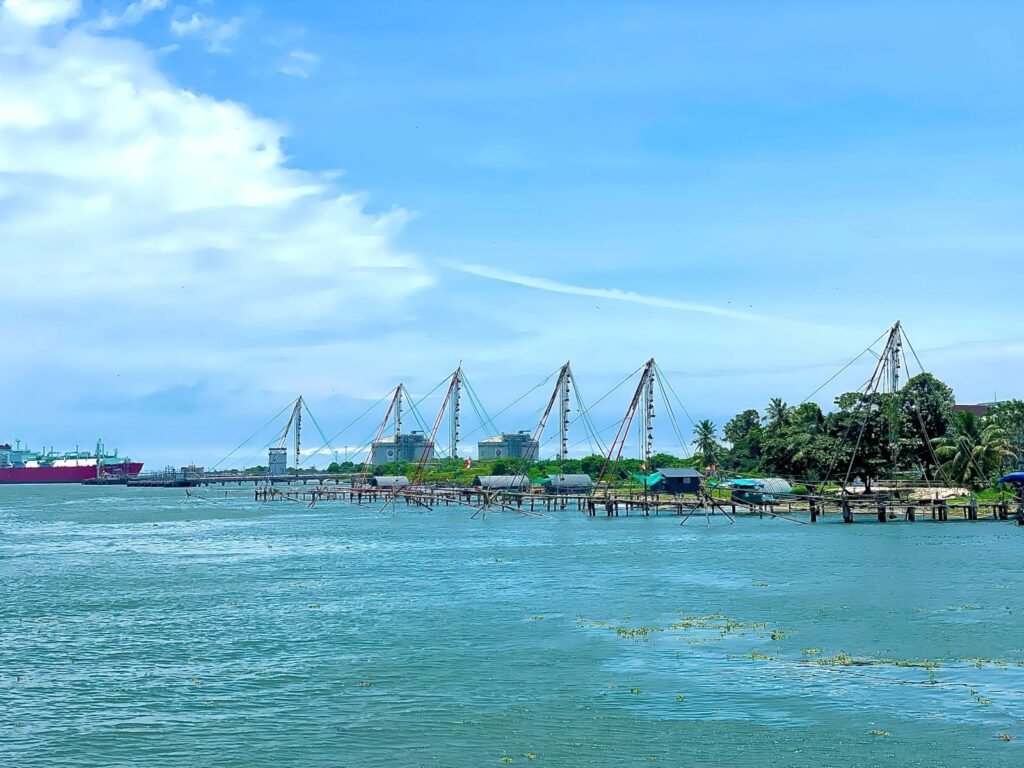
Fort Kochi, on the city-island of Kochi (Cochin) in Kerala, is a compact, atmospheric neighborhood of colonial buildings, spice market history, art spaces, cafés and the iconic Chinese fishing nets. The climate is tropical coastal, so weather, festivals and sea conditions influence the practical best time to visit. This guide breaks down seasons, activities, festivals and travel tips so you can plan the ideal trip to Fort Kochi.
Seasons at a Glance
Fort Kochi experiences three main climate periods: winter (pleasant), summer (hot and humid) and monsoon (wet). Each has advantages depending on your priorities—sightseeing, budget, wellness or cultural events.
Winter (October to February) — The Best Time
Why go: This is widely regarded as the best time for tourists. Days are warm and comfortable, evenings mildly cool and humidity is lower compared with the rest of the year. Outdoor sightseeing, backwater cruises and beach visits are at their most pleasant.
Weather
- Temperatures: roughly 24–30°C (75–86°F)
- Humidity: moderate and much more bearable than summer
- Rain: minimal compared with monsoon months
Highlights
- Best time for long walks around Fort Kochi, Mattancherry and Jew Town
- Sea activities, ferry rides and harbor views are comfortable
- Cultural events such as the Kochi-Muziris Biennale (often staged between December and March) and the Cochin Carnival (late December to early January) typically fall in or around these months
Summer (March to May) — Hot and Humid
Why go: Fewer tourists and lower prices on accommodation. Useful if you prefer quieter streets and don’t mind heat.
Weather
- Temperatures: roughly 28–36°C (82–97°F)
- Humidity: high, making it feel warmer
- Occasional pre-monsoon thunderstorms
Considerations
- Outdoor sightseeing in midday can be uncomfortable — plan for early mornings and evenings
- Water-based activities are still possible but expect strong sun and warm water temperatures
Monsoon (June to September) — Lush, Dramatic, Rainy
Why go: The monsoon transforms Kerala’s landscapes: lush greenery, flowing streams and dramatic skies. This is a favorite season for Ayurvedic treatments and for travelers seeking a quieter, more atmospheric visit. However, heavy rain can disrupt plans.
Weather
- Frequent heavy rainfall, especially June to August
- Temperatures: 24–30°C (75–86°F), but humidity is high
Highlights & Drawbacks
- Monsoon is ideal for Ayurveda cures and wellness retreats — many packages are timed to the rains
- Beaches may be unsafe for swimming when the sea is rough
- Some outdoor events and boat trips may be cancelled or limited
- Off-season hotel deals and much quieter tourist spots
Festivals & Events — Timing Matters
Fort Kochi’s character is amplified by festivals and art events. If you want to coincide your visit with local happenings, consider these:
- Cochin Carnival — late December to early January: parades, floats, beach events around Fort Kochi and nearby shores.
- Kochi-Muziris Biennale — usually held during winter months (commonly December to March) in alternating years; a major contemporary art exhibition with several Fort Kochi venues.
- Onam — August/September (date varies per the Malayalam calendar): Kerala’s biggest festival, state-wide celebrations, special cuisine and cultural shows.
- Vishu — April: Malayali new year celebrations; quieter in Kochi but culturally significant across Kerala.
Activities Recommended by Season
Winter (Oct–Feb)
- Walking tours of Fort Kochi (St. Francis Church, Santa Cruz Basilica, Portuguese and Dutch colonial architecture)
- Visit Mattancherry Palace and the Jewish Synagogue in Jew Town
- Ferry rides across backwaters and harbor for sunrise/sunset
- Attend art galleries and Biennale exhibitions
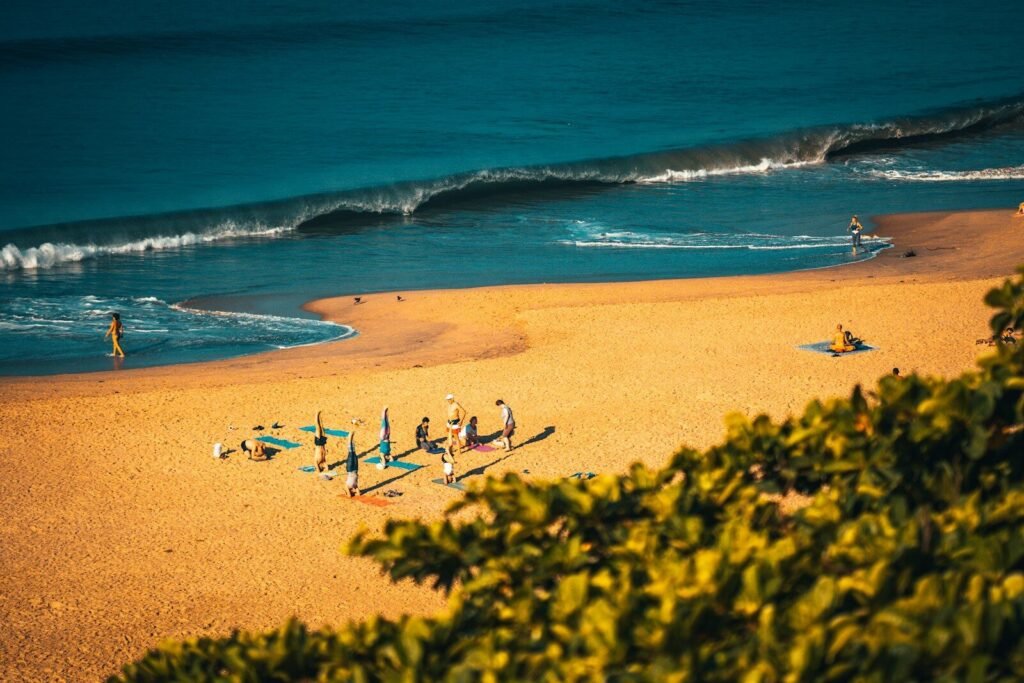
- Day trips to nearby beaches (Cherai) and backwaters (Alleppey/houseboats)
Summer (Mar–May)
- Early-morning sightseeing and photography
- Indoor museum and spice market visits in the hotter part of day
- Cooking classes, café culture and evenings by the waterfront
Monsoon (Jun–Sep)
- Ayurvedic therapies and spa retreats (best time for treatment)
- Monsoon walks and photography — lush landscapes, dramatic skies
- Enjoy quieter museums, art galleries and cafés without crowds
Packing & Practical Tips
Essentials to pack
- Lightweight breathable clothes (cotton or linen)
- Comfortable walking shoes or sandals
- Light rain jacket or umbrella (especially monsoon season)
- Sunscreen, hat and sunglasses (winter and summer)
- Insect repellent (monsoon and evenings)
- Reusable water bottle and small first-aid kit
Health & Safety Tips
- Stay hydrated and avoid midday sun during summer
- During monsoon, avoid wading through flooded areas — watch for slippery surfaces
- Tap water is generally not recommended for drinking — use bottled or filtered water
Accommodation & Crowds
Peak season (Oct–Feb) is busy — book hotels and homestays well in advance, especially around major events. Monsoon months bring lower rates and availability but check cancellation policies when rain could affect travel plans. Summer offers a middle ground: fewer crowds than winter but warmer conditions.
Recommended Itineraries
2-Day Fort Kochi Itinerary (Best for short stays)
- Day 1: Stroll Fort Kochi waterfront at sunrise, Chinese fishing nets, St. Francis Church, Santa Cruz Basilica, Portuguese Cemetery, evening at a café on Princess Street.
- Day 2: Visit Mattancherry Palace, Dutch Palace, Jewish Synagogue and the spice shops in Jew Town; take a ferry to Willingdon Island or a short backwater cruise in the evening.
3–4 Day Itinerary (Including nearby highlights)
- Day 1–2: Follow the 2-day itinerary above.
- Day 3: Day trip to Cherai Beach or a houseboat trip in nearby backwaters.
- Day 4: Explore local art galleries, boutique shops and cookery classes; depart in the evening.
Final Recommendation — When to Visit
If you can choose only one period: plan for October through February. This window combines the most comfortable weather, a full slate of cultural events and the best conditions for sightseeing, backwater trips and beach visits. If your priority is wellness and Ayurvedic treatments, consider the monsoon months (June–September) for the rejuvenating climate and off-season peace. If you prefer lower prices and minimal crowds and can tolerate heat, late spring (March–May) is workable.
Quick Checklist Before You Go
- Book accommodations early for October–February
- Check dates of Biennale or local festivals if timing your cultural visit
- Pack for humidity and sudden rain if traveling outside the winter window
- Plan outdoor activities for mornings and late afternoons during hotter months
Fort Kochi is a small area packed with history, art and flavors. With the right season and a little planning, it can be a very rewarding stop on any Kerala itinerary. Enjoy the blend of cultures, the waterfront sunsets and the relaxed pace of this charming part of Cochin.