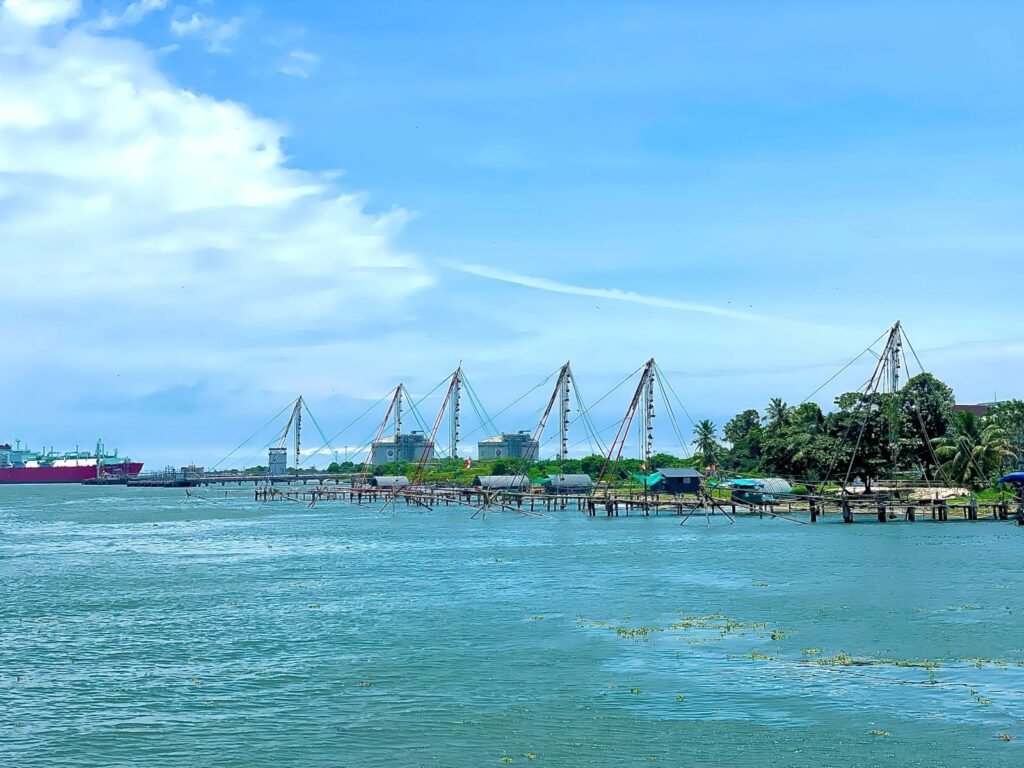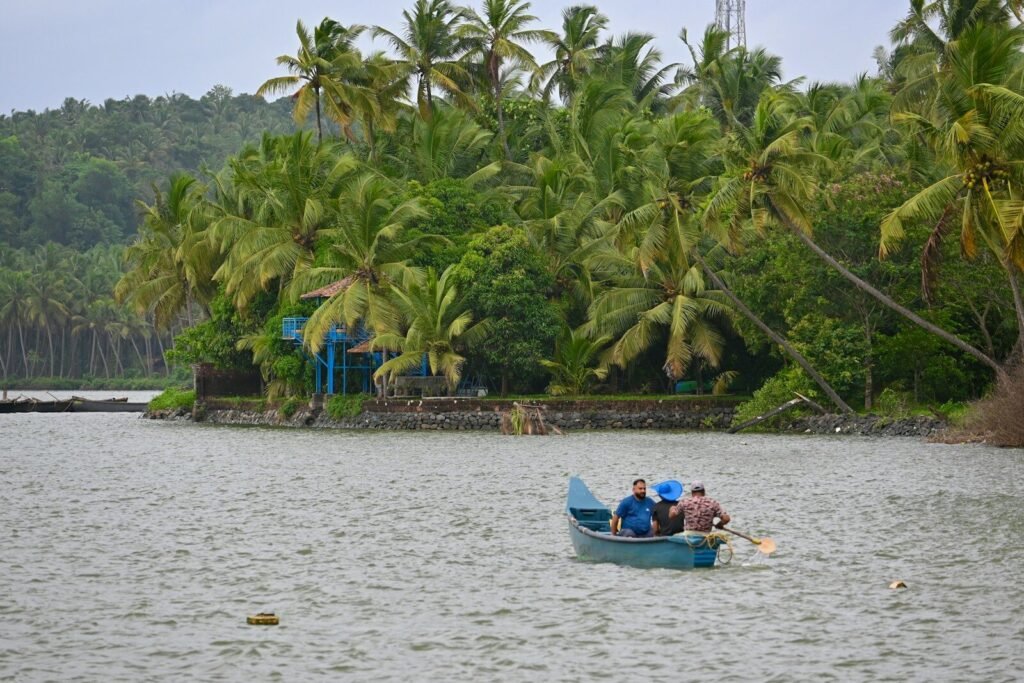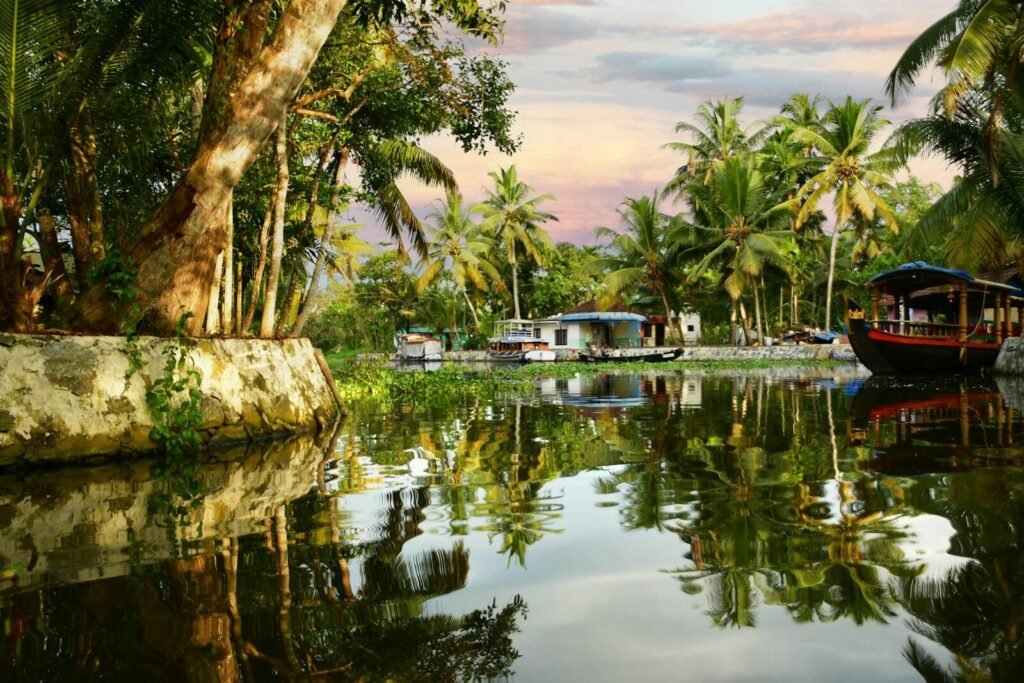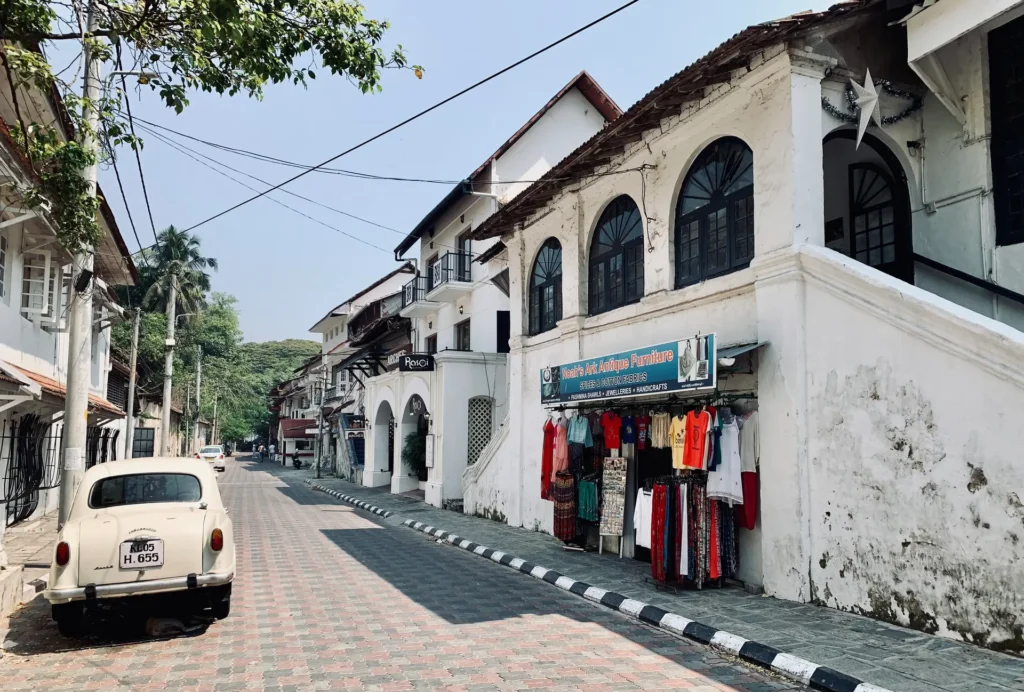
Fort Kochi (part of the larger city of Kochi/Cochin in Kerala, India) is a compact, historic, and walkable neighborhood famous for its colonial architecture, Chinese fishing nets, churches, synagogues, art scene and café culture. Below are commonly asked questions and practical, traveler-focused answers to help plan your visit.
Fort Kochi is an old port area that reflects centuries of trade and colonial influence (Portuguese, Dutch and British). Visitors come for the heritage buildings, the lively street life, contemporary art (notably the Kochi-Muziris Biennale), historical sites such as St. Francis Church and Mattancherry, the Paradesi Synagogue and the scenic Chinese fishing nets at the waterfront.
For a meaningful experience, plan at least 1–2 full days. A single day can cover the main sights (Chinese fishing nets, St. Francis Church, Mattancherry Palace, Jew Town, Paradesi Synagogue and a sunset at the promenade). If you enjoy slow travel, cafés, galleries, and the Biennale art festival, stay 3–4 days.
The nearest airport is Cochin International Airport (CIAL). Depending on the route and traffic it is typically around 30–45 km from Fort Kochi, taking roughly 1–1.5 hours by car. Prepaid taxis, app-based cabs and private transfers are available.
The main rail access is via Ernakulam Junction (South) or Ernakulam Town (North). Both are in central Kochi; from either station you can take a taxi, bus or ferry to Fort Kochi. Travel time by road is typically 30–45 minutes depending on traffic.
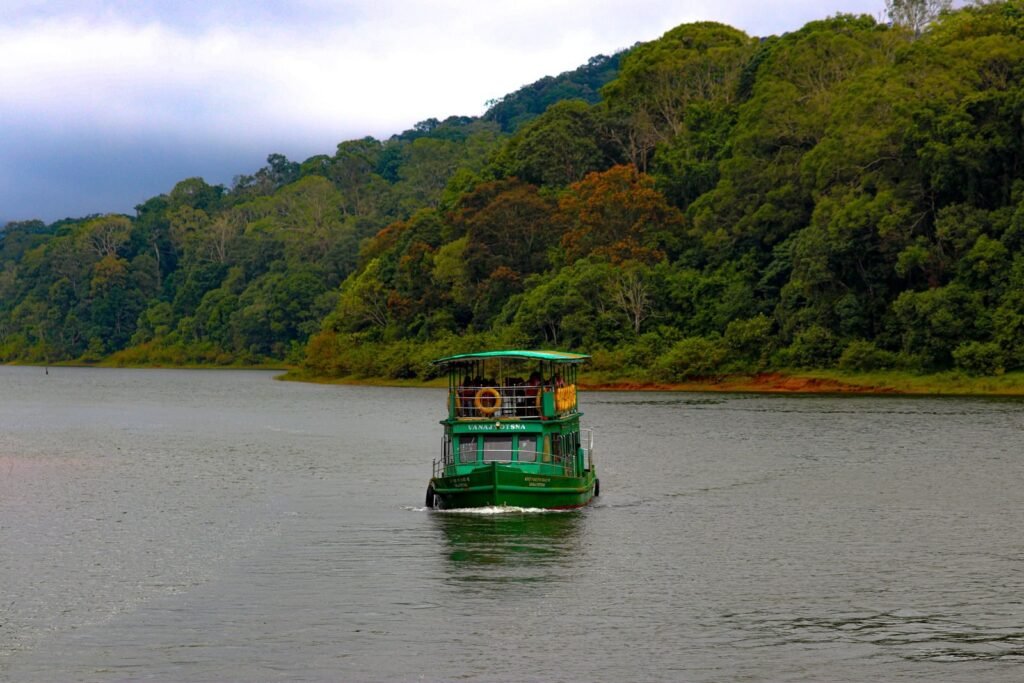
Yes. Fort Kochi is well connected by local buses and frequent government ferries across the backwaters (for example between Fort Kochi and Ernakulam or Vypin). Ferries are often the quickest and scenic option. Auto-rickshaws and taxis are plentiful but confirm the fare or use metered/app-based services.
Fort Kochi is highly walkable with narrow lanes, colonial-era buildings, cafés and galleries clustered together. Bring comfortable shoes; some streets are uneven, cobbled or have potholes. Street lighting is reasonable but some alleys may be dim at night.
The most pleasant period is November to February (cooler, less humid, ideal for sightseeing). March–May is hot and humid. The southwest monsoon (June–September) brings heavy rains — beautiful to experience if you enjoy dramatic weather but many outdoor activities will be limited.
Yes. Notable events include:
Top highlights include:
Some heritage sites and museums charge modest entry fees; the Paradesi Synagogue has specific opening hours and may restrict photography inside. St. Francis Church and the Chinese nets are generally open to the public with no formal fee. Always check current timings on arrival; museums may close on certain weekdays or public holidays.
Fort Kochi offers a range of options: boutique heritage hotels and converted colonial houses, mid-range hotels, guesthouses, homestays and budget hostels. For a heritage experience choose a converted bungalow or a restored colonial property.
Fort Kochi has many cafés, seafood restaurants and places serving Kerala cuisine. Try local dishes such as kerala fish curry, appam, karimeen pollichathu (Pearl spot fish) and vegetarian thali. There are also bakeries and international cafés for lighter fare and coffee.
Fort Kochi is generally safe and frequented by tourists. Take normal precautions: avoid isolated alleys late at night, watch your belongings in crowded areas, and use registered taxis or app-based cabs for late travel. Local people are friendly and English is widely spoken.
Stay hydrated, use sunscreen and insect repellent in evenings. Drink bottled or filtered water (bottled water is widely available). If you have specific medical needs, the greater Kochi area has good hospitals and clinics.
When visiting religious sites, dress modestly (cover shoulders and knees), remove footwear where required and ask permission before photographing people, especially in places of worship. Respect signs and local customs. Tipping guides and drivers is customary but discretionary.
At souvenir stalls, flea markets and some independent shops (especially in Jew Town and street stalls), bargaining is common. In fixed-price boutiques, galleries and branded shops, prices are generally fixed.
Hotels, larger restaurants and many cafés accept cards and UPI/digital wallets. Small vendors, market stalls, ferries and some taxis may be cash-only — carry some Indian rupees for convenience.
The local language is Malayalam, but English and Hindi are widely understood in tourist areas. Basic polite phrases in Malayalam are appreciated by locals.
Parts of Fort Kochi have cobbled streets, steps and narrow lanes; many heritage buildings are not fully accessible. Some modern hotels and cafés are accessible, but older attractions may have limited facilities for wheelchairs. If accessibility is a priority, contact accommodations and attractions in advance to confirm facilities.
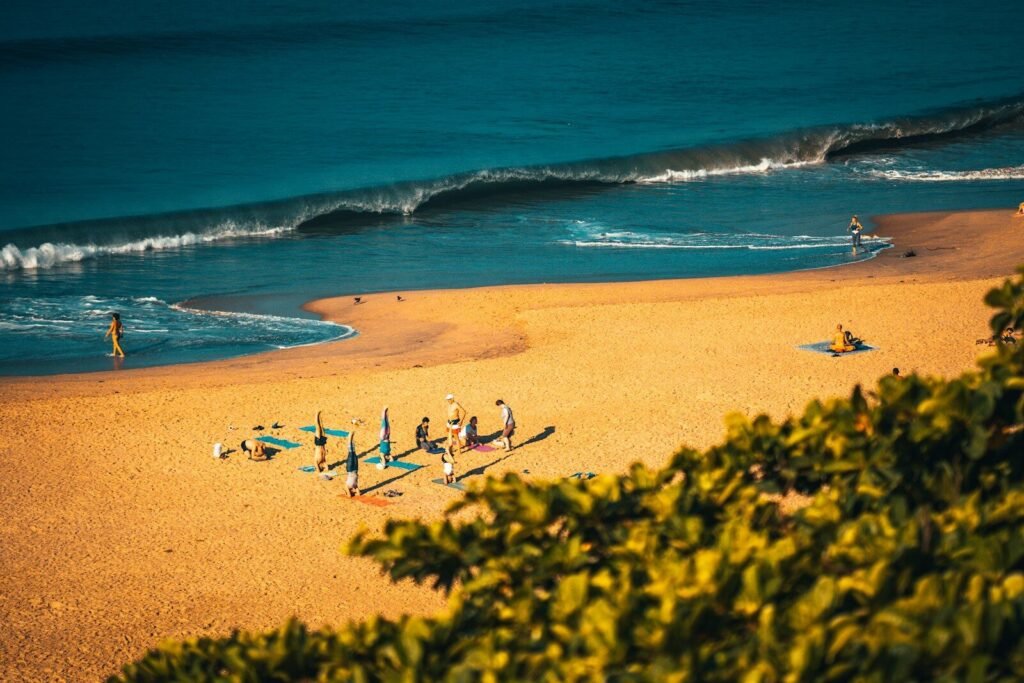
The Fort Kochi shoreline is primarily for viewing and walking; currents can be strong and the beach is not always ideal for swimming. For better swimming beaches near Kochi consider Cherai Beach (on Vypin/Cherai island) or beaches further away — always heed local advice and lifeguard instructions.
Photography is allowed in most public areas. However, some religious sites (notably inside the Paradesi Synagogue and certain museum interiors) may prohibit photography or require a permit. Always check at the entrance and respect signs and requests from caretakers.
Consider these simple steps:
Budget depends on your travel style:
Food and transport in Kochi are generally affordable compared to many international destinations; factor in extra for guided tours, entry fees and shopping.
Start early: Chinese fishing nets and waterfront in the morning, St. Francis Church, walk to Mattancherry Palace, explore Jew Town (spice shops and antiques), lunch in a local restaurant, afternoon gallery crawl and café time, sunset at the promenade or beach and dinner at a seafood restaurant.
Day 1: Follow the 1-day plan. Day 2: Take a half-day backwater/ferry trip, visit nearby islands (Vypin), relax on Cherai Beach or attend a workshop/food tour. Day 3: Dive into galleries, the Biennale (if running), and explore lesser-known lanes and local markets at a leisurely pace.
Yes, guided walking tours (heritage walks, spice/food tours, or art tours during the Biennale) can add historical context and local stories that enrich the experience. Private guides can tailor the itinerary and help navigate entrance timings and photography rules.
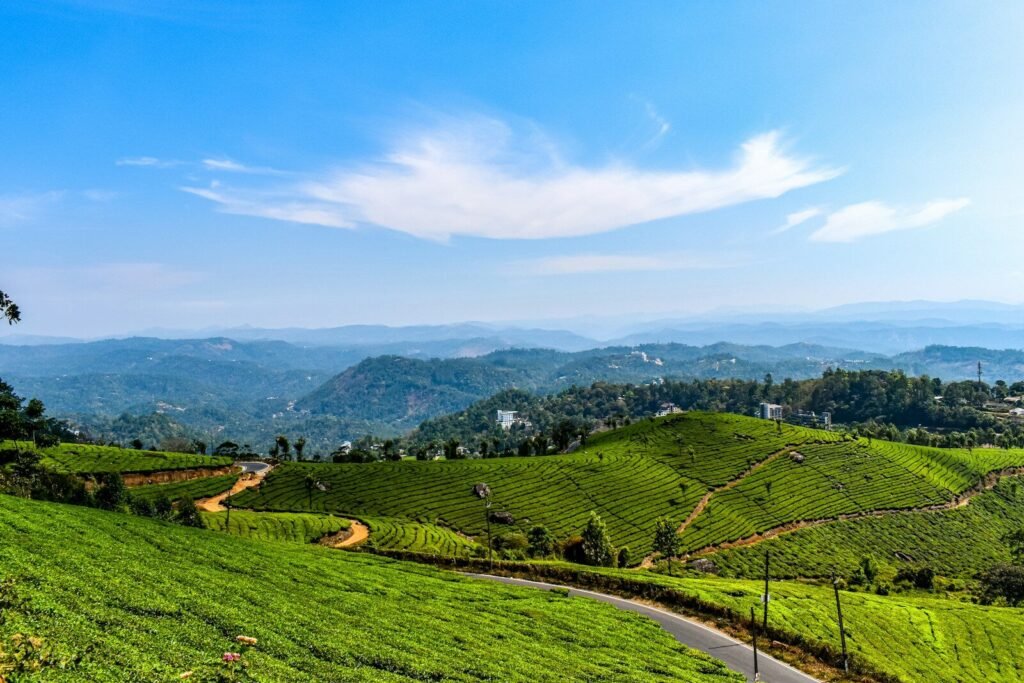
Absolutely. Fort Kochi makes a good base for short trips to Munnar (tea hills), Alleppey (backwaters), and Thekkady (wildlife). Distances vary so plan travel time accordingly; combine by road or private transfer.
Check with your hotel or local tourist information desks for current opening hours, festival dates and transportation schedules. For large events (like the Kochi-Muziris Biennale), check official sources for dates and ticketing.
Fort Kochi is a delightful mix of history, culture and contemporary creativity. Whether you are a history buff, an art lover, a foodie or a slow traveler, it offers a compact and richly textured experience. Plan flexibly, respect local customs, and allow time to wander — some of the best discoveries are found off the main streets.
What makes us different from other tour package companies
Our travel experts have core and intense knowledge about Kerala sector with over 10 years of experience that will help you choose the best possible itinerary as per your requirements.
Our travel experts are just one call away during your tour to help you with any kind of immediate assistance so that your tour is a more enjoyable and hassle-free tour.
eTourismKerala ensures best rates to all our esteemed guests since we have our own hotels and fleet of vehicles and drivers and there is no third-party involvement. This ensures personalized service and best rates.












Kindly enter the details below for your Kerala Tour Package