Fort Kochi (also spelled Fort Cochin) in the city of Kochi (Cochin), Kerala, is one of India’s most evocative heritage precincts. Its layered past — a confluence of Indian rulers, European colonizers and global traders — gives it a distinct character that draws tourists interested in history, architecture, culture and maritime trade. This article traces the historical evolution of Fort Kochi and explains how that history shapes its contemporary tourism appeal.
Long before European arrival, the Malabar Coast was an established node in the Indian Ocean trade network. Arab, Persian and other Asian merchants visited its ports to exchange spices, timber and textiles. The local rulers, notably the Kingdom of Cochin, facilitated and benefited from this commerce, forging relationships with overseas traders and nurturing a cosmopolitan commercial culture.
Early 16th century: Portuguese mariners reached the Malabar Coast at the end of the 15th century and, over the early 1500s, established a prominent presence in and around Cochin. The Portuguese built fortifications and churches and promoted their trading and missionary interests.
Significance: Portuguese architecture, Catholic institutions and maritime traditions introduced in this period left lasting marks on the built environment and local culture. St. Francis Church, one of the earliest European churches in India, dates from this broader Portuguese era and later became famous as the first burial place of Vasco da Gama.
By the mid-17th century the Dutch East India Company (VOC) dislodged the Portuguese from many of their strongholds in Kerala. The Dutch captured Cochin and adapted existing structures, leaving warehouses, administrative buildings and influences in layout and urban design.
Consequence for the town: The transition from Portuguese to Dutch control resulted in new layers of governance and architecture. Some Portuguese buildings were modified, others replaced; the trading focus remained but under different European priorities.
The late 18th century saw the British gradually assert hegemony over former Dutch and Portuguese enclaves during conflicts in Europe and Asia. Kochi became a princely state under British suzerainty, and British commercial and administrative ways shaped the modern port and civic institutions.
Touristic legacy: British-era civic planning, clubs, and commercial buildings, combined with the earlier Portuguese and Dutch layers, created a distinctive urban mosaic that visitors can still read today.
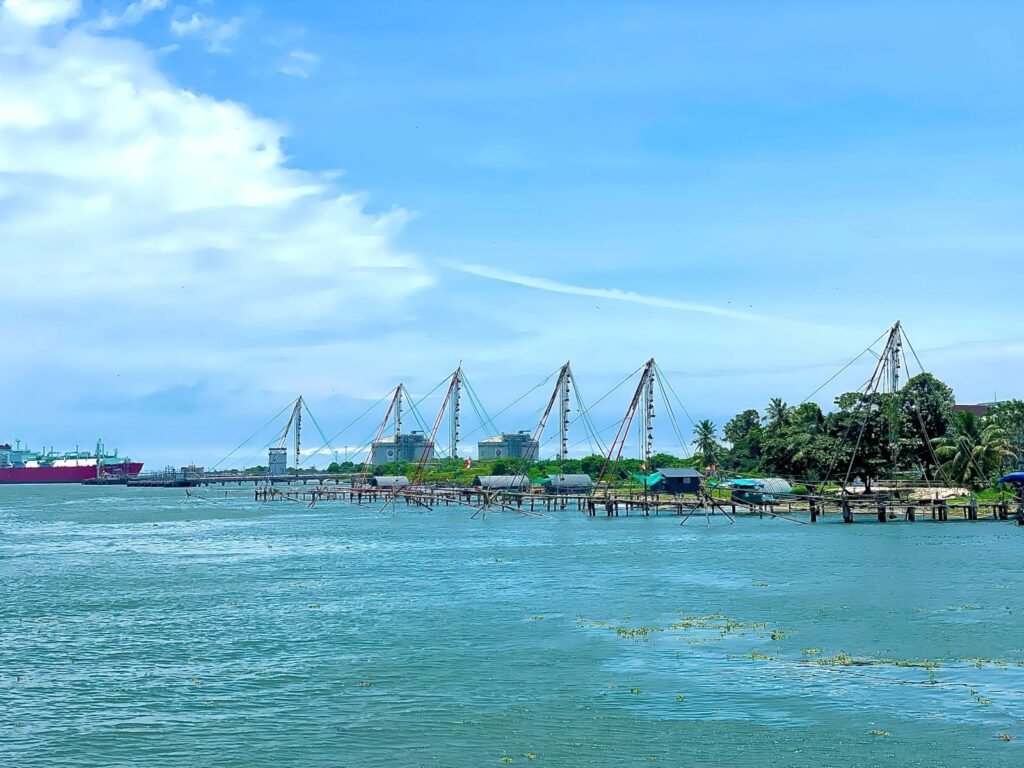
Description: Giant shore-operated cantilevered fishing nets, silhouetted at the water’s edge, are among Fort Kochi’s most iconic images.
One of the oldest European churches in India, St. Francis Church is a simple, historical structure remembered for its long-standing ties to European seafarers. Its association with Vasco da Gama — whose remains were once interred here — makes it a pilgrimage point for history-minded visitors.
History: Originally constructed by the Portuguese and later renovated by the Dutch for the Maharaja of Cochin, this palace houses mural paintings and royal memorabilia.
Tourism highlights: The palace’s galleries, mural cycles and the way it weaves together Indian royal culture with European patronage make it a must-visit for cultural tourists.
The Paradesi Synagogue, built in the 16th century, and the surrounding Jew Town are reminders of a once-thriving Jewish mercantile community in Cochin. The synagogue, antique shops and spice markets in the area are central to the heritage circuit.
Simple, weathered tombstones and quiet lanes reveal everyday colonial life. Walking these streets gives visitors a tangible sense of continuity between past and present.
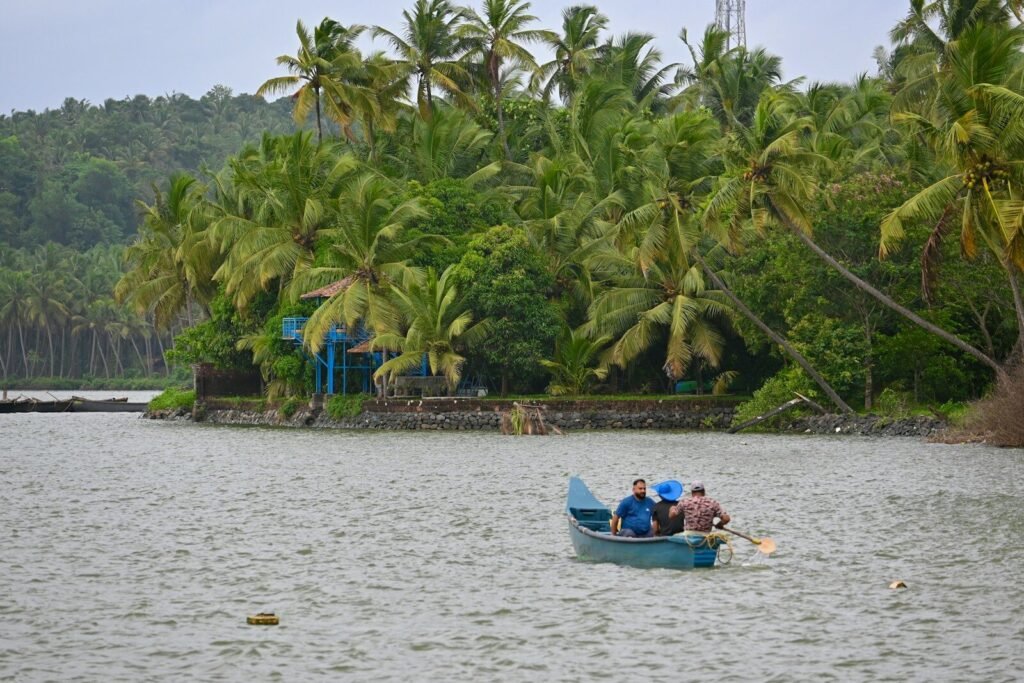
The harborfront is animated with fishermen, merchants and cafes. Vasco da Gama Square — a gathering point for locals and tourists — offers panoramic views and easy access to boat tours and ferry services to nearby islands.
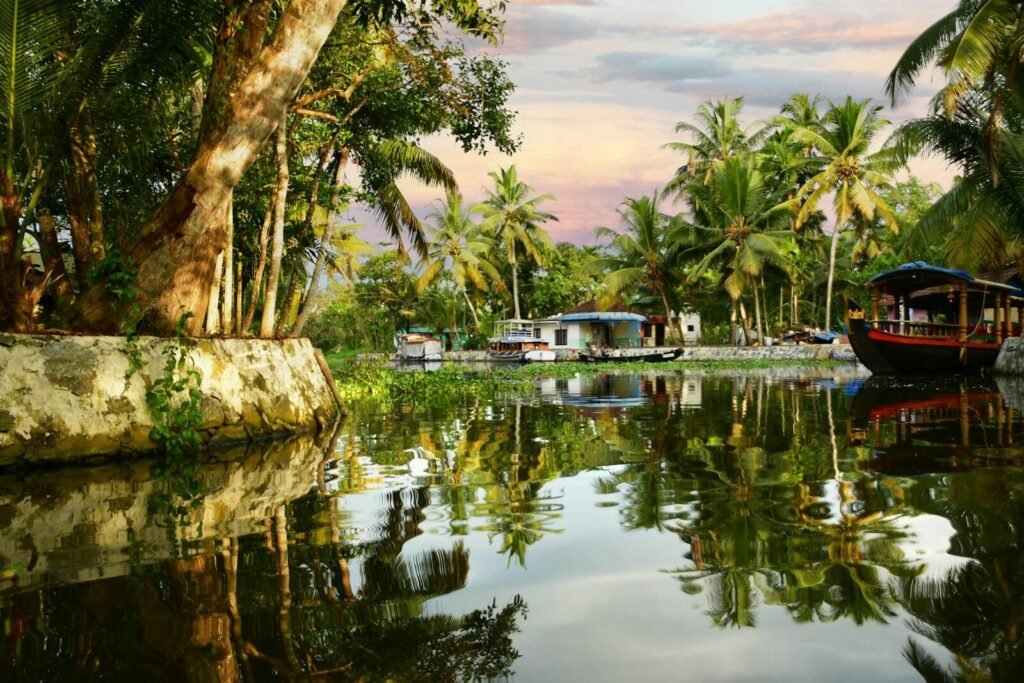
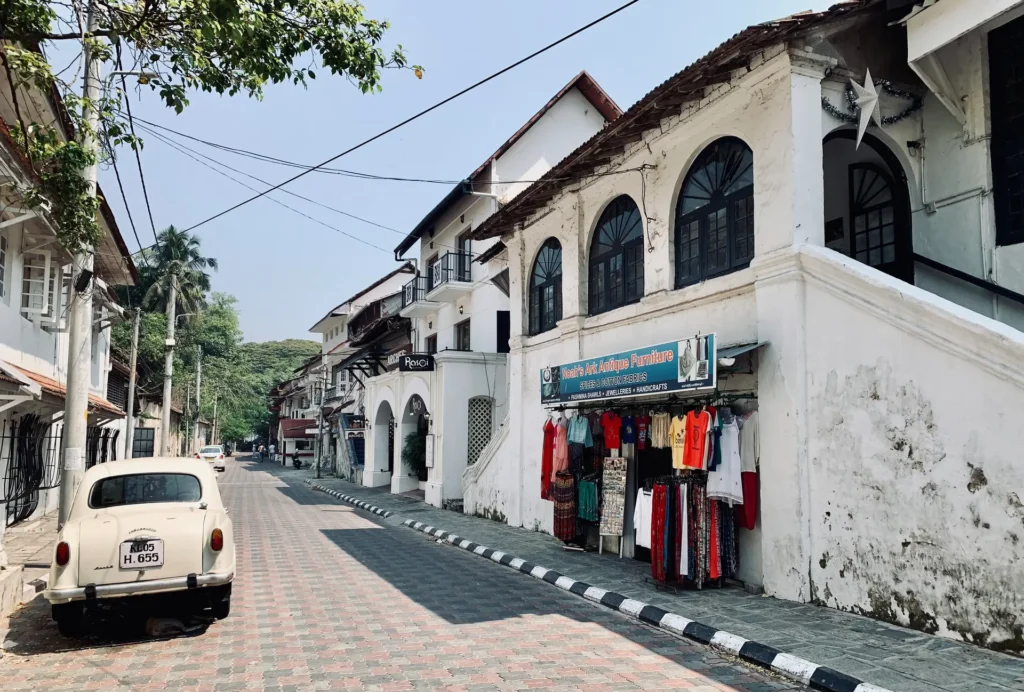
Fort Kochi is characterized by a striking fusion of Kerala vernacular forms and European elements: tiled roofs meet colonial facades; narrow lanes open onto plazas and waterfronts. The result is an urban fabric that appeals to heritage tourists and photographers.
The area exemplifies long-standing religious pluralism: Hindu temples, mosques, churches and the synagogue lie in close proximity. This coexistence is reflected in festivals, rituals and the everyday cultural life that visitors can observe and respectfully participate in.
October to March offers pleasant weather and is ideal for sightseeing, festivals, and outdoor activities. Monsoon months (June–September) have a different appeal — lush landscapes and fewer crowds — but some outdoor experiences may be limited.
Fort Kochi offers a range of accommodation from heritage homestays and boutique hotels to guesthouses. Staying inside or near the precinct allows easy access to the core historic sites and a calmer atmosphere than the bustling mainland Ernakulam.
Fort Kochi faces typical heritage challenges: coastal erosion, unregulated development, pressure from tourism, and the need for sensitive restoration. Effective conservation balances tourist access with protection of fabric and intangible heritage.
Fort Kochi is not just a collection of historic buildings; it is a living palimpsest where trade, religion, architecture and art converge. For tourists interested in maritime history, colonial encounters, cultural pluralism and contemporary arts, Fort Kochi offers an accessible and deeply textured experience. The precinct’s compact size makes it ideal for immersive walking exploration, while its festivals and galleries connect local tradition to global conversations.
Fort Kochi stands as a vibrant testament to centuries of international exchange and cultural layering. Its charm for visitors lies as much in the visible heritage — churches, palaces, synagogues, fishing nets — as in the everyday life that continues around these monuments: spice sellers, fishermen, artists and families who keep the precinct alive. Thoughtful tourism that respects and sustains this living heritage will ensure Fort Kochi remains a rewarding destination for generations of travelers.
What makes us different from other tour package companies
Our travel experts have core and intense knowledge about Kerala sector with over 10 years of experience that will help you choose the best possible itinerary as per your requirements.
Our travel experts are just one call away during your tour to help you with any kind of immediate assistance so that your tour is a more enjoyable and hassle-free tour.
eTourismKerala ensures best rates to all our esteemed guests since we have our own hotels and fleet of vehicles and drivers and there is no third-party involvement. This ensures personalized service and best rates.













Kindly enter the details below for your Kerala Tour Package