Spice Plantations

Things to do

Spice Plantations, Thekkady — Things to Do (Tourism Guide)

Thekkady, centered around the Periyar Tiger Reserve and the town of Kumily, is one of Kerala’s most famous spice country destinations. The region’s lush, hilly terrain and humid tropical climate support plantations of pepper, cardamom, cinnamon, cloves, nutmeg, vanilla and many other aromatic crops. Visiting the spice plantations is an immersive experience that mixes botany, culture, food and sustainable rural tourism.

Why Visit Spice Plantations in Thekkady?

Spice plantation visits offer a combination of sensory delight and cultural learning: you see how spices grow, learn traditional harvesting and processing techniques, taste freshly ground spices and local dishes, and support small-scale farmers who maintain traditional agroforestry systems. For nature lovers and slow-travelers, spice estates provide shaded walks, birdwatching opportunities and photo-friendly landscapes.

Top Spices You’ll Encounter

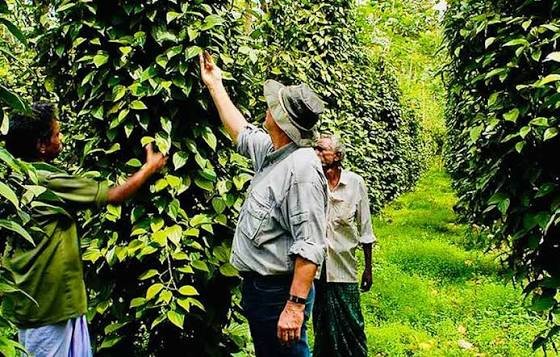
  • Pepper (black, white, green): climbing vines on support trees, harvested as green berries.
  • Cardamom: small pods growing in clumps among shaded understory plants.
  • Cinnamon: bark harvested and dried to form quills.
  • Clove: aromatic flower buds used whole or ground.
  • Nutmeg & Mace: fruit with a fleshy outer layer and an inner seed and aril.
  • Vanilla: delicate climbing orchid vines that require pollination and curing.
  • Turmeric & Ginger: rhizomes grown in moist soils, often intercropped.

Things to Do on a Spice Plantation Visit

Guided Plantation Walks

What to expect: A local guide (often the estate owner or a trained local) walks you through the plantation, pointing out different spice plants, explaining planting cycles, harvesting methods and curing techniques. Demonstrations may include hand-picking cardamom pods, stripping cinnamon bark or showing pepper drying racks.

  • Duration: Usually 45 minutes to 2 hours.
  • Highlights: Smell fresh spices, taste raw or roasted seeds, see traditional drying and grading methods.

Spice-Processing Demonstrations

Many estates offer live demonstrations of how spices are processed: sun-drying pepper and cardamom, pounding cinnamon, shelling nutmeg, or curing vanilla. These demos help you understand why certain spices are priced the way they are and how flavor changes post-harvest.

Cooking Classes and Food Tasting

Local culinary experiences teach how spices are used in traditional Kerala cuisine: homemade masalas, spice-infused curries, pickles and snacks. Smaller estates or homestays often combine a plantation walk with a short cooking demo and meal using plantation-fresh ingredients.

  • What you learn: Spice blends, roasting vs raw usage, tempering techniques (tadka), and regional recipes.
  • Good for: Food lovers and home cooks who want practical, hands-on learning.

Shopping for Spices

Spice shops at plantations sell freshly packed spices—often superior to supermarket stocks because they’re processed on-site. You can buy single-origin pepper, whole cardamom, fresh turmeric, spice blends and sometimes value-added products like essential oils or spice-infused chocolates.

  • Tips: Smell and, if allowed, taste samples; prefer whole spices over powdered for longer shelf life; ask about drying/curing dates and pest-control practices.
  • Packing: Carry an empty suitcase compartment or use vacuum-sealed bags to minimize odor transfer to clothing.

Photography and Nature Walks

The shaded rows, climbing vines, colorful spices and nearby forest edges make great photo subjects. Birdwatchers also find many species that frequent plantation trees—sunbirds, bulbuls and leafbirds are common. Early morning or late afternoon light is best for photography.

Cultural Exchanges and Homestays

Several small farmers and homestays host tourists for longer stays, offering deeper cultural exchange: morning farm chores, participation in spice processing, storytelling, and locally cooked meals. These are ideal for travelers seeking responsible tourism and direct support to rural communities.

Combined Nature Activities

Since spice plantations neighbor Periyar Tiger Reserve, you can combine plantation visits with:

  • Periyar boat safari on Periyar Lake (wildlife viewing)
  • Bamboo rafting and forest walks
  • Guided birding treks

Practical Tips for Visiting

Best Time to Visit

  • Peak season: October to March — comfortable weather, many estates open for visitors and easy access to trails.
  • Monsoon months: June to September — plantations are lush and dramatic but paths can be muddy and some activities may be limited.

How Long to Plan

You can experience a plantation in a half-day (guided walk + brief shopping) or stretch into a full day (walk, processing demo, cooking class and lunch). Staying overnight at a homestay or plantation bungalow lets you enjoy dawn birding and slower-paced activities.

What to Pack and Wear

  • Comfortable walking shoes with good grip
  • Light long-sleeve shirt and long pants (protection from insects and sun)
  • Rain jacket or umbrella (especially during monsoon)
  • Insect repellent and sunscreen
  • Water bottle, small snacks, and a daypack
  • Cash for small purchases—some rural shops may not accept cards

Safety and Etiquette

  • Follow the guide: Stay on marked paths; many vines and native trees are valuable and should not be disturbed.
  • Ask before photographing: Get permission before photographing people working on the estate or private homesteads.
  • Respect harvesting seasons: Do not pick or remove plant material unless invited to do so.
  • Tipping: Small tips to guides and home cooks are appreciated but not mandatory.

Responsible and Sustainable Tourism

Choose plantations that practice sustainable agriculture and fair labor. Look for estates that:

  • Use organic or low-chemical cultivation methods
  • Employ and fairly compensate local workers
  • Contribute to habitat conservation and avoid converting natural forest to monoculture
  • Offer transparent pricing and accurate claims about product origin and processing

How to identify responsible operators

  • Ask about farming practices, pest control and water use
  • Prefer community-run or family-run experiences over large commercial showrooms
  • Read recent traveler reviews and choose guides who emphasize education over hard selling

Suggested Itineraries

Half-Day Visit

  • Morning: Guided plantation walk (60–90 minutes)
  • Shop: Small spice purchase and quick sampling
  • Nearby: Short boat ride on Periyar Lake or visit a local market in Kumily

Full-Day Immersion

  • Morning: Plantation walk and processing demo
  • Midday: Cooking class and lunch with plantation-fresh ingredients
  • Afternoon: Homestay visit or short wildlife boat safari

Two-Day Slow Travel

  • Day 1: Arrival, sunset plantation walk, stay at a plantation bungalow
  • Day 2: Early birdwalk, processing demo, full cooking session, and market visit

Nearby Attractions to Combine with Spice Plantation Visits

  • Periyar Tiger Reserve: Wildlife boat safaris, guided treks and educational centers.
  • Kumily market: Local produce, snacks and small spice shops.
  • Local waterfalls and viewpoints: Short drives into the Ghats offer scenic breaks.

How to Get There (Practical Access)

By Air: The nearest major airport is Cochin (COK). From there, Thekkady/Kumily is typically a 3–4 hour road journey depending on traffic and route.

By Train: The closest railheads are towns such as Kottayam or Madurai; onward road transfer by taxi or bus is common.

By Road: Regular buses and private taxis connect Thekkady/Kumily with Kerala towns and neighboring Tamil Nadu.

Shopping and Bringing Spices Home

When buying spices:

  • Prefer whole spices (peppercorns, cardamom pods, cinnamon sticks) for freshness.
  • Check packaging for airtight seals and pest-free storage.
  • Ask about origin, drying/curing method and storage recommendations.
  • Carry spices in sealed luggage or vacuum bags to prevent odor transfer and comply with airline rules for liquids and perishables.

Final Notes

Spice plantations around Thekkady are more than shopping destinations — they are living agroecosystems and cultural landscapes. Plan your visit with curiosity and respect: listen to local stories, taste freshly prepared food, support family-run enterprises, and leave with both memories and a deeper appreciation for the spices that flavor kitchens around the world.

Enjoy responsibly — and bring home not only spices, but the knowledge of how they’re grown and harvested.

Get Instant Call Back​

Which places do you want to explore in Kerala?
Kindly share your above details to get Travel Plan PDF within 30 seconds on your mobile
Please wait while we are preparing customized quotes as per your requirement.

Why Choose us ?

What makes us different from other tour package companies

Best Travel Experts

Our travel experts have core and intense knowledge about Kerala sector with over 10 years of experience that will help you choose the best possible itinerary as per your requirements.

24 X 7 On-Trip Assistance

Our travel experts are just one call away during your tour to help you with any kind of immediate assistance so that your tour is a more enjoyable and hassle-free tour.

Best Rate Guarantee

eTourismKerala ensures best rates to all our esteemed guests since we have our own hotels and fleet of vehicles and drivers and there is no third-party involvement. This ensures personalized service and best rates.


Kerala Tour Packages by Theme

Kerala Tour From Popular Cities

Limited period offer – Kerala tour packages at flat 50% discount. Inquire now!

Kindly enter the details below for your Kerala Tour Package
Loading, please wait . .. ... ....