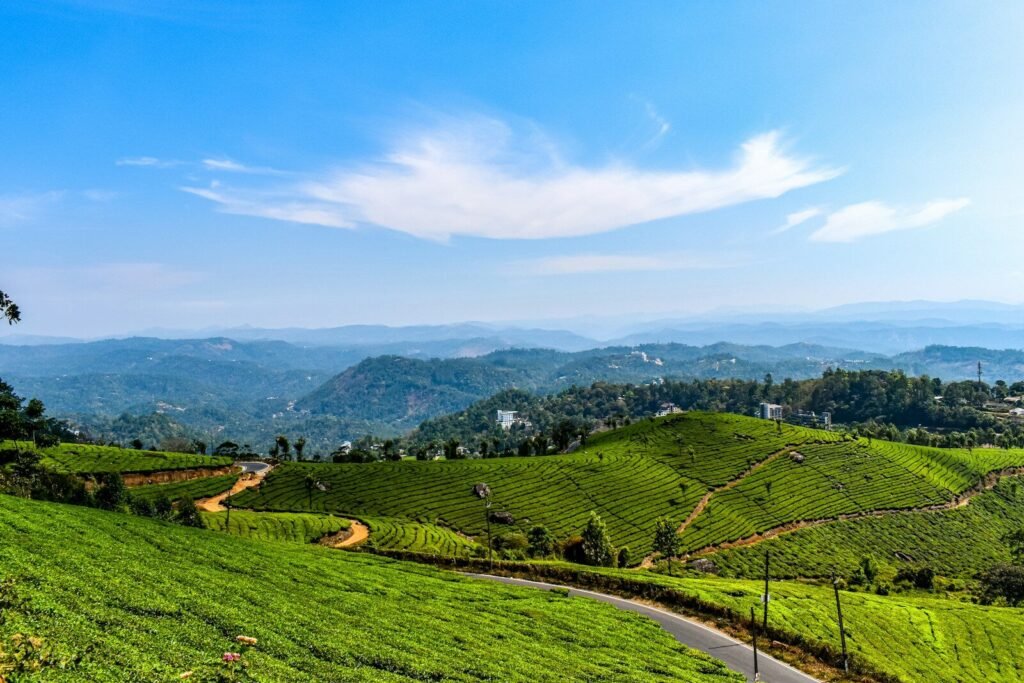
Thekkady (near Kumily) in Kerala is famous for its spice plantations that lie in the scenic foothills of the Western Ghats. Visitors come to learn about spice cultivation, watch demonstrations, taste fresh spices, join walks and cooking classes, and enjoy the lush landscape. The following frequently asked questions (and answers) cover practical, cultural, ecological and safety aspects to help you plan a rewarding visit.
Most spice plantations are located around Kumily and the Periyar region in Idukki district, Kerala. They are often set along rolling hills, interspersed with cardamom, pepper, clove, cinnamon and nutmeg trees, and many are within a short drive from Thekkady town and the Periyar Tiger Reserve.
Best overall: October to February — cool, dry weather, comfortable for walking and sightseeing.
Monsoon months (June–August): plantations are very lush and aromatic but heavy rain can limit outdoor activities. Some plantations remain open and look spectacular in the rains. If you plan a monsoon visit, check in advance for accessibility.
Avoid: heavy rains or storms that may make hilly roads difficult.
Visits vary depending on activities:
Common activities include:
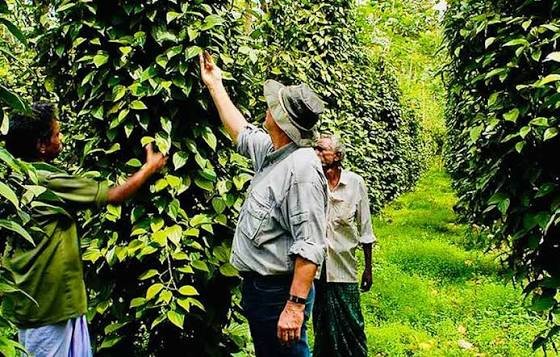
Strongly recommended. Local guides explain plant life cycles, sustainable practices, pest control methods and processing techniques. They also ensure your safety, especially in hilly or dense plantation areas. Many plantations offer included or optional guided tours—book in advance for peak season.
Typical spices on display and discussed include:
Yes. Estate shops often sell freshly dried whole spices, powdered spices, essential oils and packaged products. To ensure quality:
Bargaining is common at roadside stalls and some small outlets; it is less common in official estate shops that sell prepackaged goods. Use respectful negotiation — the price often reflects freshness and small-scale production.
Yes, many activities are family-friendly. Young children typically enjoy aroma demonstrations, simple walks and tasting sessions. Keep children close near plants and uneven paths. Some plantations may restrict access to certain areas for safety reasons.
Accessibility varies widely. Many plantations have uneven ground, stairs and narrow paths; only a few offer wheelchair-accessible routes and facilities. If accessibility is essential, contact the plantation in advance to confirm facilities and arrange assistance.
Regular spice plantations do not usually require special permits. However, if your visit includes entry into the Periyar Tiger Reserve or protected forest areas (for trekking or guided nature walks), you must follow reserve regulations and obtain any required permits from the forest department. Your guide or travel agent can help arrange permits.
Some private estates charge a small entry or tour fee, which usually covers a guided walk and demonstrations. Fees vary by plantation and the activities included (e.g., cooking class, lunch). Reserve entry fees are separate if you plan to visit Periyar Tiger Reserve attractions.
Recommended items:
Generally yes, but always ask if you are on private property or if photographing workers. Avoid photographing in sensitive areas without permission. If you use drones, obtain prior permission from the plantation and relevant authorities — many protected areas prohibit drone use.
Spice plantations are generally safe, but they are near wildlife habitats. Take common-sense precautions:
It varies by estate. Some smallholder and cooperative plantations use organic or low-chemical practices, while larger commercial estates may use conventional pest management. Ask each plantation about their practices if organic production is important to you. Certification (e.g., organic labels) provides more assurance.
Many plantations and nearby homestays offer cooking demonstrations showcasing Kerala cuisine and ways to use spices. These often include hands-on sessions, local recipes and a meal. Booking in advance is advisable, especially during peak season.
Respectful behavior enhances your experience and helps communities:
Some plantations and estates offer homestays, bungalows or eco-lodges where you can stay overnight. These provide immersive experiences and often include farm-to-table meals. Advance booking is recommended.
Options include:
Check schedules and road conditions in advance, particularly in monsoon season.
Carry any personal medications. If you have severe allergies (e.g., nut allergies), inform your guide before tasting foods or visiting processing areas where cross-contact may occur. Stay hydrated and avoid overexertion in hot weather.
Tipping is not mandatory but appreciated — for guides, drivers and hospitality staff. Use local customs as a guide: modest tips are appropriate for good service.
Spice plantations are an important part of the local economy, providing employment and supporting smallholder farmers. Responsible tourism that uses local guides, buys local products and follows eco-friendly practices helps sustain livelihoods and incentivizes conservation of the landscape and biodiversity.
Harvest and processing times vary by spice:
If you’re interested in witnessing specific harvest activities, contact plantations ahead to plan your visit for the right season.
Suggestions:
Contact individual plantations, local tourist information centers in Thekkady/Kumily or your hotel/tour operator to arrange guided tours, cooking demonstrations and accommodation. Reputable travel agents and online platforms list estate experiences — always verify reviews and confirm inclusions.
Keep these practical tips in mind:
The spice plantations around Thekkady offer an educational and sensory experience combining nature, culture and cuisine. Planning (best season, guided tours, appropriate clothing), responsible behavior (follow guides, avoid litter, purchase locally) and safety awareness will ensure a memorable and meaningful visit.
Details such as opening hours, fees, and accessibility vary by plantation and season. Always check with the plantation or local tourism authorities before traveling for the most current information.
What makes us different from other tour package companies
Our travel experts have core and intense knowledge about Kerala sector with over 10 years of experience that will help you choose the best possible itinerary as per your requirements.
Our travel experts are just one call away during your tour to help you with any kind of immediate assistance so that your tour is a more enjoyable and hassle-free tour.
eTourismKerala ensures best rates to all our esteemed guests since we have our own hotels and fleet of vehicles and drivers and there is no third-party involvement. This ensures personalized service and best rates.























Kindly enter the details below for your Kerala Tour Package