Spice Plantations of Thekkady: A Historical Perspective in the Context of Tourism
The region around Thekkady, located in the high ranges of Kerala near the Periyar Tiger Reserve, is synonymous with spice gardens and aromatic plantations. These landscapes are not merely tourist attractions; they are the living result of centuries of trade, cultural exchange, colonial land-use change, botanical introduction, and modern conservation and community-led tourism. This article traces the history of spice cultivation in Thekkady and explains how that history shapes the region’s contemporary tourism experience.
Roots of the Spice Trade: Ancient and Medieval Connections
The story of Thekkady’s spices begins long before the region was a organized plantation landscape. For more than two millennia, the Malabar Coast (modern-day Kerala) was part of an expansive network of maritime commerce:
- Ancient trade links: Roman and later Mediterranean merchants prized pepper and other aromatics from the Malabar coast; spice consignments formed an important element of this trade.
- Arab and Asian traders: Arab seafarers and traders sustained regular commerce across the Arabian Sea, bringing not only goods but cultural and agricultural exchanges that influenced cultivation and processing techniques.
- Arrival of European powers: The Portuguese landfall in the late 15th century (Vasco da Gama) ushered in a new, intensive European interest in controlling spice supply lines, followed by the Dutch and British.
These long-standing trade connections made spices such as pepper, cinnamon, cardamom, and cloves highly valued commodities and drew attention to the forests and hill tracts of southern India where many of these plants thrived.
From Forests to Estates: The Plantation Era
By the 18th and 19th centuries, land-use patterns in the Western Ghats and high ranges saw significant transformation. What had been managed forests and small-holder agriculture increasingly became the site of organized plantations. Several forces contributed:
- Demand and profitability: Rising global demand for spices and other cash crops made commercial cultivation attractive.
- Colonial administration and capital: With colonial infrastructures—roads, markets, and administrative systems—planters (both colonial and local) could organize larger plantations.
- Labor and migration: Plantation growth drew migrant laborers and settlers to the region. This demographic shift altered social and land tenure patterns and led to the creation of plantation communities.
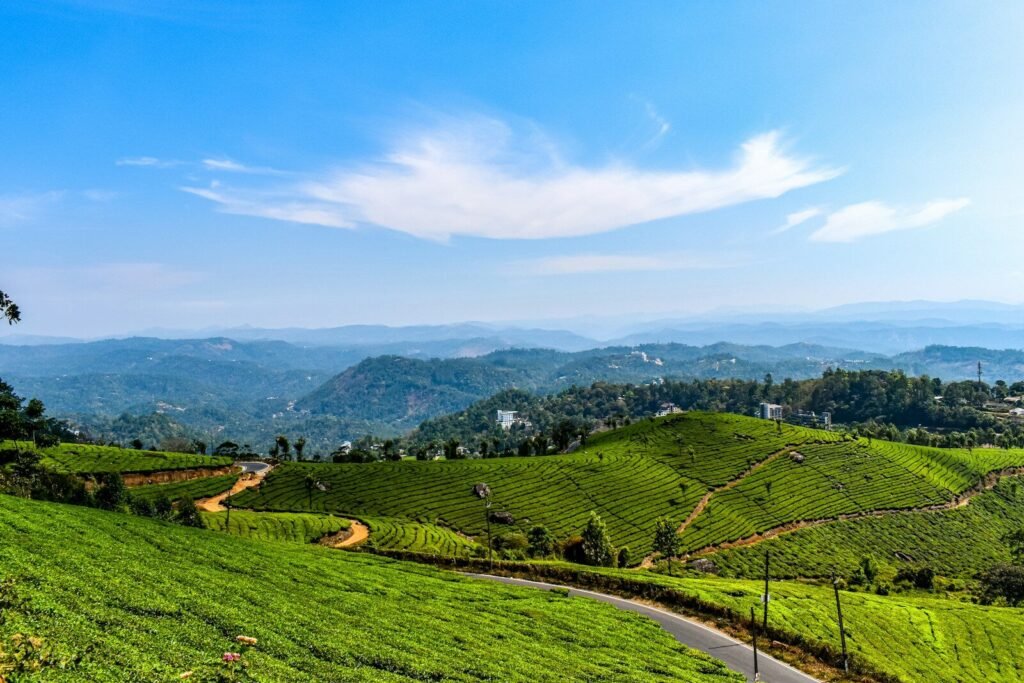
In the Thekkady area, these changes led to extensive cardamom, pepper, clove, cinnamon, nutmeg and allied crop cultivation. Planter bungalows, estate roads, processing sheds, and terraced holdings became part of the hillscape. Over time, many smaller holders also adopted these crops, creating a mosaic of large estates and family-run plantations.
Spices and Agricultural Practices
Thekkady’s plantation economy focused on a set of spices suited to its climate—high humidity, well-distributed rainfall, and shaded understories in the Western Ghats:
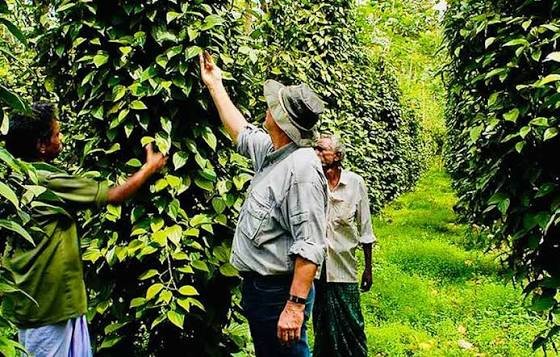
- Pepper (Piper nigrum): Often grown as a climber on shade trees or areca palms, pepper is a signature spice of the region.
- Cardamom (Elettaria and Amomum spp.): Known as the “Queen of Spices,” cardamom thrives in higher elevation estates and became a key cash crop.
- Cinnamon and Clove: Evergreen trees cultivated in pockets across estates.
- Nutmeg, Mace, and Vanilla: Grown in smaller quantities, often under mixed-crop systems.
Conservation and the Rise of Tourism
As forest areas adjacent to plantation lands gained recognition for their biodiversity, conservation initiatives began to influence land-use and public perception of the region. The protected area centered on Periyar Lake and adjoining forests became an important milestone in the area’s modern history.
Conservation efforts in the 20th century led to the protection of core forest areas, which in turn made the juxtaposition of lush spice gardens and wild evergreen forests a compelling attraction for visitors. As conservation areas developed rules for forest use, many estates and small-holders adapted by developing tourism-oriented services.
Thekkady emerged as a tourism hub because of this adjacency: tourists could experience wildlife and wilderness in the protected forests and then visit cultivated spice gardens to learn about the human-managed side of the landscape. The growth of nature-based tourism, beginning in the later decades of the 20th century, transformed many plantations into visitor-friendly sites offering guided tours, tastings, and stays.
How Spice Plantations Became Tourist Destinations
- Educational tours: Visitors are guided through spice gardens to see living specimens, learn about planting and harvesting cycles, and observe traditional processing techniques.
- Demonstrations and tastings: Estate visits often include demonstrations of spice curing (e.g., sun-drying cardamom), pepper processing, and tastings of fresh and processed spices.
- Cultural connections: Many plantation visits incorporate cookery demonstrations, sharing of local recipes, and storytelling about the region’s history and people.
- Accommodation experiences: Some estates offer homestays or converted bungalows where guests can spend nights amid the plantations.
Contemporary Tourism Offerings in Thekkady
The modern visitor to Thekkady typically experiences a blend of wildlife, waterfront activities, and immersive spice-focused tourism. Popular components include:
Typical Visitor Activities
- Spice garden walks: Guided walks through plantations with botanical explanations and sensory engagement (touching, smelling, tasting).
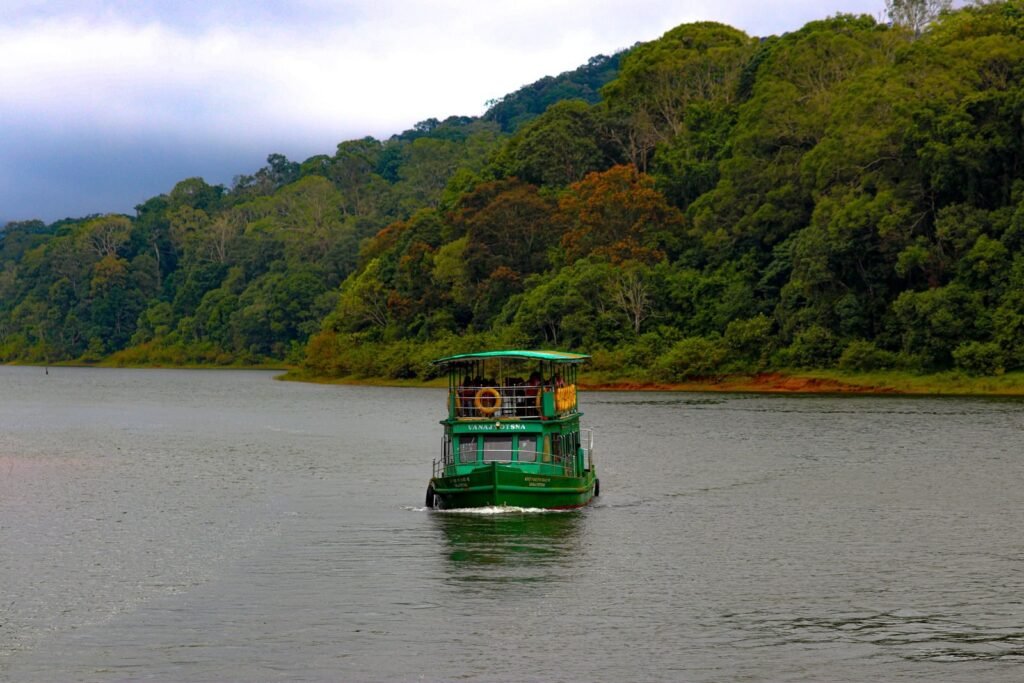
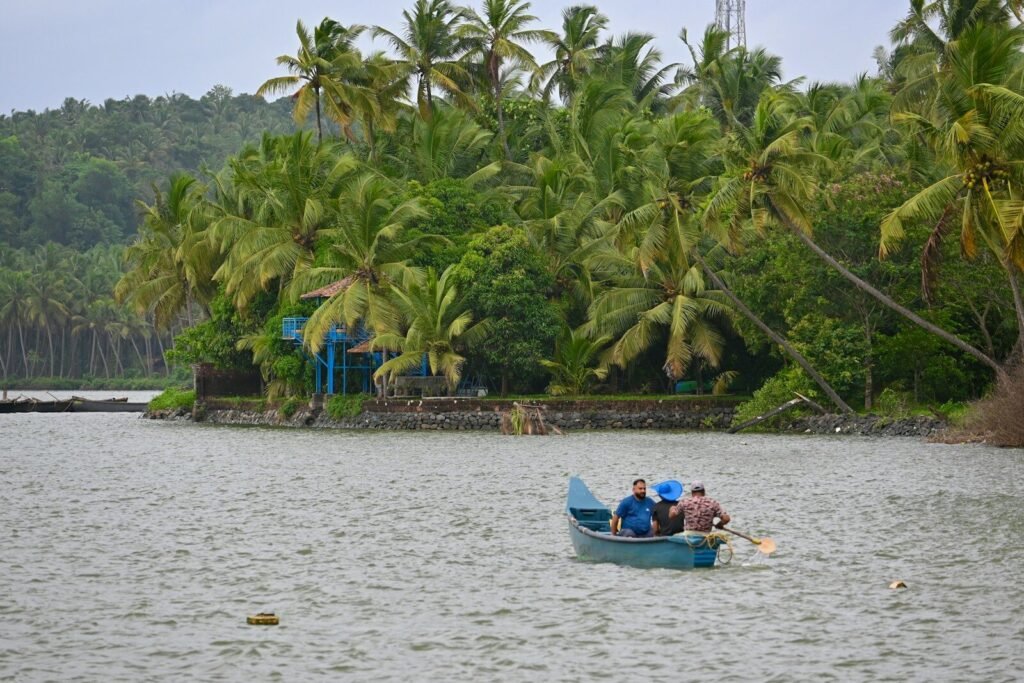
- Boat rides and wildlife viewing: Boat safaris on Periyar Lake or nature walks in buffer forests—pairing wildlife viewing with spice-plantation visits.
- Local markets (Kumily): Buying processed spices, masala blends, and handicrafts; opportunity to observe local trade networks that evolved from plantation economies.
- Culinary experiences: Cooking classes focusing on Keralan spice usage and traditional methods.
- Ethno-botanical interpretation: Workshops on traditional medicine, uses of spices beyond cuisine, and biodiversity of the Western Ghats.
Interpretation and Storytelling
Many estate hosts and local guides emphasize storytelling—tying each spice to trade history, cultivation lore, and local traditions. This interpretive layer enriches the tourism experience and connects visitors to the long human history of the land.
Social and Economic Impacts
The transition of plantations from purely production landscapes to tourism destinations has mixed consequences:
- Livelihood diversification: Tourism creates alternative income streams for estate workers, smallholders, and local entrepreneurs (guiding, homestays, retail).
- Cultural revitalization: Growing tourist interest in traditional knowledge can incentivize the preservation of processing methods and craft traditions.
- Land-use pressures: Increased tourism infrastructure may compete with agricultural land or sensitive habitats if not managed carefully.
- Market effects: Direct tourist sales of spices and experiences can increase returns to producers, but also introduce middlemen and price pressures.
Conservation, Sustainability, and Responsible Tourism
Given Thekkady’s ecological significance, sustainable practices are crucial. Responsible tourism models emerging in the region emphasize:
- Community participation: Ensuring that local communities and smallholders share benefits from tourism revenue.
- Low-impact operations: Limiting visitor numbers, providing boardwalks and guided routes to avoid habitat trampling, and encouraging low-energy accommodations.
- Fair trade and traceability: Promoting transparent supply chains so tourists buying spices can be confident of origin and fair returns to growers.
- Educational tourism: Using plantation visits as platforms for raising awareness about biodiversity, climate impacts on spices, and traditional agroecological knowledge.
Examples of Responsible Practices
- Guided tours led by trained local naturalists who also explain sustainable farm practices.
- Homestays and cooperative-run experiences that ensure earnings stay local.
- Certification or labeling of sustainably produced spices sold to visitors.
Challenges and the Road Ahead
The future of spice-plantation tourism around Thekkady will depend on how well multiple goals are balanced: conserving biodiversity, sustaining rural livelihoods, and providing meaningful visitor experiences. Key challenges include:
- Climate change: Shifts in rainfall and temperature can affect spice yields and plant health, altering the visual and productive landscape tourists come to see.
- Encroachment and habitat fragmentation: Expansion of plantations or tourism infrastructure into sensitive zones can threaten wildlife corridors and ecosystem integrity.
- Market volatility: Global price swings for spices impact local economies and investment in sustainable practices.
- Cultural commodification: There is a risk that cultural and traditional elements become staged for tourism without equitable benefit to local custodians.
Strategies for a Sustainable Future
- Integrating conservation planning with community development to align plantation tourism with habitat protection.
- Supporting agroforestry and mixed-crop systems that maintain greater biodiversity than monocultures.
- Training local guides and entrepreneurs in sustainable hospitality and interpretation techniques.
- Promoting visitor education so tourism contributes to conservation funding and respectful behavior.
Practical Tips for Visitors
For travelers planning to visit spice plantations in Thekkady:
- Choose certified or community-run tours where possible—these often return more benefits to locals and are better regulated for sustainability.
- Dress and behave respectfully on estates—many are working agricultural spaces with cultural sensitivities.
- Buy responsibly: Look for clear labeling, ask about origin, and prefer whole spices rather than dubious packaged mixes.
- Combine experiences: Pair a plantation visit with a boat ride on Periyar Lake or a guided nature walk to understand both cultivated and wild landscapes.
- Visit in season: Timing visits during harvest or processing windows (ask local operators) yields the most illustrative experiences.
Conclusion
The spice plantations around Thekkady are historical landscapes—places where centuries of trade, colonial-era plantation development, local agricultural innovation, and modern conservation have intersected. As tourism has grown, these plantations have evolved into interpretive spaces that tell stories of ecology, culture, and economy. If managed thoughtfully, spice-plantation tourism can continue to support rural livelihoods, preserve traditional knowledge, and deepen visitors’ appreciation for the complex history of the Malabar highlands. The challenge and opportunity lie in ensuring that tourism nurtures both people and the natural world that sustained spice production for generations.