Best Time to Visit Cochin (Kochi), Kerala — A Tourism Guide
Quick overview
Best overall time: December to February — cool, dry, festival season, ideal for sightseeing, backwaters and beaches.
Good alternatives: October–November (post‑monsoon, lush scenery, fewer crowds) and June–September for Ayurvedic/monsoon experiences.
What to expect: tropical coastal weather with high humidity, heavy monsoon rains (June–September), and a warm, pleasant winter.
Why season matters for visitors
Cochin (Kochi) sits on the southwest coast of India and is a cultural, historical and commercial hub for Kerala tourism. The season influences:
- Weather comfort: cooler, drier months make walking Fort Kochi, exploring Mattancherry Palace and strolling Marine Drive much more pleasant.
- Activities available: houseboats, island and beach visits, ferry rides and water activities are easier in the dry season; monsoon changes accessibility but enhances wellness experiences.
- Cultural calendar: festivals, fairs and the biennale (when on) fall in particular months and can be the main reason to plan travel.
- Prices and crowds: peak season (Dec–Jan) brings higher rates and more tourists; monsoon months usually mean lower prices and quieter attractions.
Seasonal breakdown
December – February (Winter) — Best time for most tourists
Weather: Pleasant, mornings/evenings cool, daytime temperatures around 24–32°C (75–90°F), low rainfall and lower humidity relative to other months.
Why visit: Perfect for sightseeing, beach time, backwaters and day trips to nearby hill stations and waterfalls. Festival and cultural events are common; Fort Kochi and the waterfront look lively.
Tip: Book accommodation and popular activities (houseboats, guided walks) well in advance for December and New Year.
October – November (Post‑monsoon / Early winter) — Great alternative
Weather: Reduced rainfall, landscape is brilliantly green after the monsoon, temperatures cooling down from the humid monsoon months.
Why visit: Fewer crowds than peak winter, attractive pricing, ideal for photography and relaxed sightseeing. The Kochi‑Muziris Biennale often runs in this period (check the schedule in Biennale years).
Tip: Expect occasional showers but mostly clear skies; pack a light rain jacket just in case.
June – September (Monsoon) — For Ayurveda, lush landscapes and low prices
Weather: Heavy southwest monsoon bringing frequent, sometimes intense rain. High humidity and occasional flooding in low‑lying areas.
Why visit: This is the best time for traditional Ayurvedic treatments and rejuvenation programs — Kerala’s therapies are considered most effective during the monsoon. Also ideal if you prefer quiet attractions and discounted hotels.
Considerations: Beaches and some outdoor excursions are less pleasant; ferry schedules can be disrupted. If you love dramatic green landscapes and don’t mind rain, it’s rewarding.
March – May (Summer / Pre‑monsoon) — Hot, humid, fewer tourists
Weather: Hot and humid, temperatures often reach mid‑30s°C (90s°F) with sticky humidity and increasing pre‑monsoon showers towards May.
Why visit: Fewer tourists and lower prices. Good for indoor cultural experiences, museum visits and short day trips if you can handle heat.
Tip: Plan outdoor activities in the early morning or late afternoon and stay hydrated.
Month‑by‑month quick guide
- January: Peak season; best weather; New Year activities and lively Fort Kochi.
- February: Excellent climate; quieter than December/January but equally pleasant.
- March–May: Hotter days; fewer crowds and discounts; good for museum/cafe culture.
- June–September: Monsoon; fantastic for Ayurvedic packages and off‑season rates; gardens and backwaters at their greenest.
- August–September: Onam (state festival) usually falls here — culturally rich but rainy.
- October–November: Lush post‑monsoon scenery; Kochi‑Muziris Biennale (in biennale years); comfortable touring weather.
- December: Peak tourist season, fort and waterfront buzz; Cochin Carnival and New Year festivities in Fort Kochi.
Festivals and events to time your visit
- Onam (usually Aug–Sep): Kerala’s biggest festival — spectacular cultural programs, floral carpets (pookalam), boat races and traditional food. Expect rain but an authentic local experience.
- Cochin Carnival (end of December – early January): Celebrations, parades, music and fireworks in Fort Kochi around New Year.
- Kochi‑Muziris Biennale (biennial; typically Dec–Mar): Contemporary art exhibition across venues — a major draw in Biennale years.
- Christmas and New Year: Fort Kochi and the city are festive with lights, church services and markets — a lively period for visitors.
Where seasonality affects travel in and around Cochin
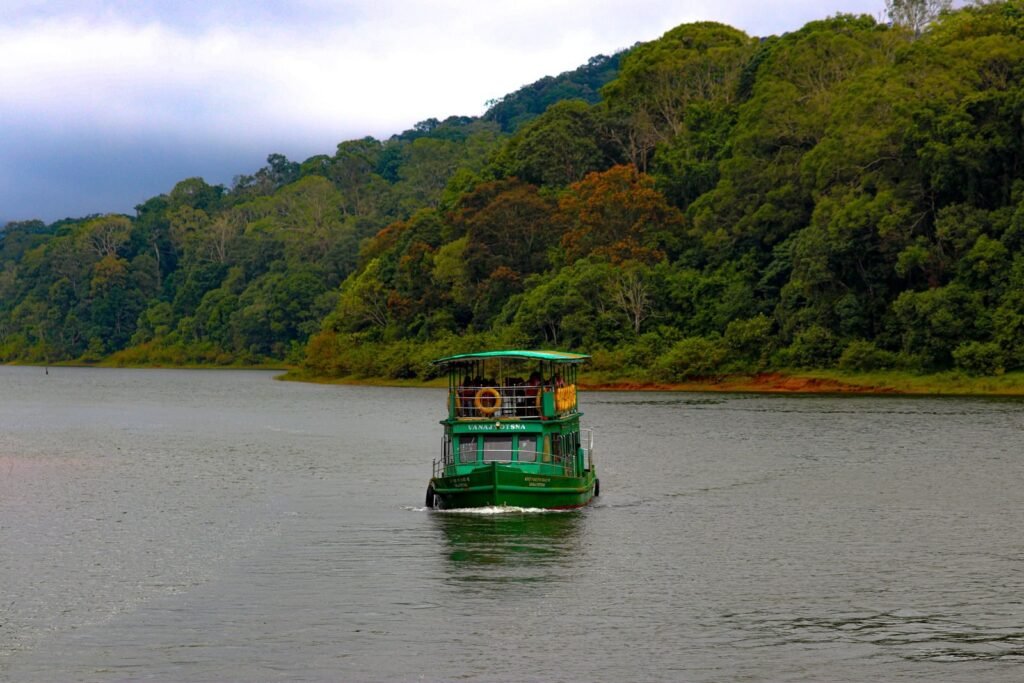
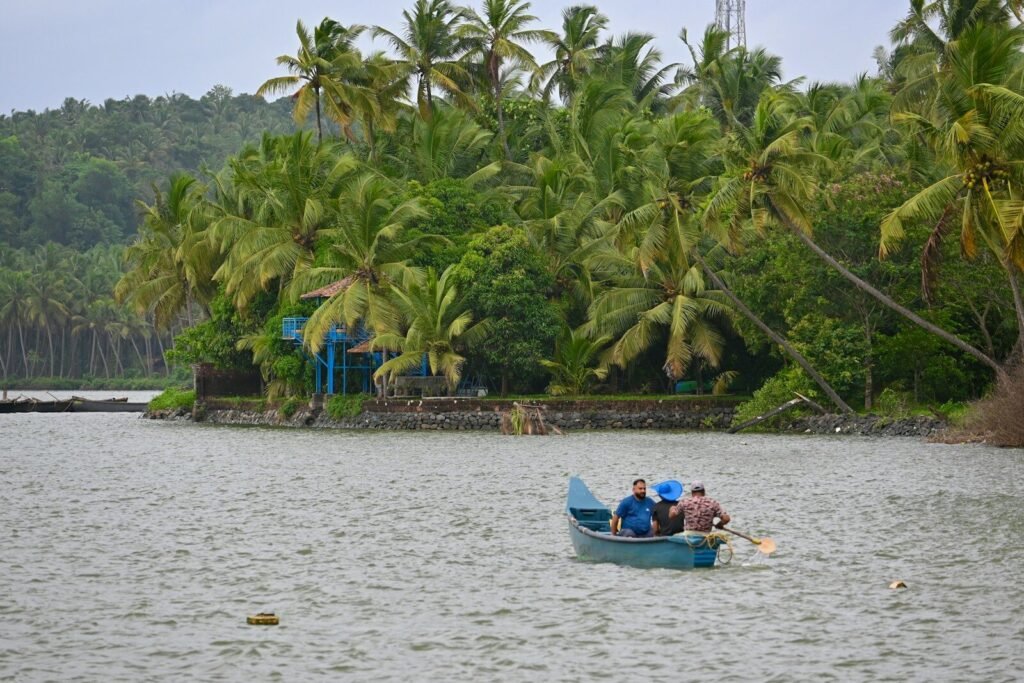
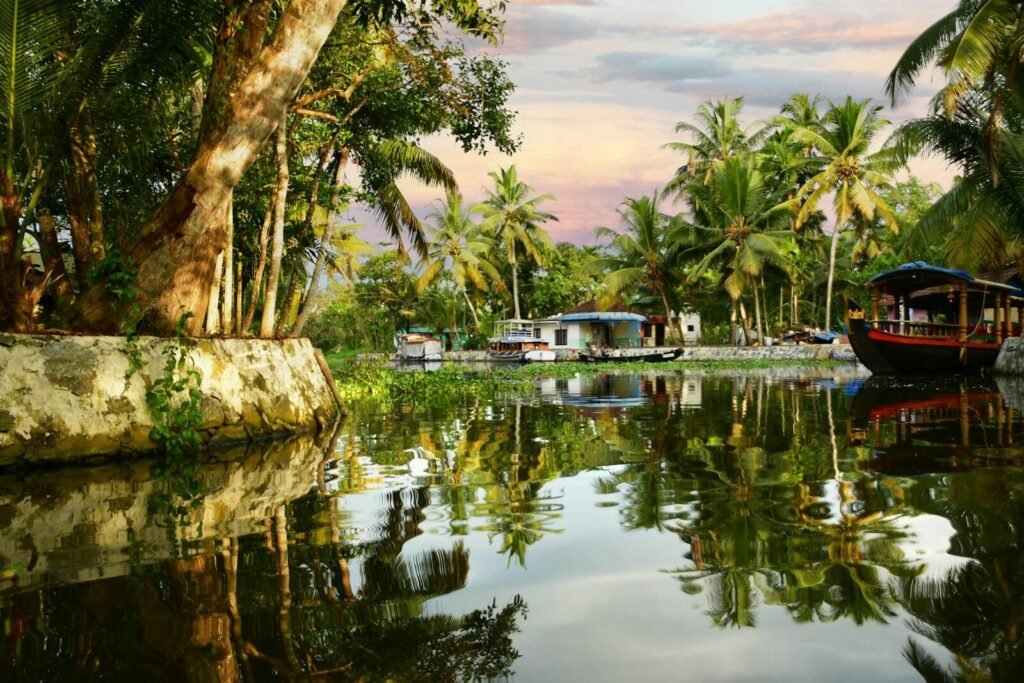
- Backwaters / Houseboats: Best in dry months (Dec–Feb, Oct–Nov). During monsoon, houseboat rides are pleasurable for the dramatic scenery but bookings and routes may change.
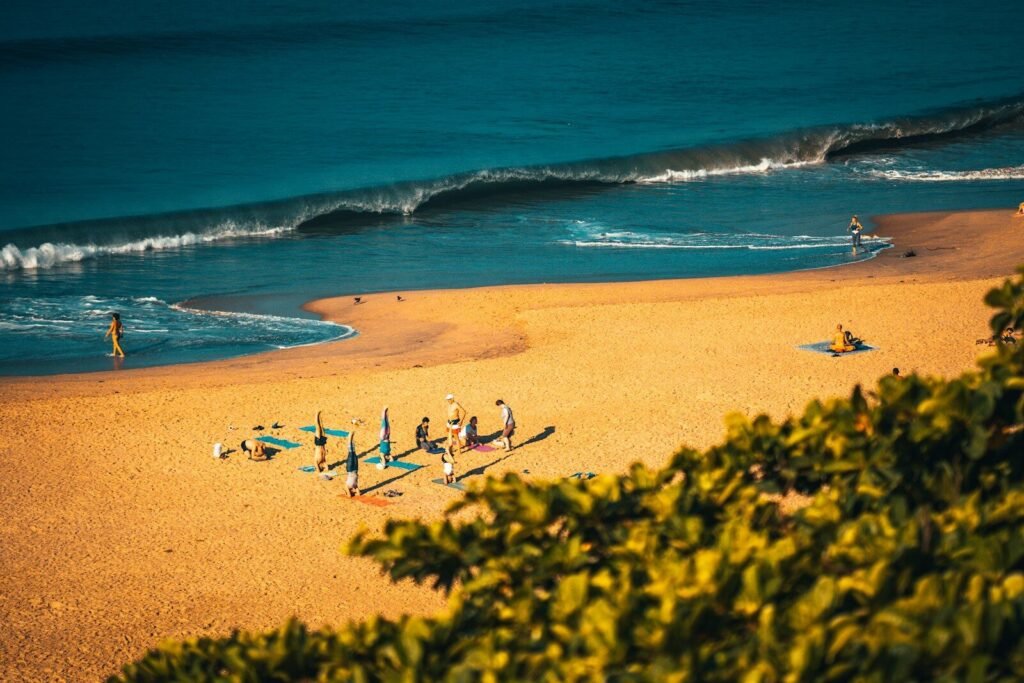
- Beaches (Cherai, Vypin): Safe and enjoyable in winter; rougher seas and stronger currents during monsoon — avoid swimming then.
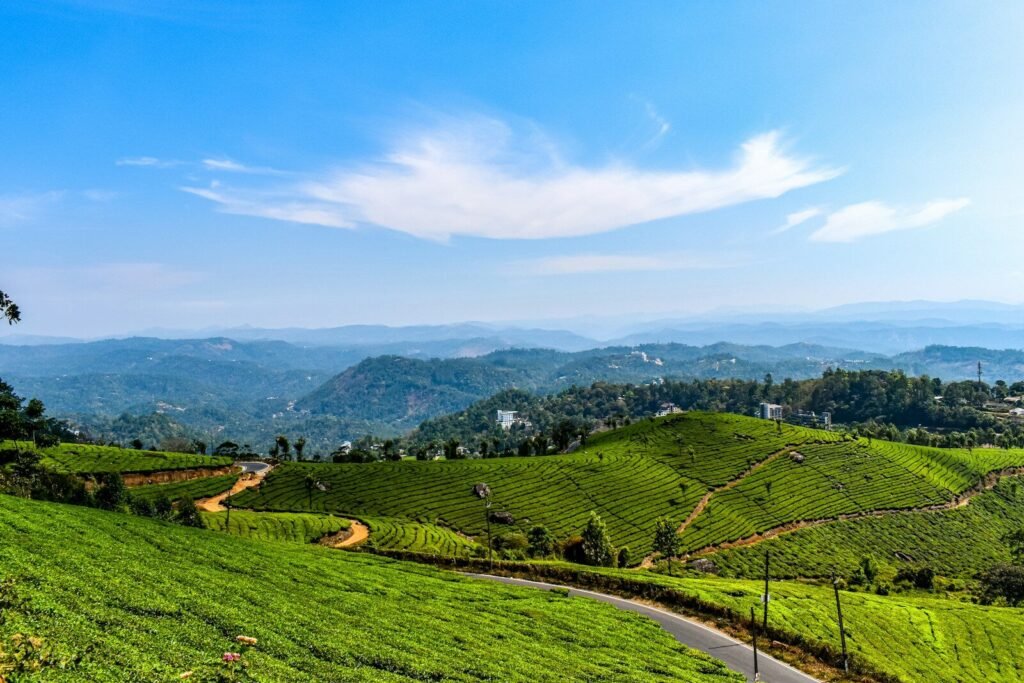
- Day trips to Munnar/Alleppey/Athirapally: Munnar (hill station) is pleasant Dec–Feb; waterfalls like Athirapally can be spectacular in monsoon but trails may be slippery.
Practical tips by season
For December–February visitors
- Book hotels and houseboats early for holiday periods.
- Pack light layers, comfortable walking shoes, a hat and sunscreen.
- Expect crowds in Fort Kochi; arrive early to popular sights to avoid the rush.
For October–November visitors
- Ideal for photographers — bring rain protection and a quick‑dry jacket.
- Check art and festival calendars in advance (Biennale years, local events).
For monsoon (June–September) visitors
- Book reputable Ayurvedic centers if visiting for treatments; monsoon packages are often discounted.
- Carry waterproof luggage or dry bags for electronics and important documents.
- Expect limited ferry schedules and occasional road slowdowns from heavy rains.
For March–May visitors
- Bring sun protection, electrolytes, and lightweight breathable clothing.
- Plan outdoor activities for mornings or evenings to avoid midday heat.
Packing checklist (season‑adjusted)
- Year‑round essentials: light cotton clothes, comfortable sandals, sunblock, insect repellent, reusable water bottle, photocopies of travel documents.
- Winter (Dec–Feb): a light sweater for evenings, closed shoes for walks.
- Monsoon (Jun–Sep): waterproof jacket/umbrella, quick‑dry clothes, water‑resistant bag for electronics.
- Summer (Mar–May): sunhat, sunglasses, electrolyte powders, fast‑dry clothing.
Safety, health and booking tips
- Health: High humidity and warmth can increase mosquito activity; use repellent and preventive measures. Drink bottled or filtered water if unsure of local supplies.
- Transport: Ferries and local buses are convenient; prebook airport transfers and long‑distance trains/buses during peak season.
- Money and bookings: Peak season (Dec–Jan) sees higher rates—compare prices and book a few months ahead for the best options.
Suggested itineraries depending on time and season
48 hours in Cochin (Best in Dec–Feb or Oct–Nov)
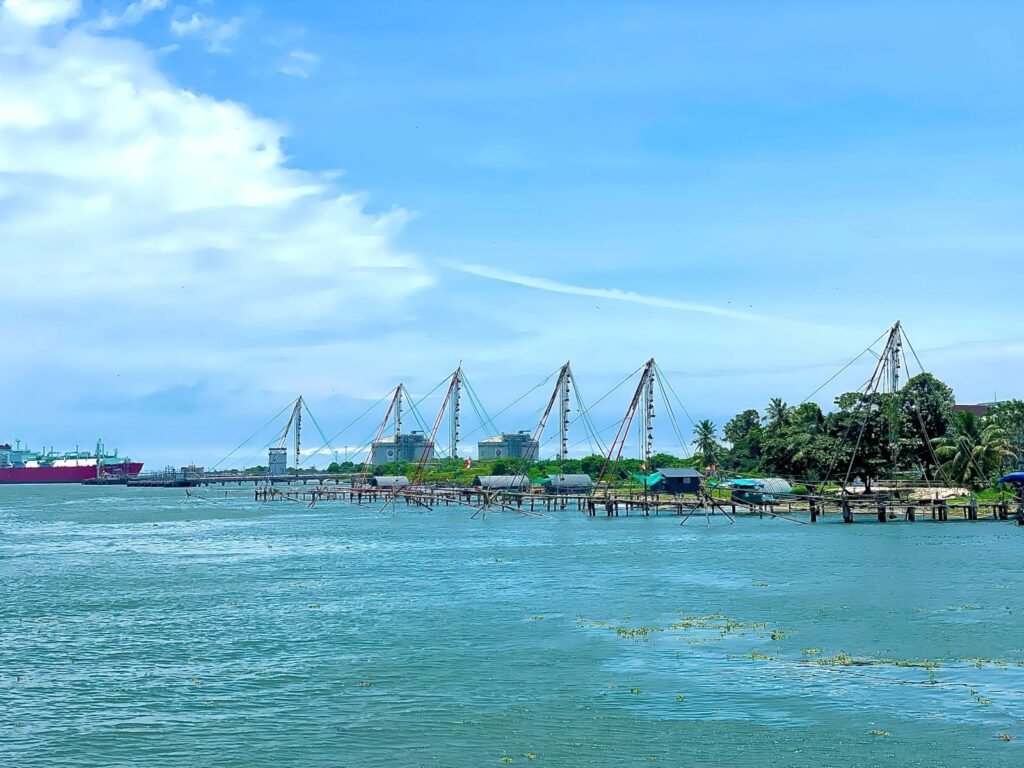
- Day 1: Fort Kochi — St. Francis Church, Chinese fishing nets at sunset, local cafes, and the Fort Kochi promenade.
- Day 2: Mattancherry — Dutch Palace (Mattancherry Palace), Jewish Synagogue, spice market, followed by a sunset boat ride in the backwaters.
3–5 days (recommended in winter or post‑monsoon)
- Include a day trip to Cherai Beach or Vypin, a half‑day visit to Bolgatty Island, and an overnight houseboat experience in the nearby backwaters (Alleppey or local options).
- Add a day trip to Athirapally Falls or a transfer to Munnar for hill station breaks if you have more time.
Monsoon wellness escape (3–7 days)
- Stay at an Ayurvedic retreat or wellness center; follow recommended treatment plans, relax, and enjoy steamed, nutritious cuisine typical of Kerala’s monsoon diet.
Final recommendation
If you want the broadest range of activities, the most comfortable weather and a lively cultural atmosphere, plan your trip to Cochin between December and February. If you prefer fewer crowds, lush green landscapes and lower costs, October–November is an excellent alternative. For a specialized monsoon/Ayurveda experience, June–September is ideal.
Whatever season you choose, Cochin’s rich history, vibrant food scene, scenic waterfronts and warm hospitality make it a rewarding destination year‑round — just align your itinerary with the seasonal strengths described above.