Cochin (Kochi): A Historical Gateway to Kerala’s Tourism
Cochin — popularly known today as Kochi — occupies a unique place in India’s maritime history. Positioned on the south-west coast of the Indian peninsula, its natural harbour and strategic location made it the focal point of centuries of trade, cultural exchange and colonial competition. For the modern traveller, Cochin offers a compact, walkable encounter with India’s global past: colonial forts and churches, spice bazaars and synagogues, Chinese fishing nets and contemporary art biennales — all threaded together by waterways that continue to shape local life and tourism.
Ancient and Medieval Origins: The Spice Port
Long before European arrival, the coast around present-day Kochi formed part of a broad maritime network that linked South India with the Roman Empire, the Arabian Peninsula, East Africa and Southeast Asia. Ancient ports such as Muziris (near modern Kodungallur) are frequently mentioned in classical sources; pepper, cinnamon and other spices were prized commodities that drew merchants from across the Indian Ocean.
- International merchants: Arabs, Jews and Chinese traders established trading links and small communities along Kerala’s coast, contributing to Cochin’s multicultural character.
- Local polity: The rulers of the Chera and later regional kingdoms exercised control of trade by supporting and taxing seaborne commerce, which kept the region prosperous and cosmopolitan.
The Portuguese, Dutch and British — Colonial Layers
Portuguese Era (early 16th century onwards)
European involvement began in the late 15th and early 16th centuries when Portuguese and other European seafarers sought direct access to India’s spice markets. The Portuguese established trading posts along the Malabar Coast and formed a political alliance with the Raja of Cochin. They constructed forts and churches, leaving an enduring architectural and cultural imprint on Fort Kochi and Mattancherry.
Dutch Interlude (17th–18th centuries)
The Dutch East India Company displaced the Portuguese in the 17th century. The Dutch period introduced new administrative practices and trade networks and left behind monuments and place names still visible around Mattancherry and Fort Kochi.
British Influence and Modernization (19th–20th centuries)
By the 19th century, British commercial and naval dominance reshaped the region. Kochi’s role as a trading and administrative centre adapted to the modern economy. The British-era reclamation projects and the creation of islands and docks (including Willingdon Island) transformed the physical landscape and created the infrastructure that supports today’s port and shipping activities.
Religious and Cultural Mosaic
A distinctive feature of Cochin is the coexistence of diverse religious and ethnic communities over centuries. This pluralism is visible in the city’s architecture, festivals and neighbourhoods.
- Jewish heritage: The Paradesi Synagogue in Mattancherry (built in the 16th century) is one of the oldest active synagogues in the Commonwealth and stands beside the historic Jewish quarter known as Jew Town.
- Christian landmarks: St. Francis Church (one of India’s earliest European churches), Santa Cruz Basilica and many colonial churches reflect layers of European ecclesiastical architecture. St. Francis Church was the original burial site of the explorer Vasco da Gama.
- Muslim and Syrian Christian communities: Centuries of Arab trade contributed to an enduring Muslim presence; the ancient St. Thomas Christian communities have churches and traditions that predate European arrival.
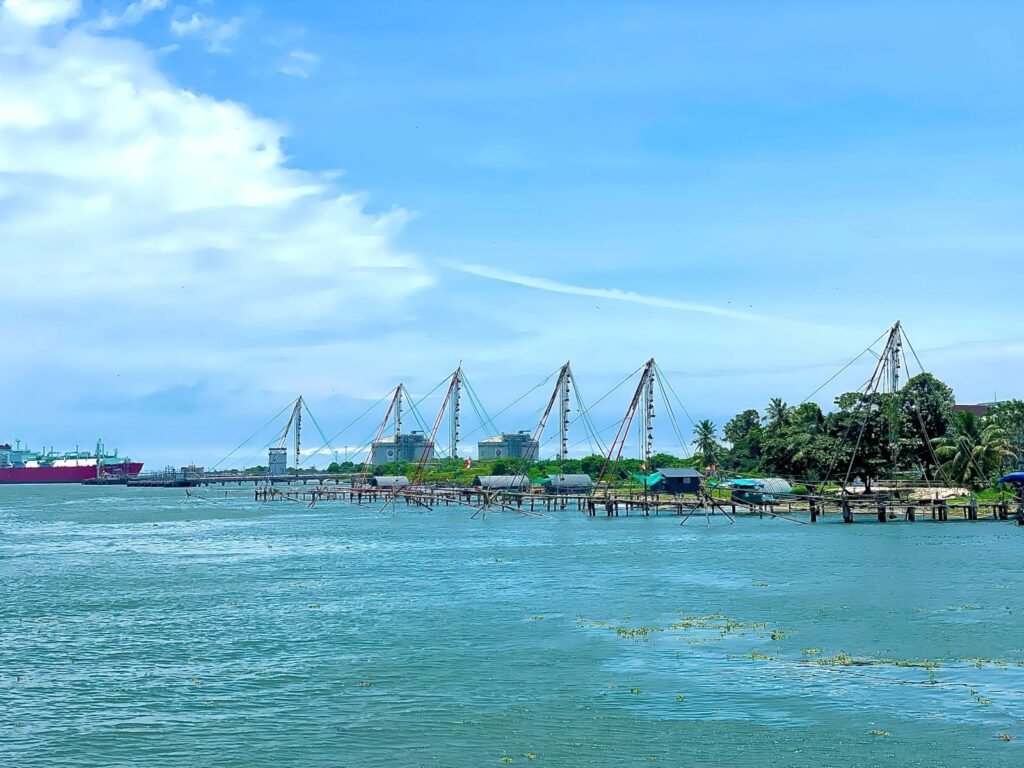
- Chinese influence: The iconic Chinese fishing nets (cheena vala) along Fort Kochi’s shores recall centuries-old contacts with Chinese seafarers.
Key Historical Sites and Tourist Attractions
Cochin’s historical sites form the backbone of its tourism offer. Many of these are concentrated in Fort Kochi, Mattancherry and the adjacent islands, making them ideal for short heritage circuits.
- Fort Kochi: Cobblestone lanes, colonial bungalows, cafés and the Chinese fishing nets create a picturesque heritage precinct.
- Mattancherry Palace (Dutch Palace): Notable for its traditional Kerala-style architecture and extensive murals depicting Hindu epics and the history of the Cochin royal family.
- Paradesi Synagogue and Jew Town: Historic synagogue interiors, antique shops and spice stalls set in an atmospheric quarter.
- St. Francis Church: One of the earliest European churches in India and an important site in Goa–Kochi maritime history.
- Willingdon Island and Cochin Port: A man-made island created during the British period that houses shipping infrastructure, the port, and some of the city’s major hotels.
- Bolgatty Palace: A Dutch-built palace on Bolgatty Island, now a heritage hotel, offering a glimpse into colonial plantation-era life.
- Dutch Cemetery: A reminder of the European presence and the changing tides of colonial power.
- Kochi-Muziris Biennale venues: Contemporary art exhibits and installations staged across Fort Kochi and surrounding areas draw international visitors and connect the city’s history with global contemporary culture.
Heritage Tourism Experiences
Cochin allows visitors to combine history with immersive experiences. Some popular heritage-focused activities include:
- Guided heritage walks: Walk through Fort Kochi’s lanes and Mattancherry’s bazaars with interpreters who explain colonial architecture, syncretic communities and maritime history.
- Spice and bazaar tours: Visit the spice markets, learn about spice processing and sample the flavours that once drove global commerce.
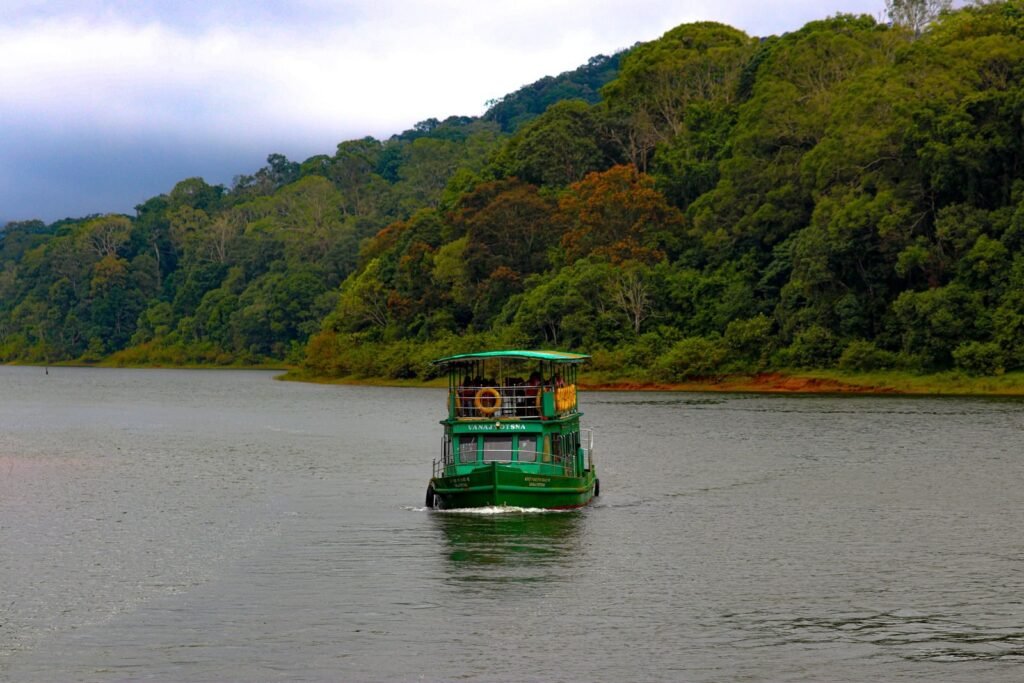
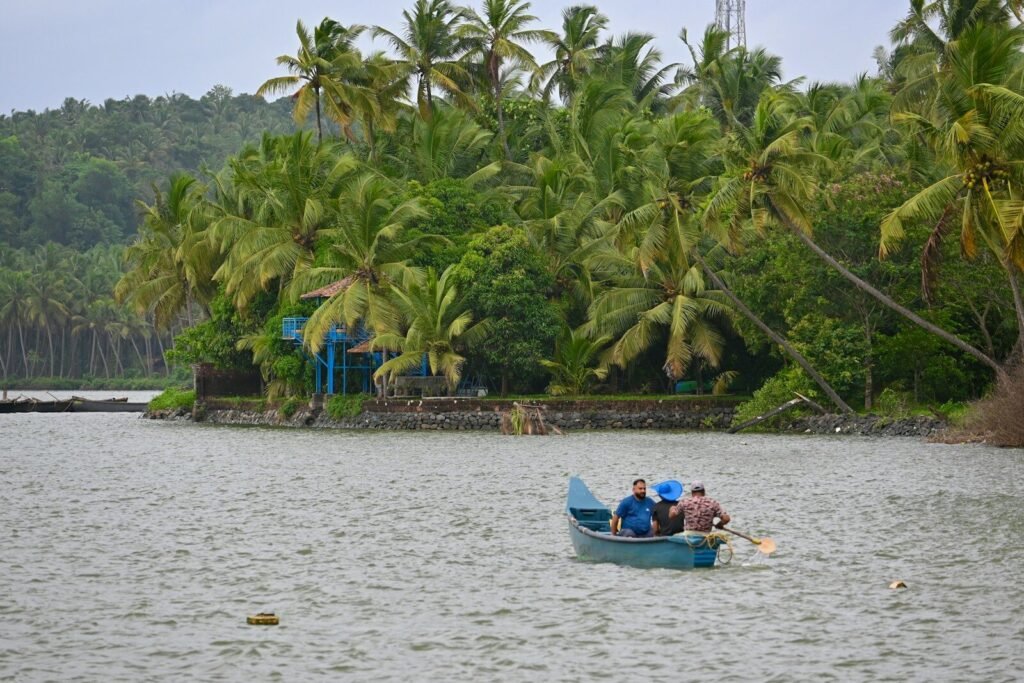
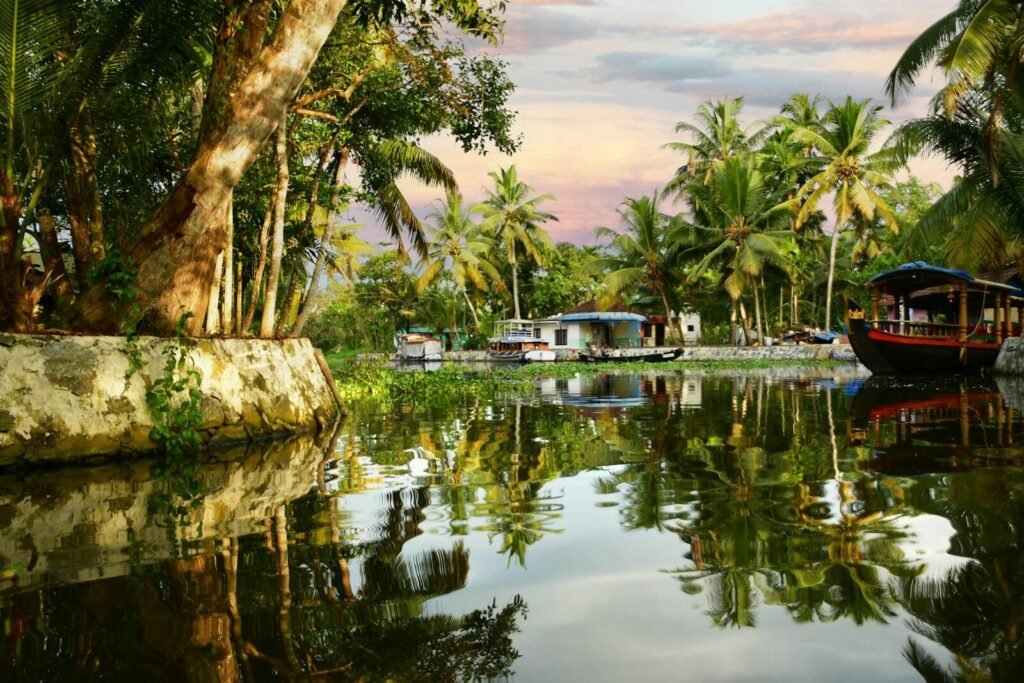
- Backwater and harbour cruises: Short cruises on Vembanad Lake and the Kochi backwaters connect the historic port with the broader aquatic landscape of Kerala.
- Cultural performances: Kathakali (classical dance-drama), traditional percussion (chenda melam), and Theyyam performances offer living links to regional traditions.
- Art and contemporary culture: The Kochi-Muziris Biennale and local galleries have turned Fort Kochi into a global contemporary-art destination, juxtaposing modern art with colonial settings.
Suggested Short Itineraries
- One-day heritage walk: Fort Kochi (Chinese nets, Santa Cruz Basilica) → Mattancherry (Dutch Palace, Paradesi Synagogue, Jew Town) → Sunset at the Fort Kochi beach.
- Two-day cultural combo: Day 1: Fort Kochi and Mattancherry; Day 2: Willingdon Island/port tour, Kochi-Muziris Biennale (if running) and an evening Kathakali show.
- Three-day deeper dive: Include a backwater cruise, a day trip to nearby historic Kodungallur (Muziris heritage sites) and culinary/spice workshops.
Festivals, Events and Living Culture
Cochin’s calendar is rich in cultural events that attract both domestic and international tourists:
- Kochi-Muziris Biennale: A major international contemporary art exhibition held periodically in Fort Kochi and other venues — a key draw for art tourists.
- Cochin Carnival and local festivals: Seasonal celebrations, temple festivals, and Christian feasts offer colour and ritual spectacle.
- Onam: The pan-Kerala harvest festival celebrated with traditional food, dance and boat races, widely observed in Cochin as elsewhere in Kerala.
Practicalities for Tourists
Best time to visit
The most comfortable months for tourism are typically October through February, when the weather is milder and outdoor exploration is pleasant. The monsoon season (June–September) brings heavy rains that transform the landscape and are themselves attractive to some visitors interested in greener scenery and quieter heritage sites.
Getting there and around
- By air: Cochin International Airport (Nedumbassery) is the main gateway; notable for early adoption of large-scale solar power on its premises.
- By rail and road: Ernakulam Junction and Ernakulam Town connect Cochin with India’s rail network. Good road connections link Cochin to other major Kerala destinations.
- Local transport: Ferries and water taxis remain practical and scenic ways to move between islands; auto-rickshaws, taxis and city buses serve urban routes.
Accommodation and cuisine
Accommodation ranges from boutique heritage homestays in Fort Kochi to luxury hotels on Willingdon Island and modern chains in Ernakulam. The food scene combines fresh seafood and traditional Kerala cuisine (appam, stew, fish curry, karimeen pollichathu) with international dining options.
Conservation, Community and Responsible Tourism
As tourism grows, conservation and community involvement have become essential to preserving Cochin’s historic fabric. Heritage restoration projects, community-led walking tours, and the adaptive reuse of colonial buildings as museums, cafés and boutique hotels are positive trends — but they require careful management to avoid over-commercialization and to ensure benefits reach local residents.
- Heritage preservation: Efforts are underway to restore key monuments and conserve architectural character in Fort Kochi and Mattancherry.
- Community engagement: Responsible tourism initiatives encourage local crafts, performances and small businesses, helping maintain living culture.
- Visitor impact: Tourists are encouraged to respect religious sites, dispose of waste responsibly and choose locally-run experiences to support the economy.
Conclusion
Cochin’s appeal as a tourism destination lies in the layering of history — ancient trade networks, a multi-faith social tapestry, European colonial legacies and contemporary cultural renewal. For the visitor, it offers both tangible monuments and living traditions: a compact, walkable historic core where maritime history meets art, cuisine and vibrant street life. When experienced with curiosity and respect, Cochin provides a richly rewarding window into Kerala’s past and present.
Quick Visitor Checklist
- Must-see: Fort Kochi, Mattancherry Palace, Paradesi Synagogue, St. Francis Church, Chinese fishing nets.
- Best time: October–February.
- Don’t miss: Kochi-Muziris Biennale (when on), a Kathakali performance and a short backwater cruise.
- Respect: Dress modestly at religious sites and support local guides and artisans.