FAQs about Cochin (Kochi), Kerala — A Practical Tourism Guide
This article answers the most frequently asked questions about visiting Cochin (locally known as Kochi) in Kerala, India. It covers how to get there, what to see and do, safety and health tips, food, shopping, suggested itineraries, and practical travel advice to help you plan a smooth and enjoyable trip.
Quick Overview
Kochi is a historic port city on India’s southwest coast rich in colonial-era sites, spice-trade history, backwater access, and a vibrant arts and food scene. It makes an excellent base for short Kerala itineraries (backwaters, beaches, and hill stations).
General FAQs
Q: When is the best time to visit Kochi?
A: The most pleasant months are October to March — cooler, dry, and ideal for sightseeing. April to June is hot and humid; July to September is the monsoon season with heavy rains, lush scenery and fewer tourists. If you enjoy festivals and cultural events, plan around major Kerala festivals (Onam, Vishu) or local events like Kochi-Muziris Biennale (when it is on).
Q: How do I reach Kochi?
A: Kochi is well connected:
- By air: Cochin International Airport (COK) at Nedumbassery — about 30–45 minutes from Ernakulam/Fort Kochi depending on traffic. Many domestic and international flights operate.
- By train: Ernakulam Junction (South) and Ernakulam Town are major stations. Other stations include Aluva and Fort Kochi’s nearby lines.
- By road: Regular buses (state and private) and taxis connect Kochi to nearby cities. National and state highways make road travel straightforward.
Q: Which neighborhood is best to stay in?
A: Choice depends on your priorities:
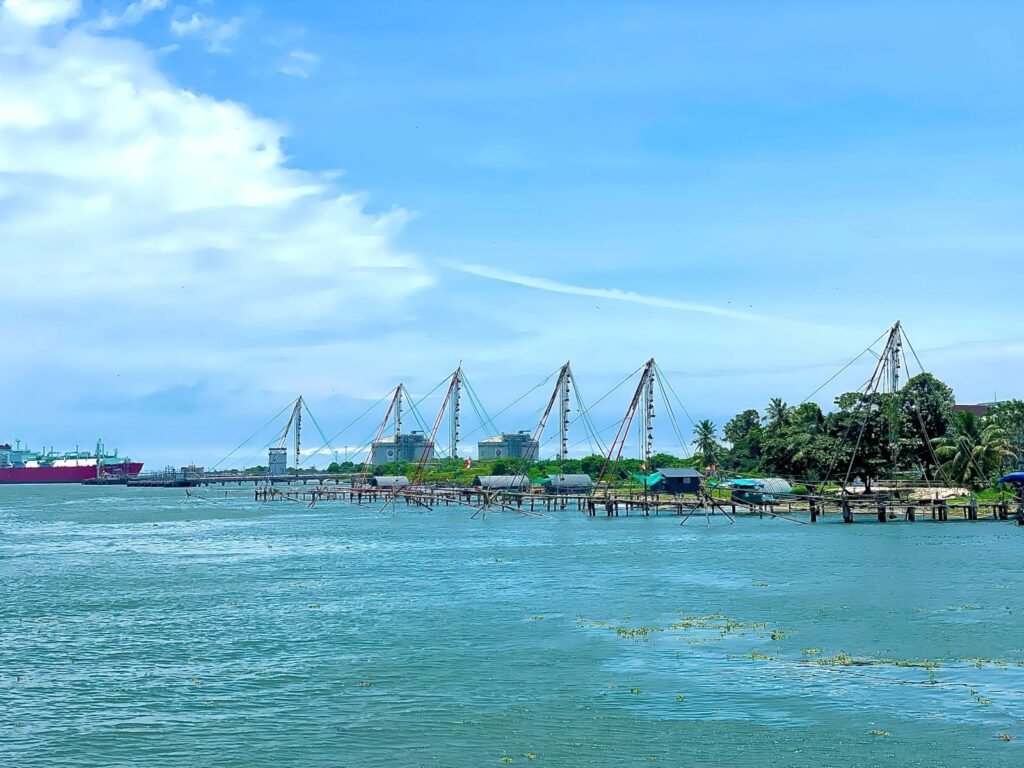
- Fort Kochi / Mattancherry: Best for heritage hotels, walking, colonial charm, art cafes, and proximity to attractions (Chinese fishing nets, Jewish Synagogue, Dutch Palace).
- Ernakulam / Marine Drive: More modern, business hotels, shopping, nightlife, and good transport links.
- Willingdon Island / Kochi Port area: Quieter, good for business travelers and boat access.
- Cherai Beach / Vypin: If you want beach proximity but still within reach of the city.
Sightseeing & Activities
Q: What are the must-see attractions in Kochi?
A: Highlights include:
- Fort Kochi: Walkable area with colonial-era streets, cafes and seaside vistas.
- Mattancherry Palace (Dutch Palace): Traditional Kerala architecture and murals.
- Paradesi Synagogue: One of the oldest active synagogues in the Commonwealth — located in Jew Town.
- Chinese Fishing Nets: Iconic shore-mounted fishing nets at Fort Kochi.
- St. Francis Church: Oldest European church in India.
- Marine Drive and Rainbow Bridge: Evening promenade in Ernakulam.
- Bolgatty Palace and Island: Backwater views and historic architecture.
- Kerala Folklore Museum & Contemporary art spaces: For culture and art lovers.
Q: Can I do backwater trips from Kochi?
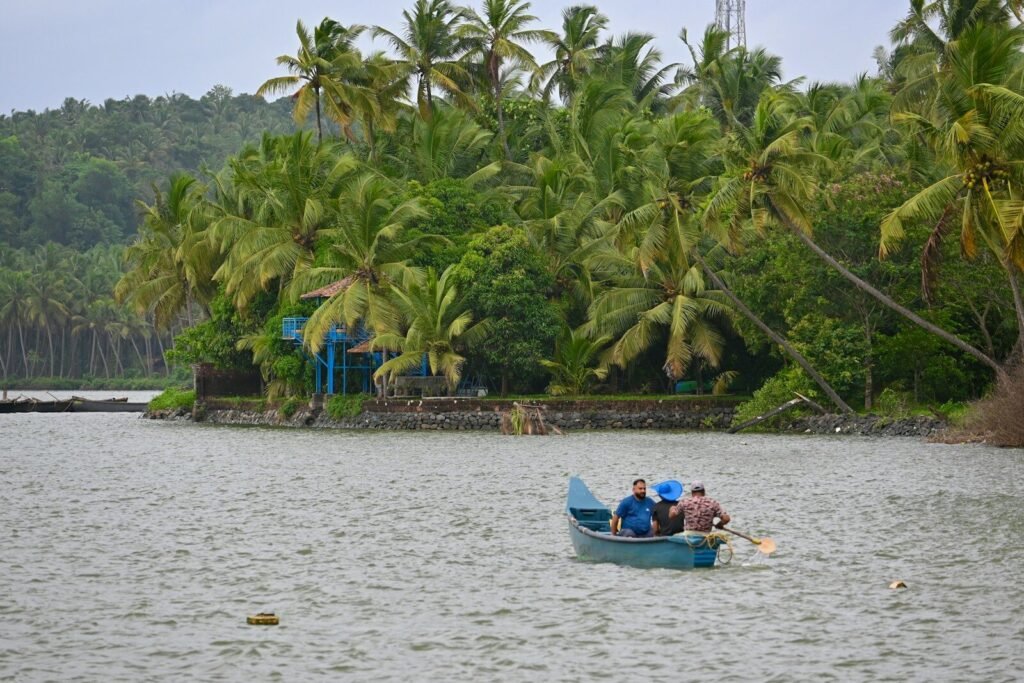
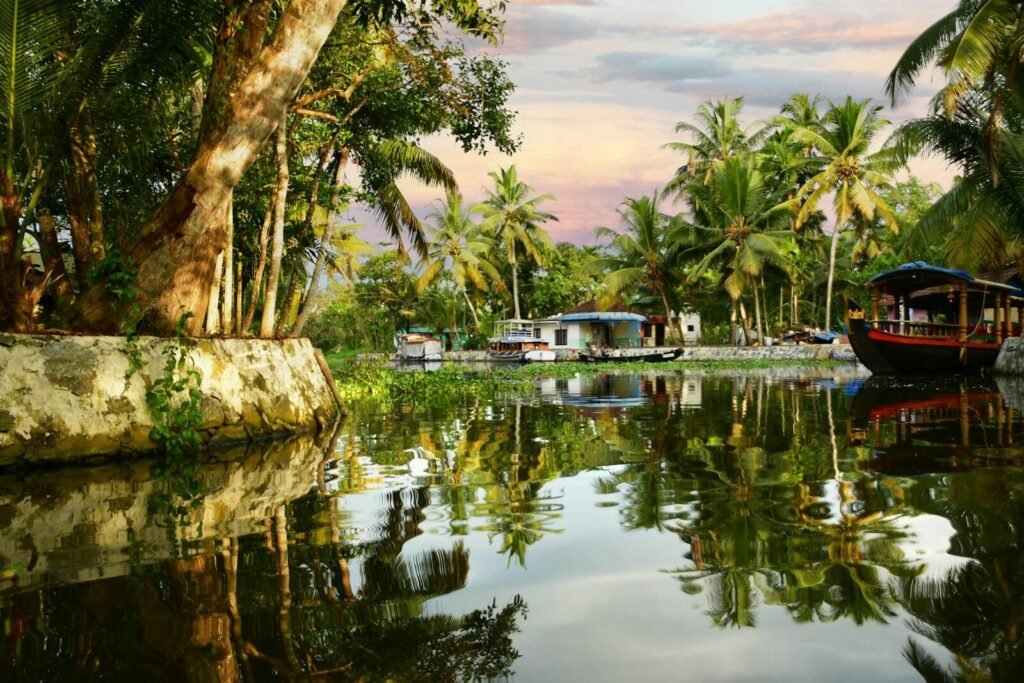
A: Yes. Kochi is a gateway to Kerala backwaters. You can take short houseboat day trips or full-day cruises around Vembanad Lake; Alleppey (Alappuzha) and Kumbalangi are easy day-trip options. For extended houseboat experiences, consider staying overnight in Alappuzha or nearby backwater villages.
Q: Are there cultural performances to watch?
A: Yes. Typical cultural experiences include Kathakali (classical dance-drama), Kalaripayattu (martial art demonstrations), traditional boat race displays (seasonal), and local music/dance events. Many venues in Fort Kochi and nearby cultural centers offer evening shows and workshops.
Food, Dining & Nightlife
Q: What should I eat in Kochi?
A: Kochi offers excellent seafood and classic Kerala dishes. Must-tries:
- Karimeen (Pearl Spot) Pollichathu — grilled fish in banana leaf (regional specialty).
- Appam and Stew — soft lacy rice pancakes with coconut-based stews.
- Meen Moilee — fish curry in a coconut milk base.
- Seafood curries, fried fish, prawn dishes at seaside restaurants.
- Spice-influenced street snacks and sweets like banana fritters (pazham pori) and payasam.
Q: Is it easy to find vegetarian food?
A: Yes. Kerala has many vegetarian options — dosas, idlis, thali meals, and South Indian restaurants. You’ll also find multi-cuisine restaurants and international options around tourist hubs.
Practicalities
Q: What about safety for tourists?
A: Kochi is generally considered safe for tourists. Common-sense precautions apply:
- Keep valuables secure and don’t display expensive items in crowded areas.
- Use licensed taxis, rideshare apps, or hotel-recommended drivers after dark.
- Be cautious with unfamiliar food and street vendors if you have a sensitive stomach.
- Respect local customs at religious sites: modest dress, remove shoes where required, and follow photography rules.
Q: Do I need visas or permits?
A: Most foreign visitors need a valid Indian visa before arrival. Check with your country’s Indian embassy/consulate for the most current visa rules and e-visa options. No special domestic permits are required for standard tourism in Kochi.
Q: What about health, vaccines and medical care?
A: There are modern hospitals and clinics in Kochi. Basic health tips:
- Ensure routine vaccinations are up to date. Check any travel-specific vaccine advice with your doctor.
- Carry mosquito repellent — dengue and chikungunya are present in some seasons.
- Drink bottled or filtered water if you’re unsure about local tap water.
- Carry a basic medication kit for upset stomach, pain relief, and any personal prescriptions.
Q: What currency and payment options are accepted?
A: Indian Rupee (INR) is the local currency. Credit/debit cards are widely accepted in hotels, larger restaurants and shops. Smaller vendors and some taxis may prefer cash — keep some INR on hand. ATMs are common in urban areas.
Transport & Getting Around
Q: What transport options are best for getting around Kochi?
A: Options include:
- Taxis & App-based cabs: Widely available and convenient for door-to-door travel.
- Auto-rickshaws: Cheap and convenient for short distances — agree fare or insist on meter where applicable.
- Buses: Extensive local network but can be crowded and slower.
- Ferries: Useful and scenic for crossings to Vypin and Willingdon Island.
- Walking: Fort Kochi is especially walkable and rewarding for exploration.
Q: Are roads and traffic conditions okay for self-driving?
A: Roads in and around Kochi can be narrow, busy, and chaotic by Western standards; driving in heavy traffic may be stressful if you’re not accustomed to local conditions. If you plan to rent a car, consider hiring a driver for city travel; self-drive is more manageable for rural or hill routes during daylight.
Culture, Customs & Practical Tips
Q: Any dress code or cultural etiquette I should follow?
A: Kerala is relatively liberal but conservative in religious contexts:
- Dress modestly when visiting temples, mosques and churches (cover shoulders and knees).
- Remove shoes when entering religious spaces where required.
- Ask permission before photographing people, especially in villages or religious ceremonies.
- Politely refuse offers you don’t want — bargaining is common in markets but do so courteously.
Q: What languages are spoken and will I face communication issues?
A: The main local language is Malayalam. English is widely understood in hotels, restaurants, and by drivers or guides; Hindi is also commonly spoken. Learning a few basic Malayalam phrases is appreciated by locals.
Shopping & Souvenirs
Q: What should I buy in Kochi?
A: Popular purchases include:
- Spices: Pepper, cardamom, cinnamon and other locally grown spices.
- Tea: CTC and specialty blends from Kerala and nearby plantations.
- Coir products: Mats, baskets, and decor items.
- Handicrafts and antiques: Traditional and artisanal goods — be sure about provenance and export rules for antiques.
- Handloom textiles: Kerala sarees, kasavu-style items and local fabrics.
Accessibility & Family Travel
Q: Is Kochi family- and child-friendly?
A: Yes. Many attractions are suitable for families: beaches, boat rides, museums, and cultural shows. Choose family-friendly accommodations and plan for rest time — humidity and heat can tire young children.
Q: How accessible is Kochi for travelers with reduced mobility?
A: Some modern hotels and newer public facilities are accessible, but many heritage sites, narrow lanes and some ferry services may present challenges. Contact hotels, museums, and tour operators in advance to confirm accessibility options.
Suggested Itineraries
One-day highlights (compact):
- Morning: Fort Kochi walk — Chinese fishing nets, St. Francis Church, Fort Kochi beach.
- Late morning: Mattancherry Palace and Paradesi Synagogue (Jew Town).
- Afternoon: Lunch in Fort Kochi, then quick visit to Kochi-Muziris Biennale venue (if running) or local museums.
- Evening: Marine Drive promenade in Ernakulam for sunset.
Two- to three-day (relaxed):
- Day 1: As above (Fort Kochi + Mattancherry).
- Day 2: Backwater day-trip or mini-houseboat; visit Kumbalangi or Alleppey.
- Day 3: Bolgatty Island, Mangalavanam Bird Sanctuary, shopping in Broadway/M.G. Road and explore local cafes.
Money-Saving & Safety Tips
Q: Any tips to avoid common tourist hassles and scams?
A: Yes. Common advice:
- Agree fares or use meters / app-based tariffs for autos and cabs.
- Be careful of overly persistent unofficial guides near major attractions — use official guides or pre-book tours.
- When buying spices and small items, compare prices at a couple of shops and be ready to bargain politely.
- Watch your belongings in crowded places and on ferries.
Special Interests
Q: Is Kochi good for art, photography and history enthusiasts?
A: Absolutely. Fort Kochi and Mattancherry offer atmospheric streets, colonial architecture, street art, galleries, and the prominent Kochi-Muziris Biennale (contemporary art) when it is open. History buffs will appreciate the multicultural heritage — Portuguese, Dutch, British, Jewish and Arab influences.
Q: Can I take day trips from Kochi to hill stations and wildlife?
A: Yes. Popular day or overnight trips include:
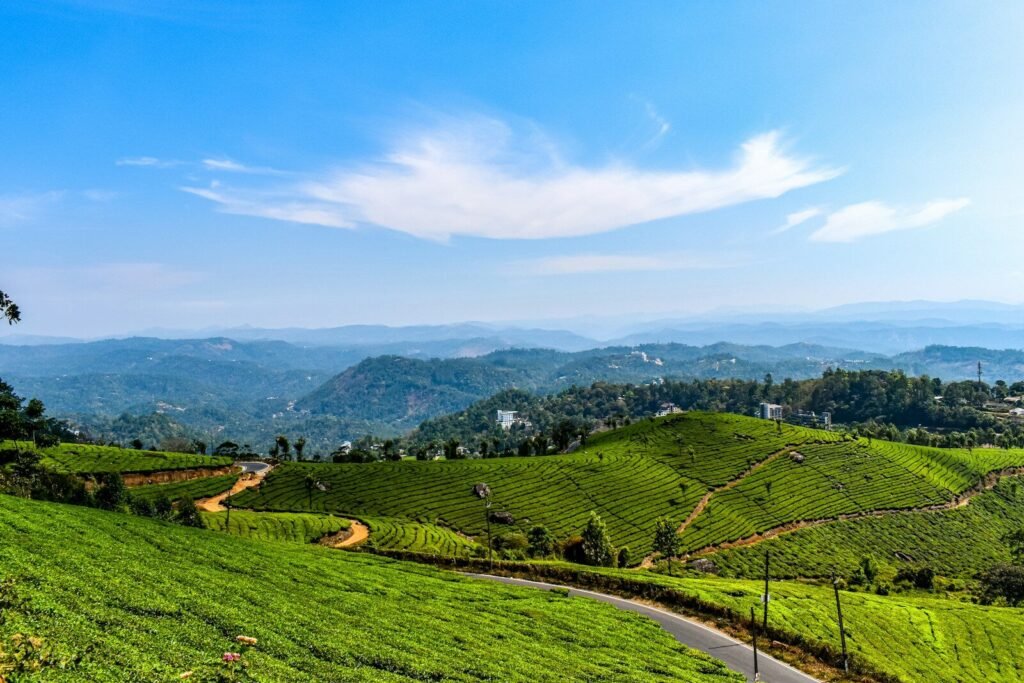
- Munnar: Tea plantations and cooler hill weather (2–4 hours drive). Prefer an overnight stay.
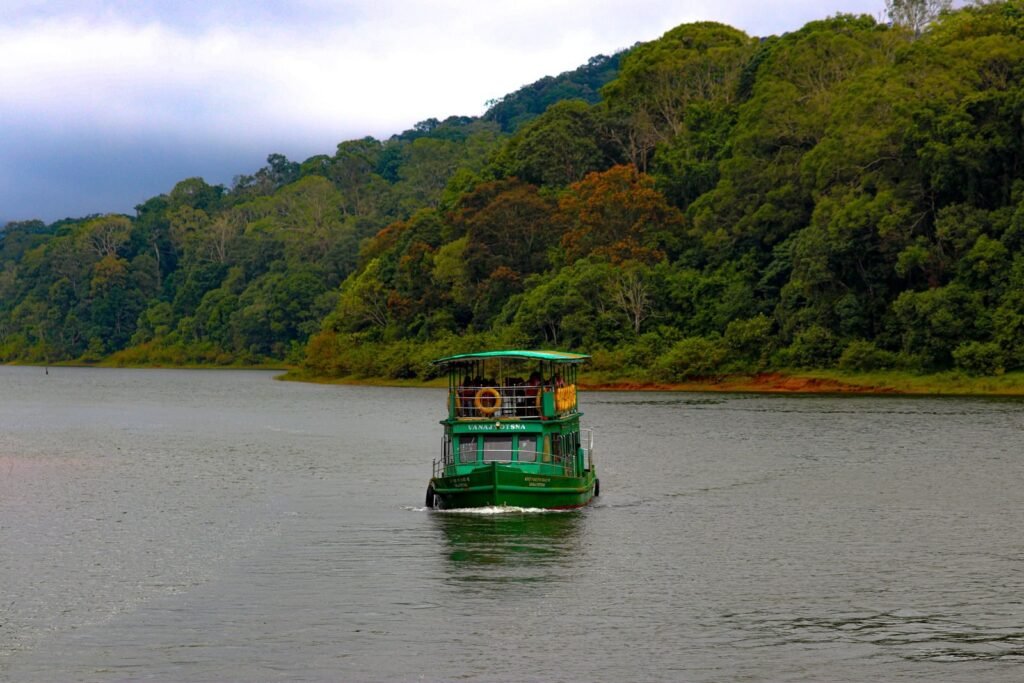
- Thekkady (Periyar): Wildlife, spice plantations and boat safaris on Periyar Lake (overnight recommended).
- Alleppey: Famous backwaters and houseboats (1–2 hours drive).
Final Practical Checklist
Packing & Documents:
- Valid passport and visa documents; photocopies stored separately.
- Local currency and cards; ATM card pin and backup cards.
- Comfortable walking shoes, light clothing, sun protection, rain jacket (monsoon months).
- Basic medicines, mosquito repellent, hand sanitizer and water bottle.
Before you go:
- Check weather forecasts and festival schedules.
- Pre-book popular experiences (houseboats, Kathakali shows) during peak season.
- Inform your bank of travel dates to avoid card blocks.
Further Help
If you have specific interests (food tours, family travel, eco-friendly stays, accessibility needs, or itinerary planning), tell me your travel dates, length of stay and travel style (relaxed, adventure, cultural) and I can prepare a customized plan or list of bookings and contacts.