Introduction
Kerala, often called “God’s Own Country,” is a compact state on India’s southwestern Malabar Coast known for its palm-lined beaches, tranquil backwaters, spice-scented hill stations and rich cultural festivals. Deciding the best time to visit Kerala depends on what you want to see and do — beaches, houseboats, hill stations, wildlife, trekking or Ayurvedic rejuvenation. This article explains the seasonal patterns, month-by-month advice, festival timing and practical tips to help you pick the optimal travel window.
Quick summary: Best time to visit Kerala
- Overall best months: October to March — dry, comfortable temperatures, ideal for beaches, backwaters, sightseeing and wildlife.
- Best for monsoon experiences & Ayurveda: June to September — lush landscapes, good for Ayurvedic treatments, quieter tourism and lower rates.
- Peak summer: March to May — hot and humid on the coast; good time for hill stations like Munnar and Wayanad.
Kerala climate overview
Kerala has a tropical monsoon climate. The state receives two main monsoons: the southwest monsoon (June–September) brings the bulk of the rainfall, while the northeast (retreating) monsoon affects parts of Kerala around October–November. Coastal areas are warm and humid year-round; the highranges (Munnar, Wayanad) are cooler.
Seasonal breakdown
Pre-monsoon / Summer (March – May)
- Weather: Hot and humid on the coast (temperatures often 30–36°C / 86–97°F), but pleasant in the hills (15–25°C / 59–77°F).
- Ideal for: Hill stations, tea plantations, off-peak deals on beaches and backwaters.
- Consider: Avoid extensive beach activities midday; sunscreen and hydration essential.
Southwest Monsoon (June – September)
- Weather: Heavy rains, high humidity; short dry intervals possible.
- Ideal for: Ayurvedic therapies (monsoon is traditionally recommended for certain treatments), lush photography, dramatic waterfalls and low-season savings.
- Consider: Some outdoor activities (trekking, wildlife spotting, boat trips) may be restricted; check safety advisories.
Retreating Monsoon / Post-monsoon (October – November)
- Weather: Frequent showers early in October; by late October and November, weather clears and becomes pleasant.
- Ideal for: Festivals (Onam usually falls around August/September — see calendar), travel deals fade as high season approaches.
Winter / High season (December – February)
- Weather: Cool, dry and comfortable — coastal temperatures 24–30°C (75–86°F); hills 10–20°C (50–68°F).
- Ideal for: Beaches, houseboats, wildlife safaris, city sightseeing and cultural walking tours.
- Consider: Peak season means higher prices and more crowds, especially in popular spots like Kochi, Alleppey, Kovalam and Munnar.
Best time by travel interest
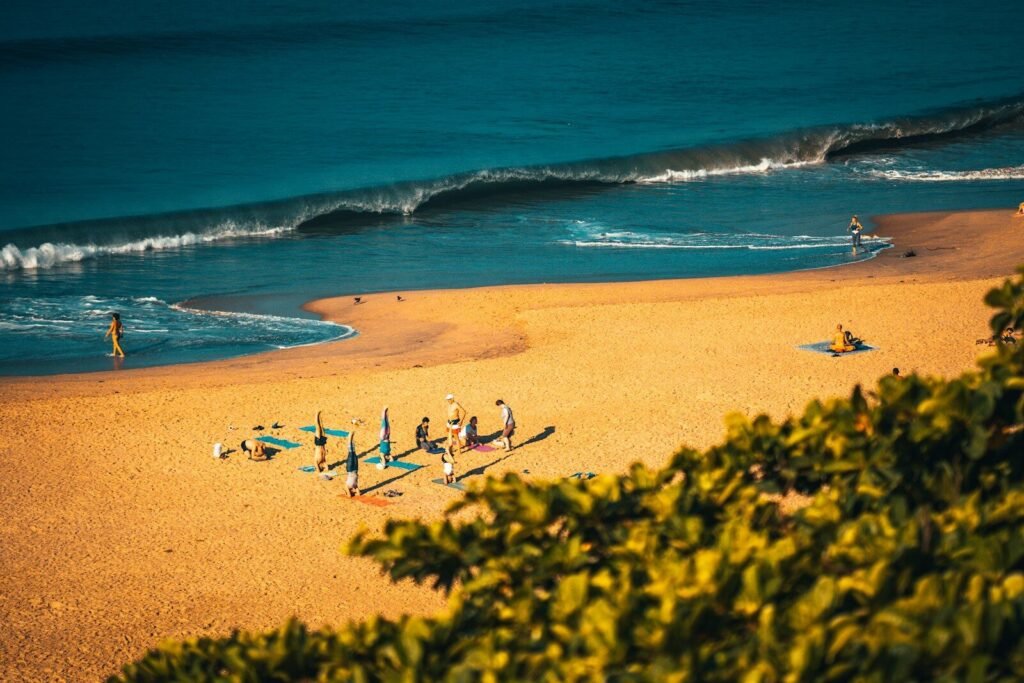
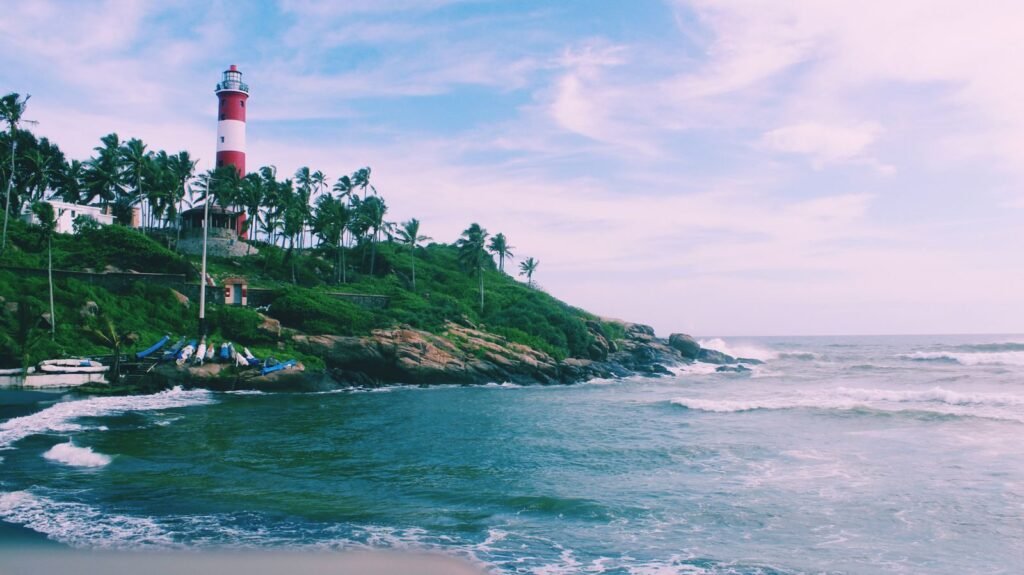
Beaches (Kovalam, Varkala, Marari)
- Best months: October to March — calm seas, dry weather and ideal swimming conditions.
- Not recommended: Heavy monsoon months for swimming; strong currents possible during rains.
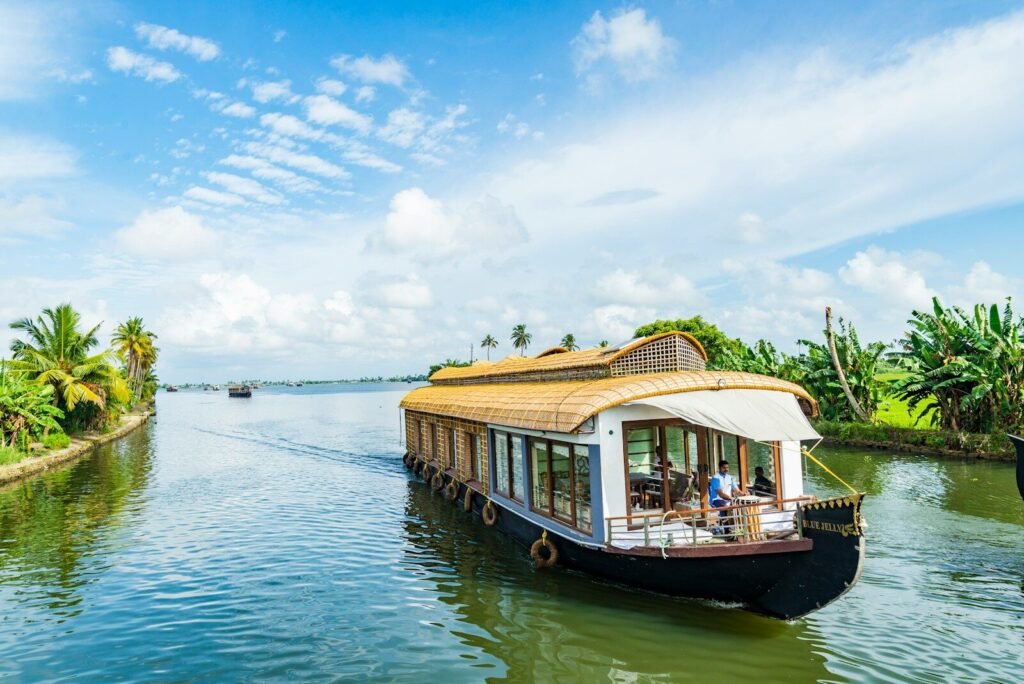
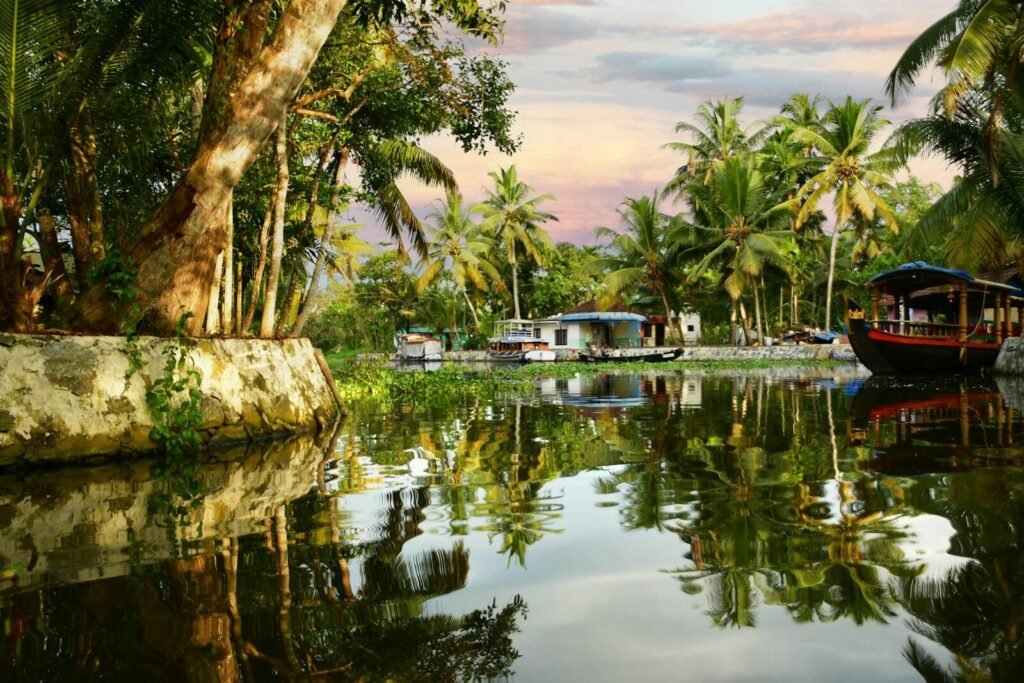
Backwaters & Houseboats (Alleppey, Kumarakom)
- Best months: October to March — comfortable, scenic and calm waters for cruising and photography.
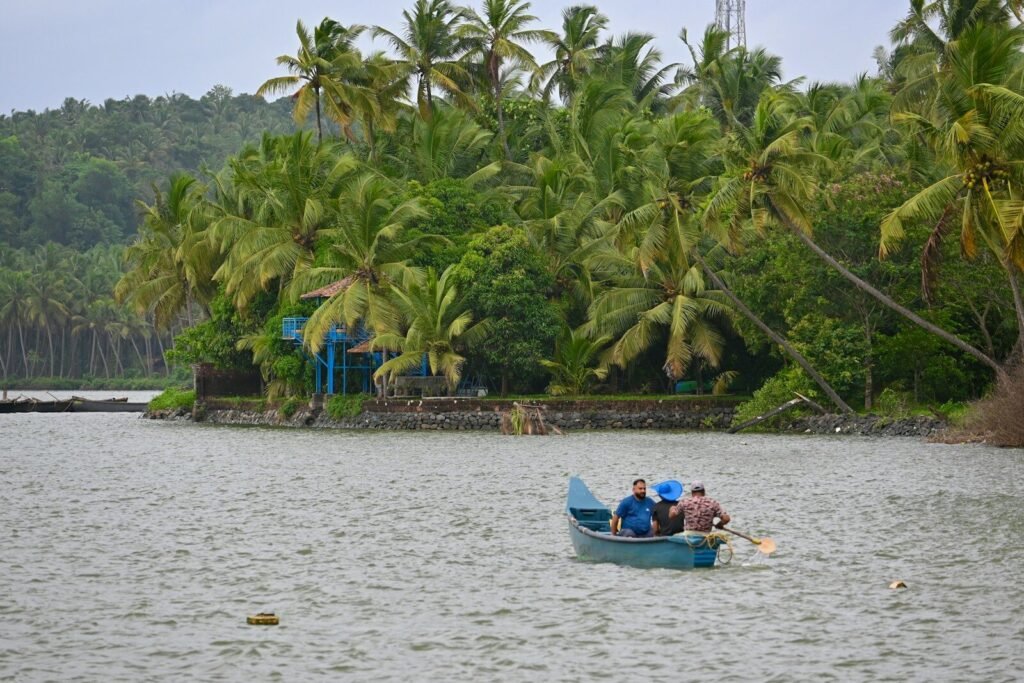
- Monsoon travel: June–September can be atmospheric with dramatic greenery and fewer tourists; however, some operators reduce trips during heavy rains or storms.
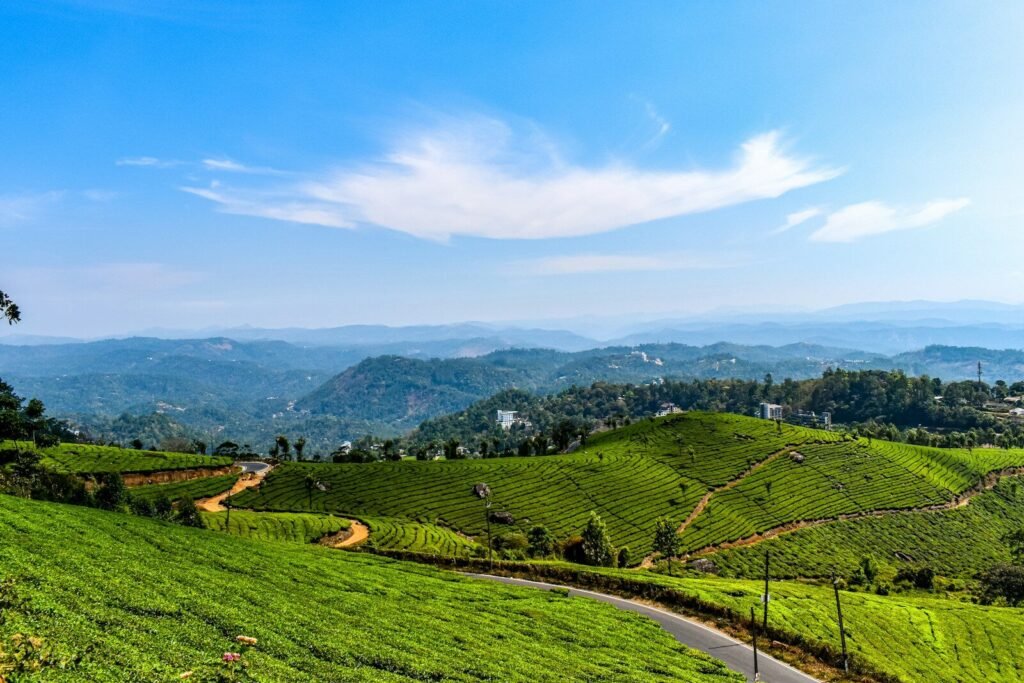
Hill stations (Munnar, Wayanad, Thekkady)
- Best months: October to May — cool and pleasant; March–May are popular for escaping coastal heat.
- Monsoon: June–September offers misty tea gardens and waterfalls but heavy rains can affect trekking and road conditions.
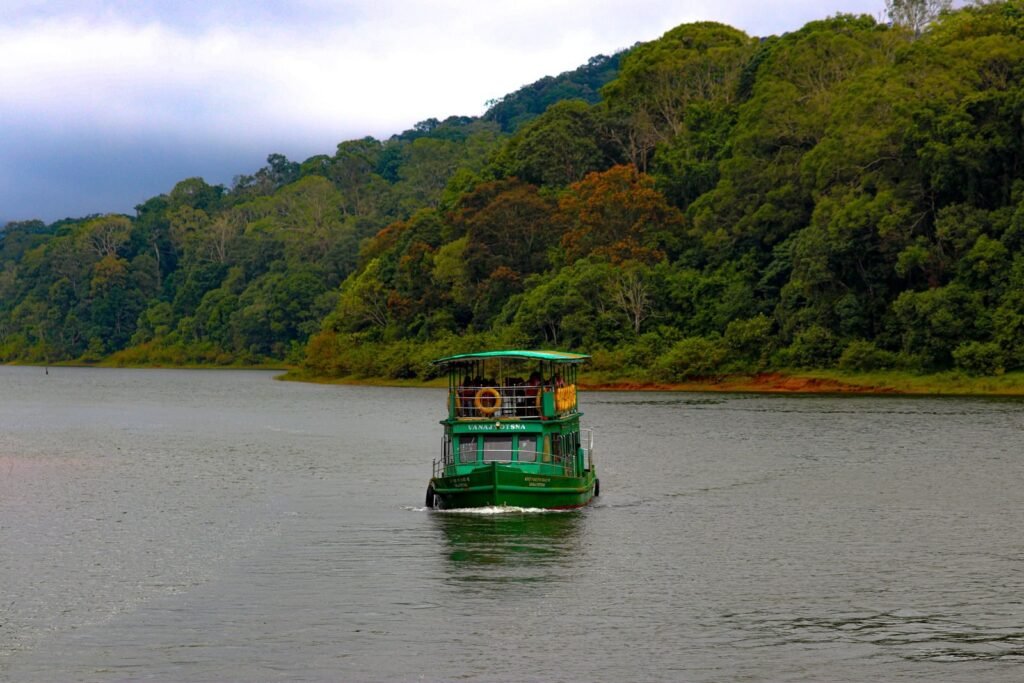
Wildlife & Periyar / Wayanad Safaris
- Best months: October to March — dry trails and good animal visibility, especially during mornings and late afternoons.
- Monsoon tips: Some reserves close for portions of the monsoon; check in advance.
Ayurveda & Wellness
- Best months: Traditionally the rainy season (June–September) and post-monsoon are considered ideal for certain Ayurvedic cleansing and ritu therapies because the moist atmosphere helps absorption of oils and treatments.
- Also good: October–March is comfortable for spa and wellness stays if you prefer outdoor activities around treatments.
Festivals & Cultural Events
- Onam: (usually August–September) — Kerala’s biggest harvest festival with festivities across the state; excellent time to witness cultural shows, boat races and traditional feasts.
- Vishu: Mid-April — traditional new year celebrations with family rituals and fireworks.
- Thrissur Pooram: Late April or early May — one of Kerala’s most spectacular temple festivals (dates vary by year).
- Boat races (Vallam Kali): Mostly during the Onam season and related events in August–September; the Nehru Trophy Boat Race is typically in August.
Month-by-month guide
- January – February: Cool, dry, great for sightseeing, beaches and backwaters. Peak tourist season begins.
- March – May: Warming up; good for hill stations; expect heat and humidity on the coast. Vishu in April.
- June – September: Monsoon brings heavy rains. Ideal for Ayurveda, fewer tourists, lush scenery and lower prices. Plan carefully for outdoor activities.
- October – November: Weather clears; excellent travel conditions resume. Many festivals and a great time for photography.
- December: Cool, festive season (Christmas/New Year) — busy and vibrant, especially in Kochi and popular beach/tourist hubs.
Regional variations within Kerala
- Coast (Kozhikode to Kanyakumari): Warmer and more humid year-round; ideal from October to March.
- Backwaters (Alleppey, Kumarakom): Calmest in winter; monsoon creates dramatic scenery but can disrupt boat schedules.
- Highranges (Munnar, Wayanad): Cooler; a good refuge during April–May; monsoon brings mist and waterfalls but possible landslips in extreme rain.
- North vs South differences: Rainfall patterns can slightly vary; both regions follow the broad monsoon-based schedule but local microclimates exist.
Monsoon travel: Pros and cons
Pros
- Lush green landscapes, swollen waterfalls and dramatic skies ideal for photography.
- Off-season discounts on accommodation and tours.
- Excellent time for Ayurvedic treatments recommended during monsoon.
Cons
- Heavy rains can cause travel delays, road disruptions and temporary closures of attractions and national parks.
- Boat services and some coastal activities may be suspended during rough weather.
- High humidity can be uncomfortable for some travelers.
Practical tips and packing checklist
- What to pack: Light cotton clothing for the coast; a light jacket or sweater for hill stations; rain jacket/umbrella for monsoon; comfortable walking shoes; sunscreen, hat and insect repellent.
- Health: Stay hydrated; carry oral rehydration/small first-aid kit; during monsoon carry protective footwear and be cautious of slippery trails.
- Bookings: Book in advance for peak season (Dec–Feb, major festivals). For monsoon, confirm cancellation policies and check operator status for houseboats and safaris.
- Transportation: Road conditions can deteriorate during heavy rains — allow buffer time. Domestic flights and trains are reliable most of the year but may face delays in extreme weather.
- Local customs: Respect temple dress codes (shoulders and knees covered), remove shoes where required, and be mindful during religious festivals.
Sample itineraries by interest
7-day classic (best time Oct–Mar)
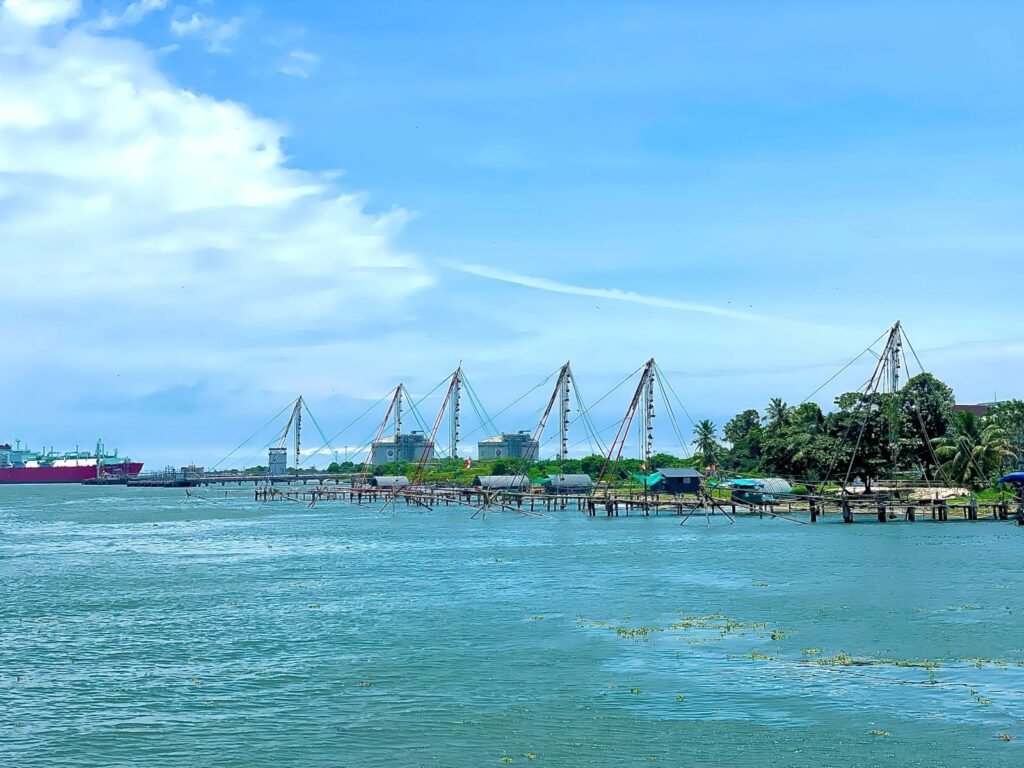
- Day 1–2: Kochi (Fort Kochi, Jewish Synagogue, local cafes)
- Day 3–4: Alleppey/Kumarakom (overnight houseboat on backwaters)
- Day 5–6: Munnar (tea gardens, Eravikulam NP)
- Day 7: Return to Kochi or proceed to your next destination
7-day monsoon wellness (best time Jun–Sep)
- Days 1–2: Arrive and relax in a coastal Ayurvedic resort (Kovalam or Varkala)
- Days 3–5: Intense Ayurvedic regimen and spa treatments
- Days 6–7: Light sightseeing and gentle backwater cruise if weather permits
What to avoid
- Avoid extensive boat trips or sea swimming during heavy monsoon spells.
- Avoid last-minute bookings during peak festival dates — prices and availability can be challenging.
- Avoid remote trekking during extreme rains due to landslip risk — always check local advisories.
Final recommendation
For most travelers seeking a reliable, comfortable experience that includes beaches, backwaters, wildlife and festivals, October through March is the best time to visit Kerala. If you prefer a quieter, greener experience, are interested in authentic Ayurvedic treatments or want off-season bargains, consider visiting during the monsoon (June–September), but plan activities with flexibility. Choose your travel window based on the activities you prioritize — that will give you the most rewarding Kerala experience.