Kerala Tour Guide

brown wooden boat on water during daytime

FAQS

Kerala Tourism — Frequently Asked Questions (FAQs)

This FAQ-style guide answers common questions travelers have about Kerala in the context of tourism. It covers practical planning, top attractions, safety, culture, transport, best times to visit, costs, and sustainable travel tips. Use the sections below to quickly find answers; each question is followed by concise, practical guidance.

General & Getting There

Q: Where is Kerala and how do I reach it?

Kerala is a coastal state in the southwest of India. Major international entry points are Kochi (Cochin International Airport), Thiruvananthapuram (Trivandrum International Airport) and Calicut (Kozhikode Airport). Domestic flights, long‑distance trains and inter‑state buses connect Kerala to other Indian cities. You can also arrive by road from neighboring states Tamil Nadu and Karnataka.

Q: What is the ideal duration for a Kerala trip?

Short trip (3–4 days): Kochi + a half‑day backwater/houseboat or a beach visit.
Moderate (7–9 days): Kochi → Munnar (hill station) → Thekkady/Periyar (wildlife) → Alleppey/Kumarakom (backwaters) → Kovalam/ Varkala (beaches).
Two weeks or more: Add Wayanad, Bekal, North Kerala and slower, immersive experiences like homestays, Ayurveda courses or long houseboat stretches.

Q: When is the best time to visit Kerala?

The best time is generally October to March — pleasant weather, clear skies and festival season. For greenery, waterfalls and monsoon wellness therapies, the Southwest monsoon (June–September) transforms the landscape but brings heavy rain. If you want Ayurvedic monsoon treatments, consult centers that run special monsoon packages.

Top Attractions & Activities

Q: What are Kerala’s must-see attractions?

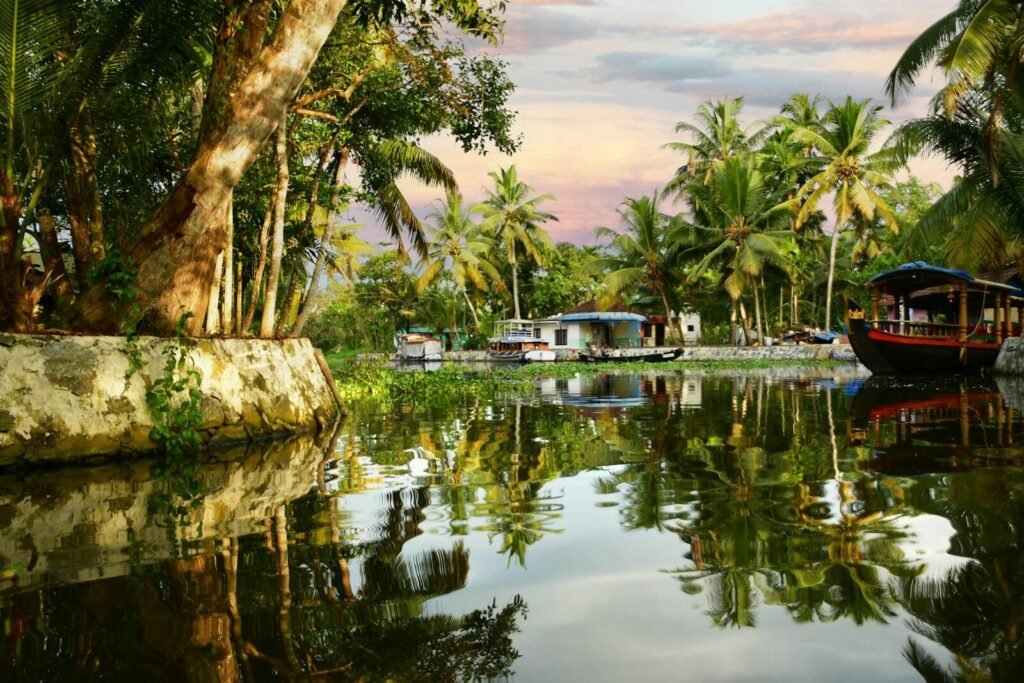
  • Backwaters: Alleppey (Alappuzha) and Kumarakom houseboats and village cruises.
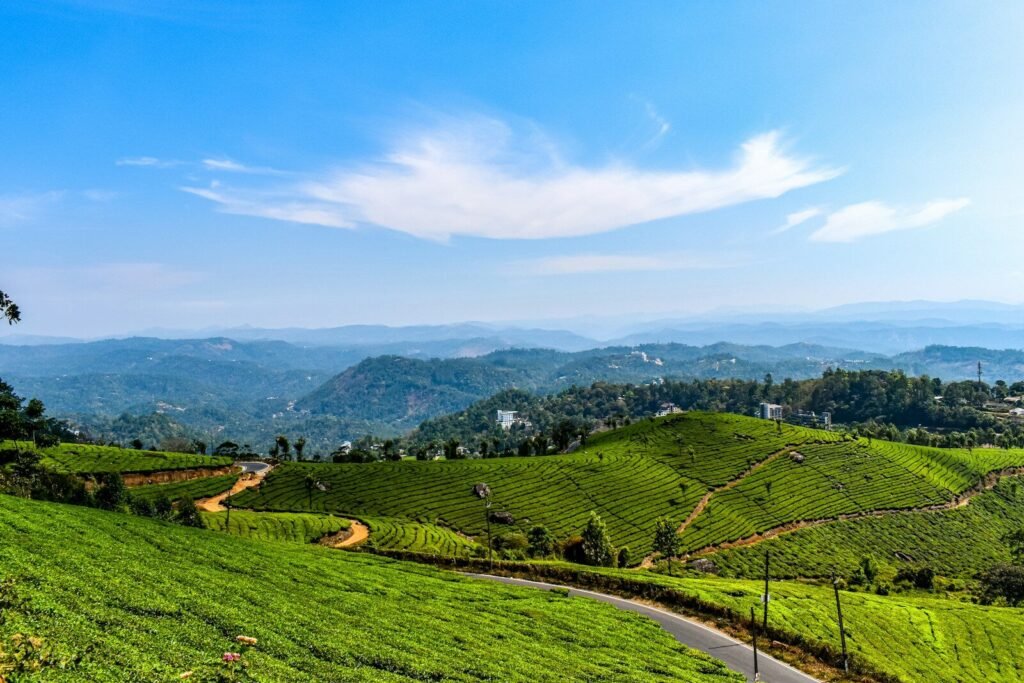
  • Hill stations: Munnar (tea gardens), Wayanad (wild forests & caves), Vagamon.
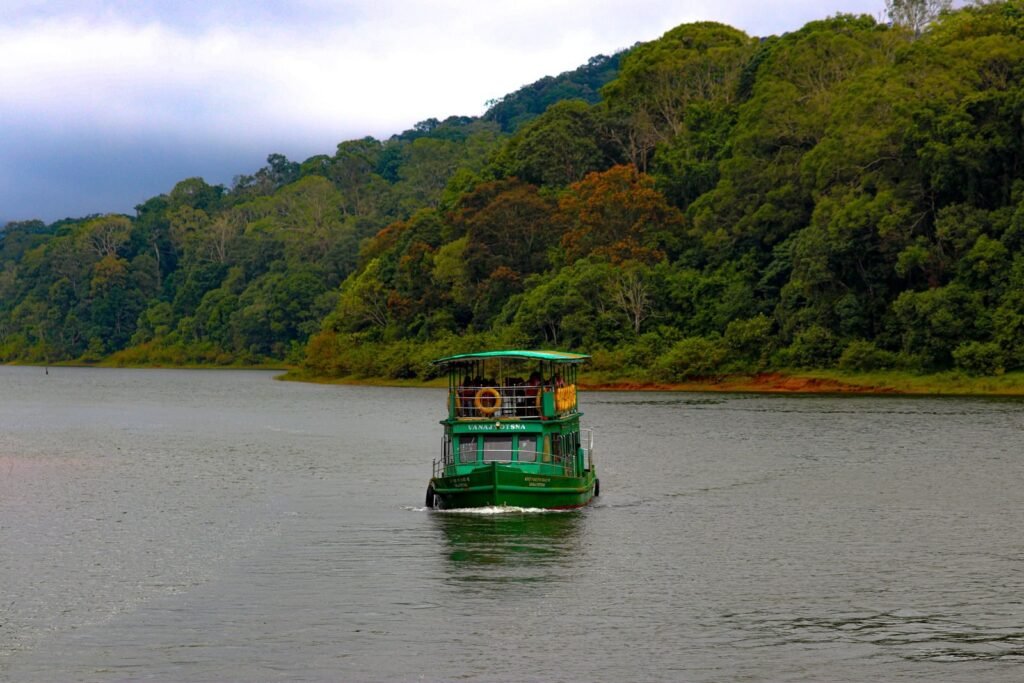
  • Wildlife & Nature: Periyar Wildlife Sanctuary, Silent Valley, Thattekad Bird Sanctuary.
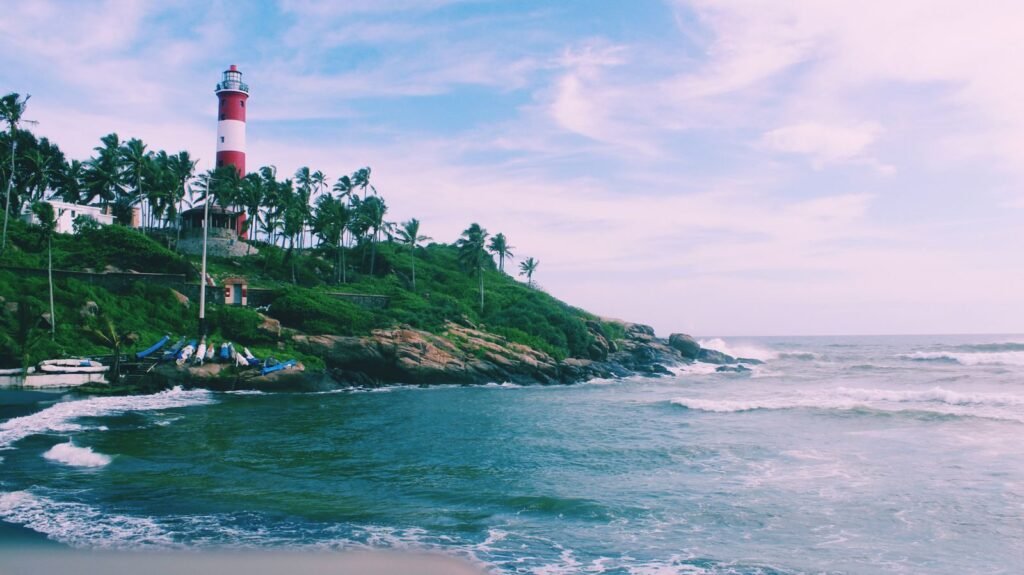
  • Beaches: Kovalam, Varkala (cliffs & beaches), Marari, Bekal (fort & beach).
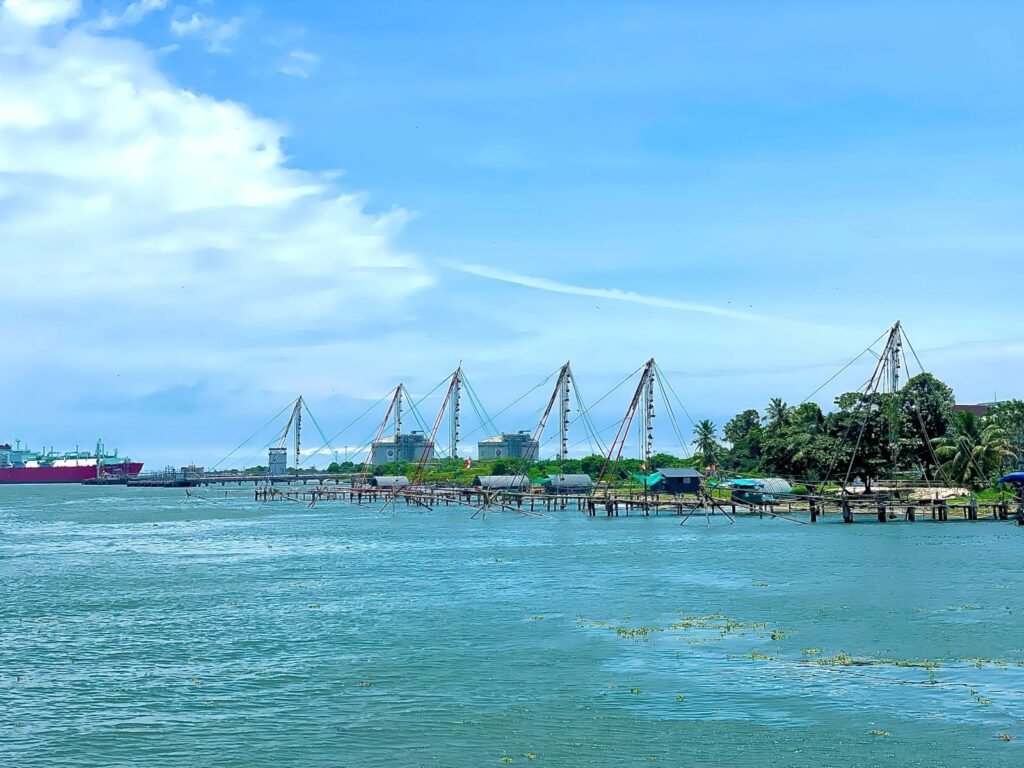
  • Culture & Heritage: Fort Kochi, Mattancherry, temples, and Kathakali & Kalaripayattu performances.
  • Ayurveda & Wellness: Authentic clinics and resorts across the state.

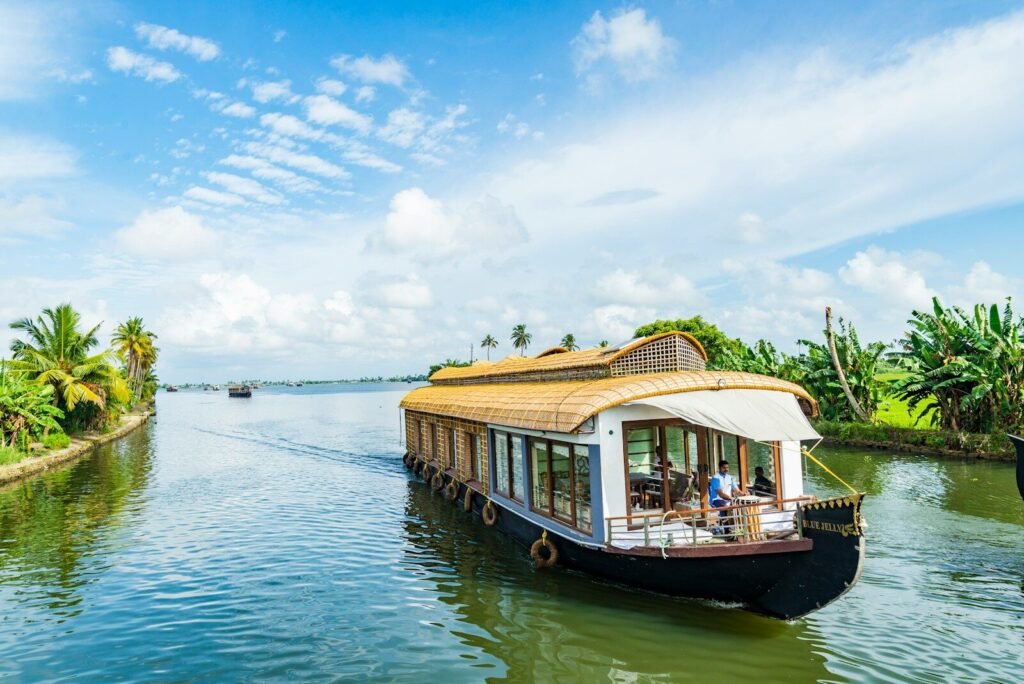
Q: Are houseboats worth it and how long should the cruise be?

Houseboat cruises are unique and highly recommended for first-time visitors. Typical options:

  • Overnight stay: Most popular (one night/one day) — good for experiencing backwaters and cuisine.
  • Day cruises: Shorter (2–6 hours) options for travelers on tight schedules.
  • Multi‑night cruises: Two or more nights for deeper, quieter immersion into village life.

Choose licensed boats with good sanitation and clear pricing; private houseboats range from basic to luxury.

Practical Travel Info

Q: What is the local language and will English work?

Malayalam is the state language. English is widely spoken in tourist areas, hotels, and transport hubs. Learning a few Malayalam phrases is appreciated by locals.

Q: Is Kerala safe for solo travelers, women, and families?

Kerala is generally safe for solo travelers, families and women; it has high literacy and good health and social indicators. Basic precautions apply:

  • Keep copies of documents and watch belongings in crowded places.
  • Use registered taxis, app cabs or hotel-arranged transport at night.
  • Respect local customs in temple areas and conservative towns (dress modestly).

Q: What vaccinations or health precautions are recommended?

Standard travel vaccinations (tetanus, diphtheria, hepatitis A) are advisable. For mosquito-borne diseases, use repellents and nets when needed. Avoid drinking tap water — use bottled or filtered water for drinking and brushing. If you have specific health conditions or need medications, carry prescriptions and check local availability.

Q: How expensive is Kerala? What should I budget for?

Kerala has options for every budget:

  • Budget: INR 1,500–3,000 per person/day (guesthouses, local transport, street food).
  • Mid‑range: INR 3,000–8,000 per person/day (comfortable hotels, guided tours, private transfers).
  • Luxury: INR 8,000+ per person/day (heritage hotels, luxury houseboats, private guides).

Prices fluctuate by season and location (hill stations and backwaters can be pricier).

Culture, Food & Festivals

Q: What should I know about Kerala’s culture and etiquette?

Kerala is culturally rich and relatively progressive, but it’s respectful to:

  • Remove shoes before entering temples and some homes.
  • Avoid public displays of affection in conservative areas.
  • Ask before photographing people, especially in villages and sacred events.
  • Dress modestly at religious sites (cover shoulders and knees).

Q: What do people eat in Kerala? Any must-try dishes?

Kerala cuisine is coconut-forward and spicy in parts. Must-try items:

  • Sadya: Traditional vegetarian banquet served on a banana leaf (especially during Onam).
  • Kerala fish curry: Tangy curry with coconut and tamarind.
  • Puttu & Kadala: Steamed rice cake with black chickpea curry, common breakfast.
  • Appam & Stew: Fermented rice pancake with vegetable or meat stew.
  • Payasam: Festive sweet rice or milk dessert.

Street food is excellent but choose busy stalls with fresh turnover to reduce stomach issues.

Q: Which festivals are noteworthy for tourists?

Onam (Aug–Sept): State harvest festival with flower carpets, boat races, and Sadya.
Thrissur Pooram (April/May): Colorful temple festival with caparisoned elephants and percussion.
Boat races (Vallam Kali): Especially during monsoon/harvest season in backwater regions.
Check specific dates since festival timing follows the traditional calendar.

Transport & Getting Around

Q: What are the best ways to travel within Kerala?

  • Private car with driver: Flexible for multi‑state itineraries and hill roads.
  • Trains: Good for major towns and budget travel; book in advance for peak season.
  • Buses: State and private buses reach many towns; comfortable AC Volvo buses for intercity routes.
  • Cabs & App taxis: Widely available in cities; verify fare estimates beforehand.
  • Two-wheelers: Rent scooters in tourist towns (only if experienced and licensed).

Q: Are roads and driving conditions safe?

Road quality varies: highways and city roads are generally good; rural roads and ghat (mountain) sections can be narrow and winding. Drive cautiously in the monsoon due to slippery surfaces and reduced visibility. If unfamiliar with local driving, hiring a driver is recommended.

Permits, Regulations & Special Cases

Q: Do I need special permits for wildlife sanctuaries, national parks or border areas?

Most wildlife sanctuaries and national parks (Periyar, Silent Valley) require entry tickets and sometimes permits for cameras or vehicles. Trekking in protected or reserve forests may need prior permission or a licensed guide. Check the official park websites or local tourist offices for updated rules and online ticketing.

Q: Are there any dress codes or rules for temples and religious sites?

Yes. Many temples ask visitors to dress conservatively — men often remove shirts in some temple courtyards; women should cover shoulders and knees and sometimes wear sarees or traditional attire where requested. Always follow notices and temple staff directions.

Safety, Scams & Responsible Travel

Q: Common tourist scams and how to avoid them?

Kerala is relatively low on scams compared with many tourist destinations, but be alert to:

  • Unlicensed taxis or inflated fares — insist on meters or preagree on rates via apps.
  • Overpriced “special” houseboat offers — confirm inclusions (meals, fuel, taxes).
  • Fake guides — hire guides certified by local tourism boards or through reputable operators.

Q: How can I practice responsible and eco-friendly tourism in Kerala?

  • Choose licensed, local operators and homestays to support communities.
  • Minimize single‑use plastics — carry a refillable bottle and ask for filtered water.
  • Respect wildlife habitats; don’t feed animals and maintain safe distances.
  • Use water and energy responsibly in hotels and resorts, especially in hill stations.
  • Prefer locally sourced food and handicrafts to boost the local economy.

Booking & Practical Tips

Q: How far in advance should I book hotels, houseboats and attractions?

During peak season (October–March) and festival weekends, book 4–8 weeks ahead for popular hotels and houseboats. For major festivals like Thrissur Pooram or Onam, book much earlier. Off‑season and midweek travel often allow last‑minute deals.

Q: Are ATMs and card payments widely available?

ATMs and card acceptance are common in cities and larger towns. Small shops, rural restaurants and some homestays may accept cash only — carry enough INR for remote areas. Mobile UPI payments are widely used in urban Kerala.

Q: Is tipping customary?

Tipping is appreciated but not mandatory. Typical guidelines:

  • Hotels: INR 50–200 per day for housekeeping depending on service level.
  • Restaurants: Service charge may be included — otherwise 5–10% is common.
  • Drivers/guides: INR 200–500 per day for drivers (longer itineraries may merit more); guides vary by experience and length of tour.

Special Interests

Q: Can Kerala be combined with other South Indian destinations?

Yes. Common combos:

  • Karnataka (Coorg, Mysore, Bangalore) — for wildlife and heritage.
  • Tamil Nadu (Madurai, Chennai, temple circuits) — cultural and historic tours.
  • Tamil Nadu hill stations (Ooty) or Wayanad for extended hill‑country itineraries.

Travel times are reasonable; plan to minimize backtracking.

Q: Is Kerala suitable for honeymooners and wellness seekers?

Absolutely. Kerala is a leading destination for honeymooners (beaches, hill stations, houseboats) and wellness seekers (authentic Ayurvedic centers, yoga retreats). Choose certified Ayurvedic practitioners for treatments and avoid unqualified providers.

Final Practical Reminders

Q: Any quick packing and travel tips?

  • Pack light cotton clothing for warm coastal areas and a light jacket for hill stations (Munnar gets cool).
  • Rain gear if traveling during the monsoon or shoulder seasons.
  • Good walking shoes for plantation treks, boat docks and uneven surfaces.
  • Basic first aid, prescribed meds, sunscreen, insect repellent and a power bank.
  • Keep photocopies and digital copies of travel documents and emergency contacts.
Need more specific help?

If you want tailored advice (sample itineraries, recommended hotels/houseboats, Ayurvedic center recommendations, or festival-specific planning), tell me the length of your trip, travel dates and interests — I can prepare a customized plan.

Get Instant Call Back​

Which places do you want to explore in Kerala?
Kindly share your above details to get Travel Plan PDF within 30 seconds on your mobile
Please wait while we are preparing customized quotes as per your requirement.

Why Choose us ?

What makes us different from other tour package companies

Best Travel Experts

Our travel experts have core and intense knowledge about Kerala sector with over 10 years of experience that will help you choose the best possible itinerary as per your requirements.

24 X 7 On-Trip Assistance

Our travel experts are just one call away during your tour to help you with any kind of immediate assistance so that your tour is a more enjoyable and hassle-free tour.

Best Rate Guarantee

eTourismKerala ensures best rates to all our esteemed guests since we have our own hotels and fleet of vehicles and drivers and there is no third-party involvement. This ensures personalized service and best rates.


Kerala Tour Packages by Theme

Kerala Tour From Popular Cities

Limited period offer – Kerala tour packages at flat 50% discount. Inquire now!

Kindly enter the details below for your Kerala Tour Package
Loading, please wait . .. ... ....